
Growing a business is fundamentally about expanding its financial capacity, increasing profitability, and enhancing its long-term value. While various factors contribute to this expansion, a robust focus on financial strategy, resource management, and revenue generation forms the bedrock of sustainable growth. True business growth isn’t merely about increasing sales figures; it encompasses a holistic financial approach that ensures scalability, resilience, and consistent returns. Mastering the financial levers of your operation is paramount to moving beyond mere survival to thriving and expanding in a competitive landscape.
Strategic Financial Planning: The Foundation of Growth
Effective financial planning is the blueprint for business expansion. Without a clear financial roadmap, growth efforts can be haphazard, leading to wasted resources and missed opportunities. Strategic planning ensures that every growth initiative is financially sound and aligned with overarching business objectives.
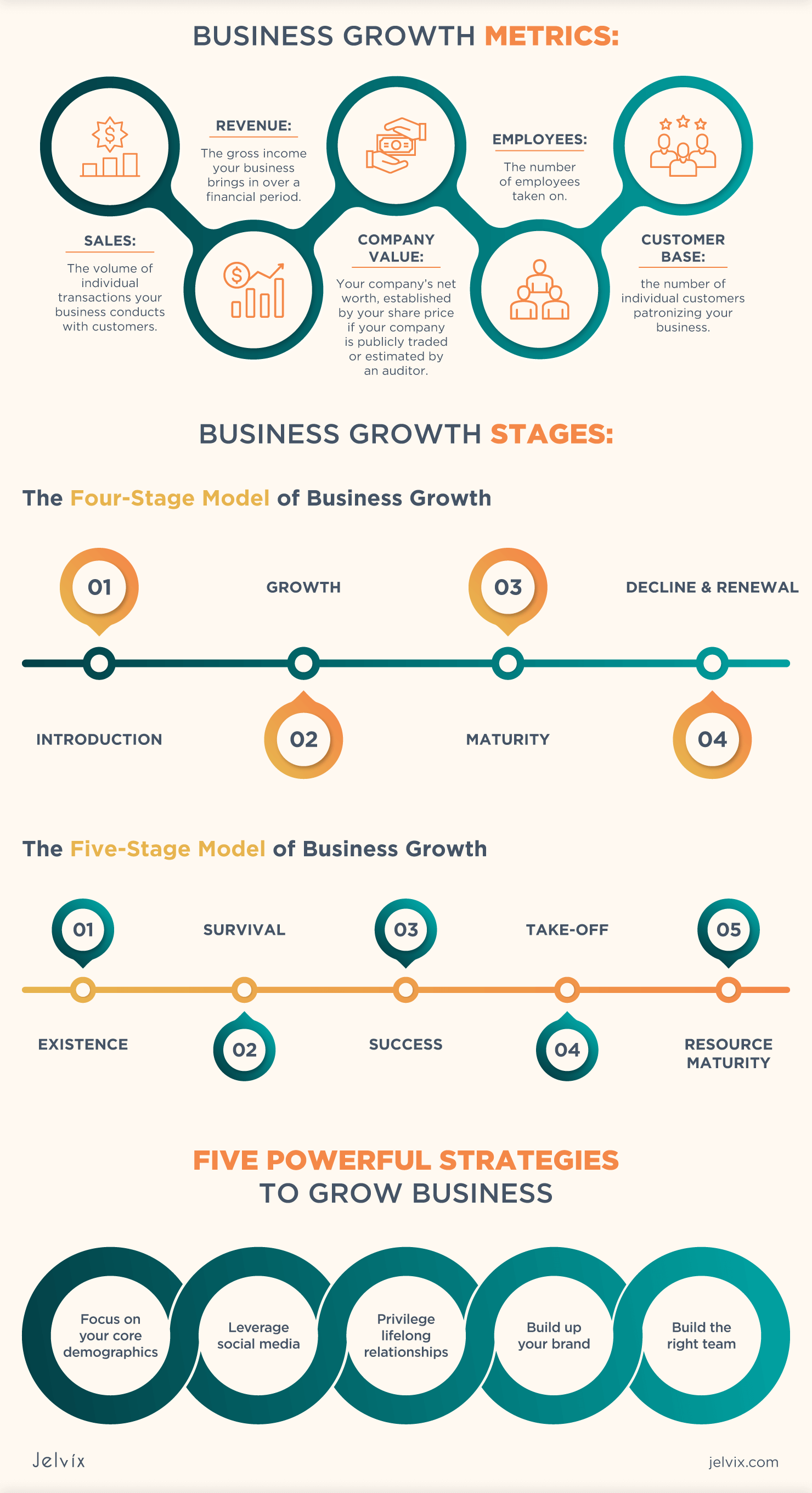
Budgeting for Scalability and Profitability
A well-constructed budget is more than just a spending tracker; it’s a strategic tool for allocating resources towards growth initiatives while maintaining fiscal discipline. For scalability, budgets must project future expenses and revenues, anticipating the costs associated with increased production, expanded marketing, or new hires. Crucially, budgeting should differentiate between operational costs and growth investments. By meticulously planning expenditures, businesses can identify areas for cost efficiency that directly improve the bottom line and free up capital for reinvestment. A profit-first budgeting approach, where a target profit margin is allocated first, can profoundly shift financial outcomes, ensuring growth is always profitable.
Cash Flow Management: Fueling Expansion
Cash flow is the lifeblood of any growing business. Positive and predictable cash flow is essential for funding day-to-day operations, seizing growth opportunities, and weathering unforeseen financial challenges. Effective cash flow management involves monitoring inflows and outflows rigorously, optimizing payment terms with customers and suppliers, and maintaining adequate cash reserves. Strategies such as accelerating accounts receivable collection, carefully managing inventory levels to avoid tying up capital, and negotiating favorable payment schedules with vendors can significantly improve liquidity. A healthy cash flow allows a business to invest in new assets, expand its team, or launch new products without resorting to high-interest debt, thus fueling organic expansion.
Understanding and Optimizing Profit Margins
Profit margins are a critical indicator of a business’s financial health and efficiency. Growth efforts must never come at the expense of profitability. Understanding gross profit margins (revenue minus cost of goods sold) and net profit margins (revenue minus all expenses) helps identify which products, services, or divisions are truly contributing to the bottom line. Optimization strategies include reviewing pricing models to ensure they reflect value and cover costs, negotiating better deals with suppliers, and streamlining operational processes to reduce per-unit costs. Businesses should also analyze customer segments to identify the most profitable ones and tailor growth strategies to attract more high-value clients, ensuring that expansion translates into greater financial returns.
Smart Funding and Investment Strategies
Growth often requires capital beyond what operational cash flow can provide. Strategic funding and prudent investment decisions are crucial for accelerating expansion and maximizing financial returns.
Reinvesting Profits: Organic Growth
One of the most sustainable methods of growth is reinvesting retained earnings back into the business. This organic growth strategy avoids debt and diluting equity, allowing the company to build value internally. Reinvestment can take many forms: upgrading equipment, expanding facilities, investing in research and development for new product lines, or enhancing employee training programs. The key is to allocate these profits strategically to initiatives that offer the highest return on investment, thereby creating a virtuous cycle of growth and profitability. This approach fosters financial independence and strengthens the company’s balance sheet over time.
Exploring External Funding Avenues
When internal capital is insufficient, external funding becomes a viable option. Businesses have several avenues to explore, each with its own implications for ownership, control, and repayment.
- Bank Loans and Lines of Credit: These provide debt financing, requiring regular repayments with interest. They are suitable for predictable capital needs like purchasing equipment or managing working capital.
- Venture Capital (VC) and Angel Investors: These provide equity financing, exchanging capital for a stake in the company. VCs typically invest in high-growth potential businesses with scalable models, offering not just capital but also strategic guidance and industry connections. Angel investors are often individuals who provide initial seed funding.
- Government Grants and Subsidies: Certain industries or innovative projects may qualify for non-dilutive government funding, which does not require repayment or equity.
- Crowdfunding: Platforms allow businesses to raise capital from a large number of individuals, either through equity (investors receive a stake) or debt (lenders receive repayment with interest), or rewards-based models.
Careful evaluation of each option’s cost, control implications, and alignment with growth objectives is essential to select the most appropriate funding source.
Strategic Asset Acquisition and Optimization
Investing in productive assets—whether physical infrastructure, intellectual property, or advanced machinery—can significantly enhance a business’s capacity and efficiency. Asset acquisition should be driven by a clear financial justification, such as increasing production capacity, reducing operational costs, or developing new revenue streams. Beyond acquisition, optimizing the use of existing assets through better maintenance, upgrades, or repurposing can unlock hidden value and improve financial performance without significant new investment. Conversely, divesting underperforming or non-essential assets can free up capital for more productive uses, streamlining operations and boosting financial liquidity.
Revenue Stream Diversification and Expansion
Sustainable business growth often hinges on the ability to generate revenue from multiple sources and to expand into new, profitable markets. Diversification mitigates risk and unlocks new opportunities for income generation.
Identifying New Markets and Customer Segments

Growth can stem from tapping into previously underserved or entirely new markets. This involves thorough market research to identify demographic shifts, emerging needs, or geographical expansions that align with your core offerings. For instance, a business serving a local market might explore online sales to reach a national or international customer base. Similarly, identifying a new customer segment with distinct needs, even within an existing market, can lead to tailored product offerings and new revenue streams. The financial goal is to increase the total addressable market and capture a larger share of consumer spending.
Product/Service Innovation for Increased Income
Innovation is a powerful driver of financial growth. Developing new products or services, or significantly enhancing existing ones, can lead to increased sales, higher average transaction values, and improved customer loyalty. This could involve:
- Tiered Pricing Models: Offering basic, premium, and enterprise versions of a service to cater to different budget and need levels.
- Subscription Models: Shifting from one-time sales to recurring revenue, providing predictable income streams.
- Complementary Offerings: Introducing products or services that enhance existing core offerings, leading to cross-selling and up-selling opportunities.
- Digital Products: Creating high-margin digital goods like e-books, online courses, or software tools that can be scaled rapidly with low incremental cost.
Each innovation should be assessed for its potential return on investment, considering development costs versus projected revenue gains.
Leveraging Online Income Models and E-commerce
The digital landscape offers unparalleled opportunities for revenue expansion. Establishing a robust e-commerce presence allows businesses to reach a global audience 24/7, significantly expanding market reach with relatively lower overheads compared to physical expansion. Beyond direct product sales, online income models include:
- Affiliate Marketing: Earning commissions by promoting other companies’ products or services.
- Advertising Revenue: Monetizing website traffic through display ads or sponsored content.
- Digital Content Sales: Selling premium articles, videos, or access to exclusive online communities.
- Dropshipping: Selling products without holding inventory, reducing capital tie-up and logistical overhead.
Through strategic online presence and monetization, businesses can unlock significant new revenue streams and achieve scalable growth.
Operational Efficiency for Financial Gain
Efficiency is not just about doing things faster; it’s about doing them smarter to reduce costs, improve productivity, and ultimately boost financial performance. Streamlining operations directly impacts profitability and capacity for growth.
Cost Reduction Without Compromising Quality
Sustainable cost reduction involves a critical review of all expenditures to identify inefficiencies without sacrificing product or service quality. This could mean negotiating better rates with suppliers, optimizing energy consumption, consolidating software subscriptions, or automating repetitive tasks. Focusing on process improvements, such as just-in-time inventory management or lean manufacturing principles, can drastically cut waste and associated costs. The capital freed up through intelligent cost reduction can then be redirected towards growth initiatives or accumulated as reserves, enhancing financial resilience.
Automation and Technology for Financial Optimization
While technology itself belongs to a different domain, its application for financial optimization is crucial for business growth. Investing in enterprise resource planning (ERP) systems, customer relationship management (CRM) software, and advanced accounting platforms can automate manual tasks, improve data accuracy, and provide real-time financial insights. Automation of invoicing, payroll, expense tracking, and inventory management reduces administrative overhead and minimizes human error, directly impacting operational costs. Furthermore, leveraging data analytics tools allows businesses to identify spending patterns, forecast financial trends more accurately, and make data-driven decisions that enhance profitability and support strategic growth.
Performance Metrics and Financial Analytics for Informed Decisions
To truly grow, businesses must continuously monitor their financial performance. Key Performance Indicators (KPIs) such as customer acquisition cost (CAC), customer lifetime value (CLTV), return on investment (ROI), gross margin return on investment (GMROI), and operating cash flow provide critical insights into financial health and the effectiveness of growth strategies. Regular analysis of financial statements, along with deep dives into specific revenue and cost centers, allows management to identify areas requiring intervention, celebrate successes, and pivot strategies as needed. Informed decisions, grounded in solid financial data, are the cornerstone of sustained and profitable business expansion.
Risk Management and Long-Term Financial Health
Growth inevitably brings increased complexity and new risks. Proactive financial risk management is essential to protect assets, ensure continuity, and secure long-term financial stability.
Building Financial Reserves
A robust financial reserve fund is a critical buffer against unforeseen economic downturns, market volatility, or unexpected operational costs. Maintaining a healthy emergency fund, typically covering several months of operating expenses, provides liquidity and prevents the need for drastic measures during periods of financial stress. These reserves allow businesses to navigate challenges without derailing growth plans, enabling them to continue investing in strategic initiatives even when revenues fluctuate.
Debt Management and Strategic Leverage
While debt can be a powerful tool for growth, it must be managed judiciously. Strategic leverage involves taking on debt when the anticipated return on investment significantly outweighs the cost of borrowing. This could include financing a new facility that generates substantial additional revenue or investing in technology that dramatically reduces operational costs. However, excessive or poorly managed debt can lead to financial instability, particularly if interest rates rise or revenues decline. A clear debt repayment strategy and continuous monitoring of debt-to-equity ratios are vital for maintaining financial health and ensuring debt facilitates, rather than hinders, growth.

Succession Planning and Exit Strategy Considerations
Even in the midst of rapid growth, businesses should consider long-term continuity and potential exit strategies. Succession planning ensures that leadership and operational knowledge are transferred smoothly, maintaining business momentum and protecting its financial value for future generations or potential buyers. Similarly, developing an exit strategy – whether through a sale, merger, or public offering – forces a business to focus on building transferable value. This includes maintaining meticulous financial records, ensuring strong governance, and structuring the business in a way that maximizes its attractiveness to external parties, ultimately protecting and realizing the financial gains achieved through years of growth.
aViewFromTheCave is a participant in the Amazon Services LLC Associates Program, an affiliate advertising program designed to provide a means for sites to earn advertising fees by advertising and linking to Amazon.com. Amazon, the Amazon logo, AmazonSupply, and the AmazonSupply logo are trademarks of Amazon.com, Inc. or its affiliates. As an Amazon Associate we earn affiliate commissions from qualifying purchases.