
In an increasingly digital financial landscape, managing your money often requires more than just knowing your account balance. One seemingly small but profoundly important piece of information is your bank routing number. This nine-digit code is the backbone of countless financial transactions, yet many people only encounter it when setting up a direct deposit or paying a bill online. Understanding what it is, why it matters, and how to reliably find it is essential for anyone looking to navigate their finances efficiently and securely.
This comprehensive guide will demystify the bank routing number, revealing its critical role in the modern financial system. We’ll delve into why this number is indispensable for both personal and business finance, and most importantly, equip you with a range of practical, fail-safe methods to locate it whenever you need it. From the traditional ink-on-paper check to the convenience of digital banking, knowing where to look will empower you to manage your financial life with confidence and precision.

Understanding the Essence of Your Routing Number
Before embarking on the quest to find your routing number, it’s crucial to grasp what it represents and why it holds such significance in the financial ecosystem. This nine-digit identifier is far more than just a random sequence; it’s a critical component that facilitates the seamless flow of funds across the nation.
What Exactly is a Bank Routing Number?
At its core, a bank routing number, also known as an ABA (American Bankers Association) routing transit number (RTN), is a nine-digit code that identifies your specific financial institution and the physical location of the bank branch where your account was opened. Think of it as a unique address for your bank, enabling secure and accurate transfer of funds. It was established by the American Bankers Association in 1910 to identify financial institutions and streamline the processing of paper checks. While checks might seem antiquated to some, the routing number’s function has expanded dramatically to serve the digital age. Each digit in the nine-digit sequence carries specific information, primarily identifying the bank and the processing center responsible for handling transactions. While a bank might operate nationwide, each account is tied to a specific routing number that reflects its original banking location or the specific branch that manages the account. This precision ensures that your money goes exactly where it’s intended, preventing errors that could lead to significant financial headaches.
Why Your Routing Number Matters: Key Applications
The routing number is not merely a piece of banking trivia; it’s a cornerstone for a wide array of financial operations that touch almost every aspect of your monetary life. Without it, many common transactions simply wouldn’t be possible.
- Direct Deposit: Perhaps its most common application, direct deposit uses your routing number (alongside your account number) to ensure your paycheck, social security benefits, or tax refund lands directly and securely in your bank account. It eliminates the need for paper checks, speeding up payment delivery and enhancing security.
- Automatic Bill Payments: Setting up recurring payments for utilities, loans, or subscriptions often requires your routing number. This facilitates automated clearing house (ACH) transactions, allowing funds to be debited directly from your account on schedule, helping you avoid late fees and manage your budget efficiently.
- Wire Transfers: For large or international money transfers, wire transfers are a common method. Your routing number is essential for initiating and receiving these transfers, ensuring the funds are routed to the correct financial institution.
- Online Transfers and Payments: Whether you’re transferring money between your own accounts at different banks, sending money to friends and family through various payment platforms, or making online purchases, your routing number is often a required field for these digital transactions to process correctly.
- Ordering New Checks: If you ever need to order new checks, whether from your bank or a third-party provider, your routing number will be printed on them and is a necessary piece of information for the order.
- Tax Refunds: When filing your taxes, providing your bank account and routing numbers ensures that any refund due to you is directly deposited, avoiding delays associated with mailed checks.
In essence, the routing number acts as a critical intermediary, connecting your individual account to the broader financial network. Its correct usage is paramount for the accuracy, security, and timeliness of your financial transactions, making it an indispensable tool for personal financial management.
Practical Methods to Locate Your Routing Number
Finding your bank routing number doesn’t have to be a daunting task. While it’s a crucial piece of information, financial institutions have made it accessible through several convenient channels. The method you choose might depend on your preference, immediate needs, or whether you have access to specific documents.
The Traditional Way: Your Checkbook
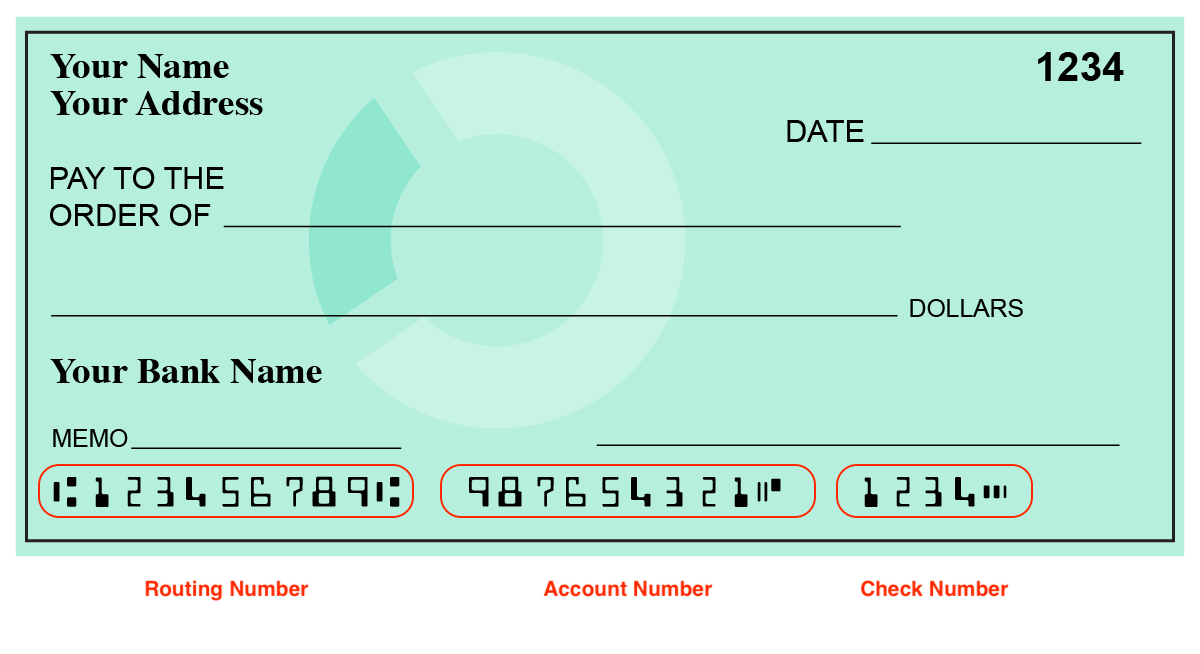
For those who still use paper checks, this is arguably the most straightforward and traditional method. Your routing number is prominently displayed on the bottom of every check issued by your bank.
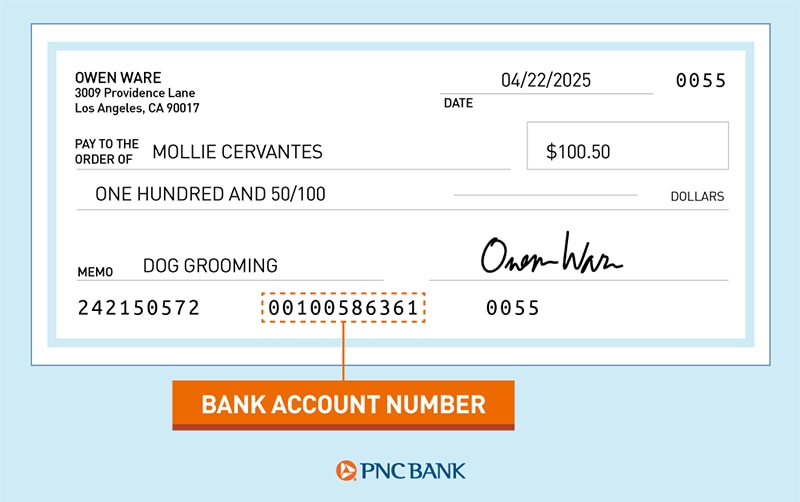
- Location on Checks: Look at the bottom left-hand corner of your personal or business checks. You’ll typically see three sets of numbers. From left to right, these are usually your routing number (the nine-digit code), followed by your account number, and finally the check number. It’s crucial to identify the correct sequence to avoid errors. Ensure you’re looking at a check from the specific account for which you need the routing number, as different accounts (e.g., checking vs. savings) or even different branches might have distinct routing numbers.
Digital Convenience: Online Banking Platforms
In today’s digital age, online banking portals have become the primary interface for many people to manage their finances. Banks understand the importance of easy access to this information and often make it readily available within your account dashboard.
- How to Navigate: Log in to your bank’s official website using your credentials. Once logged in, navigate to your account summary or details page. Look for sections labeled “Account Details,” “Account Information,” “Direct Deposit Information,” or similar. Many banks will display the routing number alongside your account number and balance. If it’s not immediately visible, explore options like “View Statements,” “Services,” or use the search bar within your online banking portal.
On the Go: Mobile Banking Applications
Mobile banking apps offer an even more immediate way to access your financial information, including your routing number, directly from your smartphone or tablet. The process is very similar to online banking.
- Step-by-Step Access: Open your bank’s official mobile app and log in. Navigate to the specific account for which you need the routing number. Look for options like “Account Details,” “Account Info,” or “Direct Deposit Info.” Many apps have a dedicated section where your routing number is clearly displayed, often just a tap or two away from the main account screen. Some apps may even have a “Share Account Details” option that includes the routing number.
Direct Approach: Contacting Your Bank
When in doubt or if you prefer human interaction, directly contacting your bank is a reliable method. Their customer service representatives are trained to assist with such queries.
- Customer Service: Call your bank’s customer service line. Be prepared to verify your identity with personal information (e.g., account number, date of birth, mother’s maiden name) for security purposes. The representative will be able to provide the correct routing number for your account.
- In-Person Visit: If you’re near a branch and prefer face-to-face interaction, visiting a local branch is another option. A bank teller can quickly provide you with the routing number after verifying your identity. This can be particularly useful if you need multiple routing numbers or have complex account structures.
Public Resources: The ABA Website and Federal Reserve
While less common for everyday needs, public resources can serve as a backup, particularly for general routing number lookups or if you’re dealing with a lesser-known institution.
- The ABA Routing Number Directory: The American Bankers Association (ABA) maintains an official directory of all routing numbers. While not directly accessible to the public for individual account lookups, aggregate routing number data is often found on third-party financial websites that license this data. Be cautious and verify any information obtained from unofficial sources.
- Federal Reserve: The Federal Reserve also maintains a comprehensive list of routing numbers for financial institutions within its system. This is primarily a resource for other financial institutions, but some consumer-facing tools leverage this data. Again, verify any information obtained, especially if it’s not directly from your bank.
Other Documents: Bank Statements and Deposit Slips
Don’t overlook other banking documents that regularly pass through your hands.
- Bank Statements: Your monthly or quarterly bank statements often include your bank’s routing number, usually near your account number and other bank details at the top or bottom of the statement.
- Deposit Slips: Similar to checks, pre-printed deposit slips from your bank will typically have your routing number printed on the bottom, alongside your account number.
By leveraging these various methods, you can confidently and quickly locate your bank routing number whenever the need arises, ensuring smooth and accurate financial transactions.
Common Pitfalls and Best Practices for Routing Numbers
While finding your routing number is generally straightforward, certain nuances and potential pitfalls warrant attention. Understanding these can prevent common mistakes and ensure the security of your financial information.
Differentiating Routing Numbers for Different Account Types
One of the most frequent sources of confusion arises when individuals have multiple accounts with the same bank. It’s a common misconception that all accounts within a single institution share the same routing number.
- Checking vs. Savings: In many cases, checking accounts and savings accounts within the same bank might have different routing numbers. This is particularly true for older accounts or if a bank processes different types of transactions through different internal systems. Always confirm the specific routing number for the exact account you intend to use for a transaction.
- Regional Variations and Bank Mergers: Banks operating across different states or regions might have varying routing numbers depending on the geographical location where the account was opened. Furthermore, bank mergers and acquisitions can lead to complexities, where legacy accounts from the acquired bank retain their original routing numbers, while new accounts default to the acquiring bank’s number. Always use the routing number associated with your current financial institution and account.
Avoiding Common Mistakes and Scams
The routing number, combined with your account number, is a powerful key to your finances. Protecting it and using it correctly is paramount.
- Verifying Before Use: Before initiating any significant transaction, especially direct deposits or wire transfers, double-check the routing number. A single incorrect digit can send funds to the wrong institution, leading to significant delays and potential loss.
- Phishing Attempts and Scams: Be extremely cautious about sharing your routing number (and especially your account number) with unsolicited requests via email, text message, or phone calls. Legitimate banks will never ask for this sensitive information through unsecure channels. Always initiate contact with your bank through official channels if you suspect a request might be fraudulent. Only provide these numbers to trusted entities for legitimate purposes.
When Multiple Routing Numbers Exist
Some larger financial institutions, especially those with national footprints, may have multiple routing numbers for different purposes or regions.
- Wire Transfers vs. ACH: It’s not uncommon for a bank to have one routing number for Automated Clearing House (ACH) transactions (like direct deposits and bill payments) and a different one specifically for incoming domestic wire transfers. Always confirm which routing number is appropriate for the specific type of transaction you are performing. Your bank’s website or customer service can clarify this.
- State-Specific Numbers: As mentioned, multi-state banks might have different routing numbers depending on the state or even the city where the account was opened or is primarily serviced. This is less common now with centralized processing but can still occur.
By being mindful of these considerations, you can minimize errors and safeguard your financial information effectively.
The Broader Context: Security and Financial Wellness
Understanding how to find your routing number is more than just a procedural task; it’s a fundamental aspect of financial literacy and security in an increasingly interconnected world. This knowledge forms a small but significant piece of a larger puzzle that contributes to your overall financial wellness.
Protecting Your Financial Information
Your routing number, when combined with your account number, grants access to your funds. While it’s necessary for many legitimate transactions, safeguarding it is crucial to prevent fraud and unauthorized access.
- When to Share: Only provide your routing and account numbers to trusted entities for legitimate purposes, such as your employer for direct deposit, government agencies for tax refunds, or reputable billers for automatic payments.
- What Not to Share: Never share this information via unsecured email, text messages, or over the phone unless you initiated the call to a verified bank number. Be wary of public Wi-Fi networks when accessing banking information. Use strong, unique passwords for your online banking accounts and enable two-factor authentication whenever possible. Regular monitoring of your bank statements for suspicious activity is also a critical defense mechanism.
The Role of Routing Numbers in Modern Finance
The routing number, a century-old invention, has adapted seamlessly to the demands of modern digital finance. It underpins the efficiency and automation that characterize today’s financial transactions.
- Efficiency and Automation: Without unique identifiers like routing numbers, the sheer volume of daily financial transactions would overwhelm the system. These numbers enable automated sorting, processing, and clearing of millions of payments, making immediate transfers and instant payments a reality.
- Global Interoperability (Indirectly): While routing numbers are specific to the U.S. financial system, they are the first step in identifying a U.S. bank for international transactions that eventually flow through SWIFT codes or other international banking identifiers.
Building a Secure Financial Foundation
Knowing how to find your routing number is a basic step in building a robust and secure financial foundation. It signifies an engagement with your financial details, which is a hallmark of good money management.
- Empowerment Through Knowledge: Understanding these details empowers you to take control of your financial life, making informed decisions and executing transactions confidently.
- Proactive Management: Being proactive about knowing your financial numbers and how to protect them reduces your vulnerability to fraud and enables quicker resolution if issues arise. It’s part of a broader commitment to monitoring your accounts, understanding your financial tools, and staying informed about best practices in personal finance.
By integrating this knowledge into your financial routine, you’re not just finding a number; you’re actively participating in the secure and efficient management of your money, laying a solid groundwork for long-term financial health.
Conclusion
The bank routing number, though a seemingly small detail, is an indispensable component of modern financial life. It acts as a unique identifier for your financial institution, enabling everything from your bi-weekly paycheck to automated bill payments and secure wire transfers. Far from being a niche piece of information, knowing how to locate this nine-digit code is a fundamental aspect of financial literacy and responsible money management.
Whether you prefer the tangible proof of a paper check, the convenience of your online banking portal or mobile app, the direct assistance of a customer service representative, or reviewing your bank statements, multiple reliable avenues exist to find your routing number. Crucially, while access is easy, vigilance in its use and protection is paramount to safeguarding your financial security. By understanding its purpose, knowing where to find it, and practicing due diligence, you empower yourself to navigate the financial world with greater confidence, accuracy, and peace of mind.
aViewFromTheCave is a participant in the Amazon Services LLC Associates Program, an affiliate advertising program designed to provide a means for sites to earn advertising fees by advertising and linking to Amazon.com. Amazon, the Amazon logo, AmazonSupply, and the AmazonSupply logo are trademarks of Amazon.com, Inc. or its affiliates. As an Amazon Associate we earn affiliate commissions from qualifying purchases.