
In an increasingly digital world, managing your finances often requires quick access to specific details, none more fundamental than your bank account number. Whether you’re setting up direct deposit for a new job, configuring automatic bill payments, initiating a wire transfer, or linking financial apps, knowing where to locate this crucial identifier is essential for seamless financial operations. It’s a core piece of your financial identity, enabling the flow of money into and out of your personal accounts. Yet, many people find themselves momentarily stumped when asked for it, often confusing it with other numbers like a debit card number or routing number. This comprehensive guide will demystify the process, showing you exactly where and how to find your bank account number, while also emphasizing the critical security measures necessary to protect this sensitive information.
Understanding the various avenues available – from traditional paper documents to modern digital portals and direct contact with your financial institution – ensures that you are always prepared. This knowledge empowers you to manage your personal finances more effectively, granting you control and peace of mind.
Traditional and Digital Avenues to Locate Your Account Number
The search for your bank account number doesn’t have to be a scavenger hunt. Financial institutions provide several reliable methods for you to access this information, ranging from physical records you likely already possess to secure online platforms. Each method offers convenience depending on your circumstances and preference.
Physical Documents: Your First Go-To
Before diving into the digital realm, consider the physical documents that most directly bear your account number. These are often the quickest and most straightforward ways to find what you’re looking for, especially if you have them readily available.
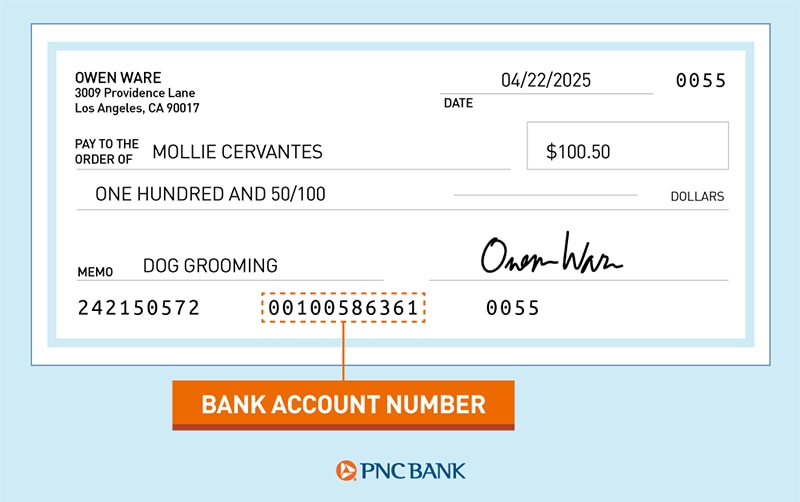
- Checking Your Checkbook: Perhaps the most iconic place to find your account number is on a physical check. Look at the bottom of a personalized check. You’ll typically see three sets of numbers printed in magnetic ink characters (MICR). From left to right, these are usually:
- The 9-digit routing number (identifies your bank).
- Your account number (varies in length, but typically 10-12 digits).
- The check number.
It’s crucial to distinguish your account number from the routing number. The account number is specifically tied to your individual account.
- Bank Statements (Paper Copies): Your monthly or quarterly bank statements are another excellent source. Whether mailed to your home or printed from an ATM, paper statements prominently display your full bank account number, usually near the top of the statement, alongside your name and address. These statements serve as official records of your account activity and details.
- Deposit Slips: If you use deposit slips, you’ll find your account number pre-printed on them, much like on your checks. This is a handy reference if you frequently make cash or check deposits and keep a few blank slips accessible.
- Account Opening Paperwork or Loan Documents: When you first opened your bank account, you would have received a welcome packet or an agreement detailing the terms and conditions. These documents almost always include your full account number. Similarly, if you have loans or credit lines with the same institution, associated paperwork might also reference your primary checking or savings account.
Online Banking Portals and Mobile Apps
In today’s digital age, your bank’s online platform or mobile application is often the most convenient and immediate way to access your account number. These tools are designed for self-service, putting critical financial information at your fingertips, provided you have secure access.
- Logging In Securely: The first step is to log into your online banking account via your bank’s official website or mobile app. Always ensure you are using a secure, private network and verifying the authenticity of the website (look for “https://” and a padlock icon). Never access your banking details over public Wi-Fi without a VPN.
- Navigating to Account Details/Summary: Once logged in, navigate to the “Accounts,” “Account Summary,” or “Account Details” section. Banks typically display a summary of all your accounts (checking, savings, credit cards, loans). Select the specific checking or savings account for which you need the number.
- Locating the Account Number: Within the account details, your account number will usually be listed. For security reasons, some banks might initially display only the last few digits and require you to click a button (e.g., “Show Full Account Number,” “Display Details”) or enter your password again to reveal the complete number. This two-step verification adds an extra layer of protection.
- Security Precautions for Digital Access: While convenient, digital access demands vigilance. Always use strong, unique passwords, enable two-factor authentication (2FA) if available, and regularly update your operating system and anti-virus software. Be wary of phishing attempts or suspicious links that try to mimic your bank’s login page.
Direct Contact with Your Financial Institution
Sometimes, physical documents are unavailable, and online access might be temporarily impossible (e.g., forgotten password, technical issues). In such scenarios, directly contacting your bank becomes the most reliable option. They are equipped to provide you with your account number after verifying your identity.
Calling Customer Service
Reaching out to your bank’s customer service department is a common and secure method to retrieve your account number. Be prepared for a thorough verification process.
- Verification Process: When you call, the representative will ask a series of security questions to confirm your identity. These typically include your full name, address, date of birth, social security number (or part of it), and possibly details about recent transactions or other accounts you hold with them. This is a critical step to prevent unauthorized access to your information.
- What to Expect: Have your personal identification details readily available before you call. Be prepared for potential hold times, especially during peak hours. Once your identity is verified, the representative can provide your account number. They might also be able to email you a statement or guide you through retrieving it online.
Visiting a Branch In-Person
For those who prefer face-to-face interaction or have more complex needs, visiting a local branch is an effective way to obtain your account number. This method offers the highest level of security and personalized assistance.
- Required Identification: To retrieve your account number at a branch, you will need to present valid government-issued photo identification, such as a driver’s license, passport, or state ID. Bringing your debit card or any other account-related document can also help streamline the process.
- Benefits of In-Person Assistance: Branch staff can quickly access your account information and print it out for you. This method is particularly useful if you have multiple accounts, haven’t accessed your online banking in a while, or need help with other banking services simultaneously.
Understanding Your Account Numbers and Their Importance
While finding your account number is the primary goal, it’s equally important to understand what it represents and how it interacts with other banking identifiers. Confusion between these numbers can lead to misdirected funds or delays in transactions.
Account Number vs. Routing Number
These two numbers are often found together, especially on checks, but they serve entirely different purposes.

- Account Number: This is a unique identifier assigned to your specific checking, savings, or other bank account. It tells the bank which account within its system the funds should go to or come from. It typically ranges from 10 to 12 digits, but can vary by institution.
- Routing Number: Also known as an ABA (American Bankers Association) number, this 9-digit number identifies your specific financial institution and its location. It tells other banks where to send money. Different types of transactions (e.g., ACH transfers vs. wire transfers) might use different routing numbers for the same bank. Most banks have multiple routing numbers for various regions or transaction types.
- Why Both are Needed: For most electronic transactions, such as direct deposits, electronic payments, and wire transfers, you’ll need both the routing number and your account number. The routing number ensures the money reaches the correct bank, and the account number ensures it’s deposited into your specific account within that bank.
The Significance of the MICR Line on Checks
The Magnetic Ink Character Recognition (MICR) line at the bottom of your checks is a marvel of banking technology, designed for fast and accurate processing.
- Breakdown of the Numbers: As mentioned earlier, this line typically contains three key pieces of information:
- Routing Number: The first set of numbers identifies your bank.
- Account Number: The middle set is your unique account identifier.
- Check Number: The last set is specific to that particular check, allowing you to track individual payments.
- How Banks Read Them: The numbers are printed in a special font using magnetic ink, allowing automated machines to read them quickly and accurately, even if the check is slightly damaged or smudged. This system is crucial for the efficient processing of millions of checks daily.
Best Practices for Account Number Security
Your bank account number is a sensitive piece of information that, in the wrong hands, can be exploited for fraudulent activities. Therefore, protecting it is paramount to your financial security.
Protecting Your Financial Information
Vigilance is key when it comes to safeguarding your account number.
- When to Share and When Not to Share: You will need to share your account number for legitimate purposes like setting up direct deposit, automatic bill payments, or wire transfers with trusted parties. However, never provide your account number (or any other sensitive financial details) in response to unsolicited emails, text messages, or phone calls, especially if they claim to be from your bank asking you to “verify” information. Banks rarely ask for full account numbers via email or phone.
- Beware of Phishing Scams: Phishing attempts try to trick you into revealing personal information. Always scrutinize emails and messages for grammatical errors, generic greetings, and suspicious links. If in doubt, contact your bank directly using a verified phone number or website, not one provided in the suspicious communication.
- Secure Storage of Documents: Store physical bank statements, checkbooks, and account opening paperwork in a secure, private location. When disposing of old documents, always shred them thoroughly to prevent identity theft. For digital documents, use strong, unique passwords for any encrypted files or cloud storage, and never store sensitive information on easily accessible public devices.
Regularly Monitoring Your Accounts
Proactive monitoring is your best defense against unauthorized use of your account number.
- Checking Statements for Suspicious Activity: Regularly review your bank statements (both paper and digital) for any transactions you don’t recognize. Even small, seemingly insignificant charges could indicate a breach.
- Setting Up Alerts: Most banks offer free alert services that notify you via email or text message about specific account activities, such as large withdrawals, low balances, or suspicious login attempts. Customize these alerts to fit your needs and provide an early warning system.
Troubleshooting Common Issues
Even with all the knowledge, you might encounter situations that make finding your account number challenging. Here’s how to navigate those hurdles.
When You Can’t Access Online Banking
- Password Reset: The most common issue is a forgotten password. Most banks have a clear “Forgot Password” or “Reset Password” option on their login page. Be prepared to answer security questions or use two-factor authentication to verify your identity.
- Contacting Support: If you’re completely locked out or experiencing technical difficulties, refer to the “Direct Contact” section above. Customer service or a branch visit will be your best recourse.
What If You Don’t Have Physical Documents?
- If you’ve gone paperless or simply can’t find your documents, don’t panic. Your primary options will be logging into your online banking or contacting your financial institution directly via phone or in-person. Banks are set up to handle these common scenarios.
Dealing with Lost or Stolen Information
- Immediate Steps: If you suspect your bank account number or other sensitive information has been compromised (e.g., a lost wallet with checks, a data breach), contact your bank immediately. They can flag your account, monitor for suspicious activity, and advise on further steps, which might include changing your account number or issuing new checks. You should also change passwords for all linked financial accounts and consider placing a fraud alert on your credit report.

Conclusion
Knowing how to find your bank account number is a foundational element of sound personal finance. While it might seem like a trivial detail, its importance in managing your money, setting up essential services, and conducting various transactions cannot be overstated. By familiarizing yourself with the different access points – from your trusty checkbook and bank statements to secure online portals and direct contact with your financial institution – you ensure that you are always prepared.
More importantly, integrating this knowledge with robust security practices is non-negotiable. Protecting your account number from unauthorized access is paramount to preventing fraud and maintaining your financial well-being. Regular monitoring, vigilance against scams, and responsible storage of your financial details are not merely suggestions but essential habits for navigating the modern financial landscape securely. Empower yourself by mastering these simple yet critical skills, making your financial life smoother, safer, and more controlled.
aViewFromTheCave is a participant in the Amazon Services LLC Associates Program, an affiliate advertising program designed to provide a means for sites to earn advertising fees by advertising and linking to Amazon.com. Amazon, the Amazon logo, AmazonSupply, and the AmazonSupply logo are trademarks of Amazon.com, Inc. or its affiliates. As an Amazon Associate we earn affiliate commissions from qualifying purchases.