
In an era defined by economic volatility, rapid technological shifts, and an ever-present temptation for instant gratification, the question “how can we save?” has never been more pertinent. It echoes in the minds of individuals navigating rising living costs, families planning for their children’s futures, and aspiring entrepreneurs dreaming of launching their ventures. Saving is not merely about accumulating a sum of money; it’s about building resilience, achieving dreams, and securing a future free from financial anxieties. It’s the bedrock of personal finance, a testament to discipline, and the gateway to genuine independence. This article delves into actionable strategies, modern tools, and enduring principles that empower everyone to answer this critical question effectively, transforming abstract desires into tangible financial security.
The Imperative of Saving: Why Now More Than Ever?
The concept of saving has always been fundamental, yet its importance has amplified in the contemporary landscape. We live in a world where economic stability can feel like a fleeting illusion, where unexpected events – from health crises to job losses – can derail even the most carefully laid plans. Saving acts as a vital buffer, a protective shield against the unforeseen, and a launchpad for aspirations that transcend daily expenditures.
Understanding the Modern Economic Landscape
Inflationary pressures, fluctuating interest rates, and global market uncertainties are constant reminders of the need for financial preparedness. Relying solely on current income is a precarious strategy. A robust savings habit provides the flexibility to absorb economic shocks without succumbing to debt or compromising long-term goals. It means having the freedom to choose, rather than being dictated by immediate financial pressures. In an age where traditional pension plans are less common and social safety nets may be strained, personal saving has shifted from a good practice to an absolute necessity. It empowers individuals to take control of their financial destiny, rather than leaving it to chance or external forces.
The Peace of Mind Dividend
Beyond the purely practical implications, saving offers an invaluable psychological benefit: peace of mind. Knowing that you have a financial cushion can significantly reduce stress and anxiety related to money. It allows for better decision-making, as choices are not made out of desperation but from a position of strength and thoughtful consideration. This mental clarity can positively impact all areas of life, from relationships to career performance. The quiet confidence that comes from financial security is a dividend far more valuable than any interest rate. It frees up mental bandwidth to focus on personal growth, relationships, and meaningful pursuits, knowing that a financial safety net is always there.
Fueling Future Aspirations
Saving isn’t just about protection; it’s about progression. Whether your ambition is to own a home, fund higher education, start a business, travel the world, or retire comfortably, these significant life goals almost invariably require substantial capital. Consistent saving transforms abstract desires into achievable realities. It provides the necessary capital to seize opportunities as they arise, from a promising investment to an unexpected educational program. Without a deliberate saving strategy, these aspirations often remain just dreams, perpetually out of reach. Saving is therefore an act of self-investment, a commitment to your future self and the life you envision.
Mastering the Fundamentals: Building a Strong Financial Foundation
Before one can strategize about investing or advanced wealth accumulation, a solid foundation of basic financial habits is essential. These fundamentals are the building blocks upon which all future financial success rests. Neglecting them is akin to building a house on sand.
The Cornerstone: Budgeting Like a Pro
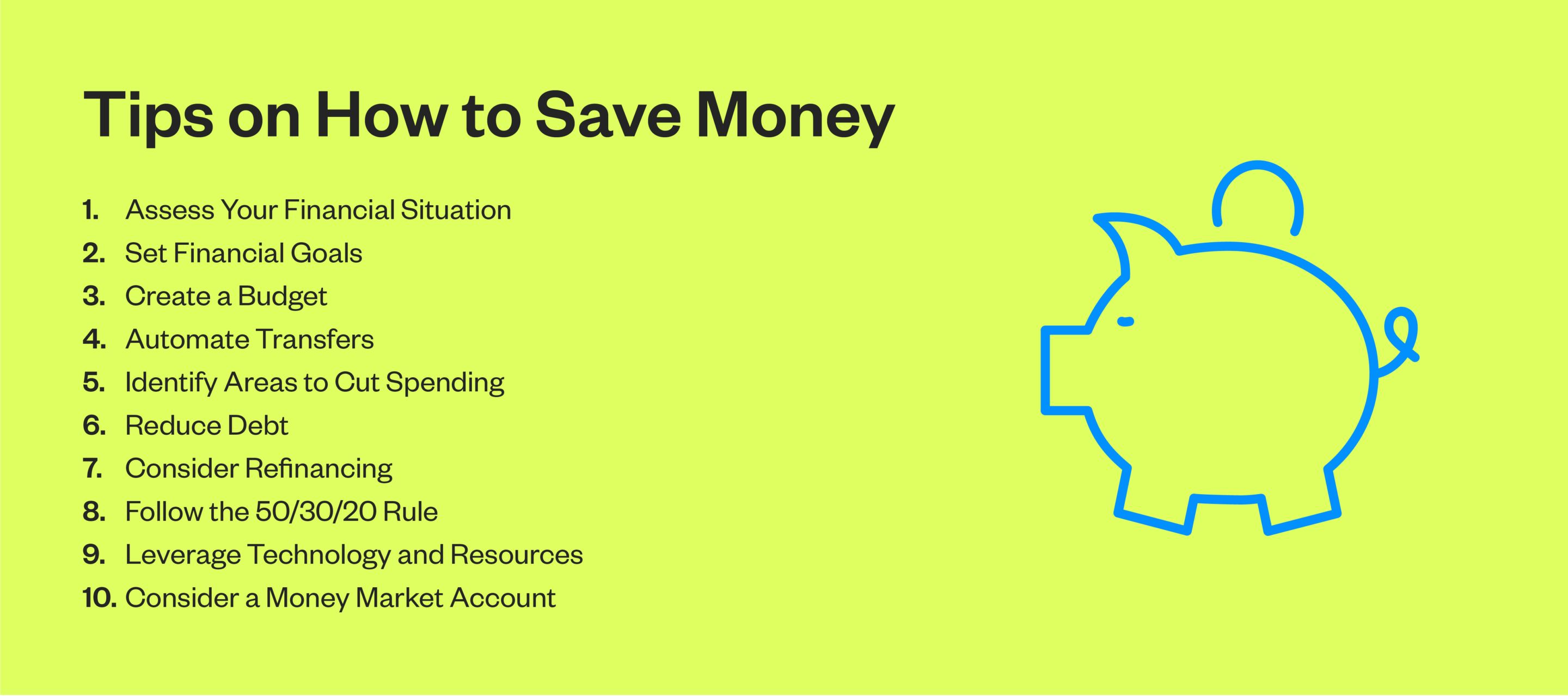
Budgeting is not about restriction; it’s about awareness and control. A budget is simply a plan for your money, ensuring that your income covers your expenses and allows for savings and investments. Start by tracking every dollar you earn and every dollar you spend for a month. Categorize these expenses (housing, food, transport, entertainment, etc.). Once you have a clear picture, you can identify areas where you can cut back or reallocate funds. Popular budgeting methods include the 50/30/20 rule (50% for needs, 30% for wants, 20% for savings/debt repayment) or zero-based budgeting, where every dollar is assigned a job. The key is to find a system that works for you and to stick with it consistently. A budget transforms vague intentions into concrete actions.
Building Your Emergency Safety Net
An emergency fund is arguably the most critical component of financial security. This is a dedicated pool of easily accessible cash, separate from your regular checking account, intended solely for unexpected expenses like medical emergencies, car repairs, or job loss. Financial experts generally recommend having at least three to six months’ worth of essential living expenses saved in a high-yield savings account. This fund prevents you from dipping into investments or resorting to high-interest debt when life throws a curveball, thereby preserving your long-term financial strategy. Prioritize building this fund before focusing on other savings goals.
Tackling High-Interest Debt
High-interest debt, such as credit card balances, can be a significant impediment to saving. The interest payments effectively siphon away money that could otherwise be saved or invested. Prioritizing the repayment of these debts is a crucial step in freeing up cash flow for saving. Strategies like the “debt snowball” (paying off the smallest debt first for psychological wins) or the “debt avalanche” (paying off the highest interest rate debt first for mathematical efficiency) can be highly effective. Eliminating high-interest debt is equivalent to an immediate, guaranteed return on your money, making it a powerful savings accelerant.
Strategic Savings: Beyond the Basics
Once the fundamentals are in place, it’s time to elevate your saving strategy. This involves moving beyond mere accumulation to intelligent allocation and active growth. These strategies focus on maximizing returns and minimizing unnecessary expenditures.

The Power of Investing Early and Consistently
Saving is a good start, but investing makes your money work harder for you. The principle of compound interest is a powerful ally; money invested early has more time to grow, often exponentially. Even small, consistent contributions over a long period can accumulate into substantial wealth. Start with low-cost index funds or ETFs if you’re new to investing, as they offer diversification with minimal effort. The key is to begin early, invest regularly (even small amounts), and resist the temptation to time the market. Time in the market beats timing the market.
Diversifying Your Investment Portfolio
While starting with simple investments is wise, as your financial literacy grows, consider diversifying your portfolio. This involves spreading your investments across different asset classes (stocks, bonds, real estate, commodities) and geographies to mitigate risk. A diversified portfolio is less susceptible to the volatility of any single asset class, providing a more stable path to long-term growth. Consult with a financial advisor to tailor a diversification strategy that aligns with your risk tolerance and financial goals.
Maximizing Retirement Accounts
Retirement accounts like 401(k)s (in the US) or IRAs offer significant tax advantages that supercharge your savings. Many employers offer matching contributions to 401(k)s, which is essentially free money – always contribute at least enough to get the full match. Roth IRAs offer tax-free withdrawals in retirement, while traditional IRAs offer tax deductions upfront. Understanding and utilizing these vehicles is critical for building a substantial nest egg for your later years. These accounts are specifically designed to encourage and reward long-term saving.
Smart Spending and Frugal Living
Saving isn’t just about earning more; it’s also about spending less wisely. This doesn’t mean deprivation, but rather conscious consumption. Look for opportunities to reduce recurring expenses: negotiate bills (internet, insurance), meal plan to reduce food waste, seek out free entertainment options, and critically evaluate subscriptions you rarely use. Embrace the idea of “value over volume.” Before making a purchase, ask yourself: Is this a want or a need? Can I get a similar benefit for less? Small adjustments in daily spending can free up significant funds for saving and investing over time.
Leveraging Modern Tools and Mindsets for Enhanced Savings
The digital age has brought forth an array of tools and a shift in perspective that can dramatically enhance our ability to save. From automated apps to new income streams, technology and evolving mindsets are powerful allies.
Harnessing Financial Apps and Automation
Modern technology has made saving easier and more intuitive than ever before. Numerous budgeting apps (e.g., Mint, YNAB) can track spending, categorize transactions, and provide visual insights into your financial health. Beyond tracking, automation is a game-changer. Set up automatic transfers from your checking account to your savings and investment accounts on payday. “Pay yourself first” ensures that saving is prioritized before other expenses. Micro-investing apps (e.g., Acorns, Stash) round up your purchases to the nearest dollar and invest the difference, making saving almost imperceptible. These tools remove the friction and discipline required for manual saving.
Exploring Online Income and Side Hustles
In addition to optimizing expenses, consider increasing your income. The digital economy offers unprecedented opportunities for side hustles and online income generation. Whether it’s freelancing your skills (writing, design, coding), selling products online (e-commerce, dropshipping), teaching virtual classes, or participating in the gig economy (delivery services, ridesharing), these additional income streams can significantly boost your saving capacity. Even a few hundred extra dollars a month, when consistently saved or invested, can make a profound difference over time.
The Psychology of Saving: Overcoming Behavioral Biases
Saving is often more about psychology than pure mathematics. We are prone to behavioral biases that can undermine our best intentions, such as instant gratification, loss aversion, and anchoring bias. Understanding these tendencies can help us develop strategies to counteract them. For instance, framing saving as an act of freedom rather than deprivation can shift your perspective. Setting clear, tangible goals (e.g., “save $5,000 for a down payment” instead of “save more money”) makes the process more motivating. Creating friction for spending (e.g., putting a 24-hour waiting period on non-essential purchases) can curb impulsive decisions.
Cultivating a Sustainable Saving Culture: Long-Term Wealth Building
True financial security isn’t achieved overnight; it’s the result of consistent effort, continuous learning, and adapting to life’s changes. Cultivating a sustainable saving culture means embedding these practices into your lifestyle for the long haul.
Regular Financial Review and Adjustment
Your financial life is dynamic, not static. Life changes—new jobs, family additions, economic shifts—will necessitate adjustments to your budget and saving strategy. Schedule regular financial reviews, perhaps quarterly or annually, to assess your progress, recalibrate your goals, and make necessary modifications. Are you still on track for retirement? Does your emergency fund need topping up? Is your investment portfolio still aligned with your risk tolerance? Regular reviews ensure your financial plan remains relevant and effective.
Educating Yourself Continuously
The world of finance is constantly evolving. Staying informed about new investment opportunities, tax laws, economic trends, and personal finance best practices is crucial. Read books, follow reputable financial news sources, listen to podcasts, and engage with financial communities. The more knowledgeable you become, the better equipped you will be to make informed decisions that benefit your financial health. Financial literacy is not a one-time achievement but a lifelong journey.
The Legacy of Financial Prudence
Finally, consider the broader impact of your saving habits. Financial prudence creates a legacy not just for yourself but also for your family and future generations. It provides stability, offers opportunities for loved ones, and can instill valuable financial lessons in children. By demonstrating responsible financial behavior, you can influence those around you, fostering a culture of saving and smart money management that extends beyond your own balance sheet. Your efforts to save today can truly shape a more secure tomorrow for many.
In conclusion, “how can we save” is a question that leads to a journey of self-discovery, discipline, and empowerment. By understanding the imperative, mastering the fundamentals, employing strategic approaches, leveraging modern tools, and cultivating a sustainable financial culture, anyone can build a robust framework for financial security. It requires commitment and consistency, but the rewards – peace of mind, achieved aspirations, and true independence – are immeasurable. Start today, even with small steps, and watch as your financial future transforms.
aViewFromTheCave is a participant in the Amazon Services LLC Associates Program, an affiliate advertising program designed to provide a means for sites to earn advertising fees by advertising and linking to Amazon.com. Amazon, the Amazon logo, AmazonSupply, and the AmazonSupply logo are trademarks of Amazon.com, Inc. or its affiliates. As an Amazon Associate we earn affiliate commissions from qualifying purchases.