
Sustainable business growth isn’t a stroke of luck; it’s the meticulous outcome of deliberate strategy, relentless execution, and a deep understanding of your market and customers. In today’s dynamic commercial landscape, the businesses that thrive are those that master the art of branding and marketing—not as mere departments, but as the very heartbeat of their growth engine. This article will delve into the core tenets of brand strategy and marketing, providing actionable insights to elevate your business from its current state to new frontiers of expansion and influence.
Crafting an Irresistible Brand Foundation for Sustainable Growth
Before any growth strategy can take root, a solid brand foundation must be laid. This isn’t just about a logo; it’s about the very essence of your business, its promise, and its personality. A strong brand resonates, differentiates, and builds an enduring connection with its audience, paving the way for organic and sustained growth.
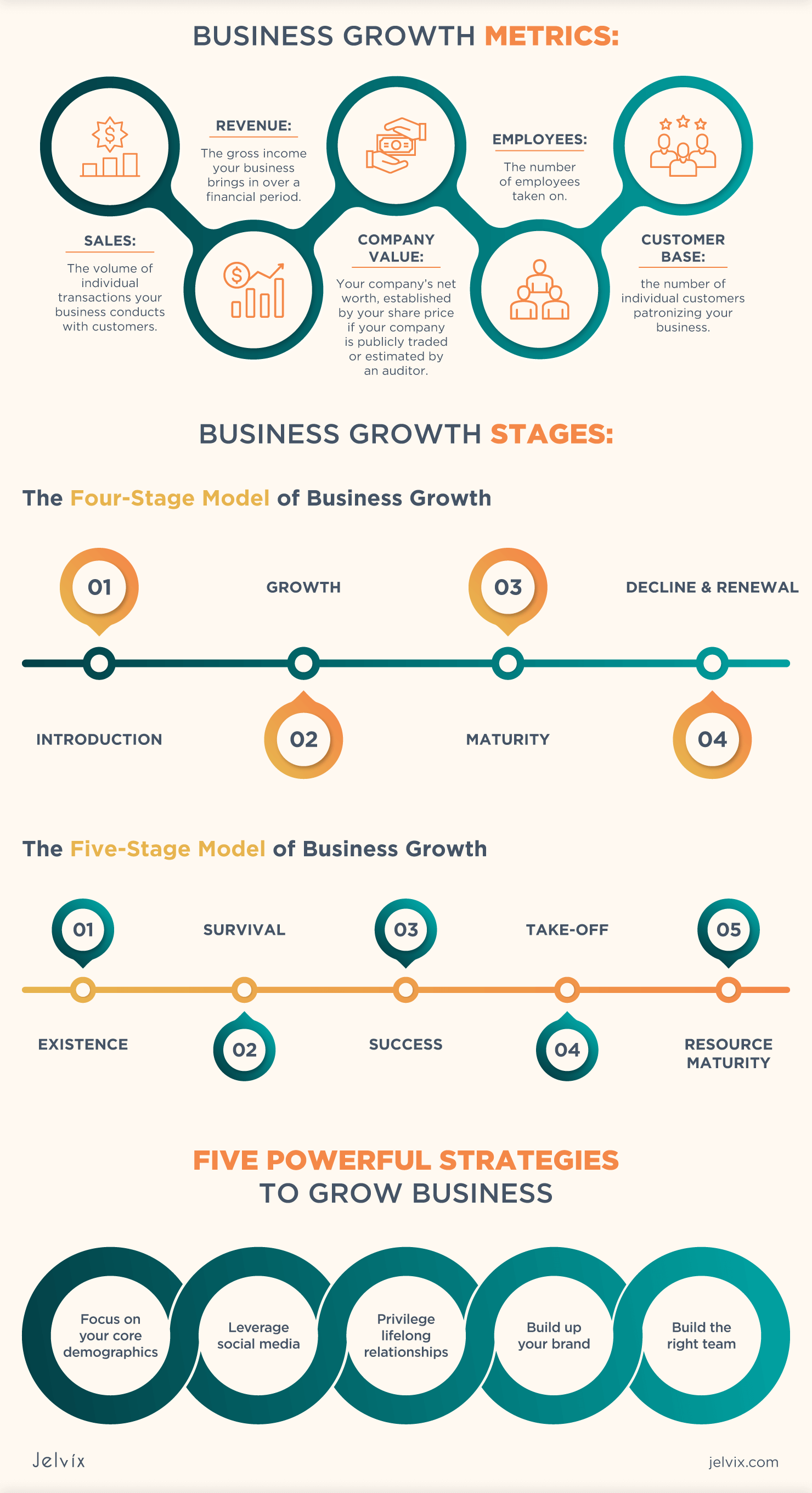
Defining Your Unique Value Proposition (UVP) and Brand Story
At the heart of every successful brand lies a compelling Unique Value Proposition (UVP). This is the crystal-clear statement that articulates what makes your business unique, what problem it solves, and what specific benefits it offers that competitors don’t. It’s not just a list of features but a promise of transformation. Complementing your UVP is your brand story—the narrative that humanizes your business, explaining its origins, values, and mission. A well-told story evokes emotion, fosters connection, and makes your brand memorable, transforming it from a mere product or service provider into a relatable entity that people want to engage with. This foundational narrative forms the bedrock of all subsequent marketing efforts, ensuring consistency and authenticity.
Understanding and Segmenting Your Target Audience
You cannot grow your business effectively without a profound understanding of who you are trying to reach. Growth stems from serving your ideal customers exceptionally well. This requires meticulous research into demographics, psychographics, behaviors, pain points, and aspirations. Beyond understanding, effective growth demands segmentation—dividing your broader market into distinct groups with shared characteristics. By creating detailed buyer personas, you can tailor your marketing messages, product development, and brand communication to resonate deeply with each segment. This precision targeting ensures that your marketing spend is optimized, your messages are impactful, and your efforts are directed towards those most likely to convert and become loyal customers.
Developing a Cohesive Brand Identity and Voice
A cohesive brand identity is the visual and verbal manifestation of your brand’s essence. It encompasses your logo, color palette, typography, imagery, and overall aesthetic. Beyond visuals, it includes your brand’s voice—the consistent tone, style, and language used across all communications. Whether it’s authoritative, playful, empathetic, or innovative, your voice must align with your brand personality and resonate with your target audience. Consistency across all touchpoints—from your website and social media to packaging and customer service interactions—is paramount. A strong, consistent identity builds recognition, fosters trust, and differentiates your business in a crowded marketplace, making it easier for customers to recall and choose you.
Unleashing the Power of Digital Marketing for Exponential Reach
In the digital age, marketing is no longer about simply pushing messages; it’s about creating valuable interactions and building relationships at scale. Digital marketing strategies provide the tools to reach, engage, and convert a vast audience, driving significant business growth.
Content Marketing: Educate, Engage, Convert
Content marketing is a strategic approach focused on creating and distributing valuable, relevant, and consistent content to attract and retain a clearly defined audience—and, ultimately, to drive profitable customer action. This includes blog posts, articles, videos, infographics, podcasts, and whitepapers. By providing useful information, solving customer problems, or entertaining your audience, you establish your brand as an authority and a trusted resource. High-quality content not only attracts new prospects but also nurtures existing leads, builds brand loyalty, and fuels search engine optimization (SEO) efforts, creating a continuous loop of engagement and conversion that is essential for long-term growth.
SEO & SEM: Enhancing Online Visibility and Attracting Ideal Customers
Search Engine Optimization (SEO) and Search Engine Marketing (SEM) are critical for ensuring your business is visible when potential customers are actively searching for solutions. SEO involves optimizing your website content and technical structure to rank higher in organic (unpaid) search results. This includes keyword research, on-page optimization, link building, and ensuring a fast, mobile-friendly website. SEM, on the other hand, involves paid advertising strategies, primarily through platforms like Google Ads, to appear at the top of search results. Both SEO and SEM are powerful tools for driving targeted traffic to your site. By capturing users at the moment of intent, you significantly increase your chances of attracting qualified leads and accelerating your growth trajectory.
Social Media Engagement: Building Community and Brand Advocacy
Social media platforms are more than just broadcasting channels; they are vibrant communities where your brand can connect directly with its audience, foster relationships, and build a loyal following. Effective social media marketing involves understanding which platforms your target audience uses most, tailoring your content to each platform’s unique dynamics, and actively engaging in conversations. Beyond promotional posts, focus on creating valuable content, running interactive campaigns, and providing excellent customer service. By fostering a sense of community, you transform passive followers into active advocates who are eager to share your brand with their networks, amplifying your reach and credibility organically.
Email Marketing: Nurturing Relationships and Driving Conversions
Email marketing remains one of the most effective digital marketing channels for cultivating leads, nurturing customer relationships, and driving repeat business. Unlike the transient nature of social media, email allows for direct, personalized communication. Strategies include building segmented email lists, creating targeted campaigns (e.g., welcome series, product updates, promotional offers, abandoned cart reminders), and leveraging automation to deliver timely and relevant messages. By consistently providing value and personalization, email marketing builds trust, reinforces brand loyalty, and guides subscribers through the sales funnel, proving to be an invaluable tool for sustained customer engagement and growth.
Fostering Customer Loyalty and Advocacy: Your Growth Multipliers
Acquiring new customers is important for growth, but retaining and delighting existing ones is often more cost-effective and creates a powerful engine for exponential expansion. Loyal customers become your most potent marketers.
Delivering Exceptional Customer Experience (CX) to Build Trust

In an increasingly competitive market, customer experience (CX) has emerged as a primary differentiator. It encompasses every interaction a customer has with your brand, from initial awareness to post-purchase support. Delivering an exceptional CX means understanding customer needs, anticipating their desires, and consistently exceeding their expectations. This involves user-friendly interfaces, responsive support, personalized interactions, and proactive problem-solving. A positive CX not only fosters loyalty and repeat business but also generates positive word-of-mouth, which is arguably the most credible and influential form of marketing. Trust, once earned through consistent positive experiences, becomes a cornerstone of sustainable growth.
Reputation Management and Brand Perception
Your brand’s reputation is a fragile yet invaluable asset. In the digital age, public perception can be shaped instantly by online reviews, social media comments, and news coverage. Effective reputation management involves actively monitoring what is being said about your brand online, responding promptly and professionally to feedback (both positive and negative), and proactively cultivating a positive public image. Encouraging satisfied customers to leave reviews, sharing testimonials, and addressing concerns transparently can transform potential crises into opportunities to demonstrate your brand’s commitment to customer satisfaction. A strong, positive reputation enhances credibility, attracts new customers, and safeguards your brand’s growth trajectory.
Cultivating Brand Ambassadors Through Loyalty and Referral Programs
Your most loyal customers are your greatest asset. They are not just buyers; they are potential brand ambassadors who can advocate for your business with unparalleled authenticity. Implementing structured loyalty programs (e.g., points systems, tiered rewards, exclusive access) can incentivize repeat purchases and deeper engagement. Furthermore, robust referral programs that reward both the referrer and the new customer can turn your satisfied clients into active promoters. By empowering these brand champions, you tap into powerful organic marketing channels, expanding your reach and credibility through trusted peer recommendations, which are often far more effective than traditional advertising.
Strategic Expansion and Market Innovation for New Horizons
Growth often means looking beyond your current offerings and market segments. Strategic expansion and continuous innovation are vital for long-term viability and for unlocking new revenue streams.
Product/Service Diversification Aligned with Brand Values
One potent avenue for business growth is the strategic diversification of your product or service offerings. This doesn’t mean simply adding unrelated items; it means expanding in ways that are complementary to your existing offerings, aligned with your core brand values, and genuinely address evolving customer needs or new market opportunities. Before launching new products or services, conduct thorough market research to ensure there is a genuine demand and that the new offering enhances, rather than dilutes, your brand’s established identity and reputation. Smart diversification can deepen customer engagement, increase customer lifetime value, and unlock significant new revenue streams.
Identifying and Penetrating New Market Segments
While perfecting your approach to your core audience is crucial, growth often comes from identifying and successfully penetrating new market segments. This could involve targeting different demographics, venturing into new geographic regions, or adapting your existing offerings to serve a previously underserved niche. Market research is again indispensable here, helping you understand the unique needs, cultural nuances, and competitive landscapes of these new segments. A tailored entry strategy, carefully crafted marketing messages, and sometimes even localized branding efforts are essential to effectively introduce your business and gain traction in these new territories.
Differentiating Your Brand in a Competitive Landscape
In any growing market, competition is inevitable. Sustainable growth requires a clear and compelling differentiation strategy. This goes beyond just features or price; it’s about defining what makes your brand uniquely superior or uniquely appealing in the eyes of your target audience. Differentiation can stem from superior customer service, an innovative business model, a niche focus, a strong ethical stance, a unique brand personality, or an unparalleled user experience. By clearly articulating and consistently delivering on your points of differentiation, you create a distinct space in the market, making your brand the preferred choice and insulating it from direct price-based competition.
Measuring Brand and Marketing Performance for Continuous Optimization
Growth is not a one-time achievement but a continuous journey of improvement. To ensure your efforts are effective and resources are optimized, it’s crucial to measure, analyze, and adapt your brand and marketing strategies.
Key Metrics for Tracking Brand Health and Marketing Effectiveness
To truly understand how your business is growing through branding and marketing, you must identify and regularly track key performance indicators (KPIs). For brand health, this might include brand awareness (e.g., website traffic, social media reach, brand mentions), brand sentiment (e.g., review scores, social media engagement rates), and customer loyalty (e.g., repeat purchase rate, customer lifetime value). For marketing effectiveness, critical metrics include lead generation volume, conversion rates at various stages of the funnel, cost per acquisition (CPA), return on ad spend (ROAS), and website engagement metrics (e.g., bounce rate, time on page). A dashboard of these KPIs provides a clear picture of what’s working and what needs refinement.
Data-Driven Insights and A/B Testing for Campaign Refinement
Simply tracking metrics isn’t enough; the real power lies in extracting actionable insights from the data. Regular analysis allows you to identify trends, understand customer behavior patterns, and pinpoint areas for improvement. A/B testing (or split testing) is a critical methodology in this regard, allowing you to test variations of marketing elements—such as ad copy, email subject lines, landing page layouts, or calls to action—to determine which versions perform best. This data-driven approach removes guesswork, enabling you to continuously optimize your campaigns, improve efficiency, and maximize your return on marketing investment.
Adapting Brand Strategy to Evolving Market Dynamics
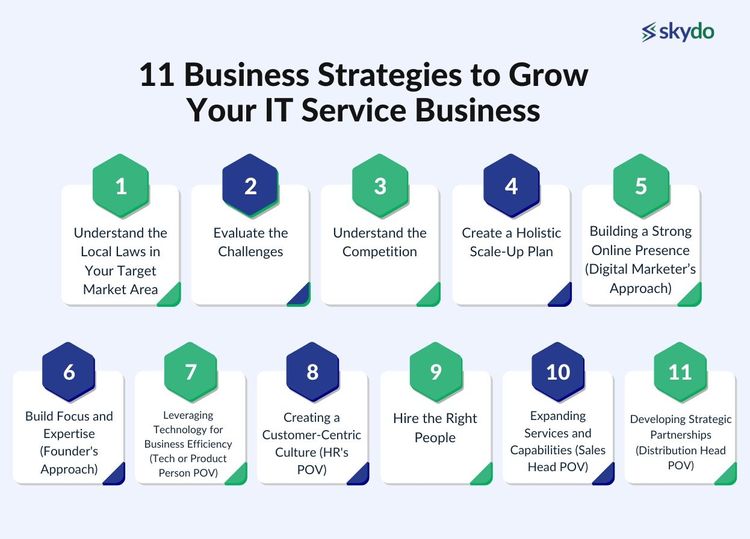
The business landscape is in constant flux, influenced by technological advancements, shifts in consumer behavior, emerging competitors, and global events. A truly growing business is one that remains agile and adaptable. This means continuously monitoring market trends, conducting competitor analysis, soliciting customer feedback, and being prepared to pivot your brand and marketing strategies when necessary. Maintaining flexibility, fostering a culture of innovation, and regularly reviewing your brand’s relevance ensure that your growth strategies remain potent and effective, securing your place in the future market.
Growing your business is an intricate and rewarding endeavor that demands strategic foresight, consistent effort, and a deep-seated commitment to your brand and your customers. By meticulously crafting an irresistible brand foundation, leveraging the expansive reach of digital marketing, cultivating unwavering customer loyalty, and embracing strategic innovation, your business can unlock new levels of growth and achieve lasting success. It’s a journey of continuous learning and adaptation, where a strong brand isn’t just an asset—it’s the very engine of your expansion.
aViewFromTheCave is a participant in the Amazon Services LLC Associates Program, an affiliate advertising program designed to provide a means for sites to earn advertising fees by advertising and linking to Amazon.com. Amazon, the Amazon logo, AmazonSupply, and the AmazonSupply logo are trademarks of Amazon.com, Inc. or its affiliates. As an Amazon Associate we earn affiliate commissions from qualifying purchases.