
The dream of owning a home is a cornerstone of financial aspiration for many, representing stability, a personal sanctuary, and often a significant long-term investment. However, turning this dream into reality invariably involves navigating the complex world of home loans. For most, securing a mortgage is the single largest financial transaction they will undertake, making a clear understanding of the process not just beneficial, but absolutely essential. From deciphering loan types to meticulously preparing your financial profile, the journey to obtaining a home loan can feel daunting. This guide aims to demystify the process, offering a professional, insightful, and engaging roadmap to help you secure the ideal home loan for your unique circumstances, paving your way to successful homeownership.
Laying the Foundation: Understanding Home Loans and Eligibility
Before embarking on the home loan application journey, it’s crucial to equip yourself with foundational knowledge. Understanding the various types of loans available and precisely what lenders look for will empower you to make informed decisions and better prepare your application.
Decoding Home Loan Types
The mortgage market offers a diverse array of loan products, each with its own structure, eligibility criteria, and benefits. Your choice will significantly impact your monthly payments, interest accrued, and overall financial commitment.
- Conventional Loans: These are the most common type of mortgage, not insured or guaranteed by a government agency. They often require a higher credit score and a down payment of at least 3% (though 20% can help avoid Private Mortgage Insurance – PMI).
- Fixed-Rate Mortgages: The interest rate remains constant throughout the loan term, providing predictable monthly payments. This stability is excellent for long-term financial planning.
- Adjustable-Rate Mortgages (ARMs): The interest rate is fixed for an initial period (e.g., 3, 5, 7, or 10 years) and then adjusts periodically based on a chosen index. ARMs can offer lower initial payments but introduce rate uncertainty later on.
- Government-Backed Loans: Designed to make homeownership more accessible, these loans come with specific benefits and eligibility requirements.
- FHA Loans: Insured by the Federal Housing Administration, these loans are popular for first-time homebuyers and those with lower credit scores. They typically require a smaller down payment (as low as 3.5%) but mandate mortgage insurance premiums (MIP) for the life of the loan or until specific conditions are met.
- VA Loans: Guaranteed by the Department of Veterans Affairs, these are available to eligible service members, veterans, and their surviving spouses. They offer significant benefits, including no down payment requirements and no private mortgage insurance.
- USDA Loans: Backed by the U.S. Department of Agriculture, these loans are designed for low-to-moderate-income buyers in eligible rural and suburban areas. They often require no down payment and offer competitive interest rates.
- Jumbo Loans: For properties that exceed the conventional loan limits set by the Federal Housing Finance Agency (FHFA), jumbo loans are necessary. They are considered riskier for lenders and typically require higher credit scores, larger down payments, and more substantial financial reserves.
What Lenders Look For: The “Five C’s” of Credit
Lenders assess your suitability for a home loan using a set of criteria often summarized as the “Five C’s” of credit. Understanding these will help you gauge your readiness and identify areas for improvement.
- Credit History: Your credit score (e.g., FICO score) and credit report are paramount. Lenders want to see a history of responsible borrowing, timely payments, and manageable debt. A higher score signifies lower risk.
- Capacity: This refers to your ability to repay the loan. Lenders evaluate your debt-to-income (DTI) ratio, which compares your total monthly debt payments to your gross monthly income. A lower DTI (typically below 43%) indicates you have sufficient income to handle new mortgage payments. They also look for stable employment history.
- Capital: This includes your down payment and any cash reserves you have. A larger down payment reduces the loan amount and the lender’s risk, potentially leading to better interest rates. Reserves demonstrate your ability to cover payments in case of unexpected financial setbacks.
- Collateral: The home you wish to purchase serves as collateral for the loan. Lenders will appraise the property to ensure its value adequately supports the loan amount. They want to ensure that if you default, the sale of the property can cover the outstanding debt.
- Conditions: Economic conditions, interest rate trends, and the specific terms of the loan (e.g., fixed vs. adjustable rate) all play a role. Lenders assess these broader conditions to determine the overall risk of lending.
Pre-Approval: Your Strategic First Step
Before you even start house hunting, obtaining a mortgage pre-approval is a critical move. This isn’t just a casual estimate; it’s a formal commitment from a lender, contingent on the property appraisal and no significant changes to your financial status.
- Pre-qualification vs. Pre-approval: Pre-qualification is a quick estimate based on self-reported financial information. Pre-approval involves a thorough review of your credit, income, and assets, providing a definitive maximum loan amount you qualify for.
- Benefits of Pre-Approval: It gives you a clear budget, shows sellers you are a serious and qualified buyer (giving you an advantage in competitive markets), and streamlines the later stages of the loan process.
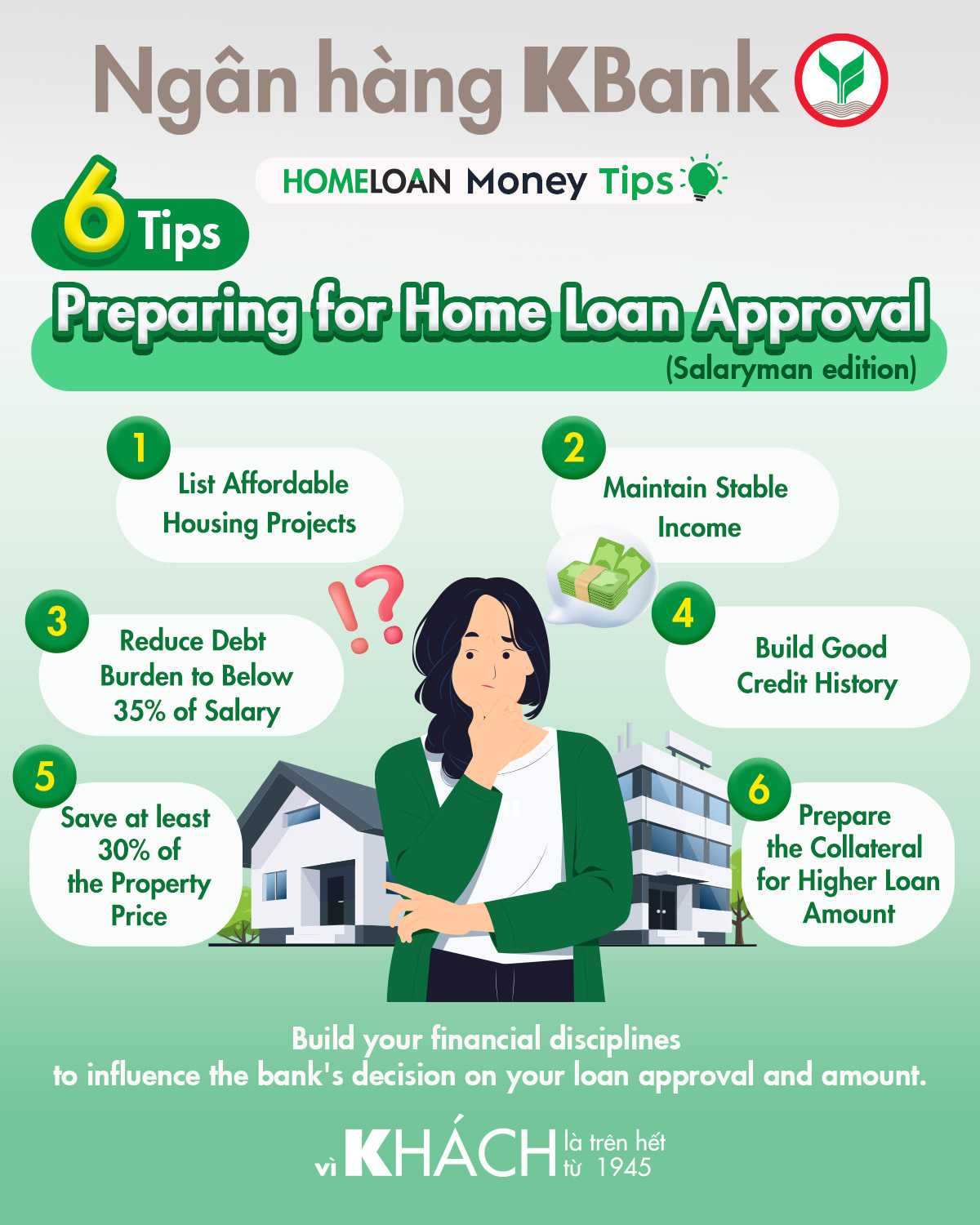
Preparing Your Financial Profile for Success
Securing a home loan is largely about presenting yourself as a low-risk borrower. This requires proactive financial management and meticulous organization of your documents.
Optimizing Your Credit Score
Your credit score is a crucial gatekeeper for favorable loan terms. Investing time in improving it can save you thousands of dollars over the life of your loan.
- Check Your Credit Reports: Obtain free copies of your credit reports from all three major bureaus (Experian, Equifax, TransUnion) via AnnualCreditReport.com. Dispute any errors or inaccuracies immediately.
- Pay Bills on Time: Payment history is the biggest factor in your credit score. Set up reminders or automatic payments to ensure no missed deadlines.
- Reduce Existing Debt: Lowering your credit utilization ratio (the amount of credit you’re using compared to your total available credit) can significantly boost your score. Pay down credit card balances and other revolving debts.
- Avoid New Credit Applications: Opening new lines of credit before applying for a mortgage can temporarily lower your score and signal increased risk to lenders.
Building a Strong Financial Picture
Beyond your credit score, lenders assess your overall financial health and stability.
- Saving for a Down Payment: While low-down-payment options exist, a larger down payment (ideally 20% or more) can result in lower monthly payments, less interest paid over time, and the avoidance of PMI. Create a dedicated savings plan and stick to it.
- Accumulating Cash Reserves: Lenders often like to see several months’ worth of mortgage payments (PITI: Principal, Interest, Taxes, Insurance) in your savings after your down payment and closing costs. These reserves demonstrate your ability to weather unexpected financial challenges.
- Managing Debt Effectively: Keep your debt-to-income ratio in check. If possible, pay off smaller debts or consolidate high-interest debt to free up cash flow and improve your DTI. Avoid making large purchases on credit before applying for your loan.
Gathering Essential Documentation
Once you’re ready to apply, having your documents organized will make the process smoother and faster. Expect to provide:
- Income Verification: Recent pay stubs (typically 30-60 days), W-2 forms (past two years), and if self-employed, tax returns (past two years) and profit & loss statements.
- Asset Verification: Bank statements (past two-three months) for checking, savings, and investment accounts to prove funds for the down payment and reserves.
- Identification: Government-issued photo ID (driver’s license, passport).
- Other Potential Documents: Renting history, explanation letters for credit inquiries or employment gaps, and divorce decrees (if applicable).
The Home Loan Application Journey: A Step-by-Step Process
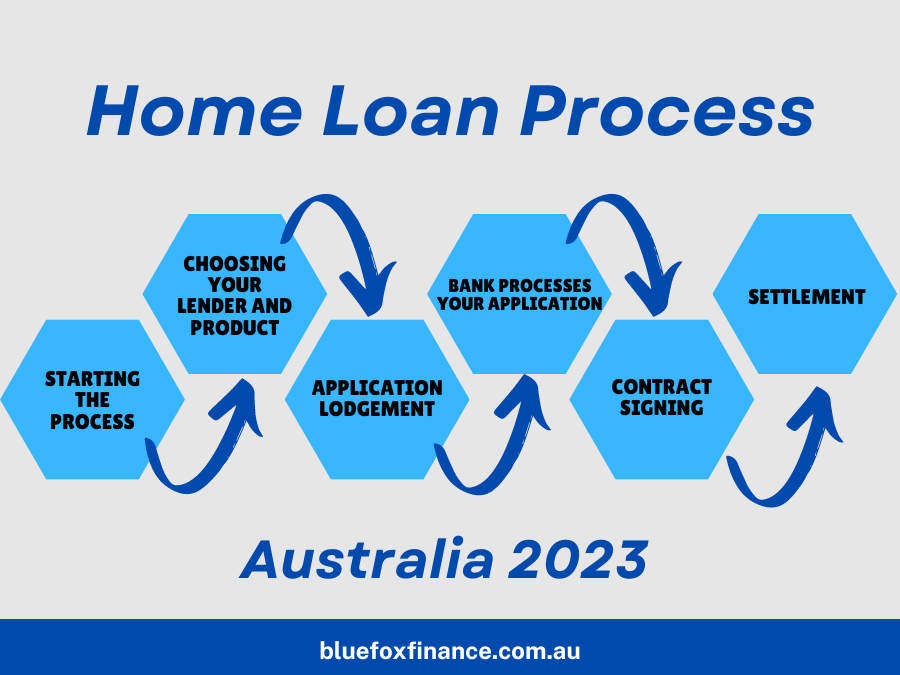
With your financial ducks in a row, you’re ready to formally apply for a home loan. This phase involves interacting with lenders, undergoing thorough review, and ultimately closing on your mortgage.
Researching Lenders and Comparing Offers
This is a crucial stage where shopping around can save you significant money over the life of your loan. Don’t settle for the first offer you receive.
- Sources for Lenders: Explore a variety of options including large national banks, local credit unions (often known for personalized service and competitive rates), independent mortgage brokers (who work with multiple lenders), and online lenders (which can offer speed and convenience).
- Key Comparison Points: Beyond just the interest rate, compare Annual Percentage Rate (APR – which includes fees), closing costs (origination fees, appraisal fees, title insurance), loan terms (e.g., 15-year vs. 30-year), and the lender’s reputation for customer service and efficiency. Obtain Loan Estimates from multiple lenders for direct comparison.
Submitting Your Application
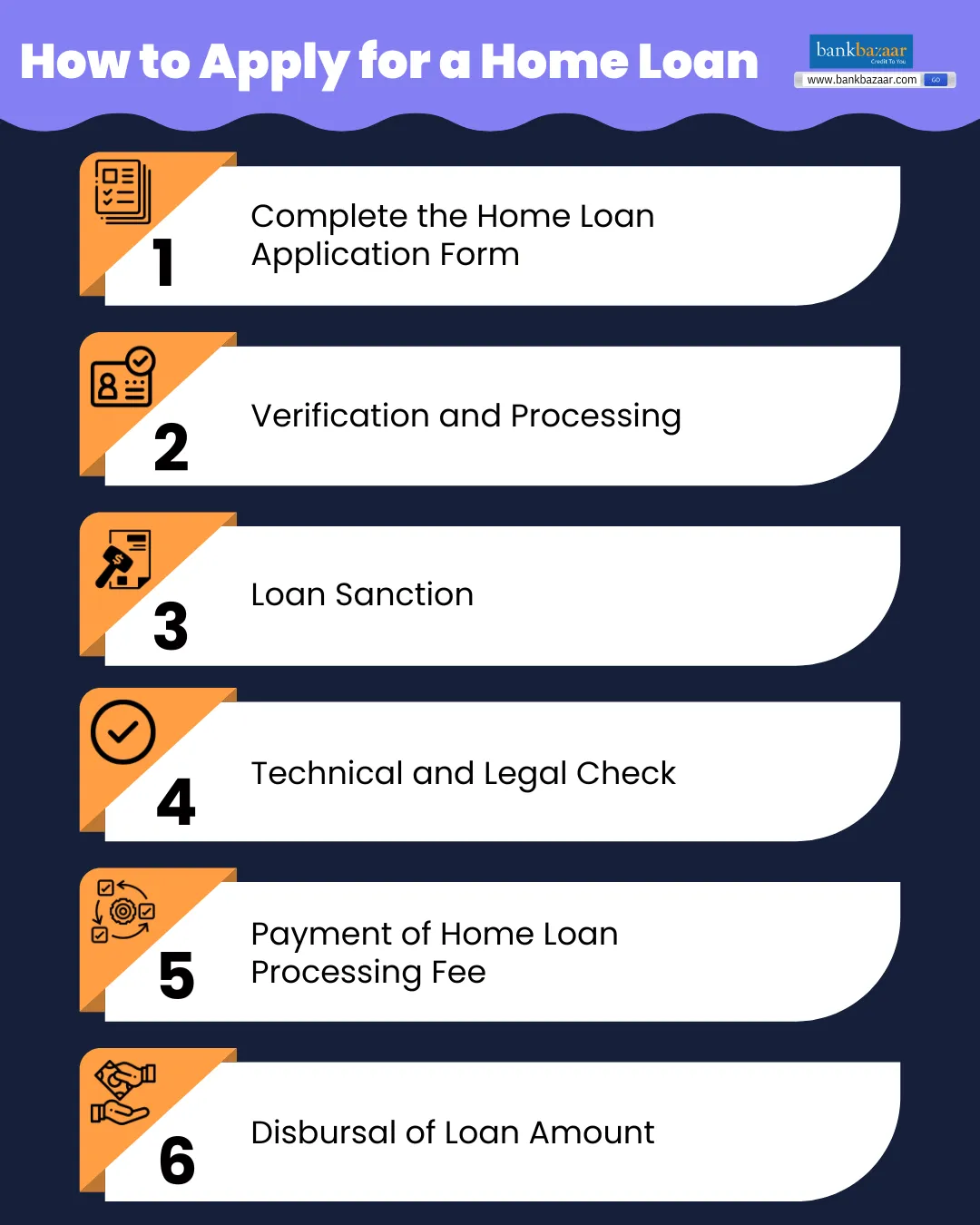
Once you’ve chosen a lender, you’ll complete a formal Uniform Residential Loan Application (Form 1003). This is where all your carefully gathered documents come into play. Be thorough and honest; any discrepancies will be flagged during underwriting.
Underwriting and Appraisal
This is arguably the most critical and often the lengthiest part of the process, where the lender thoroughly vets your financial health and the property’s value.
- Underwriting: An underwriter reviews your entire application package – credit history, income, assets, and debt – to assess the risk of lending to you. They ensure you meet all eligibility requirements for the specific loan product and the lender’s guidelines. They may request additional documentation or clarification, known as “conditions.”
- Appraisal: The lender will order an independent appraisal of the property to determine its fair market value. This protects both you and the lender by ensuring you’re not overpaying for the home and that the collateral value supports the loan amount. If the appraisal comes in lower than the sales price, you may need to renegotiate with the seller or bring additional cash to closing.
Loan Approval and Closing
The culmination of your efforts brings you to the approval and closing stages.
- Receiving “Clear to Close”: Once the underwriter is satisfied, you’ll receive the “Clear to Close” notification, signifying your loan is approved.
- Reviewing the Closing Disclosure: At least three business days before closing, you’ll receive a Closing Disclosure (CD). This document details all final loan terms, projected monthly payments, and all closing costs. Review it meticulously and compare it against your initial Loan Estimate.
- The Closing Day: This is when you sign all the final paperwork, including the promissory note and mortgage deed. Funds are exchanged, and ownership of the property officially transfers to you. Congratulations, you are now a homeowner!
Strategic Considerations and Long-Term Management
Securing the loan is a significant milestone, but prudent financial management continues long after the closing day. Strategic choices and ongoing diligence will ensure a smooth homeownership journey.
Choosing the Right Loan Structure for Your Goals
Revisiting loan types in the context of your financial philosophy helps tailor your mortgage to your life.
- Fixed-Rate vs. Adjustable-Rate: If budget predictability is paramount and you plan to stay in your home long-term, a fixed-rate loan offers peace of mind. If you anticipate moving or refinancing within the initial fixed period of an ARM, or if you can comfortably absorb potential payment increases, an ARM might offer lower initial costs.
- Impact of Loan Term: A 30-year fixed mortgage offers lower monthly payments but results in significantly more interest paid over the long run. A 15-year fixed mortgage dramatically reduces total interest but comes with higher monthly payments. Align your choice with your current income, financial goals, and risk tolerance.
- Considering Points: “Points” are fees paid directly to the lender at closing in exchange for a lower interest rate (discount points) or to cover the lender’s administrative costs (origination points). Deciding whether to pay discount points involves weighing the upfront cost against the long-term interest savings, which depends on how long you plan to keep the loan.
Post-Closing Responsibilities
Your responsibilities as a homeowner and borrower don’t end at closing.
- Understanding Your Mortgage Statement: Familiarize yourself with how your payments are allocated to principal, interest, taxes, and insurance (PITI).
- Making Timely Payments: Consistency is key. Late payments can incur fees, negatively impact your credit, and put your home at risk.
- Refinancing Opportunities: Keep an eye on interest rate trends. Refinancing can allow you to lower your interest rate, shorten your loan term, or tap into your home equity, but it also comes with new closing costs.
- Escrow Accounts: Most mortgages include an escrow account for property taxes and homeowner’s insurance. Your lender collects a portion of these costs with your monthly mortgage payment and pays them on your behalf. Understand how your escrow account works and review annual statements.
Avoiding Common Pitfalls
Awareness of common mistakes can help you navigate the process more smoothly.
- Taking on Too Much Debt: Don’t let a pre-approval amount tempt you into buying a home that stretches your budget too thin. Always factor in ongoing maintenance, utilities, and potential unexpected costs.
- Not Shopping Around for Lenders: Failing to compare offers from multiple lenders can cost you thousands in interest and fees over the life of the loan.
- Ignoring Closing Costs: These can range from 2% to 5% of the loan amount and can be a significant surprise if not budgeted for.
- Impatience and Rushed Decisions: Buying a home is a major life decision. Take your time, ask questions, and ensure you are comfortable with every aspect of the loan agreement before you sign.
Securing a home loan is a significant undertaking, but with diligent preparation, a clear understanding of the process, and a strategic approach, it is an achievable goal. By mastering the fundamentals, optimizing your financial profile, and carefully navigating the application and closing stages, you can confidently unlock the door to your dream home and embark on a rewarding journey of homeownership.
aViewFromTheCave is a participant in the Amazon Services LLC Associates Program, an affiliate advertising program designed to provide a means for sites to earn advertising fees by advertising and linking to Amazon.com. Amazon, the Amazon logo, AmazonSupply, and the AmazonSupply logo are trademarks of Amazon.com, Inc. or its affiliates. As an Amazon Associate we earn affiliate commissions from qualifying purchases.