
The question “how can I watch TV?” might seem simple on the surface, a relic from an era when a single antenna or cable connection sufficed. Yet, in the 21st century, this query unlocks a complex, vibrant, and ever-evolving ecosystem of technology, content delivery, and user choice. The days of passively flipping through a limited number of channels are long gone, replaced by an on-demand, personalized, and often overwhelming array of options. Understanding how to navigate this modern entertainment landscape requires a grasp of the underlying technologies and services that power our viewing experiences. This article aims to demystify the contemporary world of television, guiding you through the essential tools, platforms, and methods available to enjoy your favorite shows, movies, and live events.
The Evolution of TV Watching: From Broadcast to Broadband
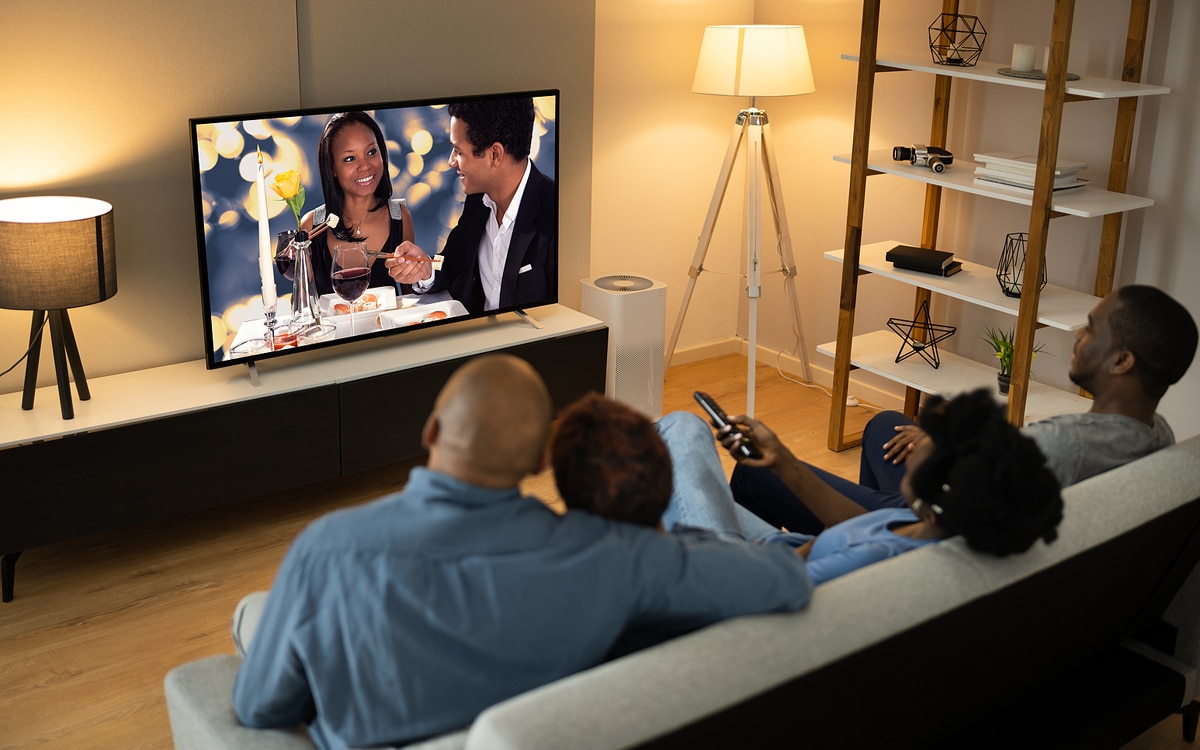
Television, once a monolithic medium, has undergone a radical transformation, driven by advancements in digital technology and internet infrastructure. This evolution has democratized access to content and empowered viewers with unprecedented control over their entertainment choices.
Traditional Broadcast Television: Antennas and Cable
For decades, watching TV was synonymous with two primary methods: over-the-air (OTA) broadcasts via an antenna or subscription-based cable/satellite services. OTA broadcasts, utilizing digital signals (DTV), still offer a reliable and free way to access local channels, news, and major network programming, often in high definition. A simple digital antenna can unlock a wealth of local content, making it a valuable option for those looking to cut costs or supplement their streaming diet.
Cable and satellite TV providers, while still prevalent, represent a more structured and often costlier approach. They offer extensive channel lineups, premium content, and bundles that often include internet and phone services. However, their traditional linear viewing model and contractual obligations are increasingly challenged by the flexibility and customization offered by newer technologies. The core technology here relies on coaxial cables or satellite dishes transmitting signals directly to a set-top box.
The Rise of Streaming: On-Demand and Live TV Services
The advent of broadband internet fundamentally reshaped how we consume media. Streaming technology allows content to be delivered over the internet in real-time, eliminating the need for physical media or dedicated broadcast signals. This innovation spearheaded the “on-demand” revolution, with services like Netflix, Hulu, and Amazon Prime Video offering vast libraries of movies and TV shows accessible anytime, anywhere. These Subscription Video On Demand (SVOD) platforms operate on a monthly fee model, providing unparalleled convenience and a personalized viewing experience.
Beyond on-demand, Live TV streaming services (often called virtual Multichannel Video Programming Distributors or vMVPDs) have emerged as direct competitors to traditional cable. Services such as YouTube TV, Sling TV, Hulu + Live TV, and FuboTV deliver live broadcasts of popular cable channels over the internet. They often include DVR functionalities, allowing viewers to record shows and watch them later, blending the best aspects of traditional TV with the flexibility of streaming. This shift has been a significant driver of “cord-cutting,” as consumers increasingly opt for internet-based solutions over conventional cable subscriptions.
The Impact of Smart Devices
The proliferation of smart devices, from smart TVs to smartphones and tablets, has dramatically expanded the avenues for watching TV. Smart TVs come with built-in operating systems that allow direct access to streaming apps, internet browsing, and other connected features without the need for additional hardware. Similarly, mobile devices have transformed TV watching into a truly portable experience, enabling access to content on the go, anytime, anywhere with an internet connection. This ubiquitous access has redefined convenience and made TV a truly personal medium.
Essential Technologies for Modern TV Viewing
To fully leverage the modern entertainment landscape, understanding the key technologies and devices is crucial. Each plays a distinct role in shaping your viewing experience.
Smart TVs: Your Entertainment Hub
A Smart TV is more than just a display; it’s an integrated entertainment platform. Equipped with an operating system (like Android TV, webOS, Tizen, or Roku TV OS), Wi-Fi connectivity, and app stores, Smart TVs can natively run popular streaming applications (Netflix, Disney+, YouTube, etc.) without requiring external devices. Many also feature advanced display technologies like 4K Ultra HD, HDR (High Dynamic Range), and increasingly, 8K, offering stunning visual fidelity. Features like voice control, smart home integration, and personalized content recommendations make Smart TVs the central hub for most modern living rooms. When choosing a Smart TV, consider its processing power, user interface, app ecosystem, and display technology.
Streaming Devices: Extending Your TV’s Capabilities
Even if you don’t own a Smart TV, or if your Smart TV’s operating system feels sluggish or outdated, streaming devices bridge the gap. These compact gadgets plug into your TV’s HDMI port and provide access to a vast array of streaming services. Popular options include:
- Roku Devices: Known for their simple interface and extensive app selection.
- Amazon Fire TV Stick: Integrates with Amazon’s ecosystem and Alexa voice control.
- Google Chromecast/Google TV: Offers powerful search and recommendation features, often with a remote.
- Apple TV: Geared towards Apple ecosystem users, providing a premium experience.
- Gaming Consoles (PlayStation, Xbox): Double as robust media centers, supporting most major streaming apps.
These devices are powerful, often affordable ways to upgrade an older TV or enhance the capabilities of a Smart TV, providing dedicated processing power for smooth streaming and access to the latest apps and features.
Internet Connectivity: The Backbone of Streaming
The quality of your TV watching experience, particularly with streaming, hinges entirely on your internet connection. A fast, stable broadband connection is non-negotiable for high-definition and 4K streaming.
- Minimum Speeds: For standard definition (SD) streaming, 3-5 Mbps is often sufficient. For high definition (HD), 5-8 Mbps per stream is recommended. For 4K Ultra HD, 25 Mbps or higher per stream is the general recommendation.
- Bandwidth Considerations: If multiple devices in your household are streaming simultaneously, or if you’re engaging in other bandwidth-intensive activities like online gaming, you’ll need significantly higher speeds.
- Wi-Fi vs. Ethernet: While Wi-Fi offers convenience, an Ethernet connection (wired) provides superior stability and speed, especially for 4K streaming. If possible, hardwire your primary streaming device. Mesh Wi-Fi systems can also improve coverage and performance in larger homes.
Mobile Devices and Tablets: TV On The Go
Smartphones and tablets have transformed into highly capable personal televisions. Virtually every major streaming service offers dedicated apps for iOS and Android, allowing subscribers to watch content anywhere with a data connection (Wi-Fi or cellular). Many services also offer offline viewing, where you can download content to your device to watch without an internet connection – perfect for commutes or travel. The convenience of these devices makes TV watching an incredibly fluid and personal experience, no longer confined to the living room.
Exploring Diverse Content Delivery Methods
The modern TV landscape offers a spectrum of content delivery models, catering to different preferences and budgets.
Free Over-the-Air (OTA) Broadcasts
As mentioned, OTA broadcasts through a digital antenna remain a viable and cost-effective option. This method provides access to local network affiliates (ABC, CBS, FOX, NBC, PBS, The CW) in crystal-clear HD, often with additional sub-channels. It’s a fantastic way to access local news, sports, and major network programming without any subscription fees, serving as a solid foundation for any modern TV setup.

Subscription Streaming Services (SVOD)
SVOD services are the cornerstone of modern on-demand viewing.
- Netflix: A pioneer, known for its vast library of original series, movies, and documentaries across genres.
- Amazon Prime Video: Included with an Amazon Prime subscription, offering a mix of originals, licensed content, and options to rent/buy additional titles.
- Disney+: Home to Disney, Pixar, Marvel, Star Wars, and National Geographic content.
- Hulu: Features current and past seasons of TV shows, especially popular for network TV catch-up.
- Max (formerly HBO Max): Premium content from HBO, Warner Bros. films, DC universe, and more.
- Apple TV+: Exclusively features Apple Originals.
- Peacock, Paramount+, Starz, Showtime: Offer a range of niche and broad content, often tied to specific studios or networks.
Choosing among these often comes down to specific content preferences and budget.
Live TV Streaming Services (vMVPDs)
For those who want to retain the feel of traditional cable but with greater flexibility, vMVPDs are the answer.
- YouTube TV: Offers a comprehensive channel lineup, unlimited cloud DVR, and good integration with Google services.
- Sling TV: A more à la carte option, allowing users to select smaller channel bundles.
- Hulu + Live TV: Combines Hulu’s on-demand library with a strong live TV channel lineup.
- FuboTV: Heavily focused on sports content, though with a growing general entertainment offering.
- DirecTV Stream: Another option mimicking traditional cable lineups.
These services typically offer month-to-month subscriptions, allowing for easy cancellation and re-subscription, a stark contrast to long-term cable contracts.
Digital Content Purchases & Rentals (TVOD/PVOD)
Beyond subscriptions, Transactional Video On Demand (TVOD) and Premium Video On Demand (PVOD) allow you to buy or rent individual movies and TV show episodes/seasons. Platforms like Apple TV (iTunes), Amazon Prime Video, Google Play, and Vudu offer extensive digital stores. This model is ideal for accessing new release movies before they hit streaming services or for acquiring specific content you want to own permanently without subscribing to an entire library.
Free Ad-Supported Streaming TV (FAST)
The fastest-growing segment in recent years, FAST services like Tubi, Pluto TV, The Roku Channel, and Freevee offer thousands of movies and TV shows for free, supported by advertisements. These services often provide a mix of on-demand content and linear “channels” mimicking traditional TV, curating content around specific genres or themes. They’re excellent for discovering new content or supplementing paid subscriptions without incurring additional costs.
Optimizing Your TV Watching Experience
Simply having access isn’t enough; optimizing your setup can significantly enhance your viewing pleasure.
Choosing the Right Internet Speed
As discussed, internet speed is paramount. Evaluate your household’s internet usage. If you have multiple users streaming 4K, gaming online, and working remotely, invest in a higher-tier plan (e.g., 100 Mbps or more). Regularly test your internet speed (using sites like Speedtest.net) to ensure you’re getting what you pay for. If you’re encountering buffering or quality drops, your internet speed is likely the bottleneck.
Enhancing Audio and Visual Quality (4K, HDR, Soundbars)
For an immersive experience, consider your display and audio setup.
- 4K Ultra HD and HDR: If you have a 4K TV, ensure your streaming device and content support 4K and HDR (High Dynamic Range). HDR offers richer colors and contrast, making a significant visual difference. Check the settings on your TV and streaming device to ensure these features are enabled.
- Soundbars and Home Theater Systems: The built-in speakers on even high-end TVs are often mediocre. A soundbar is an excellent and relatively affordable upgrade that dramatically improves dialogue clarity and overall audio richness. For true cinephiles, a full home theater system with surround sound can transform your living room into a cinematic experience.
Content Discovery and Personalization
With so much content available, discovering new shows and movies can be a challenge.
- Platform Recommendations: Streaming services use algorithms to suggest content based on your viewing history. Explore these recommendations.
- Aggregator Apps/Services: Platforms like Google TV, Apple TV app, and JustWatch consolidate content from various services, making it easier to search across platforms and find where a specific title is streaming.
- Curated Lists and Reviews: Consult entertainment websites, critics’ reviews, and curated lists to find highly-rated or interesting content.
- Profiles: Utilize user profiles on streaming services to keep recommendations tailored to individual preferences within a household.
Digital Security and Privacy Considerations
In an increasingly connected world, protecting your digital life extends to your TV watching.
- Strong Passwords: Use unique, strong passwords for all your streaming accounts.
- Two-Factor Authentication (2FA): Enable 2FA where available to add an extra layer of security.
- Privacy Settings: Review the privacy settings on your Smart TV and streaming apps. Understand what data is being collected and how it’s used.
- Software Updates: Keep your Smart TV and streaming device software updated. These updates often include security patches.
- VPN Use: For some, a VPN (Virtual Private Network) can offer enhanced privacy while streaming, though its primary use for bypassing geo-restrictions for content access can violate terms of service for many streaming providers.
Looking Ahead: The Future of Television
The trajectory of TV watching continues to point towards greater personalization, interactivity, and immersion.
Interactive and Immersive Experiences
The future will likely bring more interactive content, building on experiments like Netflix’s choose-your-own-adventure specials. Virtual reality (VR) and augmented reality (AR) technologies could offer new ways to experience sports, concerts, and even narrative storytelling, potentially blurring the lines between spectator and participant. Imagine watching a live game from any angle on the field or attending a virtual concert from your living room.
AI-Driven Recommendations and Personalization
Artificial intelligence is already at the heart of content recommendations, but its capabilities will expand significantly. AI will move beyond simple suggestions to anticipate preferences, curate bespoke viewing schedules, and even dynamically adjust content based on viewer reactions, offering a truly individualized experience. This hyper-personalization will make content discovery seamless and remarkably efficient.
The Blurring Lines Between TV and Other Media
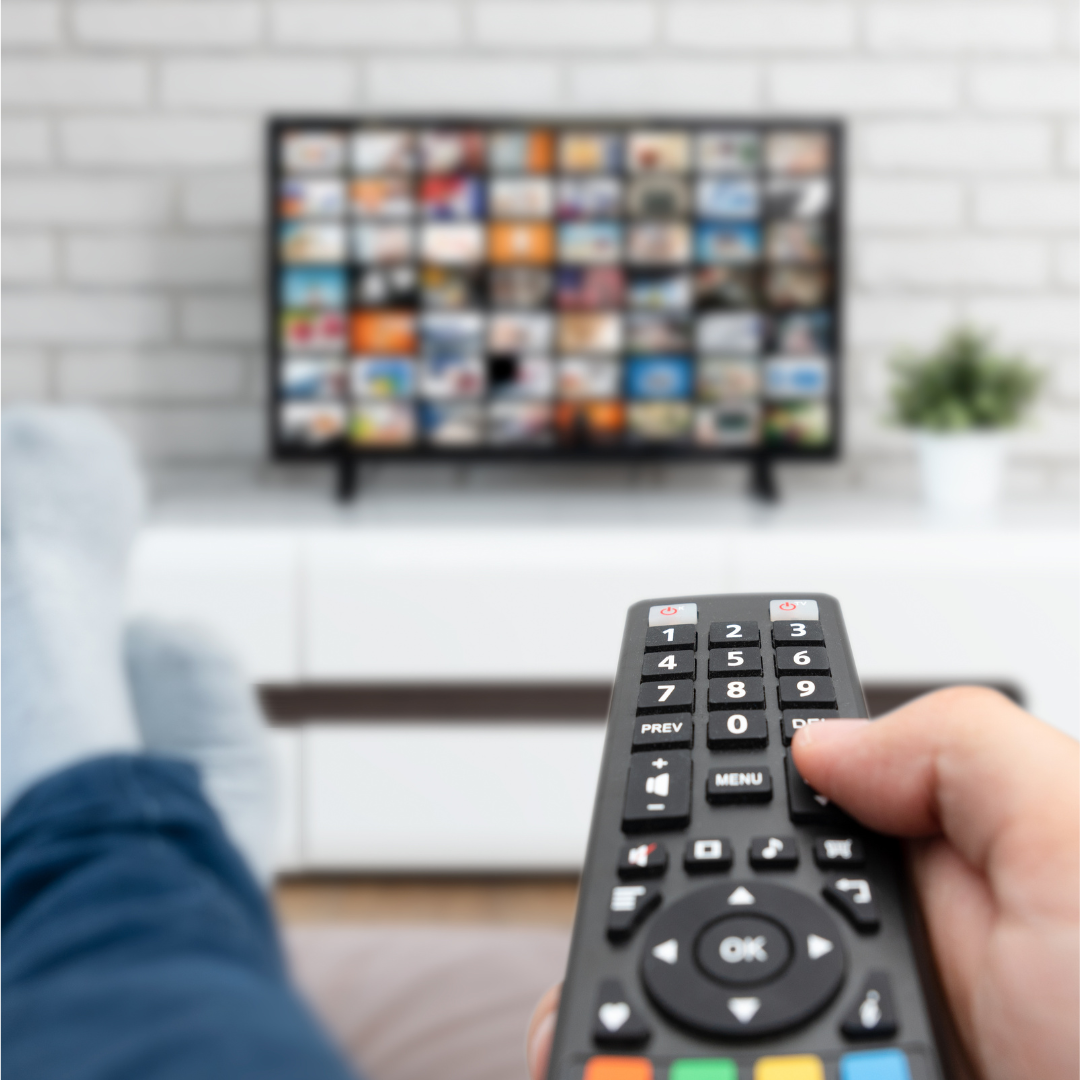
The distinction between traditional television, gaming, social media, and other digital experiences will continue to erode. Smart TVs are already becoming central communication hubs, integrating video calls, online gaming, and interactive apps alongside streaming video. This convergence suggests a future where “watching TV” might encompass a much broader range of interactive, social, and entertainment activities, all facilitated by increasingly sophisticated technology.
In conclusion, “how can I watch TV?” is no longer a simple question but an invitation to explore a rich tapestry of technological innovation. From traditional antennas to the latest AI-powered streaming platforms, the options are vast and continually expanding. By understanding these technologies and making informed choices, viewers can curate a personalized, high-quality, and deeply engaging entertainment experience that fits their lifestyle and preferences. The power of choice, once limited, now rests firmly in the hands of the viewer, making the modern era of television more exciting and accessible than ever before.
aViewFromTheCave is a participant in the Amazon Services LLC Associates Program, an affiliate advertising program designed to provide a means for sites to earn advertising fees by advertising and linking to Amazon.com. Amazon, the Amazon logo, AmazonSupply, and the AmazonSupply logo are trademarks of Amazon.com, Inc. or its affiliates. As an Amazon Associate we earn affiliate commissions from qualifying purchases.