
The allure of the share market is undeniable. For many, it represents a direct path to wealth creation, financial independence, and the opportunity to participate in the growth of leading companies. However, for newcomers, the share market can seem like an intimidating labyrinth of complex terminology, volatile movements, and endless data. The question, “How can I trade in the share market?” is often the first step in a journey that, with the right knowledge and discipline, can be incredibly rewarding. This guide aims to demystify the process, providing a structured approach for aspiring traders and investors to confidently navigate the equities landscape.
Understanding the Fundamentals of Share Market Trading
Before diving into the mechanics of trading, it’s crucial to grasp the foundational concepts that underpin the share market. Without this understanding, any trading activity would be akin to sailing without a compass.
What is the Share Market?
At its core, the share market, also known as the stock market, is a platform where shares (or stocks) of publicly listed companies are bought and sold. A share represents a fractional ownership interest in a company. When you buy a share, you become a part-owner of that company. These transactions typically occur on organized exchanges, such as the New York Stock Exchange (NYSE), NASDAQ, or the National Stock Exchange (NSE) in India, which provide a regulated environment for buyers and sellers to interact. The price of these shares fluctuates based on supply and demand, company performance, economic indicators, and market sentiment.
Why Trade Shares?
People engage in share market trading for several reasons, primarily focused on capital growth and income generation.
-
Capital Appreciation: The most common goal is to buy shares at a lower price and sell them at a higher price, profiting from the increase in value. This can be achieved over short-term trades or long-term investments.
-
Dividends: Many companies distribute a portion of their profits to shareholders in the form of dividends. This provides a regular income stream, particularly appealing to long-term investors.
-
Portfolio Diversification: Investing in shares can be part of a broader financial strategy to diversify one’s investment portfolio, balancing risk across different asset classes.
-
Participation in Economic Growth: Investing in companies allows individuals to directly participate in the growth and success of industries and the broader economy.
Key Concepts and Terminology
Navigating the share market requires familiarity with its unique language. Understanding terms like:
-
Bulls and Bears: Bulls are optimistic traders who believe prices will rise, while bears are pessimistic, expecting prices to fall. A “bull market” signifies rising prices, a “bear market” falling prices.
-
IPO (Initial Public Offering): The first time a private company offers its shares to the public.
-
Volatility: The degree of variation of a trading price series over time. High volatility means prices can change dramatically and quickly.
-
Bid and Ask Price: The highest price a buyer is willing to pay (bid) and the lowest price a seller is willing to accept (ask).
-
Market Order vs. Limit Order: A market order executes immediately at the best available current price, while a limit order buys or sells at a specific price or better.
These terms are just the tip of the iceberg, but building a solid vocabulary is an ongoing process essential for informed decision-making.
Essential Steps to Begin Your Trading Journey
Embarking on share market trading isn’t about jumping in blindly; it requires preparation, strategic planning, and the right tools.
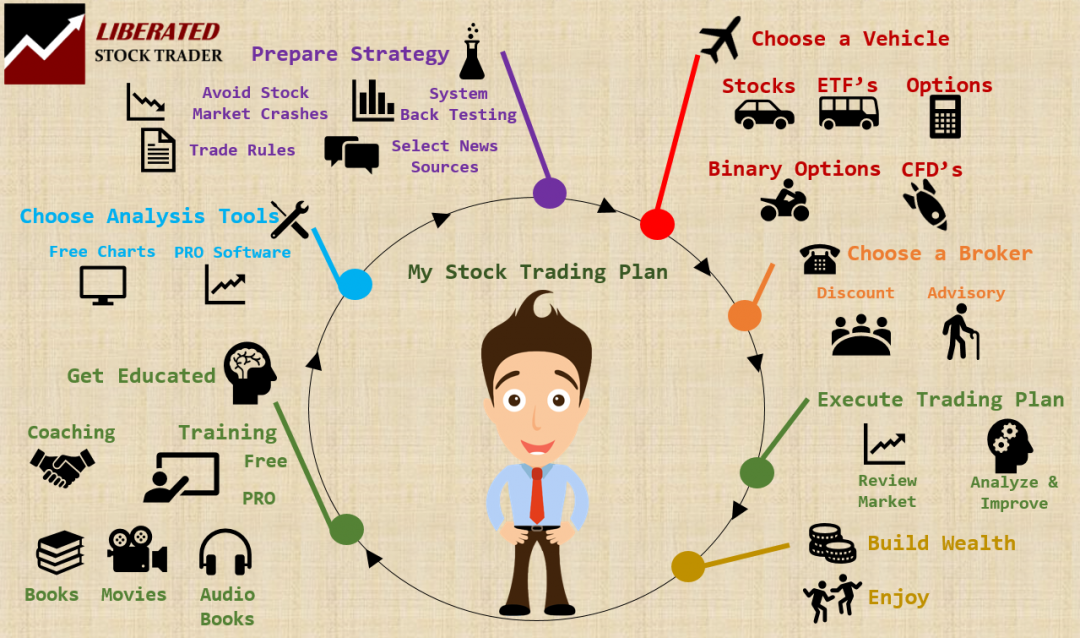
Educate Yourself
The share market is not a get-rich-quick scheme. It demands continuous learning. Start with reliable educational resources:
-
Books: Classic texts on investing, technical analysis, and fundamental analysis.
-
Online Courses and Webinars: Many reputable financial institutions and trading platforms offer free or paid courses covering market basics to advanced strategies.
-
Financial News and Analysis: Stay updated with global economic news, company specific announcements, and market trends from credible sources.
-
Simulated Trading Platforms (Paper Trading): Practice trading with virtual money before risking real capital. This is an invaluable step for beginners to test strategies and understand market dynamics without financial exposure.
Define Your Financial Goals and Risk Tolerance
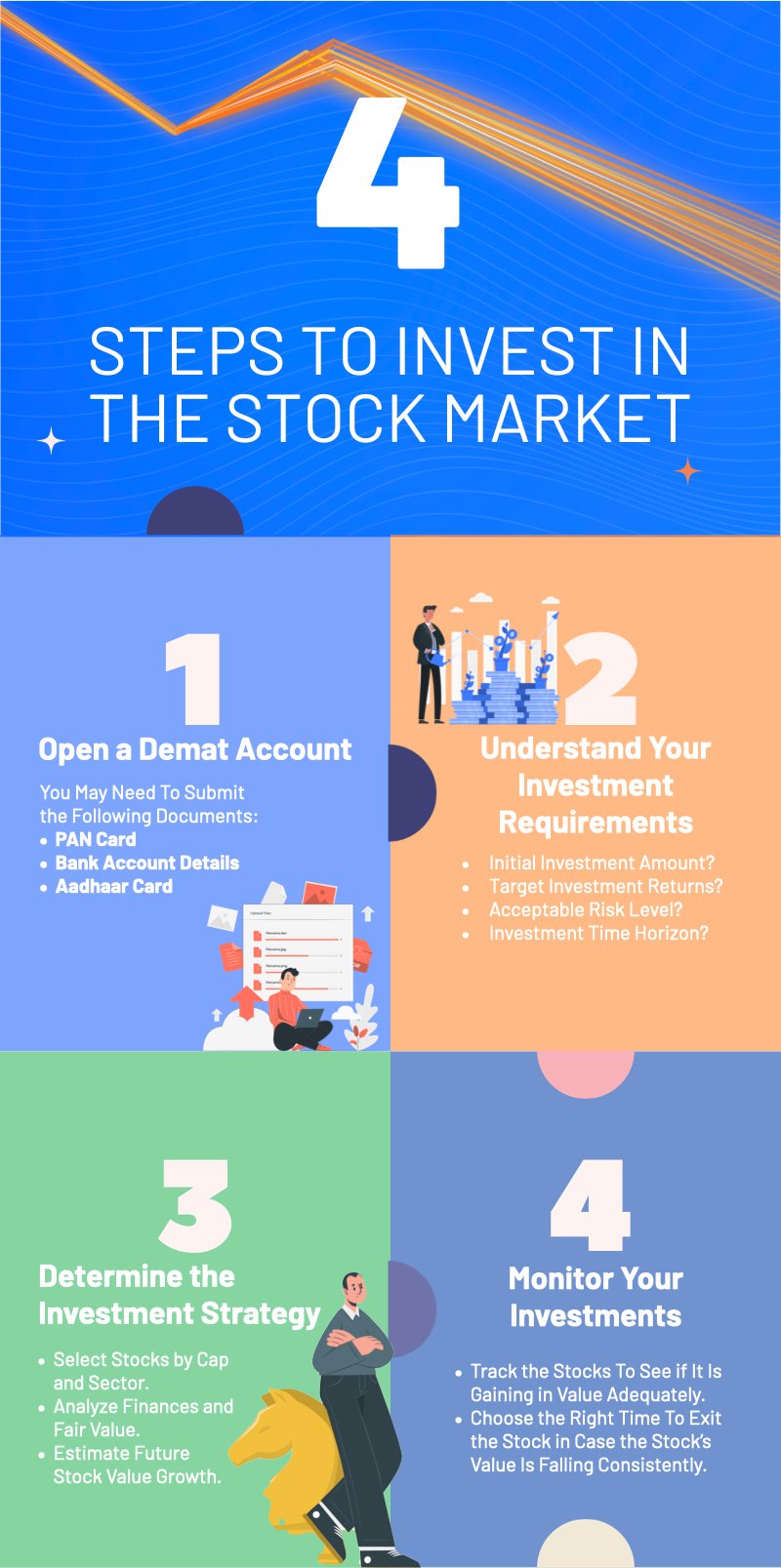
Before making any investment, clarify what you want to achieve and how much risk you’re comfortable taking.
-
Short-term vs. Long-term: Are you looking for quick gains (short-term trading) or capital growth over several years (long-term investing)? Your timeframe significantly impacts your strategy.
-
Capital at Risk: Only invest capital that you can afford to lose. Never trade with money essential for living expenses or debt repayment.
-
Risk Tolerance Assessment: Honestly assess your comfort level with potential losses. Some people are comfortable with high-risk, high-reward ventures, while others prefer more conservative approaches. This will guide your choice of stocks and strategies.
Choose a Reputable Brokerage Platform
A brokerage firm acts as your intermediary to the stock market. Selecting the right one is paramount. Consider:
-
Regulation: Ensure the broker is regulated by the appropriate financial authorities in your region (e.g., SEBI in India, SEC and FINRA in the US).
-
Fees and Commissions: Compare trading commissions, annual maintenance charges, and other hidden fees. Lower fees can significantly impact profitability, especially for frequent traders.
-
Trading Platform Features: Look for an intuitive, reliable, and feature-rich trading platform. This includes real-time data, charting tools, research reports, and mobile app accessibility.
-
Customer Support: Responsive and knowledgeable customer service is crucial, especially for beginners.
-
Product Offerings: Ensure the broker offers access to the markets and types of securities you intend to trade (e.g., equities, derivatives, commodities).
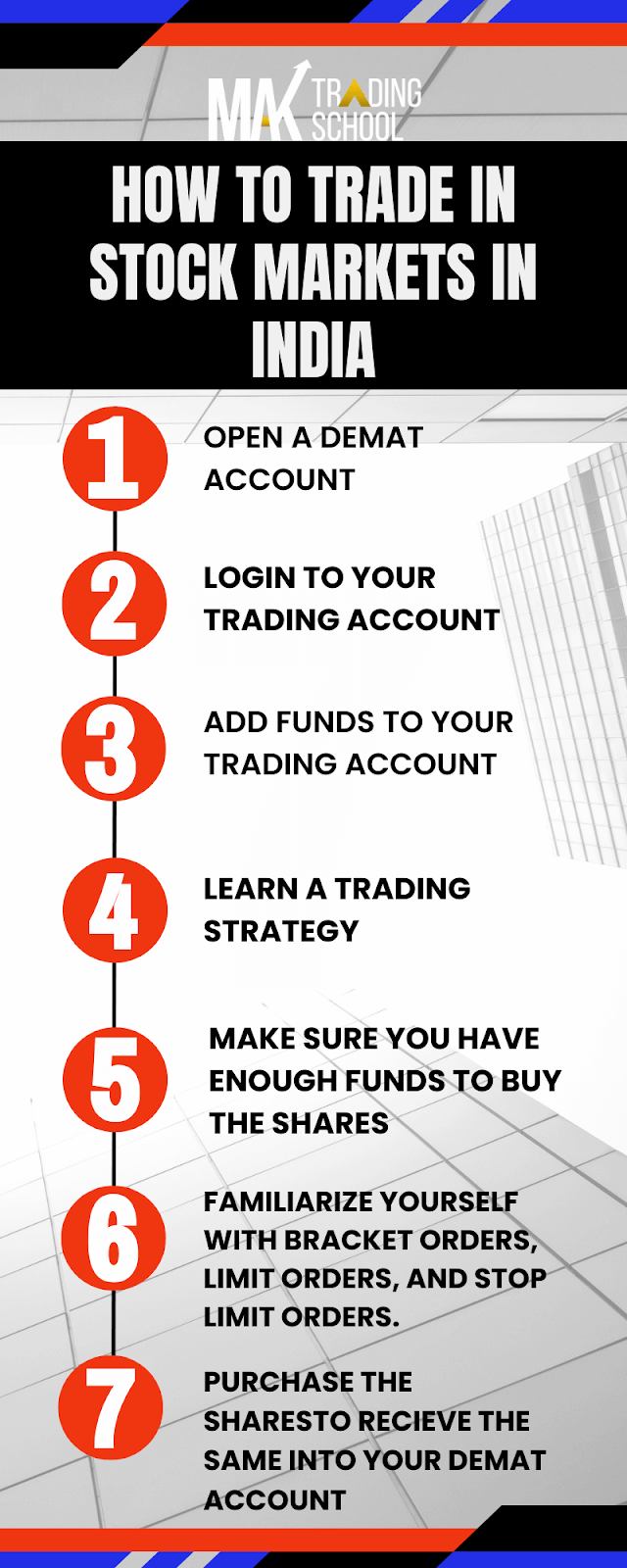
Open a Demat and Trading Account
Once you’ve selected a broker, the next step is to open the necessary accounts:
-
Trading Account: This account allows you to place buy and sell orders in the stock market.
-
Demat Account (Dematerialized Account): In most countries, shares are held electronically in a Demat account, eliminating physical share certificates. This account securely stores your shares.
-
Linked Bank Account: Your trading and Demat accounts will be linked to your bank account for transferring funds for trading and receiving proceeds from sales.
Developing Effective Trading Strategies
With your accounts set up and a foundational understanding, the focus shifts to developing strategies that align with your goals and risk profile.
Fundamental Analysis vs. Technical Analysis
These are the two primary approaches to analyzing stocks:
-
Fundamental Analysis: This involves evaluating a company’s intrinsic value by examining its financial statements (balance sheet, income statement, cash flow statement), management, industry outlook, competitive landscape, and overall economic conditions. Long-term investors typically favor this approach to identify undervalued companies with strong growth potential.
-
Technical Analysis: This method focuses on studying past market data, primarily price and volume charts, to identify patterns and predict future price movements. Technical analysts believe that all relevant information is already reflected in the stock’s price. Traders often use this for short-term decision-making. A combination of both approaches, known as “techno-fundamental analysis,” is often employed for a more holistic view.
Popular Trading Styles
Your chosen strategy will largely dictate your trading style and timeframe:
-
Intraday Trading: Buying and selling shares within the same trading day to profit from short-term price fluctuations. This is high-risk, high-reward, and requires intense focus.
-
Swing Trading: Holding positions for a few days or weeks to profit from short-to-medium term price swings. This balances risk between intraday and positional trading.
-
Positional Trading: Holding stocks for several weeks or months, based on identified trends.
-
Long-term Investing: Buying shares with the intention of holding them for years, benefiting from capital appreciation and dividends. This is generally considered less risky than short-term trading and aligns with wealth creation goals like retirement planning.
Each style demands different levels of time commitment, capital, and psychological fortitude.
Diversification and Asset Allocation
A cornerstone of prudent investing is diversification, which means spreading your investments across various assets, industries, and geographies to reduce risk.
-
Diversify Across Stocks: Don’t put all your capital into one or two stocks. Invest in multiple companies across different sectors.
-
Asset Allocation: Beyond stocks, consider allocating a portion of your portfolio to other asset classes like bonds, real estate, or gold, depending on your risk tolerance and financial goals. This strategy helps cushion your portfolio against downturns in any single asset class.
Managing Risk and Emotions in Trading
Even with the best strategies, the share market is inherently risky. Effective risk management and emotional control are critical for long-term success.
Setting Stop-Loss Orders and Take-Profit Targets
-
Stop-Loss Order: This is an instruction to your broker to sell a stock if its price falls to a certain level. It’s a crucial tool to limit potential losses on a position. Never trade without defining your stop-loss.
-
Take-Profit Target: Conversely, this is an instruction to sell a stock once it reaches a predetermined profit level. It helps lock in gains and prevents greed from eroding profits.
Capital Preservation Techniques
Beyond stop-losses, several techniques help protect your capital:
-
Position Sizing: Determine the appropriate amount of capital to allocate to each trade based on your risk tolerance and the trade’s potential loss. Never risk more than a small percentage of your total trading capital on a single trade.
-
Risk-Reward Ratio: Before entering a trade, evaluate the potential profit versus the potential loss. A favorable risk-reward ratio (e.g., 1:2 or 1:3) means you stand to gain more than you could lose.
Overcoming Psychological Biases
Trading is as much a psychological game as it is an analytical one. Emotions like fear, greed, and overconfidence can severely impair judgment.
-
Fear: Can lead to panic selling at lows.
-
Greed: Can lead to holding onto winning positions too long, only to see profits evaporate, or taking on excessive risk.
-
Overconfidence: After a series of wins, traders might take larger risks without proper analysis.
Develop a trading plan and stick to it, regardless of market noise or emotional urges. Maintain a trading journal to review decisions, learn from mistakes, and reinforce discipline.
Continuous Learning and Adaptation
The share market is dynamic and ever-evolving. What worked yesterday might not work today.
-
Stay Informed: Keep learning about new market trends, economic indicators, and regulatory changes.
-
Review and Adapt: Regularly review your trading performance, analyze your strategies, and adapt them as market conditions change. Be open to refining your approach based on experience and new knowledge.
Conclusion
Trading in the share market is a journey that requires preparation, patience, and persistent learning. It’s not just about opening an account and placing orders; it’s about understanding market dynamics, developing a sound strategy, and, most importantly, managing risk and emotions effectively. By educating yourself thoroughly, setting clear financial goals, choosing the right tools, and committing to continuous improvement, you can transform the question “How can I trade in the share market?” into a confident pursuit of financial growth and independence. Remember, consistency, discipline, and a long-term perspective are your greatest assets in the exciting world of share market trading.
aViewFromTheCave is a participant in the Amazon Services LLC Associates Program, an affiliate advertising program designed to provide a means for sites to earn advertising fees by advertising and linking to Amazon.com. Amazon, the Amazon logo, AmazonSupply, and the AmazonSupply logo are trademarks of Amazon.com, Inc. or its affiliates. As an Amazon Associate we earn affiliate commissions from qualifying purchases.