
In an increasingly digital world, the convenience of online shopping extends to intricate purchases like jewelry. However, the absence of physical try-ons introduces a significant challenge: accurately determining ring size. Thankfully, a suite of technological tools and digital methodologies has emerged to bridge this gap, empowering consumers to measure with precision from the comfort of their homes. This exploration delves into the tech-driven solutions that simplify ring sizing, ensuring a perfect fit for every digital purchase.
Leveraging Digital Tools for At-Home Sizing
The advent of smartphones and widespread internet access has revolutionized how we approach personal measurements. For ring sizing, a variety of digital resources offer accessible and often surprisingly accurate options, transforming a once exclusively in-store task into a seamless at-home process.

Ring Sizing Apps: Convenience in Your Pocket
Mobile applications have become indispensable for a myriad of tasks, and ring sizing is no exception. These apps typically fall into two main categories: those that measure an existing ring and those that guide finger measurement.
Some apps utilize your smartphone’s camera and a reference object (like a credit card) to help you measure the internal diameter of a ring you already own. By placing the ring on the screen and aligning it with an on-screen guide, the app estimates its size. Other applications provide visual guides or integrate augmented reality (AR) features, allowing users to virtually “try on” rings or place their finger on the screen to align with various size outlines.
The primary advantage of ring sizing apps is their unparalleled convenience and portability. You can take a measurement anywhere, anytime. However, their accuracy can vary significantly based on factors like screen calibration, camera quality, ambient lighting, and user precision. For best results, ensure your screen’s zoom is set to 100%, follow calibration instructions meticulously, and take multiple measurements to average out potential errors. While not always as precise as professional tools, they offer a quick initial estimate.
Printable Sizers and Templates: Bridging Digital and Physical
A popular and highly effective digital-to-physical solution comes in the form of printable ring sizers and templates. These resources, typically available as PDF files from jewelers or sizing websites, provide a tangible way to measure.
There are generally two types:
- Paper Strip Sizers: You print a strip of paper with a ruler and instructions. You then cut it out, wrap it around your finger, and note where it overlaps to read your size.
- Ring Templates: These PDFs feature outlines of various ring sizes. You print the page, cut out the circles, and try to slide your existing ring over them until you find the perfect match, or cut a finger hole to test on your own digit.
The critical factor for accuracy with printable sizers is ensuring the print scale is 100% or “true to size.” Printer settings often default to “fit to page,” which can distort the measurements. Always check a printed guide against a physical ruler to confirm its accuracy before proceeding. When using a paper strip, ensure it’s pulled taut but not uncomfortably tight, mimicking how a ring would fit. For templates, measure an existing ring for internal diameter. This method, while still reliant on manual dexterity, provides a more consistent measurement than many camera-based apps if printed correctly.
Online Calculators and Conversion Charts: The Data Backbone
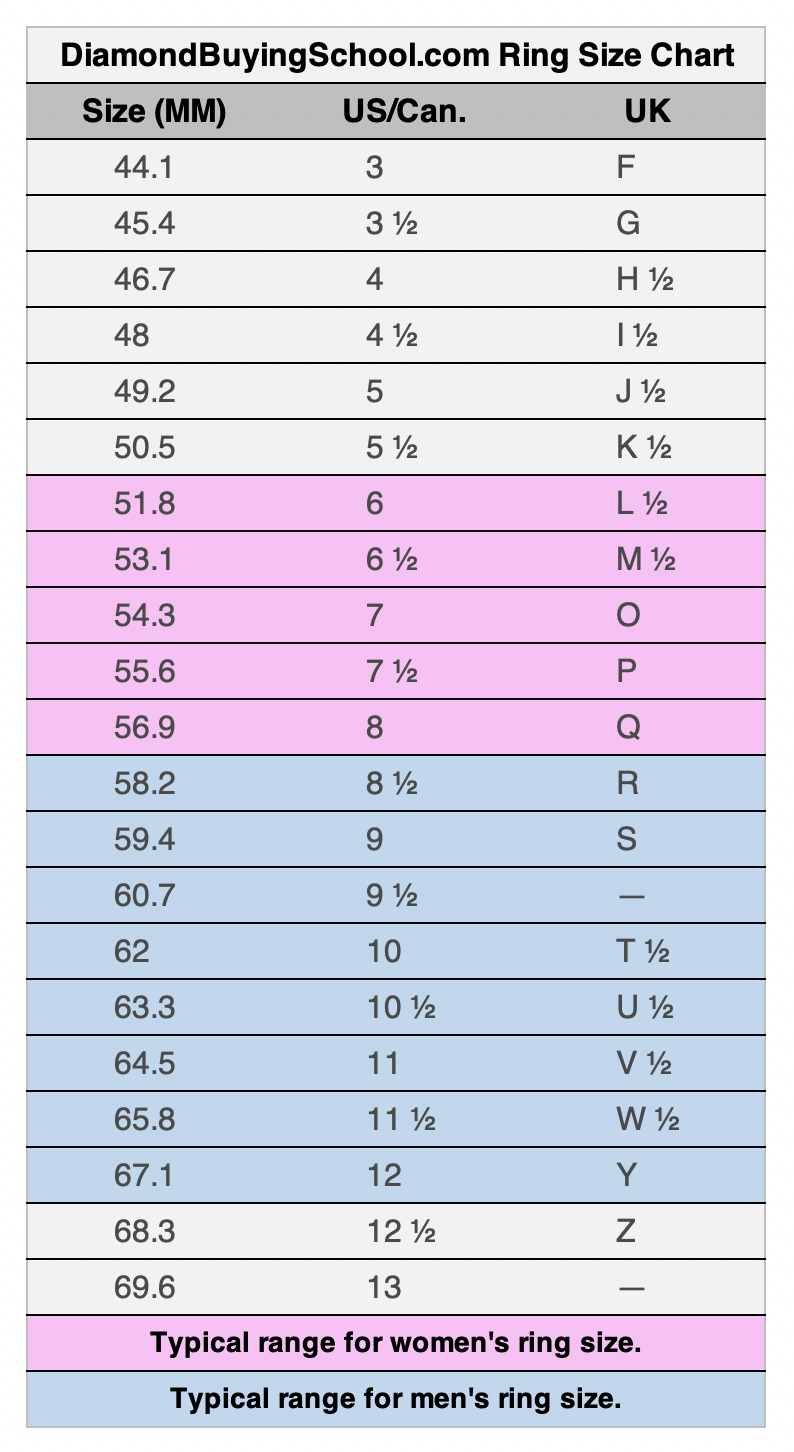
Once you have a measurement—whether it’s a circumference in millimeters or inches, or an internal diameter—online calculators and conversion charts become indispensable. These digital tools allow you to input your raw measurements and instantly convert them into standard ring sizes (US, UK, European, Asian, etc.).
Many online jewelers provide interactive charts where you can scroll through different sizes and see their corresponding diameters or circumferences. Some calculators even allow you to input a range of measurements, helping to account for slight variances. The utility of these tools lies in their ability to standardize measurements across different international systems, preventing confusion and ensuring compatibility with various brands. Always double-check the units of measurement (mm vs. inches) before inputting data to avoid significant errors. These calculators serve as the final digital step, translating your physical measurements into the precise size needed for purchase.
Precision Gadgets for Enhanced Accuracy
While apps and printables offer convenience, for those seeking a higher degree of precision in their at-home measurements, specialized digital gadgets provide an elevated level of accuracy comparable to professional tools.
Digital Calipers: The Professional’s Edge at Home
Digital calipers are high-precision measuring instruments commonly used in engineering and manufacturing, but they are also invaluable for accurate ring sizing. Unlike traditional analog calipers, digital versions provide a clear, easy-to-read numeric display, often to two or three decimal places, eliminating parallax error and subjective interpretation.
To use digital calipers for ring sizing:
- Existing Ring Measurement: Place an existing ring between the external jaws to measure its outer diameter. To measure the internal diameter (the most crucial for sizing), use the internal jaws by inserting them inside the ring and expanding them until they touch the inner edges.
- Finger Measurement (Less Common): While possible, measuring a finger directly with calipers can be awkward and less precise than using a dedicated ring sizer. However, if precise circumference or width is needed for custom work, they can provide accurate data points.
The primary advantage of digital calipers is their exceptional accuracy and repeatability. They minimize human error and provide objective data. While they represent a slightly larger investment than free apps, their versatility extends beyond ring sizing to various household and hobby measurements, making them a worthwhile tool for the detail-oriented individual.
Smart Ring Sizers and Emerging Technologies
The future of ring sizing points towards increasingly intelligent and integrated solutions. While not yet mainstream, concepts and early products hint at “smart” ring sizers that incorporate advanced sensors and connectivity. Imagine a device worn briefly that precisely measures finger dimensions, accounts for swelling, and transmits the data directly to an e-commerce platform.
Beyond physical devices, augmented reality (AR) and artificial intelligence (AI) are poised to play a larger role. AR applications already allow for virtual try-ons, projecting a ring onto your hand via a smartphone camera. As AR technology advances, it could offer more accurate sizing estimations by analyzing finger dimensions and correlating them with a vast database of ring models. AI, on the other hand, could process images of your hand, compare them against anatomical models, and even predict optimal sizes based on style preferences or historical purchasing data, minimizing guesswork. These technologies, though still maturing, promise to transform ring sizing into an even more seamless and personalized experience.
Integrating Technology for Online Jewelry Purchases
The true power of these technological advancements in ring sizing lies in their integration with the online retail experience. Modern e-commerce platforms are increasingly incorporating tools that leverage these measurement methods, enhancing customer confidence and reducing return rates.
E-commerce Platform Tools and Virtual Try-Ons
Leading online jewelers recognize the need to simplify sizing. Many integrate interactive sizing guides directly into their product pages. These often include printable sizers, links to conversion charts, and detailed instructions for various measurement methods. Some platforms are now deploying advanced AR features, allowing customers to use their smartphone or webcam to “try on” rings virtually. By overlaying a 3D model of the ring onto a live feed of the user’s hand, these tools provide a visual representation of how the ring might look, complementing the numerical sizing data. While not a substitute for precise measurement, virtual try-ons enhance the shopping experience and provide a valuable visual confirmation.
Data-Driven Sizing Recommendations
As e-commerce platforms gather more data, the potential for AI-driven, personalized sizing recommendations grows. By analyzing past purchases, return history, and the sizing data customers provide, retailers could leverage algorithms to suggest the most likely correct size for a new ring. This could extend to considering factors like ring width (wider bands often require a slightly larger size), material, and even geographic location (different climates can affect finger size). The future may see systems that learn from collective user data and individual profiles to minimize sizing errors, making online jewelry shopping virtually foolproof. Ethical considerations around data privacy will, of course, be paramount as these systems evolve.
Overcoming Technological Limitations and Ensuring Accuracy
While technology provides powerful tools for at-home ring sizing, it’s crucial to acknowledge its limitations and implement best practices to ensure the highest possible accuracy. The human element, combined with environmental variables, still plays a role.
Calibrating Your Digital Tools
Regardless of the digital tool chosen, calibration and verification are key. For printable sizers, always verify the print scale with a physical ruler. For apps, ensure your device’s screen settings are optimized and follow any specific calibration steps provided. When using digital calipers, occasionally check their accuracy against a known standard (e.g., a ruler, a coin of precise diameter). Environmental factors such as temperature can cause slight swelling or shrinking of fingers; it’s often recommended to measure at room temperature and at different times of the day to get an average.

Combining Methods for Confidence
The most robust approach to at-home ring sizing involves using a combination of methods. For instance, start with a ring sizing app for an initial estimate, then cross-reference with a carefully printed and verified paper sizer. If you have an existing ring, use digital calipers to get a precise internal diameter and then consult an online conversion chart. By triangulating your measurements across several tech-driven tools, you can build confidence in the accuracy of your chosen size. Ultimately, while technology offers incredible convenience and precision, for high-value purchases or unique finger shapes, a final consultation with a professional jeweler, who can provide expert measurement and advice, remains an invaluable hybrid approach. The digital tools, however, empower you to walk into that consultation with significant preliminary data, making the process more efficient and informed.
aViewFromTheCave is a participant in the Amazon Services LLC Associates Program, an affiliate advertising program designed to provide a means for sites to earn advertising fees by advertising and linking to Amazon.com. Amazon, the Amazon logo, AmazonSupply, and the AmazonSupply logo are trademarks of Amazon.com, Inc. or its affiliates. As an Amazon Associate we earn affiliate commissions from qualifying purchases.