
Embarking on the journey of share market investing can seem daunting at first, a complex world filled with jargon, volatile movements, and endless advice. However, with the right approach and a clear understanding of the fundamentals, it’s a powerful avenue for wealth creation and financial independence. This guide is designed to demystify the process, providing you with a structured roadmap to confidently take your first steps into the share market. Investing isn’t just for the wealthy; it’s for anyone committed to securing their financial future and understanding how their money can work for them.
Laying the Foundation: Understanding Share Market Basics
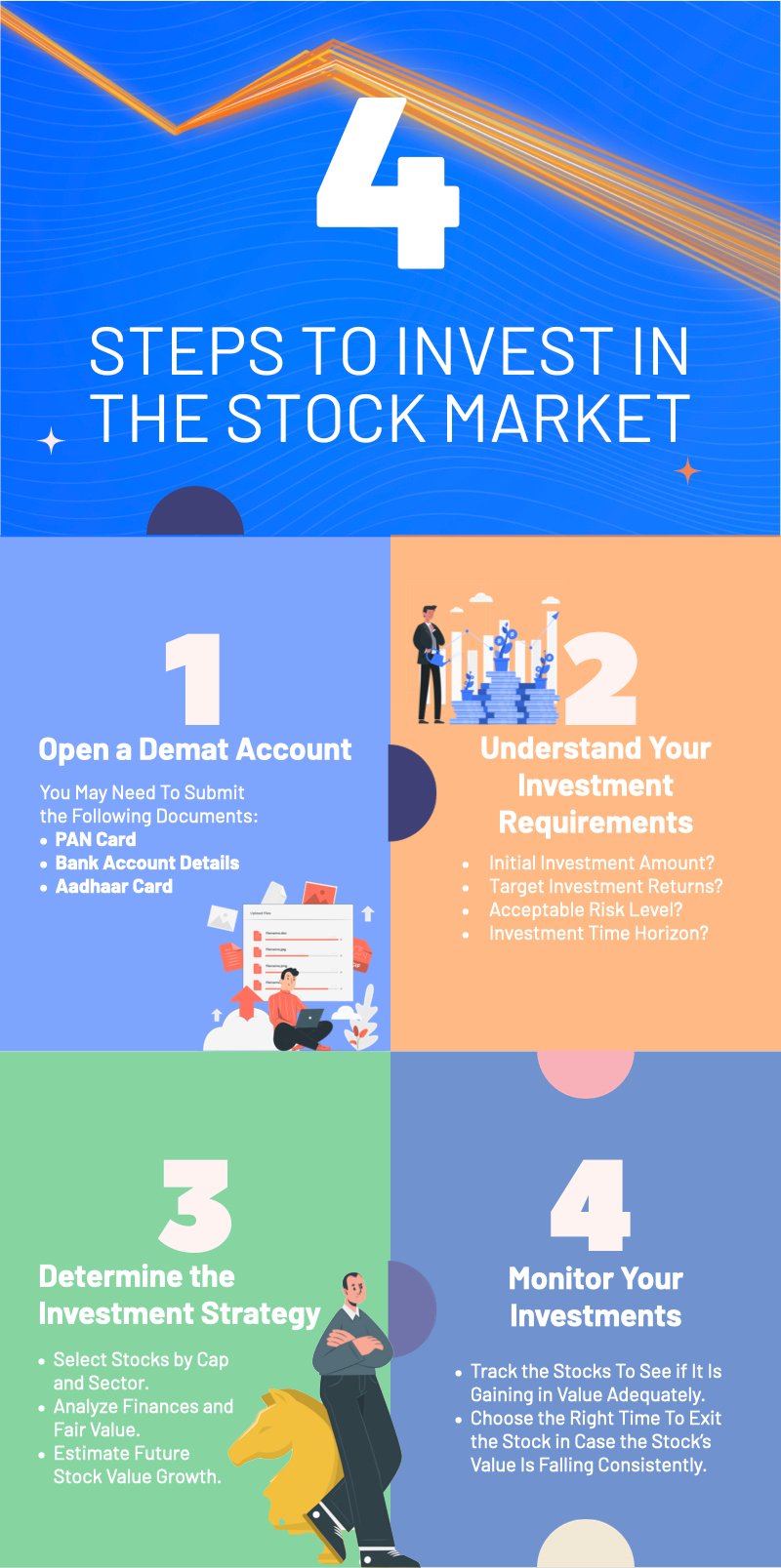
Before you even think about buying your first share, it’s crucial to grasp what the share market is, why people invest in it, and the basic terminology you’ll encounter. This foundational knowledge will serve as your compass in navigating the investment landscape.
What Exactly is the Share Market?
At its core, the share market (also known as the stock market or equity market) is a public marketplace where buyers and sellers trade shares of publicly listed companies. When you buy a share, you’re essentially purchasing a small ownership stake in that company. Companies issue shares to raise capital for growth, expansion, or debt repayment. In return, investors hope to profit from the company’s success through an increase in the share price (capital appreciation) or through dividends, which are portions of the company’s profits distributed to shareholders. The market is driven by supply and demand, news, company performance, economic indicators, and investor sentiment, leading to its characteristic fluctuations.
Why Invest in Shares? Benefits and Risks
Investing in shares offers several compelling benefits that make it an attractive option for long-term wealth building, but it also comes with inherent risks that must be understood and managed.
Benefits:
- Capital Appreciation: The primary draw for many investors is the potential for their shares to increase in value over time, allowing them to sell for a profit.
- Dividends: Many companies distribute a portion of their earnings to shareholders as dividends, providing a regular income stream.
- Inflation Hedge: Historically, the stock market has outperformed inflation, helping to preserve and grow purchasing power over the long term.
- Liquidity: Shares of publicly traded companies are generally easy to buy and sell, offering relatively high liquidity compared to other assets like real estate.
- Ownership and Influence: As a shareholder, you often have voting rights on certain company matters, giving you a say (albeit small for individual investors) in its direction.
Risks:
- Market Volatility: Share prices can fluctuate wildly due to various factors, leading to potential losses, especially in the short term.
- Company-Specific Risk: A company’s poor performance, bad management, or industry disruption can lead to a decline in its share price.
- Liquidity Risk: While generally liquid, some smaller or less traded stocks might be difficult to sell quickly without affecting their price significantly.
- No Guaranteed Returns: Unlike some fixed-income investments, there are no guarantees of returns in the share market; you can lose money.
- Emotional Investing: Fear and greed can lead investors to make irrational decisions, buying high or selling low.
Key Terminology for Beginners
Navigating the share market requires understanding a basic vocabulary. Here are a few essential terms:
- Stock/Share: A unit of ownership in a company.
- Equity: Represents ownership in a company, often used interchangeably with “stocks” or “shares.”
- Broker: An individual or firm that facilitates the buying and selling of shares on behalf of investors.
- Exchange: The marketplace where stocks are traded (e.g., NYSE, NASDAQ, BSE, NSE).
- Bull Market: A period when stock prices are generally rising or expected to rise.
- Bear Market: A period when stock prices are generally falling or expected to fall.
- Portfolio: The collection of all investments an individual holds.
- Diversification: Spreading investments across various assets, industries, and geographies to reduce risk.
- Dividend: A portion of a company’s profits paid periodically to shareholders.
- IPO (Initial Public Offering): The first time a company offers its shares for sale to the general public.
Preparing for Your Investment Journey
Before you even think about opening a brokerage account, it’s vital to ensure your personal finances are in order and you have a clear understanding of your investment goals and risk tolerance. Skipping this step is akin to setting sail without a map or knowing your destination.
Assess Your Financial Health
Sound financial health is the bedrock of successful investing. Before allocating funds to the share market, consider these crucial aspects:
- Emergency Fund: Ensure you have an emergency fund covering 3-6 months of living expenses saved in an easily accessible, liquid account. This fund acts as a safety net, preventing you from having to sell investments at an inopportune time due to unforeseen circumstances.
- High-Interest Debt: Prioritize paying off high-interest debt, such as credit card balances or personal loans. The guaranteed return from eliminating these debts often far exceeds the potential returns from the share market, especially for beginners. Mortgage debt or student loans might be manageable, but credit card debt is usually an immediate threat to your financial well-being.
Define Your Investment Goals
Your investment goals will dictate your strategy, the types of investments you choose, and your time horizon. Are you saving for a down payment on a house in five years, retirement in thirty years, or a child’s education?
- Short-Term Goals (1-5 years): For goals with a short timeline, the share market’s volatility might make it unsuitable for the primary investment vehicle. You wouldn’t want to sell shares at a loss if the market is down when you need the money. Consider more conservative options like high-yield savings accounts or short-term bonds.
- Long-Term Goals (5+ years): The share market is generally well-suited for long-term goals. Over extended periods, market fluctuations tend to smooth out, and the power of compounding can significantly grow your wealth.
Understand Your Risk Tolerance
Risk tolerance is your psychological comfort level with the potential for investment losses in exchange for potential gains. It’s a deeply personal factor influenced by your financial situation, age, personality, and experience.
- High Risk Tolerance: You’re comfortable with significant market fluctuations and potential temporary losses in pursuit of higher long-term returns.
- Moderate Risk Tolerance: You’re willing to take some risks but prefer a balance between growth and capital preservation.
- Low Risk Tolerance: You prioritize preserving capital and are uncomfortable with substantial market volatility, even if it means lower returns.
A good broker or financial advisor can help you assess this, but self-reflection is key. Be honest with yourself about how you would react to a significant downturn in your portfolio.
Opening Your Investment Account and Choosing a Broker
Once you’re financially prepared and clear on your goals, the next practical step is to choose a brokerage firm and open the necessary accounts to start trading. This is where your investment journey truly begins.
Types of Brokerage Accounts
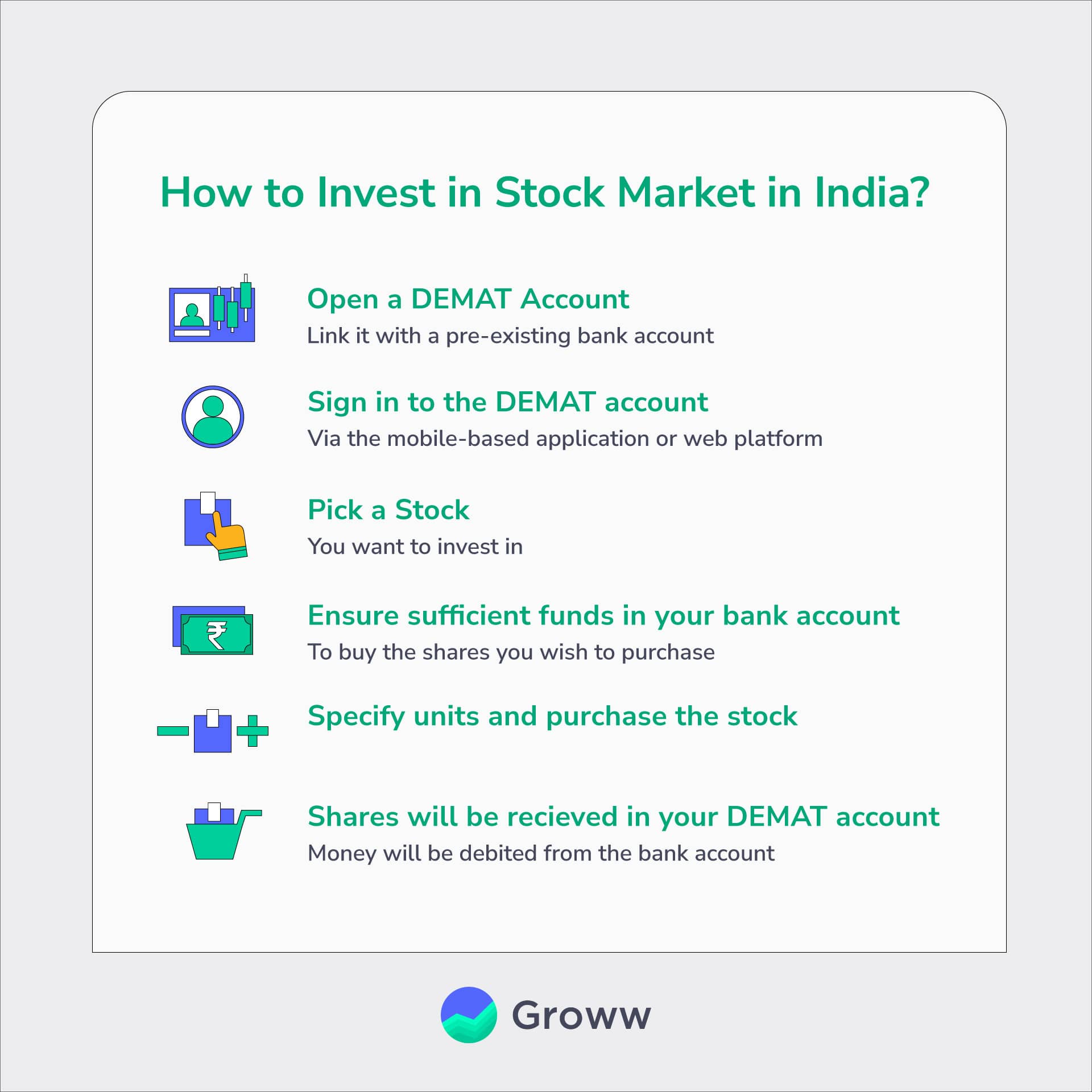
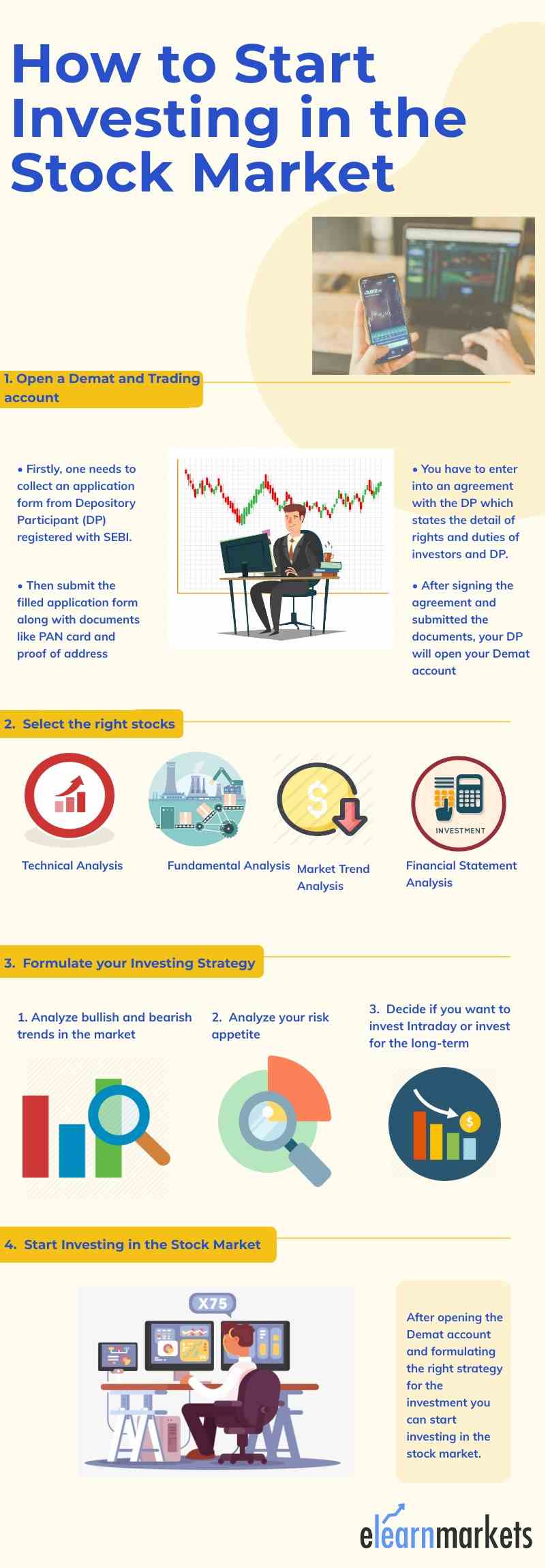
To invest in the share market, you’ll primarily need two types of accounts, often offered together by brokers:
- Demat Account (Dematerialized Account): This account holds your shares and other securities in electronic form, eliminating the need for physical share certificates. It’s like a digital locker for your investments.
- Trading Account: This account is linked to your Demat account and your bank account. It’s used to place buy and sell orders on the stock exchange. When you buy shares, money is debited from your bank account via the trading account and credited to the seller. When you sell, the process is reversed.
Some brokers may also offer a 3-in-1 account which integrates your savings bank account, Demat account, and trading account for seamless transactions.
What to Look for in a Broker
Choosing the right broker is a critical decision. Consider these factors:
- Fees and Commissions: Understand the charges for trades (brokerage fees), account maintenance, Demat charges, and any hidden costs. Discount brokers typically offer lower fees, while full-service brokers provide more research and advisory services at a higher cost.
- Platform and User Experience: A good trading platform should be intuitive, reliable, and easy to navigate. Check if they offer a web platform, desktop software, and a mobile app, and if these meet your needs.
- Research and Tools: Does the broker provide robust research reports, market analysis, stock screeners, charting tools, and educational resources? These can be invaluable, especially for beginners.
- Customer Service: How accessible and responsive is their customer support? You’ll want reliable help when you encounter issues or have questions.
- Regulatory Compliance and Security: Ensure the broker is regulated by the appropriate authorities (e.g., SEBI in India, SEC in the US) and has strong security measures to protect your account and personal information.
- Product Offerings: Beyond individual shares, do they offer mutual funds, ETFs, bonds, or other investment products you might consider in the future?
The Account Opening Process
Opening a brokerage account typically involves:
- Application Form: Filling out an online or physical application form.
- KYC (Know Your Customer) Documents: Submitting identity proof (PAN card, Aadhar card, passport), address proof (utility bills, driving license), and bank account details.
- In-Person Verification (IPV): Some brokers might require an in-person verification or a video KYC process.
- Agreement: Signing the terms and conditions.
- Account Activation: Once verified, your Demat and trading accounts will be activated, and you can start funding them.
Developing Your Investment Strategy
With your accounts set up, it’s time to think about how you’ll invest. A well-thought-out strategy is crucial for long-term success and for navigating market ups and downs without emotional decisions.
Diversification: The Golden Rule
Diversification is perhaps the most important concept in investing. It means spreading your investments across different assets, industries, and geographies to reduce risk. The adage “Don’t put all your eggs in one basket” perfectly encapsulates this principle.
- Asset Diversification: Don’t just invest in stocks; consider bonds, real estate, or other assets.
- Sector Diversification: Within stocks, invest across various industries (tech, healthcare, finance, consumer goods) so that a downturn in one sector doesn’t cripple your entire portfolio.
- Geographic Diversification: Consider international stocks to reduce reliance on a single economy.
- Company Size Diversification: Mix large-cap, mid-cap, and small-cap companies.
Diversification doesn’t guarantee profits or protect against all losses, but it significantly reduces the impact of any single poor-performing investment on your overall portfolio.
Active vs. Passive Investing
You generally have two broad approaches to managing your investments:
- Active Investing: This involves an investor or fund manager actively selecting individual stocks, trying to “beat the market” through diligent research, timing trades, and making strategic decisions. This approach requires significant time, research, and often comes with higher fees if you use actively managed funds.
- Passive Investing: This approach involves investing in funds that track a specific market index (e.g., S&P 500, Nifty 50). Exchange-Traded Funds (ETFs) and index mutual funds are common passive investment vehicles. The goal isn’t to beat the market, but to match its performance, typically at a much lower cost and with less effort. For beginners, passive investing through broad-market ETFs or index funds is often recommended as a low-cost, diversified way to participate in market growth.
Long-Term vs. Short-Term Trading
Your investment horizon will also shape your strategy:
- Long-Term Investing: Focuses on holding investments for many years (5+ years) to benefit from compounding and the natural growth of strong companies. This approach often involves fundamental analysis (evaluating a company’s financial health and business model). Value investing (buying undervalued stocks) and growth investing (buying stocks of companies expected to grow rapidly) are common long-term strategies. This is generally recommended for beginners.
- Short-Term Trading (Day Trading, Swing Trading): Involves buying and selling stocks rapidly, sometimes multiple times a day, to profit from small price fluctuations. This is a high-risk, high-stress activity that requires significant expertise, time commitment, and capital. It is not recommended for beginners.
Researching Companies and Markets
If you choose to invest in individual stocks, thorough research is paramount.
- Understand the Business: Invest in companies whose business models you understand. How do they make money? What are their products/services?
- Financial Health: Examine financial statements (balance sheet, income statement, cash flow statement). Look at revenue growth, profitability, debt levels, and cash flow.
- Management Team: Assess the competence and integrity of the company’s leadership.
- Competitive Landscape: Understand the industry, competition, and the company’s competitive advantages (moats).
- Valuation: Is the stock priced reasonably compared to its earnings, assets, and growth prospects?
Resources for research include company annual reports, quarterly earnings calls, financial news websites, investment research platforms, and your broker’s research reports.
Making Your First Investments and Ongoing Management
The moment you’ve been preparing for has arrived: making your first investment. But investing is not a one-time event; it’s an ongoing process of monitoring, adjusting, and continuous learning.
Placing Your First Order
Once you’ve identified an investment (whether it’s an individual stock, an ETF, or a mutual fund) and decided on the amount, you’ll place an order through your broker’s trading platform.
- Order Types:
- Market Order: Buys or sells shares immediately at the best available current market price. This is quick but you might not get the exact price you saw a second ago.
- Limit Order: Specifies the maximum price you’re willing to pay to buy or the minimum price you’re willing to accept to sell. Your order will only execute if the stock reaches your specified price. This gives you more control over price but might not execute immediately.
- Stop-Loss Order: An instruction to sell a stock if its price falls to a certain level, used to limit potential losses.
For beginners, using limit orders for buying can be a good way to ensure you’re comfortable with the entry price.
Start small. Your first investment doesn’t have to be a huge sum. Many beginners start with a small, manageable amount they are comfortable losing. This helps you get acquainted with the process without undue financial pressure.
Monitoring Your Portfolio
Regularly (but not obsessively) monitor your portfolio’s performance. Understand that market fluctuations are normal. Avoid the temptation to check your portfolio every hour or day, as this can lead to emotional decisions.
- Review Periodically: Check in monthly or quarterly to see how your investments are performing against your goals.
- Stay Informed: Keep an eye on major economic news and any significant developments concerning the companies or funds you hold.
Rebalancing and Staying Informed
Over time, different investments in your portfolio will grow at different rates, potentially skewing your asset allocation away from your target.
- Rebalancing: This involves periodically adjusting your portfolio back to your desired asset allocation. If stocks have performed exceptionally well, you might sell some stock to buy more bonds, or vice versa. This helps manage risk and maintain your strategy.
- Staying Informed: The investment world is dynamic. Continue learning about new investment strategies, market trends, economic indicators, and tax laws that might affect your investments. Read books, reputable financial news, and educational resources.
The Importance of Continuous Learning and Patience
Investing in the share market is a marathon, not a sprint.
- Patience is Key: Market returns often materialize over the long term. Don’t panic during downturns; historically, markets have recovered and gone on to reach new highs.
- Compound Interest: Allow the power of compounding to work for you. Reinvesting dividends and letting your returns generate further returns is a cornerstone of long-term wealth building.
- Continuous Education: The more you learn, the more confident and capable you’ll become as an investor. Understand that mistakes are part of the learning process, but learn from them.
Starting your investment journey in the share market is a significant step towards financial empowerment. By understanding the basics, preparing your finances, choosing the right tools, developing a sound strategy, and committing to continuous learning and patience, you can build a resilient portfolio and work towards achieving your financial aspirations. The market awaits your informed participation.
aViewFromTheCave is a participant in the Amazon Services LLC Associates Program, an affiliate advertising program designed to provide a means for sites to earn advertising fees by advertising and linking to Amazon.com. Amazon, the Amazon logo, AmazonSupply, and the AmazonSupply logo are trademarks of Amazon.com, Inc. or its affiliates. As an Amazon Associate we earn affiliate commissions from qualifying purchases.