
Starting a business from home presents an unparalleled opportunity for financial independence, flexibility, and the pursuit of a passion project. In an era where digital tools and global connectivity are readily available, the traditional barriers to entrepreneurship have significantly lowered. However, the path to success isn’t solely paved with innovative ideas or dedication; it requires a meticulous understanding and strategic management of the financial landscape. This guide delves into the essential monetary considerations, from initial investment to sustained profitability, ensuring your home-based venture not only launches but thrives financially.
Establishing a Solid Financial Footing
The cornerstone of any successful business, particularly one initiated from home, is a robust financial foundation. Without a clear understanding of your monetary needs and capabilities, even the most brilliant business concepts can falter. This initial phase demands rigorous planning and an honest assessment of your financial situation.
Assessing Your Startup Capital Needs
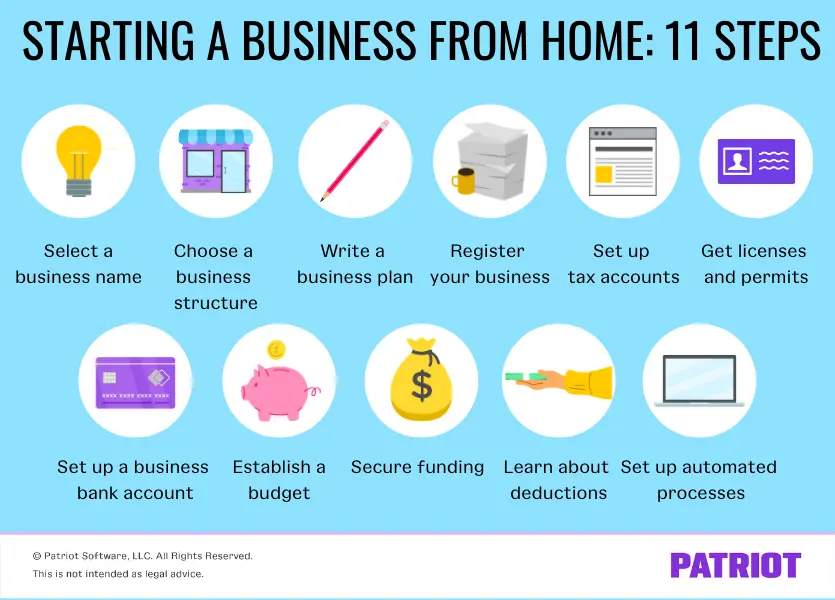
Before you even think about product development or marketing, you need to understand how much money you’ll need to get off the ground. Startup capital isn’t just about the glamorous launch; it covers the practical necessities. This includes initial inventory if you’re selling physical goods, software subscriptions for digital services, domain registration and web hosting for an online presence, essential office supplies, and potentially even initial legal or consulting fees. It’s crucial to differentiate between “must-have” expenses and “nice-to-have” luxuries. For a home business, the advantage is often lower overhead, but certain investments are non-negotiable for professionalism and functionality. Conduct thorough research into the costs associated with your specific business model.
Crafting a Realistic Budget and Financial Projections
Once you’ve identified your startup capital, the next step is to create a comprehensive budget and develop realistic financial projections. Your budget should detail all anticipated expenses for at least the first 6-12 months, including both one-time startup costs and recurring operational expenses. Operational costs might include utilities (which can increase with business use), internet, software licenses, marketing spend, and any outsourced services.
Financial projections, on the other hand, estimate your expected revenue. This requires market research to gauge potential sales volume and pricing strategies. Be conservative in your revenue estimates and prepare for a ramp-up period where expenses might outpace income. A common mistake is overestimating early revenue, leading to cash flow crises. This exercise isn’t just about numbers; it’s about validating the financial viability of your idea.
Separating Personal and Business Finances
One of the most critical steps for any home-based entrepreneur is to establish a clear distinction between personal and business finances from day one. Open a separate business bank account and, if possible, a dedicated business credit card. This separation simplifies bookkeeping, makes tax season significantly easier, and provides a clearer picture of your business’s true financial health. Commingling funds can lead to confusion, difficulty tracking profitability, and potential issues with tax authorities. It also fosters a professional mindset, treating your home business as a distinct entity with its own financial life.
Understanding Initial Investment vs. Operational Costs
It’s vital to differentiate between your initial investment (the capital required to set up) and your ongoing operational costs. Initial investment typically includes one-off purchases like specialized equipment, initial inventory, or business registration fees. Operational costs are the recurring expenses necessary to keep your business running, such as monthly software subscriptions, utility bills, raw materials, or marketing expenses. A clear understanding of both allows you to manage your cash flow effectively. Your initial investment might be covered by savings or a small loan, but your operational costs need to be covered by consistent revenue to ensure long-term sustainability.
Identifying Profitable Home Business Opportunities
The beauty of starting a business from home lies in the diverse range of opportunities available, many of which require minimal initial investment and offer substantial income potential. The key is to align your skills and passions with market demand and a clear path to profitability.
Leveraging Your Skills for Online Income Streams
Your existing skills and expertise are your most valuable assets. Consider how you can package your knowledge into services or products that can be delivered remotely. Are you a skilled writer? Freelance content creation, copywriting, or even starting a blog with monetized content are options. A graphic designer? Offer design services, create digital products like templates, or sell prints online. Experts in specific fields can offer consulting, coaching, or develop online courses. The internet acts as a vast marketplace for skill-based services, allowing you to reach clients globally without ever leaving your home office. The financial appeal here is often low overhead and high-margin services.
Exploring Low-Cost, High-Margin Business Models
Several home-based business models are inherently designed for profitability with minimal upfront costs.
- Dropshipping: This e-commerce model allows you to sell products without holding any inventory. When a customer places an order, you purchase the item from a third party and have it shipped directly to the customer. Your profit is the difference between your selling price and the supplier’s price. The financial advantage is zero inventory risk.
- Digital Products: Creating and selling digital products like e-books, online courses, templates, stock photos, or software can be incredibly lucrative. Once created, these products have virtually no production cost per unit and can be sold repeatedly, generating passive income streams.
- Affiliate Marketing: This involves promoting other companies’ products or services and earning a commission on sales generated through your unique referral link. It requires strong content creation and audience engagement but virtually no financial investment in product development.
- Service-Based Businesses: Consulting, virtual assistance, social media management, web design, or bookkeeping are all examples where your primary offering is your time and expertise, leading to high-profit margins.
Market Research for Financial Viability
Even the most brilliant idea needs a market. Before committing significant time or money, conduct thorough market research to assess demand and potential profitability. Who is your target audience? What problems do they need solving? Are they willing to pay for your solution? Analyze your competitors: what are they offering, and at what price point? Is there a gap in the market you can fill? Understanding the market size, customer pain points, and competitive landscape will help you position your offering effectively and set financially sound pricing. This research minimizes financial risk by validating demand before you invest heavily.
Pricing Strategies for Profitability

Pricing is a delicate balance. Price too low, and you undervalue your work and struggle to cover costs; price too high, and you might alienate potential customers. Effective pricing considers your costs (both direct and indirect), competitor pricing, perceived value, and your target profit margin. For services, consider hourly rates, project-based fees, or retainer models. For products, factor in material costs, time invested, and market benchmarks. Don’t be afraid to experiment and adjust your pricing as you gather more data and build a stronger brand. The goal is to maximize revenue while remaining competitive and fair.
Mastering Business Finance and Operations
Once your home business is operational, consistent financial management becomes paramount. This isn’t just about recording transactions; it’s about gaining insights into your financial performance and making informed decisions for sustained profitability.
Essential Tools for Financial Tracking and Accounting
Manual spreadsheets can work initially, but as your business grows, dedicated accounting software becomes invaluable. Tools like QuickBooks Self-Employed, FreshBooks, or Wave Accounting (free option) automate expense tracking, invoice generation, payment processing, and financial reporting. These tools provide a clear overview of your income and expenses, simplify tax preparation, and highlight areas where you might be overspending. Investing in good accounting software saves time, reduces errors, and provides critical data for financial analysis, ultimately contributing to better financial health.
Managing Cash Flow and Expenses from Home
Cash flow is the lifeblood of any business. It’s the movement of money into and out of your business. Positive cash flow means you have more money coming in than going out, allowing you to cover expenses, invest in growth, and maintain financial stability. Actively manage your cash flow by sending invoices promptly, following up on late payments, and carefully monitoring your expenses. For home businesses, it’s easy for personal and business expenses to blur, so maintain strict separation. Regularly review your expense reports to identify unnecessary costs or opportunities for savings, directly improving your profit margins.
Understanding Tax Implications for Home Businesses
Taxation is an inescapable reality for home business owners. Depending on your business structure (sole proprietor, LLC, etc.), you’ll have different tax obligations. This often includes paying estimated quarterly taxes, sales tax (if applicable), and self-employment taxes (Social Security and Medicare). Keep meticulous records of all income and expenses, as many home business expenses are tax-deductible (e.g., a portion of your home office, utilities, internet, business-related software). Consult with a tax professional early on to understand your specific obligations and optimize your tax strategy, avoiding costly surprises down the line. Proper tax planning is a direct impact on your net profitability.
Setting Up Payment Gateways and Billing Systems
To ensure a smooth financial transaction process for your customers, you need reliable payment gateways and billing systems. Options like PayPal, Stripe, Square, or Shopify Payments allow you to accept credit card payments online securely. For service-based businesses, integrating these with invoicing software creates a seamless billing experience. Choose systems that offer reasonable transaction fees and integrate well with your website or accounting software. A streamlined payment process not only looks professional but also encourages prompt payments, contributing positively to your cash flow.
Strategies for Financial Growth and Sustainability
Starting a home business is just the beginning; the real challenge and reward lie in fostering sustainable financial growth. This involves strategic reinvestment, diversification, and continuous performance monitoring.
Reinvesting Profits for Expansion
Once your business starts generating a profit, resist the temptation to immediately draw all the earnings. Smart entrepreneurs strategically reinvest a portion of their profits back into the business to fuel growth. This could mean upgrading equipment, investing in more effective marketing campaigns, developing new products or services, hiring contractors, or enhancing your website. Reinvestment isn’t about spending; it’s about allocating capital to initiatives that promise a strong return on investment, leading to increased revenue and long-term financial stability.
Diversifying Income Streams
Reliance on a single income stream can be precarious. To build a more resilient home business, explore opportunities to diversify your revenue. If you offer consulting services, consider creating an online course or an e-book on your area of expertise. If you sell physical products, explore adding digital complements or subscription boxes. Diversification can smooth out seasonal fluctuations in demand, mitigate risks associated with a single market, and create multiple avenues for passive or semi-passive income, enhancing your overall financial security.
Monitoring Financial Performance and KPIs
Regularly monitoring your financial performance is crucial for understanding what’s working and what isn’t. Key Performance Indicators (KPIs) like gross profit margin, net profit margin, customer acquisition cost (CAC), customer lifetime value (CLV), and return on investment (ROI) on marketing spend provide valuable insights. Your accounting software can help generate reports on these metrics. By tracking these KPIs, you can identify trends, make data-driven decisions to optimize pricing, reduce costs, or refine your marketing efforts, all of which directly impact your financial bottom line. This continuous financial health check-up is vital for proactive management.
Planning for Future Financial Security and Exit Strategies
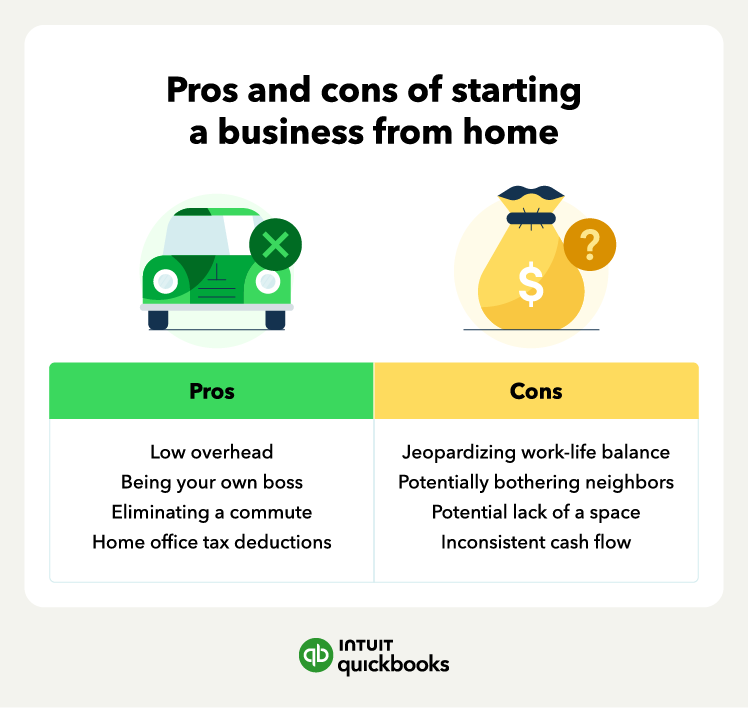
While building your business, it’s wise to think about your long-term financial security and potential exit strategies. This might involve setting up a retirement account for yourself as a self-employed individual (like a SEP IRA or Solo 401(k)) or building a significant emergency fund for your business. An exit strategy, whether it’s selling the business, passing it on, or scaling it down, shapes your growth decisions and financial structure. Even if years away, thinking about the value you are building and how that value could eventually translate into a substantial financial return provides motivation and a strategic framework for your decisions today.
Starting a business from home is an exciting venture, but its success fundamentally hinges on sound financial management. By meticulously planning your finances, identifying profitable opportunities, mastering operational economics, and strategizing for growth, you can transform a home-based idea into a robust and financially rewarding enterprise. The journey requires diligence, continuous learning, and a keen eye on the numbers, but the financial freedom and autonomy it offers are truly priceless.
aViewFromTheCave is a participant in the Amazon Services LLC Associates Program, an affiliate advertising program designed to provide a means for sites to earn advertising fees by advertising and linking to Amazon.com. Amazon, the Amazon logo, AmazonSupply, and the AmazonSupply logo are trademarks of Amazon.com, Inc. or its affiliates. As an Amazon Associate we earn affiliate commissions from qualifying purchases.