
In an increasingly interconnected world, the ability to send money to friends, family, or businesses — whether they are across town or across an ocean — has become a fundamental necessity. The days of solely relying on physical cash or slow postal checks are largely behind us, replaced by a diverse ecosystem of digital and traditional financial tools. Understanding the various options available, their nuances, and the critical factors that influence their suitability, is essential for making informed and secure financial decisions. This guide will delve into the multifaceted landscape of money transfers, empowering you to choose the most effective method for your specific needs, all while prioritizing cost-efficiency and security.
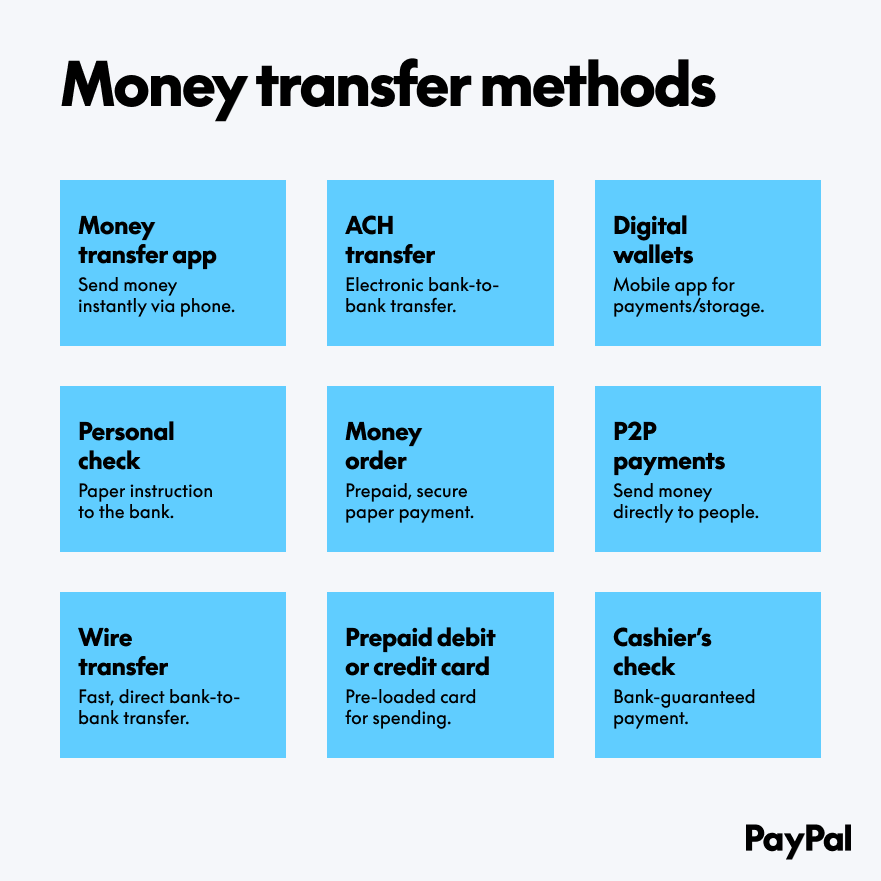
Navigating the Modern Landscape of Money Transfers
The way we move money has undergone a profound transformation, evolving from physical exchanges to sophisticated digital platforms. This evolution has brought unparalleled convenience but also demands a new level of awareness from consumers.
The Evolution of Payments
For centuries, money transfer was a cumbersome process, often involving physical couriers, postal services, or direct bank wires that were slow and expensive. The advent of the internet and subsequent mobile technologies has dramatically accelerated this process, giving rise to real-time payment systems, peer-to-peer (P2P) apps, and specialized international transfer services. Today, you can initiate a payment from your smartphone and have funds delivered almost instantaneously, often at a fraction of the cost of older methods. This rapid innovation has democratized access to financial services, but it also means that the choice of method requires careful consideration.
Key Considerations Before Sending Money
Before initiating any money transfer, several critical factors should guide your decision. Prioritizing these considerations will ensure the transfer is successful, secure, and cost-effective.
- Recipient’s Location: Are you sending money domestically or internationally? Different services specialize in different corridors.
- Speed: How quickly does the recipient need the funds? Options range from instant transfers to those that take several business days.
- Cost: What are the fees involved, and are there any hidden charges or unfavorable exchange rates (for international transfers)?
- Security: How secure is the method? What protections are in place for both sender and receiver?
- Convenience: How easy is it for both you and the recipient to use the service? Does the recipient have access to the necessary infrastructure (e.g., bank account, app, pick-up location)?
- Amount: The size of the transfer might influence the best method, as some services have limits or offer better rates for larger sums.
Popular Methods for Domestic Money Transfers
Within a single country, a variety of efficient and widely accepted methods exist for sending money. These range from traditional banking services to modern digital solutions.
Bank-to-Bank Transfers: Wires, ACH, and Zelle
Traditional banks remain a cornerstone of money transfers, offering several reliable options:
- Wire Transfers: These are direct electronic transfers between bank accounts, often processed on the same day. Wires are typically used for large sums due to their high security and reliability, but they usually come with higher fees compared to other bank-based methods. They are irreversible, making them suitable for high-value, time-sensitive transactions but also demanding extreme caution.
- ACH (Automated Clearing House) Transfers: ACH transfers are electronic payments processed in batches, making them slower but generally cheaper or even free. They are commonly used for direct deposits, bill payments, and interbank transfers. While not instant, they are a cost-effective solution for non-urgent domestic payments, usually taking 1-3 business days.
- Zelle: Integrated directly into many banking apps, Zelle allows for fast, free, and secure peer-to-peer payments between participating U.S. bank accounts. Funds are typically available within minutes, provided both parties have Zelle-enabled bank accounts. It’s excellent for splitting bills or sending money to friends and family you trust, but like wire transfers, payments are generally irreversible once sent.
Digital Wallets and Peer-to-Peer (P2P) Apps
The rise of smartphones has propelled digital wallets and P2P apps into mainstream use, offering unparalleled convenience for everyday transactions.
- PayPal: A pioneer in online payments, PayPal allows users to send and receive money, shop online, and manage funds through linked bank accounts or debit/credit cards. Sending money to friends and family from your PayPal balance or linked bank account is often free, though fees may apply for credit card transactions or business payments. Its widespread adoption makes it highly versatile.
- Venmo: Owned by PayPal, Venmo is popular for its social features, allowing users to share and comment on transactions. It’s primarily designed for fast, free payments between friends and family within the U.S. from linked bank accounts or debit cards. Like Zelle, payments are typically instant and irreversible.
- Cash App: Similar to Venmo, Cash App facilitates easy P2P transfers, allows users to invest in stocks and Bitcoin, and even offers a linked debit card. It’s popular for its simplicity and additional features, often used for smaller, frequent transfers among a younger demographic.
- Google Pay/Apple Pay: While primarily known for contactless payments in stores, these platforms also offer P2P money transfer functionalities, leveraging their integration with mobile devices for quick and secure transactions.
Traditional Methods: Checks and Cashier’s Checks
Though less prevalent in the digital age, traditional paper-based methods still have their place, especially for specific situations or those less comfortable with digital platforms.
- Personal Checks: While slow and susceptible to fraud, personal checks are still used for certain payments, particularly for rent, utilities, or to individuals without digital payment access. Funds take time to clear, and there’s a risk of the check bouncing if the sender has insufficient funds.
- Cashier’s Checks/Money Orders: Issued by banks or post offices, these are guaranteed forms of payment, as the funds are drawn directly from the issuer’s account or pre-paid by the sender. They offer a high level of security and are often required for large purchases (e.g., vehicle down payments) where a personal check isn’t accepted. They incur a small fee but provide proof of funds.
Sending Money Across Borders: International Transfers
Sending money internationally introduces additional complexities, including exchange rates, varying regulations, and a wider array of specialized services.
Specialized International Money Transfer Services
These services are designed specifically for cross-border transactions, often offering competitive exchange rates and lower fees than traditional banks.

- Wise (formerly TransferWise): Known for its transparent fee structure and use of mid-market exchange rates, Wise facilitates international transfers to bank accounts in numerous currencies. It’s often one of the most cost-effective options for bank-to-bank transfers.
- Remitly: Specializing in remittances, Remitly offers various delivery options, including bank deposits, cash pickup, and mobile money, often with competitive rates and faster delivery times to specific corridors.
- Xoom (a PayPal service): Xoom allows users to send money for cash pickup, bank deposit, or even home delivery in many countries, leveraging PayPal’s global network for ease of use.
- Western Union/MoneyGram: These long-standing services specialize in cash pickup, allowing recipients to collect funds from physical agent locations worldwide, even without a bank account. While convenient for recipients without bank access, their exchange rates and fees can sometimes be less competitive than online-only services.
Bank Wire Transfers for Global Transactions
Just like domestic wires, international wire transfers are an option for sending money globally through your bank. They are highly secure and reliable for large sums but typically involve higher fees and less favorable exchange rates compared to specialized services. They can also take several business days to complete due to the complexity of international banking networks and compliance checks.
Cryptocurrency and Blockchain: A Nascent Option
For the tech-savvy, cryptocurrencies like Bitcoin and stablecoins offer a decentralized method of transferring value across borders.
- Advantages: Potentially lower fees, faster transaction times (especially compared to traditional banking hours), and bypasses traditional financial intermediaries.
- Challenges: Volatility (for non-stablecoins), complexity for beginners, regulatory uncertainty, and the need for both sender and recipient to have cryptocurrency wallets and understand the technology. While not yet mainstream for everyday remittances, it represents a significant future direction for global money transfers.
Ensuring Security and Managing Costs
Regardless of the method chosen, paramount importance must be placed on the security of the transaction and understanding the true cost involved.
Protecting Your Financial Information
The digital nature of most modern money transfers means vigilance is crucial:
- Only Send to Trusted Individuals: Most P2P payments are irreversible. Only send money to people you know and trust.
- Verify Recipient Details: Double-check names, account numbers, email addresses, or phone numbers. A single typo can send your money to the wrong person, and recovery might be impossible.
- Use Strong Passwords and Two-Factor Authentication (2FA): Protect your financial apps and accounts with robust security measures.
- Beware of Scams: Be skeptical of unsolicited requests for money, especially from unknown individuals or organizations promising unlikely returns. Common scams include those involving fake lotteries, romantic interests, or urgent situations.
- Public Wi-Fi Caution: Avoid making financial transactions on unsecured public Wi-Fi networks.
Understanding Fees, Exchange Rates, and Hidden Charges
The advertised fee is often just one component of the total cost, especially for international transfers:
- Transfer Fees: Some services charge a flat fee, while others charge a percentage of the amount sent.
- Exchange Rate Markups: For international transfers, many services add a margin to the interbank exchange rate (the mid-market rate). This difference is effectively a hidden fee. Always compare the exchange rate offered by the service to the current mid-market rate (easily found on financial news sites).
- Recipient Fees: In some cases, the recipient’s bank or the cash pickup agent might charge a fee.
- Credit Card Fees: Using a credit card to fund a transfer often incurs additional cash advance fees from your credit card issuer. Using a debit card or bank account is usually cheaper.
Best Practices for Secure Transactions
- Keep Records: Save confirmation numbers, transaction IDs, and receipts for all transfers.
- Use Reputable Services: Stick to well-known and regulated financial institutions and money transfer services.
- Report Suspicious Activity: If you suspect fraud or an unauthorized transaction, report it to your financial institution and the service provider immediately.
Choosing the Right Method for Your Needs
With such a vast array of options, making the optimal choice requires a careful assessment of your specific circumstances.
Speed vs. Cost vs. Convenience
These three factors are often in a trade-off relationship. If immediate delivery is paramount, you might pay higher fees (e.g., wire transfers, Zelle, instant P2P apps). If cost-saving is the priority and time isn’t an issue, slower methods like ACH or international services with competitive exchange rates might be better. Convenience plays a role in how easily you and your recipient can initiate and receive the funds.
Recipient Accessibility and Preferences
Always consider the recipient’s situation. Do they have a bank account? Do they use a specific digital wallet? Is cash pickup the only viable option for them? The best method is one that works seamlessly for both parties. Communicating with the recipient beforehand can save time and prevent issues.

The Importance of Due Diligence
Before committing to any service, take a few moments to:
- Compare Rates and Fees: Use online comparison tools or check multiple providers.
- Read Reviews: Look for feedback on reliability, customer service, and security.
- Understand Terms and Conditions: Pay attention to limits, processing times, and cancellation policies.
In conclusion, the ability to send money efficiently and securely is a cornerstone of modern financial life. By understanding the diverse landscape of options—from traditional bank services and modern digital wallets to specialized international platforms—and by diligently considering factors like speed, cost, security, and recipient needs, you can confidently navigate your financial transfers. Staying informed, exercising caution against scams, and always verifying details will ensure your money reaches its intended destination, every time.
aViewFromTheCave is a participant in the Amazon Services LLC Associates Program, an affiliate advertising program designed to provide a means for sites to earn advertising fees by advertising and linking to Amazon.com. Amazon, the Amazon logo, AmazonSupply, and the AmazonSupply logo are trademarks of Amazon.com, Inc. or its affiliates. As an Amazon Associate we earn affiliate commissions from qualifying purchases.