
Selling a used car is more than just posting an ad; it’s a significant financial transaction that, when executed strategically, can yield substantial returns or, if mishandled, lead to unnecessary losses and frustration. For many, a car is one of their most valuable assets outside of a home, and understanding the financial intricacies of its sale is paramount. This guide delves into the personal finance aspects of selling your used vehicle, offering insights and actionable strategies to help you maximize your profit, minimize risks, and navigate the process with confidence. From initial valuation to final transaction, every step has a financial implication that savvy sellers must consider.
Preparing Your Car for Optimal Financial Return
The foundation of a successful car sale begins long before you list it. Strategic preparation can significantly enhance your car’s market appeal and, crucially, its financial value. This involves a careful assessment of its worth, targeted improvements, and meticulous organization of essential documentation.
Understanding Your Car’s Market Value
Before you can set a price, you need to know what your car is truly worth in the current market. This isn’t just about what you paid for it or what you think it should sell for; it’s about objective data. Utilize reputable online valuation tools such as Kelley Blue Book (KBB), Edmunds, and NADAguides. These platforms consider various factors:
-
Year, Make, Model, and Trim Level: The fundamentals of your vehicle.
-
Mileage: Lower mileage generally commands higher prices.
-
Condition: This is critical. Be honest about your car’s condition (excellent, good, fair, poor) as this heavily influences the valuation. KBB, for instance, provides clear definitions for each category.
-
Features and Options: Premium packages, advanced safety features, navigation systems, or sunroofs can add value.
-
Local Market Demand: Specific models might be more desirable in certain regions or during particular seasons. Research recently sold listings for similar vehicles in your area to get a realistic sense of the market.
-
History Reports: A clean CarFax or AutoCheck report, showing no accidents or major issues, adds significant financial peace of mind for buyers.
Accurately assessing your car’s market value empowers you to set a competitive price, avoiding both underselling and overpricing your asset.
Strategic Repairs and Detailing
While it might seem counterintuitive to spend money before selling, strategic repairs and thorough detailing can often result in a net financial gain. The goal is to address issues that significantly detract from value or appeal, without over-investing in repairs that won’t be recouped.
-
Cost-Benefit Analysis of Repairs: Focus on “bang for your buck” repairs. Minor mechanical issues that impact safety or driveability (e.g., brakes, tires, check engine light) are often worth fixing, as they can deter buyers or lead to significant price reductions during negotiation. Aesthetic repairs like minor dents or scratches might be worth it if the cost is low and the visual impact is high. Major engine or transmission overhauls, however, typically yield a poor return on investment. Get quotes for repairs and weigh them against the potential increase in sale price.
-
The Power of a Clean Car: A professionally detailed car (or a meticulously cleaned one by yourself) can create an excellent first impression, conveying that the car has been well-maintained. This psychological impact can lead to a quicker sale and a higher asking price. Buyers are often willing to pay a premium for a car that looks and smells fresh, perceiving it as more reliable and cared for. Focus on both interior (vacuuming, wiping surfaces, odor removal) and exterior (wash, wax, tire shine).
Gathering Essential Documentation
Organized documentation isn’t just a formality; it’s a financial asset. Having all your paperwork in order demonstrates transparency, builds buyer confidence, and can justify your asking price.
-
Vehicle Title (Pink Slip): This is non-negotiable. Ensure it’s clear of any liens if you own the car outright. If there’s an outstanding loan, understand the process for obtaining the title from your lender.
-
Maintenance and Service Records: A comprehensive history of oil changes, tire rotations, major services, and repairs proves diligent maintenance, suggesting the car is mechanically sound. This can be a significant selling point, especially for higher-mileage vehicles.
-
Vehicle History Report: Consider purchasing a CarFax or AutoCheck report yourself, or at least having the VIN readily available for potential buyers to run one. A clean report enhances trust and value.
-
Owner’s Manual: While not critical, having the original manual adds a touch of completeness.
Navigating Pricing and Negotiation Strategies
Once your car is prepared and you understand its market value, the next critical financial step is setting an effective price and skillfully negotiating with potential buyers. This phase directly impacts your final profit margin.
Setting the Right Price
Pricing your car correctly is an art. It’s a balance between maximizing your profit and attracting buyers.
-
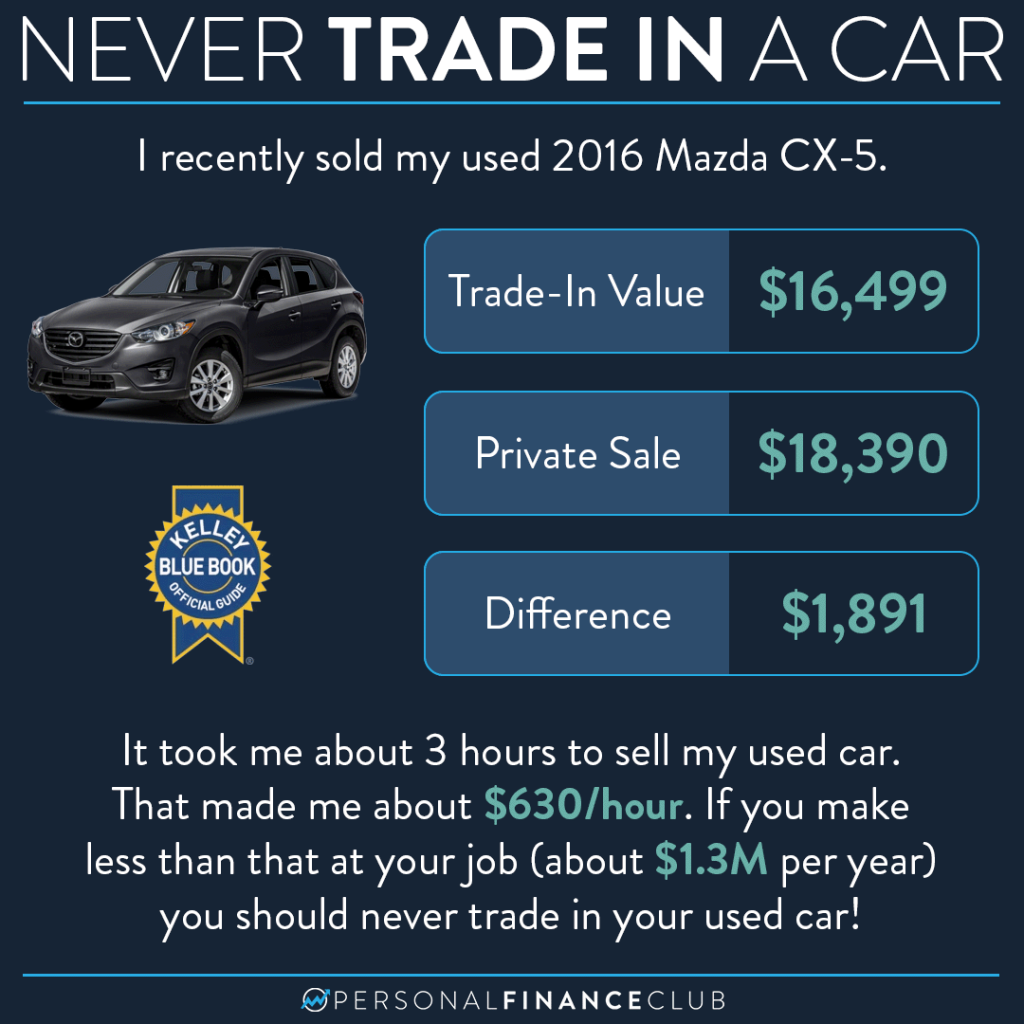
Private Sale vs. Trade-In vs. Dealer Offer: Understand the different valuations. A private sale generally yields the highest return because you cut out the middleman (dealer profit margin). A trade-in is convenient but often offers the lowest payout. Direct offers from car-buying services fall somewhere in between.
-
The Art of Setting an Initial Price: Use your market research (KBB, Edmunds, local listings) to establish a realistic range. It’s often strategic to price slightly above your absolute minimum acceptable price to allow for negotiation. However, don’t overprice excessively, as this will deter potential buyers and make your car sit on the market. A good rule of thumb is to price 5-10% above your target sale price, depending on market demand and your car’s unique selling points.
-
Being Flexible but Firm: Be prepared to justify your price with documentation (service records, valuation reports) and the car’s condition.
Mastering the Art of Negotiation
Negotiation is where many sellers falter, potentially leaving money on the table.
-
Know Your Bottom Line: Before any interaction, determine the absolute lowest price you are willing to accept. Stick to it. This prevents emotional decisions during intense negotiations.
-
Listen More, Talk Less: Understand the buyer’s concerns and priorities. This insight can help you frame your responses and highlight aspects of the car that address their needs.
-
Highlight Value, Not Just Features: Instead of just listing features, explain the benefits (e.g., “The excellent fuel economy will save you money on gas every week,” rather than “It gets 30 MPG”).
-
Counter Offers Tactfully: Don’t accept the first offer, especially if it’s a lowball. A polite “I appreciate your offer, but I’m looking for closer to X given the car’s condition and maintenance history” is effective. Be prepared for back-and-forth.
-
Walk Away if Necessary: If a buyer is unwilling to meet your reasonable bottom line, be prepared to end the negotiation. There will always be other buyers.
Understanding Transaction Costs and Fees
Selling a car isn’t just about the sale price; it involves various costs that can eat into your profit.
-
Preparation Costs: Detailing, minor repairs, vehicle history reports.
-
Advertising Costs: While many online platforms are free, premium listings or classified ads can incur fees.
-
Outstanding Loan Balances: If you have a loan, you’ll need to pay it off. Understand the payoff amount, which includes the principal and any accrued interest. This is a crucial financial calculation to ensure you don’t owe more than the car is worth.
-
State-Specific Fees: Some states may have minor fees associated with title transfer or other paperwork.
-
Time and Effort: While not a direct monetary cost, your time spent preparing, listing, showing, and negotiating is a valuable resource. Factor this into your decision-making process when choosing a selling method.
Exploring Different Avenues for Selling
The channel you choose to sell your car through has significant financial implications, balancing potential profit with convenience and speed. Each option caters to different priorities and risk tolerances.
Private Party Sale: Maximizing Profit Potential
Selling your car directly to another individual generally offers the highest financial return because you avoid dealer markups and fees.
-
Benefits: You control the price, negotiation, and terms. You typically get more money than a trade-in or dealer purchase.
-
Challenges: Requires more time and effort (creating listings, responding to inquiries, scheduling test drives, handling paperwork). There’s a higher risk of encountering scammers or difficult buyers.
-
Where to List: Popular online marketplaces like Facebook Marketplace, Craigslist, AutoTrader, and specialized forums.
-
Screening Buyers and Safety Tips: Always meet in a public, well-lit place. Never allow a test drive without you present and verifying the buyer’s license and insurance. Be wary of unusual payment requests or pressure tactics.
Dealer Trade-In or Direct Purchase: Convenience vs. Value
For those prioritizing speed and convenience over maximizing profit, selling to a dealer can be an attractive option.
-
Trade-In: When you trade your car in at a dealership towards a new purchase, you typically receive a lower value than a private sale. However, the convenience is unparalleled (no advertising, no meeting strangers, no paperwork headaches). In some states, trading in a car can also reduce the sales tax on your new vehicle purchase, providing a financial benefit.
-
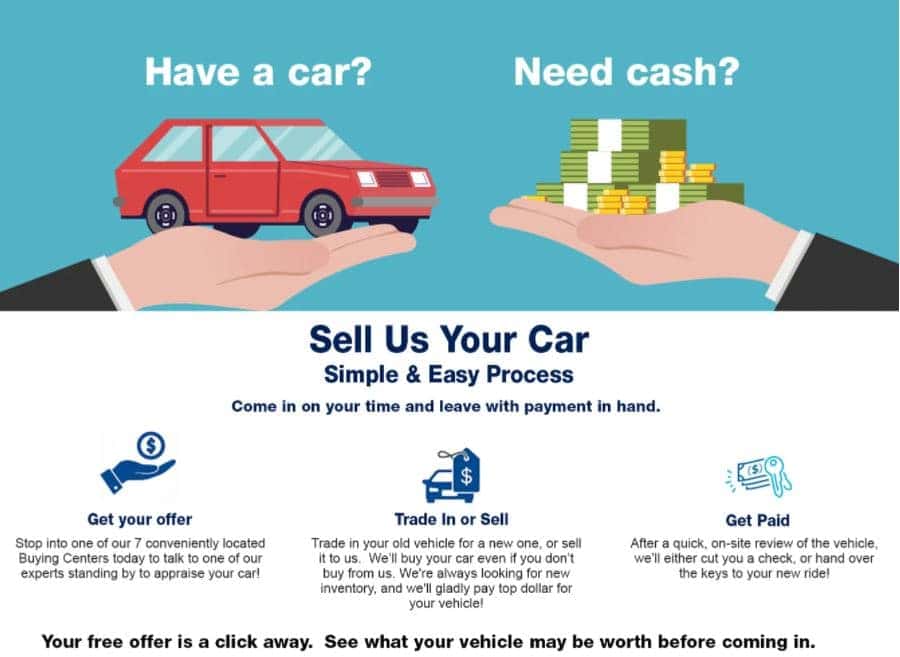
Direct Purchase: Many dealerships and dedicated car-buying chains (e.g., CarMax, Carvana’s direct buy option) will purchase your car outright, even if you don’t buy from them. This offers a quick, no-hassle sale with an immediate payout. Again, the offer will likely be lower than a private sale, but it eliminates the effort and risk.
-
When It’s a Good Option: If you need to sell quickly, have an older car with maintenance issues, or simply don’t want the hassle of a private sale, these options offer a straightforward solution.
Online Car Buying Platforms: A Modern Approach
The rise of platforms like Carvana, Vroom, and Shift offers a hybrid approach, combining some of the convenience of dealer sales with potentially better offers than traditional trade-ins.
-
How They Work: You submit your car’s details online, receive an instant offer, and if accepted, they often pick up the car from your home after a quick inspection. Payment is typically quick and secure.
-
Advantages: Extreme convenience, speed, transparency in the offer process, and often competitive pricing that can sometimes beat a traditional dealer trade-in.
-
Potential Financial Trade-offs: While often better than a trade-in, their offers might still be less than what you could achieve through a well-executed private sale, as they need to build in their own profit margin. It’s crucial to get quotes from multiple platforms and compare them to your private sale potential.
Ensuring a Smooth and Secure Financial Transaction
The final stage of selling your car involves the actual financial exchange and legal transfer of ownership. This is where vigilance against fraud and adherence to proper procedures are critical to protect your financial interests.
Handling Payments Securely
This is arguably the most financially sensitive part of the sale. Protecting yourself from fraud is paramount.
-
Avoid Personal Checks: These are highly susceptible to bouncing, leaving you without your car and without payment.
-
Cashier’s Check/Bank Check: Generally considered secure, as they are drawn from the bank’s own funds. However, always verify the check with the issuing bank before releasing the car. Be wary of checks for amounts greater than the sale price, a common scam.
-
Wire Transfer/Bank Transfer: A secure and often preferred method, as funds are directly moved from the buyer’s account to yours. Ensure the transfer is complete and funds are cleared before signing over the title.
-
Cash: For smaller amounts, cash can be acceptable. Always count it in front of the buyer and ideally, in a bank to deposit immediately.
-
Escrow Services: For higher-value vehicles, a reputable third-party escrow service can hold the funds until all conditions of the sale are met, adding an extra layer of security for both parties.
Transferring Ownership Legally and Financially
Properly transferring ownership is essential to absolve you of future liability and financial responsibility for the vehicle.
-
Bill of Sale: Always create a detailed bill of sale, including the date, sale price, buyer’s and seller’s names and addresses, VIN, odometer reading, and “as-is” clause (if applicable). Both parties should sign and receive a copy. This is your financial proof of the transaction.
-
Title Transfer: The legal transfer of ownership. You will sign the title over to the buyer according to your state’s Department of Motor Vehicles (DMV) or equivalent agency requirements. Ensure all fields are correctly filled out.
-
Notifying the DMV: In many states, you are required to notify the DMV that you have sold the vehicle. This officially removes your name as the owner and protects you from any future tickets, accidents, or liabilities involving the car. Failing to do so can have severe financial repercussions.
Post-Sale Financial Responsibilities
Even after the sale, there are a few lingering financial and administrative tasks to complete.
-
Canceling Insurance: Once the car is sold and ownership transferred, immediately contact your insurance provider to cancel or adjust your policy. Don’t pay for insurance on a car you no longer own.
-
Removing Personal Items: Double-check the car for any forgotten personal belongings, documents, or garage door openers.
-
Updating Vehicle Registration: Ensure your state’s registration records are updated to reflect the new owner.
Financial Considerations Beyond the Sale
Selling your used car doesn’t just end with receiving payment. What you do with the proceeds, and how you manage any outstanding financial obligations, are crucial elements of responsible personal finance.
Managing Outstanding Loans
If you’re selling a car that still has an outstanding loan (a lien), the process requires careful coordination with your lender.
-
Obtain a Payoff Quote: Contact your lender for the exact payoff amount, which includes the remaining principal, any accrued interest, and sometimes a small processing fee. This amount is crucial because it must be fully paid to release the lien and allow you to transfer the clear title to the buyer.
-
Coordination with Buyer and Lender: Often, the buyer will pay the lender directly (via cashier’s check or wire), with any remaining balance going to you. Alternatively, you might pay off the loan yourself and then transfer the clear title to the buyer. Ensure all parties understand the process and that the title release is expedited. Never sign over the car until the loan is fully satisfied and you can provide a clear title or guarantee its immediate delivery.
Reinvesting Your Proceeds
The money you get from selling your car is a financial asset. How you utilize it can significantly impact your financial health.
-
Pay Down High-Interest Debt: If you have credit card debt or other high-interest loans, using the car sale proceeds to pay them down can offer an excellent return on investment by reducing future interest payments.
-
Boost Your Emergency Fund: Strengthen your financial safety net by directing the funds into your emergency savings account.
-
Invest for Future Goals: Consider contributing to a retirement account (IRA, 401k) or a brokerage account to grow your wealth over the long term.
-
Fund Your Next Vehicle: If you’re buying another car, using the proceeds as a larger down payment can reduce your loan amount, lower your monthly payments, and save you money on interest over the life of the loan.

Tax Implications of Selling a Used Car
For most individuals selling a personal used car, there are typically no federal capital gains taxes. This is because personal use assets, especially cars, usually depreciate over time, meaning you sell them for less than you originally paid.
-
When Taxes Might Apply: In rare instances, if you sell a classic or antique car, or a highly collectible vehicle, for more than you paid for it (adjusted for any improvements), you might realize a capital gain, which would be taxable. Keep records of your original purchase price and any significant investments into the vehicle.
-
State Sales Tax: Be aware of your state’s sales tax laws. In some states, a new vehicle purchase might offer a sales tax credit for a trade-in, which is a financial incentive to go that route. However, for a private sale, the responsibility for sales tax typically falls on the buyer when they register the vehicle.
Selling a used car is a multi-faceted process that requires careful financial planning and execution. By understanding your car’s true market value, strategically preparing it for sale, mastering the art of pricing and negotiation, choosing the right sales channel, and diligently managing the financial and legal aspects of the transaction, you can ensure a profitable and stress-free experience. From initial research to post-sale financial decisions, every step is an opportunity to optimize your financial outcome and demonstrate sound personal finance management.
aViewFromTheCave is a participant in the Amazon Services LLC Associates Program, an affiliate advertising program designed to provide a means for sites to earn advertising fees by advertising and linking to Amazon.com. Amazon, the Amazon logo, AmazonSupply, and the AmazonSupply logo are trademarks of Amazon.com, Inc. or its affiliates. As an Amazon Associate we earn affiliate commissions from qualifying purchases.