
Discovering that you owe money to the Internal Revenue Service (IRS) can be a daunting prospect, but the first and most crucial step is always to ascertain your exact financial standing with the tax agency. Whether due to underpayment, missed deadlines, an unexpected audit, or simply an oversight, understanding your tax obligations is paramount for maintaining financial health and avoiding escalating penalties and interest. Proactively checking your tax status not only provides peace of mind but also empowers you to take timely corrective action, should it be required. This guide will walk you through the most reliable methods to determine if you owe the IRS money, how to understand the reasons behind any potential debt, and what steps to take next.
The IRS Online Account: Your Primary Digital Gateway
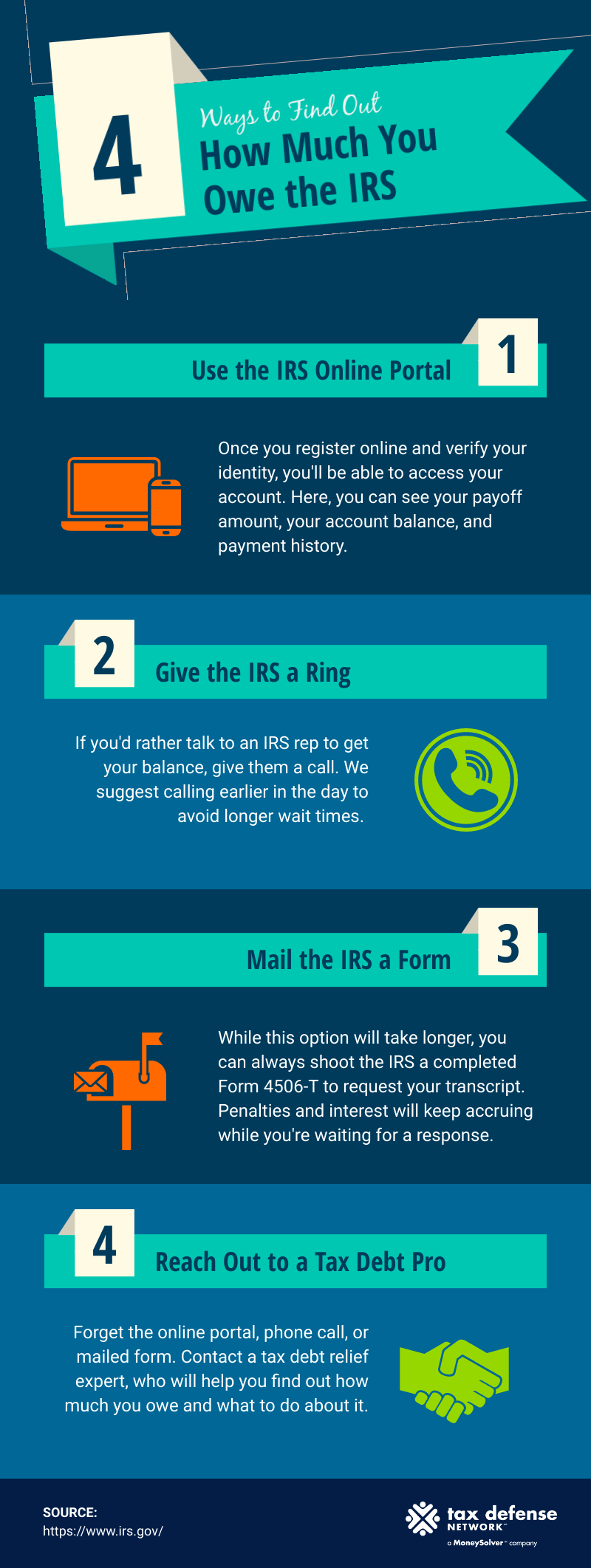
In an increasingly digital world, the IRS has significantly enhanced its online services, making the IRS Online Account the most convenient and comprehensive tool for individuals to manage their tax affairs. This secure portal provides a wealth of personalized information, allowing taxpayers to gain a clear picture of their financial obligations to the federal government from the comfort of their home.
Setting Up Your IRS Online Account
Accessing your IRS Online Account requires a robust identity verification process, primarily through a third-party service called ID.me. This security measure is designed to protect your sensitive financial information from unauthorized access. The steps typically involve:
- Visiting the IRS Website: Navigate to IRS.gov and look for the “View Your Account Information” section.
- Creating an Account (or Logging In): If you don’t have an account, you’ll be prompted to create one. This usually involves being redirected to ID.me.
- ID.me Verification: You will need to provide personal details, upload photos of identification documents (like a driver’s license or state ID), and often undergo a live video selfie verification. This one-time process ensures that only you can access your tax records.
- Accessing Your IRS Account: Once your identity is verified by ID.me, you can then log in to your IRS Online Account using your ID.me credentials.
While the verification process might seem rigorous, it is a necessary step to safeguard your financial data and prevent fraud.
What You Can Access Through Your Online Account
Once logged in, your IRS Online Account becomes a powerful dashboard for your tax interactions. Key information you can readily access includes:
- Balance Due: This is arguably the most critical piece of information. The account clearly displays any outstanding tax balances for current and past tax years, including any accrued penalties and interest.
- Payment History: You can review all payments made to the IRS, helping you reconcile your records and confirm that your payments have been processed correctly.
- Tax Records (Tax Transcripts): The portal allows you to view and download various tax transcripts, such as account transcripts, tax return transcripts, record of account transcripts, wage and income transcripts, and verification of non-filing letters. These documents provide detailed information about your filed returns, your adjusted gross income, and income reported by employers and other third parties.
- Payment Plans: If you have an existing installment agreement or offer in compromise, you can view the details, monitor your progress, and even make changes or payments through the portal.
- Tax Notices: While the IRS still sends physical mail, your online account can often provide digital copies or summaries of important tax notices sent to you.
Benefits and Limitations
The primary benefits of the IRS Online Account are real-time information access, 24/7 availability, and the convenience of managing multiple aspects of your tax situation from one centralized location. It significantly reduces the need for phone calls or mail correspondence for routine inquiries. However, it does require internet access, familiarity with online systems, and the completion of a detailed identity verification process. For those without reliable internet or who prefer traditional methods, alternatives are available.
Traditional Methods for Checking Your Tax Status
While digital tools offer unparalleled convenience, not everyone is comfortable or able to use online portals. The IRS also maintains traditional avenues for taxpayers to check if they owe money, ensuring accessibility for all.
Reviewing IRS Notices and Mail
The IRS communicates significant tax-related information primarily through physical mail. It is imperative to open and carefully review all correspondence you receive from the IRS, as these letters often contain critical information about your tax obligations, audits, or proposed changes to your tax return.
Common notices indicating a potential balance due include:
- CP14 Notice: This is one of the most common notices, informing you that you owe taxes, along with the amount due and the due date.
- CP504 Notice: This notice indicates that you owe taxes, and the IRS intends to levy your state tax refund or other property if the debt is not paid.
- LT11 or Letter 11C: These are final notices of intent to levy, indicating the IRS plans to seize assets or garnish wages if payment is not made promptly.
If you receive any such notice, do not ignore it. It outlines the problem, the amount owed, and often the steps you need to take. If you don’t understand a notice, it’s wise to seek clarification from the IRS or a tax professional.
Contacting the IRS Directly
For a more direct and personalized approach, you can contact the IRS by phone or in person. Be prepared for potential wait times, especially during peak tax season.
- IRS Phone Numbers: For individuals, the main number is typically 1-800-829-1040. For businesses, it’s 1-800-829-4933. Have your Social Security number or Employer Identification Number (EIN) and any relevant tax documents ready. The IRS typically recommends calling earlier in the morning on weekdays for shorter wait times.
- In-Person Assistance: The IRS operates Taxpayer Assistance Centers (TACs) across the country. These centers offer face-to-face help with tax issues. Most TACs now require appointments, so it’s essential to check the IRS website or call in advance to schedule one. Bringing all relevant identification and tax documents is crucial for these visits.

Utilizing a Tax Professional
Engaging a qualified tax professional, such as a Certified Public Accountant (CPA) or an Enrolled Agent (EA), can be an invaluable strategy, especially if your tax situation is complex or if you are unsure how to interpret IRS notices.
- Expert Interpretation: Tax professionals can help you understand the details of your tax liability, interpret IRS notices, and explain the implications of any outstanding debt.
- Communication with the IRS: They can act as your representative, communicating with the IRS on your behalf, which can be particularly helpful during audits or when negotiating payment plans.
- Audit Representation: If you’re facing an audit, a tax professional can represent you, helping to navigate the process and ensure your rights are protected.
While there’s a cost associated with professional services, the peace of mind and potentially significant savings from correctly resolving tax issues can often outweigh the expense.
Understanding Why You Might Owe the IRS
Discovering you owe the IRS can be frustrating, but understanding the root causes is key to preventing future tax debt. Most reasons stem from mismatches between what you paid throughout the year and your actual tax liability.
Common Reasons for Tax Debt
Several factors can lead to an unexpected tax bill:
- Underpayment of Estimated Taxes: If you’re self-employed, a freelancer, or have significant income not subject to withholding (e.g., investment income), you’re often required to pay estimated taxes quarterly. Failure to do so, or underpaying, can result in a tax bill at year-end and potential penalties.
- Insufficient Withholding from Wages: For employees, your W-4 form dictates how much tax your employer withholds from each paycheck. If you claim too many allowances or don’t adjust your W-4 after life changes (like getting married, having children, or having a second job), you might have too little withheld.
- Unexpected Income: Income from the gig economy, capital gains from investments, lottery winnings, or even significant untaxed tips can result in an unexpected tax liability if not accounted for during the year.
- Errors on Tax Returns: Simple mathematical errors, incorrect deductions, or misreported income on your original tax return can lead to an adjustment by the IRS, resulting in a balance due.
- Audit Adjustments: If your return is audited and the IRS determines you understated your income or overstated deductions/credits, they will assess additional tax, penalties, and interest.
- Penalties and Interest: Even if your initial tax liability was small, penalties for late filing, late payment, or underpayment, coupled with accrued interest, can significantly inflate the amount you owe.
Proactive Strategies to Avoid Future Debt
Preventing tax debt is far better than resolving it. Here are proactive steps:
- Adjusting W-4 or Estimated Payments: Regularly review and update your W-4 form with your employer, especially after major life changes or if you find yourself owing or receiving a very large refund. For self-employed individuals, meticulously track income and expenses to accurately calculate and pay estimated taxes quarterly. The IRS Tax Withholding Estimator tool is an excellent resource for W-4 adjustments.
- Keeping Good Records: Maintain organized records of all income, expenses, deductions, and credits. This will help you accurately prepare your tax return and provide documentation if audited.
- Professional Tax Preparation: While DIY tax software is popular, a professional tax preparer can identify all eligible deductions and credits, ensure accuracy, and help you strategize to minimize future tax liabilities.
What to Do If You Discover You Owe Money
Finding out you owe the IRS is the first step, not the end. The worst thing you can do is ignore the debt. The IRS is generally willing to work with taxpayers who are making a good-faith effort to resolve their tax issues.
Verify the Debt and Understand the Details
Before taking action, carefully verify the amount owed. Check your IRS Online Account or refer to the specific IRS notice you received. Ensure the amount matches your own records, if possible. Understand if penalties and interest have been applied, and what portion of the total debt they represent. If you disagree with the amount, you have the right to dispute it with the IRS.
Options for Payment
The IRS offers several options for taxpayers who owe money, depending on their financial situation:
- Pay in Full: If you can afford it, paying your tax debt in full as soon as possible is the best option. This minimizes or eliminates additional penalties and interest. You can pay online directly from your bank account, by debit/credit card, or by check/money order.
- Short-Term Payment Plan: If you need a little more time, you might be granted up to 180 days to pay your tax liability in full, though interest and penalties still apply.
- Installment Agreement: If you can’t pay within 180 days, you might qualify for an installment agreement, allowing you to make monthly payments for up to 72 months (6 years). This option also incurs interest and penalties, but they might be lower than other penalties.
- Offer in Compromise (OIC): An OIC allows certain taxpayers to resolve their tax liability with the IRS for a lower amount than what they originally owed. This is generally an option for those facing severe financial hardship where paying the full amount would cause significant difficulty. The IRS considers your ability to pay, income, expenses, and asset equity when evaluating an OIC.
- Currently Not Collectible (CNC): In cases of extreme financial distress, the IRS may determine that you are “Currently Not Collectible.” This means they will temporarily delay collection efforts, but the tax liability (and interest/penalties) will remain. The IRS reviews these cases periodically.

Seeking Professional Help for Resolution
For complex payment negotiations, disputing an audit, or navigating an OIC, professional assistance is highly recommended. A tax attorney or an Enrolled Agent specializing in tax resolution can:
- Negotiate on Your Behalf: They can communicate with the IRS, present your financial situation effectively, and negotiate the best possible payment plan or resolution.
- Protect Your Rights: During disputes or audits, they ensure your rights as a taxpayer are upheld.
- Strategic Advice: They can offer strategic advice on which payment option is best suited for your long-term financial stability.
By understanding your options and acting promptly, you can effectively manage and resolve your tax obligations, preventing greater financial strain in the future.
Staying informed about your tax obligations is a fundamental aspect of sound personal finance. Whether through the convenience of the IRS Online Account or by utilizing traditional channels and professional expertise, ascertaining your tax status promptly empowers you to take control. Discovering you owe money is not an insurmountable problem; it’s an opportunity to engage with the IRS’s various resolution options and take proactive steps to secure your financial future. Remember, the first step to resolution is always knowledge.
aViewFromTheCave is a participant in the Amazon Services LLC Associates Program, an affiliate advertising program designed to provide a means for sites to earn advertising fees by advertising and linking to Amazon.com. Amazon, the Amazon logo, AmazonSupply, and the AmazonSupply logo are trademarks of Amazon.com, Inc. or its affiliates. As an Amazon Associate we earn affiliate commissions from qualifying purchases.