
In an increasingly cashless society, digital payment platforms have become indispensable tools for managing personal finances. Among these, Cash App stands out as a popular choice, offering a streamlined way to send, receive, and spend money. At the heart of its utility for many users is the Cash App Card – a customizable, free debit card linked directly to your Cash App balance. Understanding how to effectively fund this card is not just about convenience; it’s a fundamental aspect of leveraging the app for your daily financial needs, budgeting, and even long-term money management. This guide will delve into the various methods of adding money to your Cash App Card, explore best practices for secure usage, and demonstrate how this versatile tool can integrate into your broader financial strategy.
Understanding Your Cash App Card: More Than Just a Payment Method
The Cash App Card, often referred to as the Cash Card, is more than just a piece of plastic; it’s a direct extension of your Cash App balance, enabling you to use your digital funds in the physical world and online, anywhere Visa is accepted. For millions, it represents a crucial link between their digital wallet and everyday transactions, offering flexibility and control over their spending.
The Basics of the Cash Card: A Gateway to Digital Spending
Upon ordering and activating your personalized Cash App Card, you gain immediate access to the funds held within your Cash App account. This means any money you receive, whether from a peer-to-peer transfer, a direct deposit, or a manually added sum, becomes instantly accessible via the card. Unlike traditional bank accounts that might have separate debit cards, the Cash Card is intrinsically tied to your real-time Cash App balance, making it a very direct financial tool. Its features often include customizable designs, the ability to activate “Boosts” for instant savings at specific merchants, and robust security protocols that parallel those of conventional debit cards.
Why Fund Your Cash App Card? Convenience and Control
The primary reason to fund your Cash App Card is unparalleled convenience. Imagine needing to pay for groceries, gas, or an online subscription without the hassle of transferring money between multiple bank accounts or carrying physical cash. The Cash Card simplifies this by making your digital funds spendable instantly. Furthermore, for individuals managing budgets or those who prefer to keep their spending money separate from their main bank account, the Cash App Card offers a distinct advantage. It acts as a dedicated spending card, allowing users to load only what they intend to spend, thereby enhancing financial control and discouraging overspending. This level of compartmentalization can be a powerful budgeting tool, providing a clear visual of available funds for daily expenditures.
Security Considerations for Your Digital Funds
While convenience is key, security remains paramount. Cash App employs a range of security measures to protect your funds, including encryption, fraud monitoring, and optional features like Touch ID or Face ID for transactions. When funding your card, it’s crucial to ensure you’re using secure networks and authenticating transactions promptly. The card also comes with standard fraud protection, meaning unauthorized transactions can often be disputed. However, users share responsibility in maintaining account security by choosing strong, unique passwords, enabling two-factor authentication (2FA), and being vigilant against phishing attempts or suspicious requests. Understanding these security layers empowers users to utilize their Cash Card with confidence, knowing their digital funds are reasonably protected.
Direct Methods to Add Money to Your Cash App Balance
The most common ways to fund your Cash App Card involve linking external financial accounts. These methods are typically quick, secure, and offer varying degrees of flexibility depending on your needs.
Linking a Bank Account: The Most Common Approach
Linking a traditional bank account is perhaps the most fundamental way to add substantial funds to your Cash App. This method provides a direct conduit between your primary bank and your Cash App balance, making it ideal for larger transfers or regular top-ups.
Step-by-Step: Adding and Verifying Your Bank
To link your bank account, you’ll navigate to the banking section within the Cash App. You’ll be prompted to provide your bank’s login credentials through a secure third-party service (like Plaid), which authenticates your account without Cash App ever storing your banking password. Alternatively, you might need to manually enter your account and routing numbers. After linking, Cash App may perform micro-deposits (small, verifiable amounts) to confirm account ownership, which you’ll need to verify within the app. This verification process ensures that only you can transfer funds from your linked bank account.
Initiating a Deposit from Your Bank
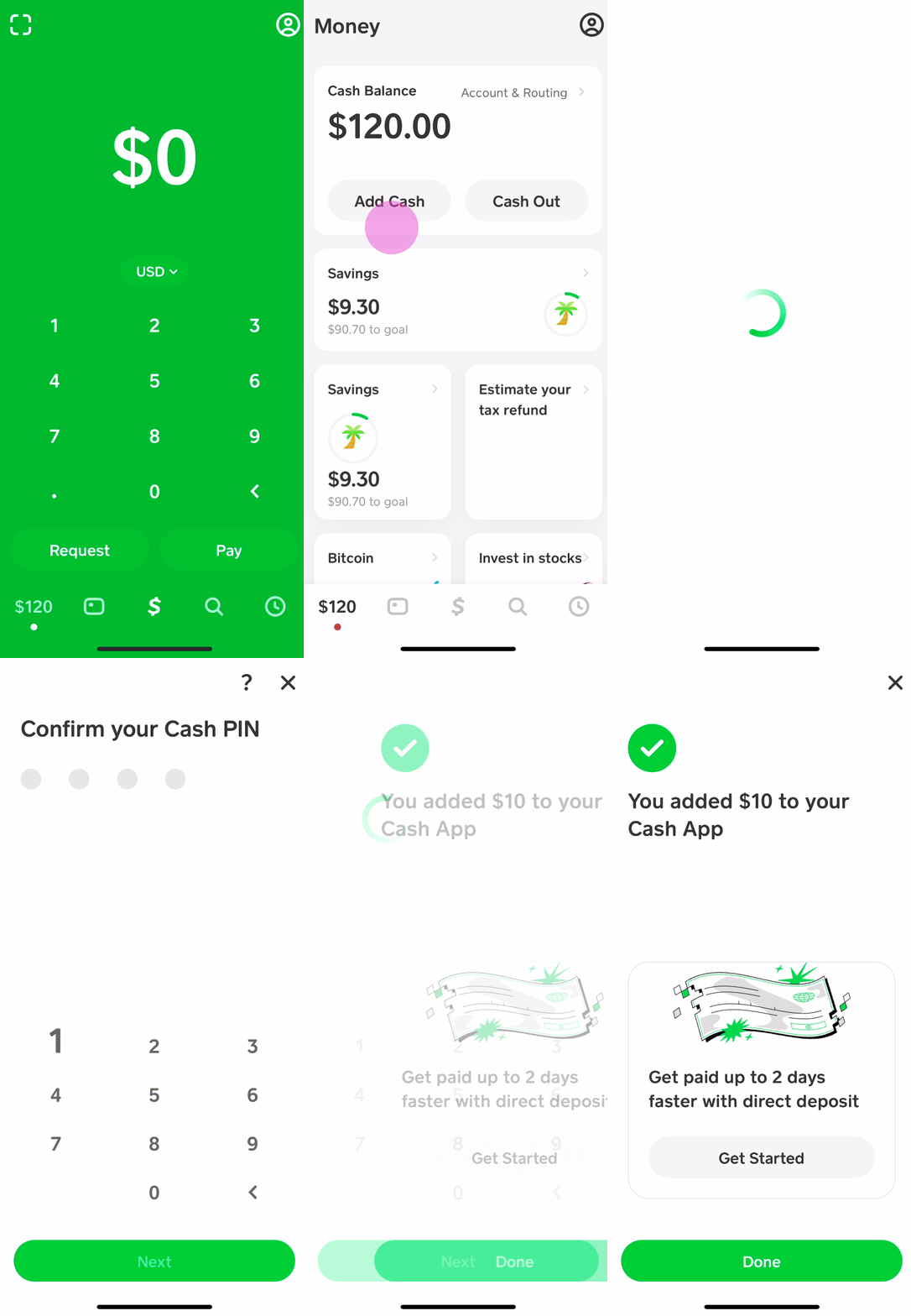
Once verified, adding money is straightforward. From the Cash App home screen, tap the “Add Cash” button. You can then specify the amount you wish to transfer from your linked bank account. These transfers typically clear within a few business days, though some banks may offer quicker processing. It’s important to note any daily or weekly limits Cash App imposes on these transfers, which are often in place for security and regulatory compliance.
Using a Debit Card: Quick and Easy Transfers
For smaller, more immediate transfers, linking a debit card offers a faster alternative to direct bank transfers. This method leverages the instant processing capabilities of card networks.
Linking Your Debit Card to Cash App
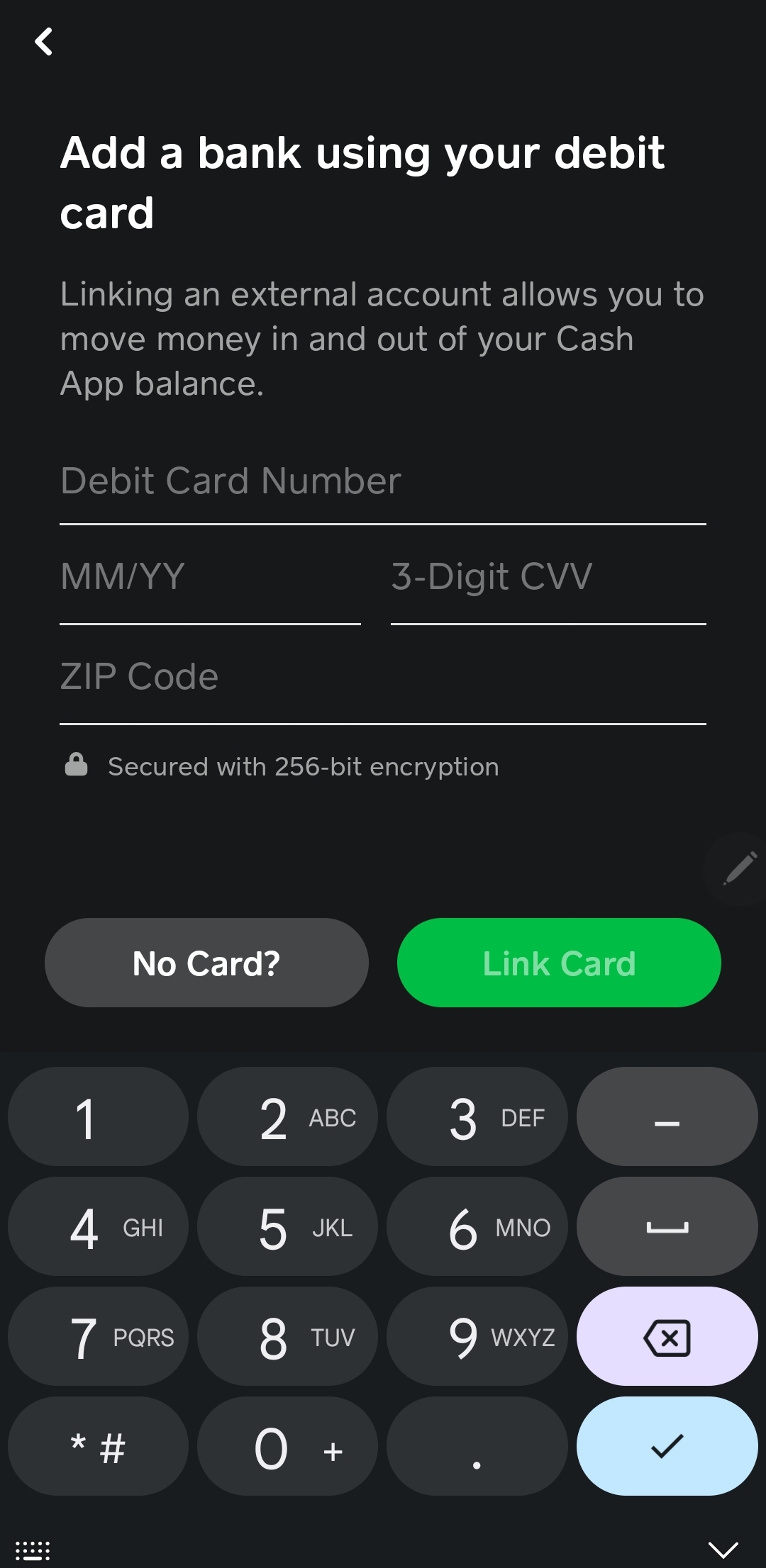
Similar to linking a bank account, you can add a debit card through the banking section of the app. You’ll enter your card number, expiration date, and CVV. For security, Cash App will often perform a small authorization charge (which is immediately refunded) to verify the card’s validity. Once linked, this debit card can be used for instant transfers.
Transferring Funds Instantly
With a linked debit card, you can tap “Add Cash” and choose your debit card as the source. These transfers are typically instantaneous, meaning the funds are available on your Cash App Card immediately. This is particularly useful for urgent expenses or when you need to top up your card on the go. Be mindful that while many debit card transfers are free, some specific banks or credit unions might impose their own fees, and Cash App itself has limits on how much you can add this way per transaction or per week. Credit cards, while linkable for some features, generally cannot be used to add cash to your Cash App balance directly, but rather for sending money to others, often incurring a 3% fee.
Receiving Funds from Other Cash App Users: Peer-to-Peer Transfers
One of Cash App’s core functionalities is its peer-to-peer payment system, which naturally serves as a direct way to fund your card. Money received from friends, family, or customers automatically lands in your Cash App balance.
Requesting Money from Contacts
If you need money from someone, you can easily send a “Request” through the app, specifying the amount. Once the other party approves, the funds are instantly deposited into your account, ready for use via your Cash Card. This is ideal for splitting bills, receiving payments for small gigs, or getting reimbursed by friends.
Accepting Payments
Conversely, when someone sends you money via Cash App (using your $Cashtag, phone number, or email), those funds appear immediately in your balance. This passive funding method is incredibly convenient and often forms a significant portion of a user’s Cash App inflows. There are no fees for receiving standard peer-to-peer payments.
Alternative and Cash-Based Funding Options
Beyond digital transfers, Cash App also provides pathways to convert physical cash into a digital balance accessible via your Cash Card, as well as robust options for recurring income.
Depositing Physical Cash at Retailers
Recognizing that not everyone operates entirely digitally, Cash App offers a valuable service for those who prefer or need to handle physical currency: cash deposits at participating retail locations.
Finding Participating Retailers (e.g., Walmart, 7-Eleven, Walgreens)
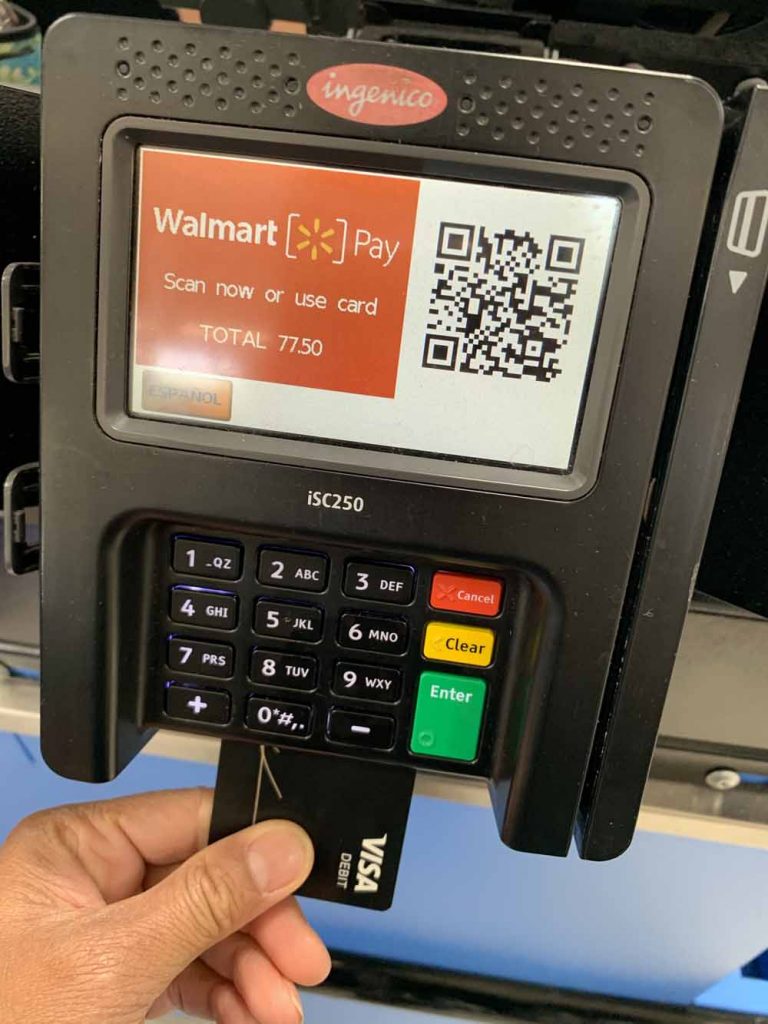
Cash App partners with various major retailers across the United States to facilitate cash deposits. Popular examples include Walmart, 7-Eleven, Walgreens, and Family Dollar. To find the nearest participating location, users can often consult the Cash App map feature or simply inquire at the customer service desk of these stores. The availability of this service makes Cash App more accessible to a broader demographic, including those who may not have traditional bank accounts.
The Process: Barcodes and Transactions
The process for depositing cash is straightforward. Within the Cash App, you navigate to the “Paper Money” section (often found under the banking tab or by tapping the “Add Cash” button and looking for the cash deposit option). The app will generate a unique barcode. You then present this barcode to the cashier at a participating retailer, along with the cash you wish to deposit. The cashier scans the barcode, takes your cash, and the funds are typically added to your Cash App balance almost instantly. You’ll receive a digital receipt within the app, confirming the transaction.
Fees and Limits Associated with Cash Deposits
While convenient, cash deposits at retailers usually come with a nominal fee, typically around $1 to $2 per transaction, charged by the retailer. It’s important to factor this into your financial planning. Additionally, there are often daily and weekly limits on how much cash you can deposit through this method, varying by retailer and Cash App’s policies. These limits are in place for security and regulatory compliance. Always check the current fees and limits within the Cash App or on their official support pages before heading to a store.
Direct Deposit for Paychecks and Government Benefits
For many users, Cash App isn’t just a temporary holding place for funds but a primary banking alternative, especially for those who receive regular income. Setting up direct deposit transforms Cash App into a more robust financial hub.
Setting Up Direct Deposit: Account and Routing Numbers
Cash App provides every user with unique account and routing numbers, similar to a traditional bank account. These details can be found by tapping the banking icon on the Cash App home screen and looking for the “Direct Deposit” option. You then provide these numbers to your employer, government agency (for benefits like social security or unemployment), or any institution that issues direct deposits. Your employer’s payroll department or the benefits administrator will typically have a form for this, requiring you to input these details.
Benefits of Direct Deposit with Cash App
The advantages of direct depositing your paycheck or benefits into Cash App are significant. Funds typically become available earlier than with many traditional banks, sometimes up to two days before your scheduled payday. This “early payday” feature can be a substantial benefit for managing cash flow. Furthermore, it streamlines the process of getting paid, eliminating the need for physical checks and trips to the bank. For individuals using Cash App as their primary financial tool, direct deposit ensures a steady inflow of funds directly to their Cash Card, ready for spending, saving, or investing within the app. It makes Cash App a viable option for managing the entirety of one’s regular income.
Optimizing Your Cash App Card for Financial Management
Beyond simply funding your card, there are several ways to integrate the Cash App Card into a more comprehensive approach to personal finance, enhancing budgeting, savings, and overall financial awareness.
Budgeting with Your Cash Card: Tracking Spending
The Cash App Card can be an excellent budgeting tool. By deliberately loading only a predetermined amount for specific spending categories (e.g., weekly groceries, entertainment), you create a natural spending limit. Cash App provides a clear transaction history, allowing you to easily review where your money is going. This digital trail helps in identifying spending patterns, categorizing expenses, and sticking to financial goals. Regularly reviewing your Cash App activity can be a simple yet powerful step towards greater financial discipline, especially if you treat it as a dedicated spending envelope for variable expenses.
Leveraging Cash Boosts and Discounts
One of the unique advantages of the Cash App Card is its “Boosts” feature. Boosts are instant discounts or savings applied directly at the point of sale when you use your Cash Card at specific merchants. These can include percentages off at coffee shops, grocery stores, or even online retailers. Users can select and swap different Boosts in the app, often choosing ones that align with their typical spending habits. Actively managing and utilizing these Boosts can lead to tangible savings over time, effectively reducing the cost of everyday purchases. For the financially savvy, integrating Boosts into their spending routine becomes another way to stretch their budget further.
Understanding Limits and Fees: What You Need to Know
To effectively manage your money with Cash App, it’s crucial to be aware of the various limits and potential fees. Cash App imposes limits on how much you can add via bank transfers, debit card transfers, and cash deposits, as well as limits on how much you can spend from your card or withdraw from ATMs. These limits are often tied to your account verification level. Similarly, while most peer-to-peer transactions and standard debit card uses are free, fees might apply for instant transfers out of Cash App to a bank account, using credit cards to send money, or the aforementioned cash deposits at retailers. Understanding these parameters ensures smooth transactions and helps avoid unexpected charges or thwarted attempts to access funds. Regularly checking the “Support” or “FAQ” sections within the app for the most current limits and fee structures is a wise practice.
Troubleshooting Common Funding Issues
Occasionally, users may encounter issues when trying to fund their Cash App Card. Common problems include linked bank or debit cards being declined, transactions pending for longer than expected, or cash deposits not reflecting immediately. When a transfer fails, first verify that your linked bank account or debit card has sufficient funds and is still active. Ensure all card details are entered correctly. If a transaction is pending, sometimes it simply requires a brief wait, or your bank might be holding the funds for review. For cash deposits, double-check that the retailer successfully processed the barcode and provided a receipt. If problems persist, consulting Cash App’s in-app support or visiting their official website for troubleshooting guides can usually resolve most issues. Having alternative funding methods or maintaining a small buffer in your Cash App balance can also mitigate the impact of temporary funding glitches.
Best Practices for Secure and Efficient Cash App Card Usage
While convenient, digital financial tools require a proactive approach to security and responsible usage. Adopting best practices ensures your funds remain safe and your experience with the Cash App Card is consistently positive.
Protecting Your Account: Passwords and 2FA
The first line of defense for your Cash App account is a strong, unique password. Avoid using easily guessable information or passwords you use for other online services. Even better, enable two-factor authentication (2FA). This adds an extra layer of security, requiring a verification code sent to your phone or email in addition to your password whenever you log in from a new device or perform sensitive actions. This significantly reduces the risk of unauthorized access, even if your password is compromised. Regularly reviewing your logged-in devices and closing sessions on unfamiliar ones also contributes to account security.
Monitoring Transactions and Activity
Vigilance is key to preventing fraud and catching errors early. Make it a habit to regularly review your Cash App transaction history. Look for any unfamiliar charges, discrepancies in amounts, or transactions you don’t recall. If you spot anything suspicious, report it immediately to Cash App support. Many fraudulent activities can be reversed if detected promptly. This proactive monitoring also helps in budgeting, providing a clear picture of your spending patterns and ensuring accuracy in your financial records.
When to Contact Support: Resolving Discrepancies
Cash App’s support team is there to assist with a range of issues, from technical glitches to suspected fraud. You should contact support immediately if you notice unauthorized transactions, experience persistent funding problems that self-troubleshooting doesn’t resolve, or if your account is locked or compromised. Clear and concise communication with support, providing all relevant details and screenshots if possible, will help expedite resolution. Remember to only use official Cash App support channels to avoid falling victim to phishing scams.
Integrating Cash App into Your broader Financial Strategy
For many, Cash App can serve as more than just a payment app; it can be an integral part of a holistic financial strategy. It can be used as a dedicated budget for variable expenses, a tool for managing side hustle income, or even a pathway to dabble in investing (via Cash App’s stock and Bitcoin features). By understanding its capabilities, limitations, and how it interacts with your other financial accounts, you can strategically position the Cash App Card to complement your savings goals, spending habits, and overall financial well-being. Whether you use it for daily spending, receiving payments, or even as a simple savings bucket, integrating it thoughtfully can enhance your financial agility.
Conclusion: Empowering Your Digital Spending with Cash App
Funding your Cash App Card is a straightforward process, but mastering the various methods and understanding the underlying financial implications can significantly enhance your experience with the platform. From linking bank accounts and debit cards for seamless digital transfers to depositing physical cash at retail locations and setting up direct deposits for regular income, Cash App offers a comprehensive suite of options to keep your digital wallet topped up.
By adopting best practices for security, actively monitoring your transactions, and leveraging features like Cash Boosts, you transform your Cash App Card from a simple payment method into a powerful tool for personal financial management. In an era where digital transactions are the norm, understanding how to efficiently and securely fund your Cash App Card is not just convenient; it’s an essential skill for navigating your personal finances in the modern world. Embrace the flexibility and control it offers, and make it a valuable asset in achieving your financial goals.
aViewFromTheCave is a participant in the Amazon Services LLC Associates Program, an affiliate advertising program designed to provide a means for sites to earn advertising fees by advertising and linking to Amazon.com. Amazon, the Amazon logo, AmazonSupply, and the AmazonSupply logo are trademarks of Amazon.com, Inc. or its affiliates. As an Amazon Associate we earn affiliate commissions from qualifying purchases.