
In an increasingly digital world, managing your personal and business finances online has become the norm. The days of solely relying on physical checks and snail mail for fulfilling your tax obligations are steadily fading, replaced by a suite of secure and convenient online payment methods offered by the Internal Revenue Service (IRS). For taxpayers seeking efficiency, accuracy, and peace of mind, understanding these digital avenues is crucial. This comprehensive guide, firmly rooted in the principles of sound financial management, will demystify the process of paying your IRS taxes online, highlighting the various options, their benefits, potential costs, and essential security considerations.

Navigating Your Official Online IRS Payment Gateways
The IRS offers several official, secure platforms for making federal tax payments electronically. Each method is designed to cater to different taxpayer needs, whether you’re an individual making a one-time payment, a business with recurring tax responsibilities, or someone leveraging professional tax preparation services.
IRS Direct Pay
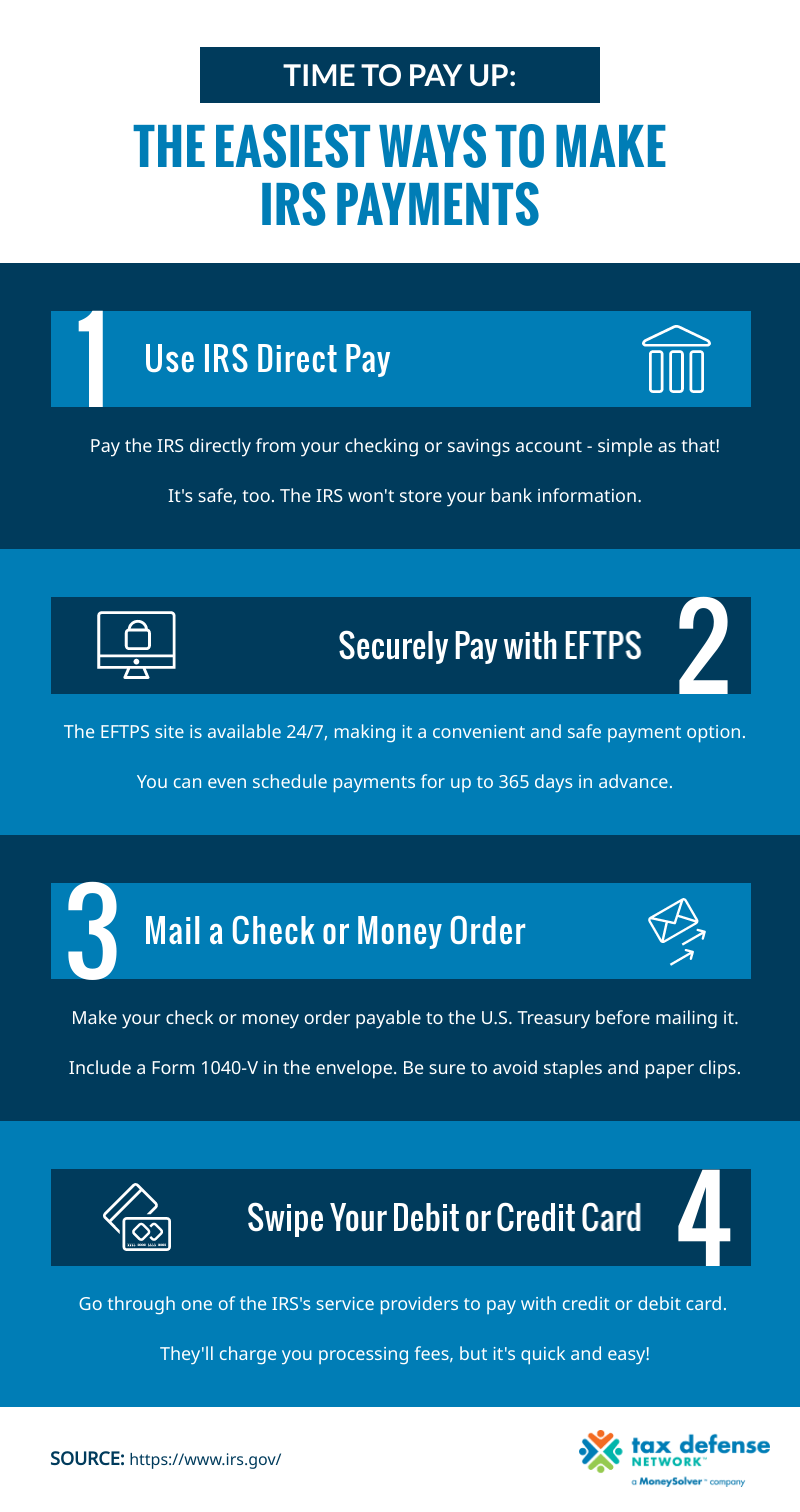
IRS Direct Pay stands out as perhaps the most straightforward and cost-effective method for many individuals and businesses. This free, secure web application allows you to directly transfer funds from your checking or savings account to the U.S. Treasury. There are no convenience fees, making it an ideal choice for taxpayers looking to avoid extra charges. You don’t need to pre-register; simply visit the IRS website, select “Direct Pay,” and follow the prompts. Payments can be scheduled up to 365 days in advance, and you can cancel or modify a payment up to two business days before its scheduled date. Immediate confirmation is provided upon scheduling, offering instant proof of your transaction. This method is particularly suitable for annual tax payments, estimated taxes, and payments related to an IRS notice or examination.
Debit Card, Credit Card, or Digital Wallet Payments
For those who prioritize convenience, seek to earn credit card rewards, or need to make an immediate payment without linking directly to a bank account, paying with a debit card, credit card, or certain digital wallets (like PayPal or Click to Pay) is a viable option. The IRS facilitates these payments through authorized third-party payment processors. While highly convenient, it’s critical to note that these processors charge a convenience fee for their service, which varies based on the processor and the type of card used. Credit card fees typically range from 1.87% to 1.99% of the payment amount, while debit card fees are usually a flat, lower rate. Before choosing this method, savvy financial managers should weigh the cost of these fees against any potential benefits, such as credit card rewards or the short-term financial flexibility offered by using a credit card.
Electronic Federal Tax Payment System (EFTPS)
EFTPS is a powerful, free service provided by the U.S. Department of the Treasury, designed for both individuals and businesses to make all federal tax payments electronically. Unlike IRS Direct Pay, which is primarily focused on individual income tax and estimated taxes, EFTPS supports a much broader range of tax types, including employment taxes, excise taxes, and corporate income taxes. It requires a one-time enrollment process, which involves receiving a Personal Identification Number (PIN) via postal mail, typically taking 5-7 business days. Once enrolled, EFTPS is an excellent option for those who make frequent or recurring federal tax payments. It allows payments to be scheduled up to 365 days in advance and provides immediate electronic confirmation, serving as reliable proof of payment for auditing and record-keeping purposes.
Payments Through Tax Software or Professionals
Many popular tax preparation software programs (e.g., TurboTax, H&R Block, TaxAct) integrate directly with the IRS payment system, offering a streamlined payment process when you e-file your return. This method often leverages the underlying mechanisms of IRS Direct Pay or third-party card processors. When using tax software, your payment details are typically pre-filled from your return, reducing the risk of manual entry errors. Similarly, if you work with a tax professional, they can often facilitate or guide you through making your payment as part of their service, utilizing the same official IRS channels. This integrated approach simplifies the overall tax filing and payment experience, ensuring your payment is accurately linked to your submitted tax return.
A Step-by-Step Guide to Making Your Online Payment
Regardless of the method you choose, a structured approach ensures a smooth and secure online tax payment experience. Following these steps will help you fulfill your obligation accurately and efficiently.
Prepare Necessary Information
Before initiating any online payment, gather all required information. This typically includes your Social Security Number (SSN) or Employer Identification Number (EIN), your bank account and routing numbers (for Direct Pay or EFTPS), or your debit/credit card details. You’ll also need to specify the tax form number (e.g., Form 1040 for individual income tax), the tax period for which you are paying (e.g., 2023 annual tax, 2024 Q1 estimated tax), and the exact payment amount. Having these details ready minimizes errors and speeds up the process.
Select Your Method and Initiate Payment
Once you have your information, navigate to the official IRS website (irs.gov) and select your preferred payment method.
-
For IRS Direct Pay, click on “Make a Payment” and then “Direct Pay.” Enter your details, payment amount, and bank information.
-
For Debit/Credit Card, choose “Pay by Card or Digital Wallet.” You will be redirected to one of the authorized third-party processors to complete the transaction.
-
For EFTPS, log in with your credentials. Select the appropriate tax type and period, enter the payment amount, and schedule the payment date.
-
If paying through tax software, follow the prompts within your chosen program to submit your payment along with your e-filed return.
Double-check all entered information, especially the amount and your bank/card details, before finalizing the payment.
Confirm and Document
Upon successful submission, you will receive a confirmation number. This number is your undeniable proof that the payment has been scheduled or processed. It is paramount to save this confirmation number immediately. You should also print or save a digital copy of the confirmation page and your payment details. Store these records with your other tax documents. This meticulous record-keeping is a fundamental aspect of sound financial management, protecting you in case of any future discrepancies or inquiries from the IRS.
Benefits, Considerations, and Potential Costs
Choosing to pay your IRS taxes online comes with a host of advantages, but also some important considerations that financially astute individuals should be aware of.
The Upsides of Digital Payments
The primary benefits of paying online include unparalleled convenience and speed. You can make payments 24/7 from anywhere with an internet connection, avoiding postal delays and the hassle of physical checks. Online methods also significantly enhance accuracy, as many systems pre-fill information or prompt you to double-check details, reducing common clerical errors. Furthermore, electronic payments are more secure than mailing checks, which can get lost or stolen. The immediate confirmation provides peace of mind that your payment has been received and recorded.
Understanding Potential Fees
The most significant “hidden cost” associated with online tax payments comes from using debit cards, credit cards, or digital wallets. As mentioned, authorized third-party processors charge a convenience fee. For large tax bills, these fees can accumulate, potentially amounting to hundreds of dollars. While some taxpayers might offset these costs with credit card rewards, it requires careful calculation to ensure the benefits truly outweigh the fees. Financial planning dictates that taxpayers should generally opt for the free methods like IRS Direct Pay or EFTPS unless there’s a compelling financial reason (e.g., emergency, substantial rewards) to incur a fee.
Credit Score and Debt Considerations
While using a credit card for tax payments can offer temporary liquidity, it’s crucial to exercise caution. Charging a significant tax bill to a credit card can lead to high-interest debt if not paid off promptly. This can negatively impact your credit score and overall financial health. From a personal finance perspective, using credit to pay taxes should generally be a last resort, reserved for situations where cash flow is temporarily constrained, and you have a clear plan to pay off the balance before interest accrues. Ideally, tax liabilities should be met with funds set aside specifically for that purpose.
Prioritizing Security and Avoiding Common Pitfalls
The digital nature of online payments, while convenient, necessitates vigilance. Protecting your financial information and adhering to secure practices is paramount when dealing with the IRS.
Stick to Official IRS Channels
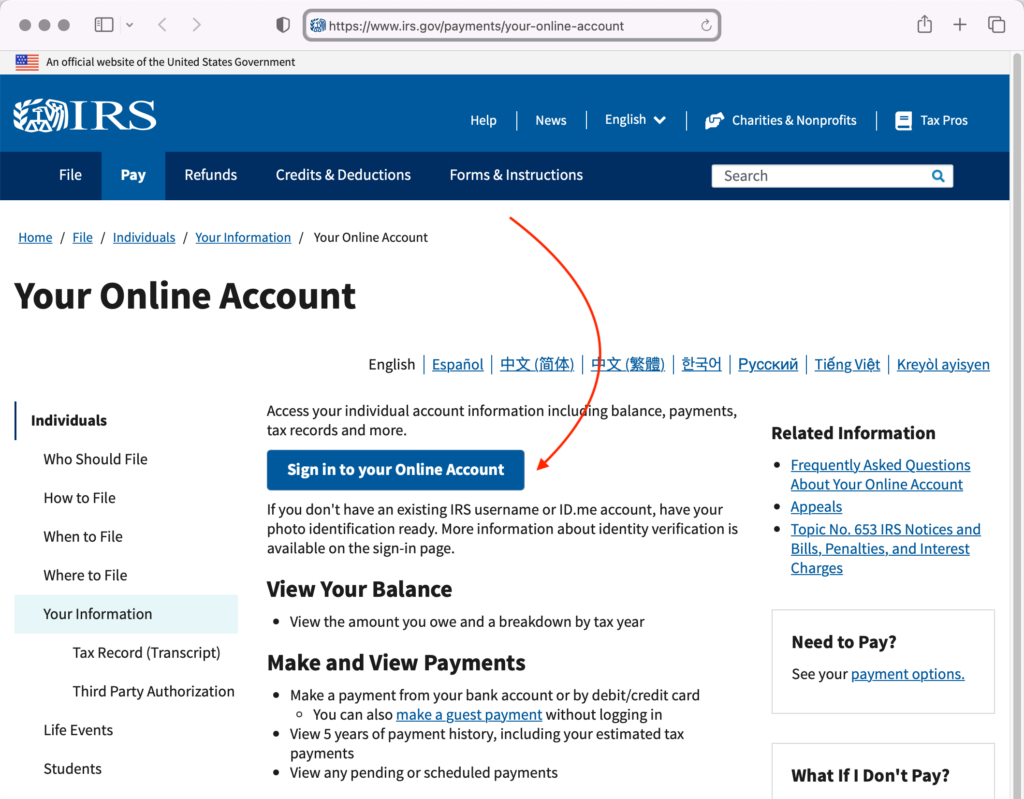
Always ensure you are using the official IRS website (irs.gov) or one of its authorized third-party payment processors when making payments. Never click on suspicious links in emails or text messages claiming to be from the IRS. Bookmark the official IRS payment pages or navigate to them directly to avoid phishing scams and fraudulent websites designed to steal your personal and financial data. Authentic IRS communications will typically direct you to irs.gov for payments, not to external, unofficial sites.
Beware of Scams and Phishing Attempts
The IRS will never initiate contact with you by email, text message, social media, or phone call to demand immediate payment using a specific payment method, such as a gift card, wire transfer, or cryptocurrency. They will also not threaten you with immediate arrest or legal action for non-payment. Any such contact is a scam. If you receive a suspicious communication, do not respond, click on any links, or provide any personal information. Report it to the IRS. Understanding these common scam tactics is a critical defense in protecting your financial well-being.
Data Protection Best Practices
When making an online payment, ensure you are using a secure internet connection (avoid public Wi-Fi for sensitive transactions). Use strong, unique passwords for any accounts (like EFTPS) you create, and enable two-factor authentication if available. Regularly monitor your bank and credit card statements for any unauthorized transactions. These fundamental digital security practices extend your financial protection beyond just the tax payment process.
Strategic Financial Planning for Tax Payments
Paying taxes online is not just about the transaction itself; it’s an integral part of broader financial planning. Proactive management can prevent last-minute stress and potential penalties.
Proactive Budgeting for Tax Liabilities
Effective financial management dictates that tax liabilities should be anticipated and budgeted for throughout the year. For employees, this often means adjusting W-4 withholdings to ensure enough is deducted from each paycheck. For self-employed individuals, freelancers, or those with significant investment income, making quarterly estimated tax payments is essential. Setting aside a portion of income regularly into a dedicated savings account for taxes can prevent a scramble when the tax deadline approaches and ensures you have the necessary funds without resorting to credit cards or other high-cost options.
What If You Can’t Pay? Payment Plans
Even with the best planning, unforeseen circumstances can arise, making it difficult to pay your full tax bill by the deadline. If you find yourself in this situation, it’s crucial to file your return on time even if you can’t pay the full amount. The IRS offers several options for taxpayers facing financial hardship, including short-term payment plans (up to 180 days) and long-term installment agreements. An Offer in Compromise (OIC) allows certain taxpayers to settle their tax debt for a lower amount than what they owe, under specific conditions. While these options involve interest and penalties, they are designed to help taxpayers get back on track and are far better than simply ignoring your tax obligations.
Consulting a Tax Professional
For complex tax situations, significant financial changes, or when navigating payment plans, consulting a qualified tax professional (like a CPA or Enrolled Agent) can be invaluable. They can provide personalized advice, ensure compliance with tax laws, help you understand your options, and strategize the most financially advantageous way to meet your tax responsibilities. Their expertise can save you money, time, and stress in the long run.
Paying your IRS taxes online offers a modern, efficient, and secure alternative to traditional methods. By understanding the various official gateways—IRS Direct Pay, debit/credit card options, EFTPS, and integrated software solutions—and by adhering to smart financial practices and security protocols, you can confidently fulfill your tax obligations. Embracing these digital tools, coupled with proactive financial planning, empowers you to manage your tax responsibilities with greater control and peace of mind, reinforcing a strong foundation for your overall financial health.
aViewFromTheCave is a participant in the Amazon Services LLC Associates Program, an affiliate advertising program designed to provide a means for sites to earn advertising fees by advertising and linking to Amazon.com. Amazon, the Amazon logo, AmazonSupply, and the AmazonSupply logo are trademarks of Amazon.com, Inc. or its affiliates. As an Amazon Associate we earn affiliate commissions from qualifying purchases.