
In an increasingly digital world, the convenience and efficiency of managing personal finances online have become paramount. For many, the annual ritual of filing and paying federal taxes used to be synonymous with paper forms, checks, and postal delays. However, the landscape has dramatically shifted, with the Internal Revenue Service (IRS) offering a robust suite of online payment options that simplify the process, enhance security, and provide taxpayers with greater control over their financial obligations. Understanding these digital pathways is not just about convenience; it’s about smart financial management, ensuring timely payments, avoiding penalties, and maintaining accurate records in the modern age. This guide delves into the various methods available for paying your federal taxes online, empowering you to navigate this essential financial task with confidence and ease.

The Evolution of Tax Payments: Why Online is the New Standard
The transition from physical checks to digital transactions represents a significant leap forward in financial administration. For federal tax payments, embracing online methods offers a multitude of benefits that align perfectly with modern personal finance principles: efficiency, accuracy, and security.
Convenience at Your Fingertips
The most immediate advantage of paying taxes online is unparalleled convenience. Taxpayers can make payments 24/7 from virtually anywhere with an internet connection – whether from home, the office, or even while traveling. This eliminates the need to visit a post office, purchase stamps, or worry about mail delivery times. For those with busy schedules, the flexibility to manage financial obligations outside of traditional banking hours is invaluable. It transforms a potentially cumbersome task into a quick, straightforward transaction that fits seamlessly into your life, freeing up valuable time that can be redirected to other financial planning activities or personal pursuits.
Enhanced Security and Record-Keeping
Online payment methods through official IRS channels are designed with robust security protocols to protect sensitive financial information. When you pay directly through the IRS or via approved payment processors, your data is encrypted, minimizing the risk associated with paper checks that can be lost or stolen in transit. Furthermore, digital payments provide an immediate, verifiable record. You receive instant confirmation numbers and often email receipts, creating an undisputed audit trail. This digital paper trail is a cornerstone of sound financial management, simplifying record-keeping for future reference, tax audits, or proof of payment should any discrepancy arise. It reduces the stress of uncertainty and bolsters your financial accountability.
Reducing Errors and Delays
Manual processes are inherently prone to human error, from incorrect check amounts to missed mailing deadlines. Online payments significantly reduce these risks. The systems often guide you through the process, prompting for necessary information and performing basic validations. This precision helps prevent costly mistakes that could lead to penalties or interest charges. Moreover, the immediacy of online payments means you don’t have to contend with postal delays, ensuring your payment is received by the IRS on time, every time. This punctuality is crucial for financial discipline, helping taxpayers avoid unnecessary fees and maintain a positive standing with the tax authorities.
Official IRS Online Payment Methods: Your Direct Pathways
The IRS provides several secure and free (or low-cost) options for taxpayers to fulfill their federal tax obligations electronically. Understanding each method helps you choose the one that best suits your financial situation and preferences.
IRS Direct Pay: Free and Simple
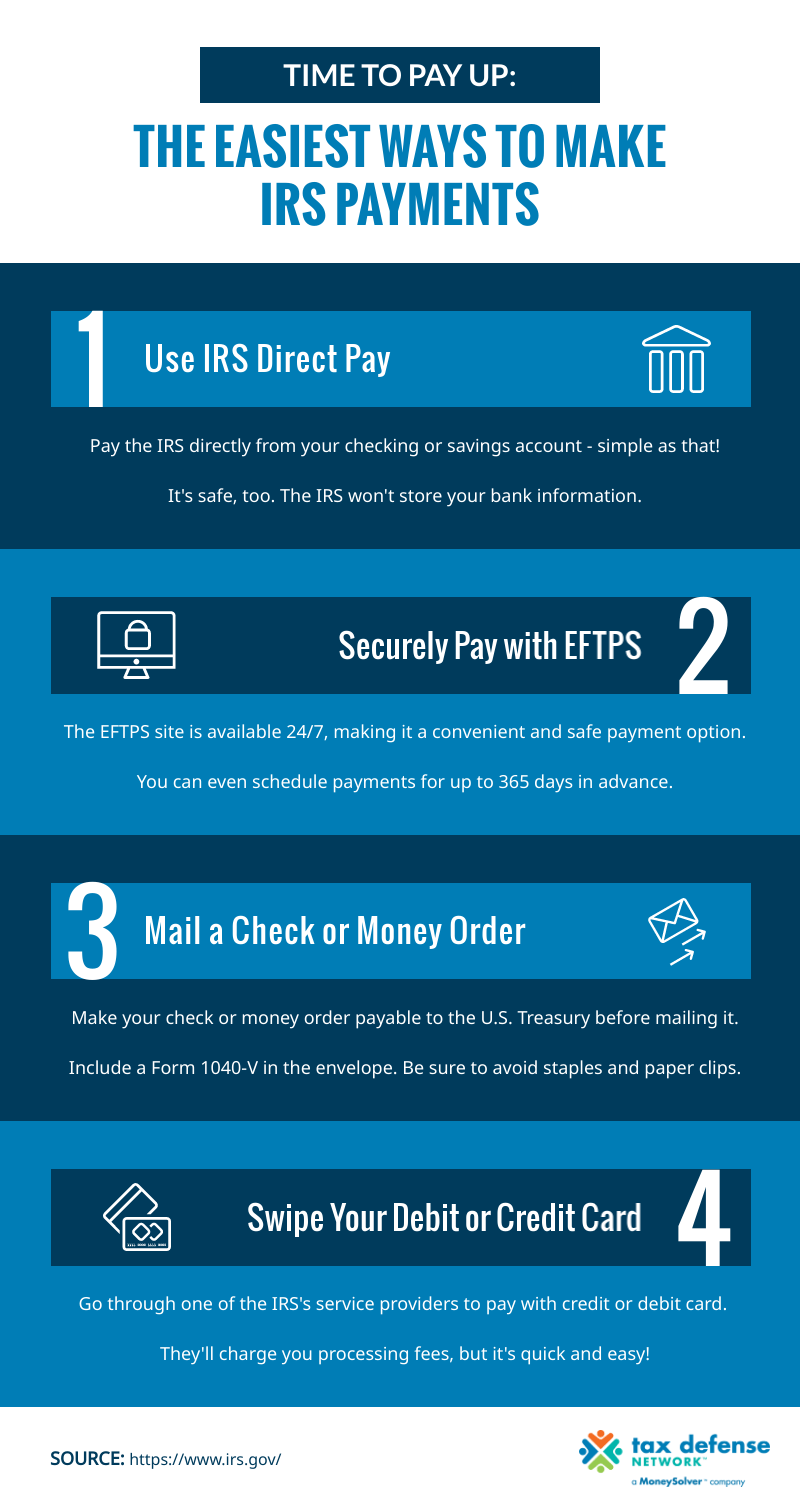
IRS Direct Pay is arguably the simplest and most straightforward method for individual taxpayers to make payments directly from their checking or savings account. It’s a free service offered by the IRS itself, allowing you to pay your tax bill or make estimated tax payments. You simply select the type of payment, enter your bank account information, and confirm your identity using a few pieces of prior tax information. The system allows you to schedule payments up to 365 days in advance, providing excellent flexibility for financial planning. This method is ideal for those who prefer to avoid third-party fees and want a direct, secure channel to the IRS.
Electronic Federal Tax Payment System (EFTPS): For Businesses and Individuals
EFTPS is a long-standing, secure online payment system primarily used by businesses for various federal tax payments, including payroll and estimated taxes. However, it is also available to individual taxpayers who prefer a structured, consistent platform for making all their federal tax payments. EFTPS requires enrollment, which can take several days as a PIN is mailed to you for security. Once enrolled, you can schedule payments up to 365 days in advance and review your payment history for up to 15 months. While it has a slightly steeper learning curve than Direct Pay due to the enrollment process, its comprehensive features make it an invaluable tool for consistent tax payers, offering detailed financial oversight and long-term planning capabilities.
Debit Card, Credit Card, or Digital Wallet Payments (via Processors)
For those who prefer the convenience of using a debit card, credit card, or digital wallet (such as PayPal or Click to Pay), the IRS partners with several third-party payment processors. While these methods offer flexibility and the potential to earn rewards points (with credit cards), it’s important to note that the processors charge a small fee for their service. The IRS does not receive these fees. The fee typically varies based on the processor and the payment method used, but it is often a flat fee for debit cards and a percentage for credit cards. This option can be appealing for taxpayers who want to leverage their credit card rewards programs or need to defer payment through their card’s billing cycle, provided the transaction fees are weighed against potential benefits.
Electronic Funds Withdrawal (EFW): When Filing Electronically
When you file your federal income tax return electronically (e-file) – either through tax software or with a tax professional – you can choose to make an Electronic Funds Withdrawal (EFW) directly from your bank account. This method allows you to specify a payment amount and a withdrawal date (up to the filing deadline), and the payment is automatically debited from your account. EFW is integrated seamlessly into the tax filing process, making it incredibly convenient. It combines the act of filing with the act of paying, streamlining the entire compliance process. This method is free and ensures that your payment is accurately linked to your filed return, reducing the likelihood of payment processing issues.
Beyond Direct IRS Payments: Other Online Avenues
While the IRS offers direct methods, many taxpayers also leverage integrated solutions offered by commercial tax preparation software.

Utilizing Tax Software for Integrated Payments
Commercial tax preparation software like TurboTax, H&R Block, and TaxAct not only guides you through filing your return but also integrates payment options directly into their platforms. When you complete your return using these tools, they typically offer to facilitate an Electronic Funds Withdrawal (EFW) from your bank account or direct you to one of the IRS-approved third-party processors if you prefer to use a debit or credit card. This integrated approach simplifies the overall tax process, allowing you to prepare, file, and pay your taxes all within a single interface. It’s a comprehensive financial tool that brings efficiency to annual tax obligations, often providing helpful prompts and checks to ensure accuracy throughout.
State Tax Payment Considerations
While this article focuses on federal taxes, it’s important to briefly mention that most states also offer online payment options for state income taxes. Often, these state systems mirror the convenience and security of federal online payments, utilizing similar methods like direct debit from bank accounts or payments via credit/debit cards. When using tax software, you’ll typically be prompted to pay your state taxes electronically as well, creating a cohesive financial management experience across both federal and state obligations. Always verify your state’s specific payment portals and methods to ensure compliance and avoid any additional penalties.
Preparing for Your Online Tax Payment: What You Need
Before you initiate an online tax payment, a bit of preparation can save you time and prevent potential headaches. Being organized is key to seamless financial transactions.
Essential Information Gathering
Regardless of the online method you choose, you’ll need several pieces of information readily available:
- Your Tax ID Number (TIN): For individuals, this is typically your Social Security Number (SSN).
- The exact payment amount: Double-check this figure from your tax return or estimated tax worksheet.
- Your bank account information: For Direct Pay, EFTPS, or EFW, you’ll need your bank routing number and account number.
- Your filing status: (e.g., Single, Married Filing Jointly).
- The tax year you are paying for: Ensure you select the correct year.
- Prior year tax information: For identity verification with some services like Direct Pay, you might need information from a previous tax return, such as your Adjusted Gross Income (AGI).
Having these details at hand will ensure a smooth and uninterrupted payment process, reflecting good financial planning.
Understanding Payment Deadlines and Penalties
Familiarize yourself with tax deadlines. The most common deadline for filing and paying individual federal income taxes is April 15th (or the next business day if April 15th falls on a weekend or holiday). However, estimated tax payments have quarterly deadlines throughout the year. Missing these deadlines can result in penalties and interest charges on unpaid taxes, directly impacting your financial health. Online payments offer the advantage of knowing instantly if your payment has gone through on time, mitigating the risk of late penalties. Always aim to initiate your payment well before the deadline to account for any unforeseen technical issues.
Confirming Your Payment Amount
Accuracy is paramount in tax payments. Before submitting your online payment, meticulously confirm that the amount you are entering matches the amount owed on your tax return or estimated tax voucher. Even a small discrepancy can cause issues with your IRS account. If you’re paying estimated taxes, ensure your calculations are current and reflect any changes in income or deductions. Double-checking this figure is a simple but critical step in ensuring proper financial compliance and avoiding future correspondence from the IRS regarding underpayments.
Maximizing Security and Ensuring Success
While online payments offer significant advantages, exercising caution and diligence is crucial to protect your financial information and ensure your payment is successfully processed.
Verifying Official IRS Channels
Always ensure you are using official IRS websites or IRS-approved payment processors. Phishing scams and fraudulent websites designed to mimic government agencies are common. Look for “https://” in the website address and a padlock symbol, indicating a secure connection. The official IRS website is IRS.gov. If using a third-party processor, ensure it is listed on the IRS website as an authorized provider. Paying through legitimate channels safeguards your financial data from cybercriminals and ensures your payment actually reaches the IRS.
Safeguarding Personal Information
When entering sensitive financial data online, take precautions. Use a secure, private internet connection (avoid public Wi-Fi for financial transactions). Ensure your computer or device is protected with up-to-date antivirus software. Never share your IRS login credentials or bank details via email or unsolicited phone calls. The IRS will typically not initiate contact via email regarding tax payments or sensitive information. Practicing good digital hygiene is an essential component of protecting your overall financial security, not just for tax payments but for all online transactions.
Post-Payment Confirmation and Record Keeping
After submitting your online payment, immediately save or print the confirmation page. You will typically receive a confirmation number. For some services, you may also receive an email confirmation. This confirmation is your proof of payment and should be kept with your other tax records for at least three years, or longer if you anticipate potential audits or need to refer back to payment details. Regularly reviewing your bank statements to confirm the withdrawal of funds by the IRS or payment processor is also a wise financial practice. This final step solidifies your compliance and provides peace of mind, knowing your financial obligation has been met.
Paying federal taxes online has transitioned from a niche option to the preferred method for millions of Americans. By understanding the available tools, preparing diligently, and prioritizing security, taxpayers can manage this critical financial responsibility with unprecedented ease and confidence. Embracing these digital payment pathways is not just about convenience; it’s about smart, secure, and efficient financial stewardship in the modern era.
aViewFromTheCave is a participant in the Amazon Services LLC Associates Program, an affiliate advertising program designed to provide a means for sites to earn advertising fees by advertising and linking to Amazon.com. Amazon, the Amazon logo, AmazonSupply, and the AmazonSupply logo are trademarks of Amazon.com, Inc. or its affiliates. As an Amazon Associate we earn affiliate commissions from qualifying purchases.