
In an increasingly digitized world, managing personal and household finances has evolved dramatically. The days of solely relying on paper checks and postage stamps to settle monthly obligations are largely behind us. Today, individuals and businesses are presented with a dizzying array of options for bill payment, each promising convenience, speed, and security. However, with this abundance comes the need for clarity and strategic insight. Understanding the different methods available, their implications, and best practices is crucial for maintaining financial health, avoiding late fees, and safeguarding personal information. This comprehensive guide delves into the modern landscape of bill payment, empowering you to choose the most efficient, secure, and beneficial methods for your specific needs.
The Evolution of Bill Payment: From Manual to Digital Efficiency
The journey of bill payment reflects a broader societal shift towards automation and digital convenience. What was once a laborious, manual process has transformed into a seamless, often instantaneous, transaction. This evolution is not merely about technology; it’s about how we manage our financial obligations and integrate them into our daily lives.
The Traditional Landscape: Checks, Mail, and Manual Processing
For decades, paying bills typically involved a stack of envelopes, a checkbook, and a trip to the mailbox. This method, while still available, was characterized by several challenges: the time required for manual writing and mailing, the cost of stamps, and the inherent delays in postal delivery. Moreover, tracking payments often meant meticulous record-keeping in a physical ledger, leaving ample room for human error. The risk of lost mail, delayed payments leading to late fees, and the environmental impact of paper waste were significant drawbacks. Despite its familiarity, this traditional approach often felt like a chore, a necessary evil in managing one’s finances.
The Digital Revolution: Convenience at Your Fingertips
The advent of the internet and digital banking revolutionized how we approach bill payment. The shift began with telephone banking, then graduated to online portals offered by financial institutions and service providers. Today, mobile apps, digital wallets, and third-party payment platforms have coalesced to offer unparalleled convenience. Bills can be reviewed, scheduled, and paid with a few taps on a smartphone, anytime and anywhere. This digital transformation has not only expedited the payment process but also introduced features like payment reminders, electronic statements, and instant confirmation, significantly reducing the administrative burden on consumers. It’s a shift from reactive, manual effort to proactive, automated financial management.
Key Drivers of Change: Technology and Consumer Demand
Several factors have fueled this rapid evolution. Technologically, the widespread adoption of secure online banking protocols, encryption, and robust data centers has built trust in digital transactions. The proliferation of smartphones and high-speed internet access has made digital access ubiquitous. From the consumer perspective, the demand for convenience, speed, and transparency has been a powerful catalyst. People want to manage their finances on their own terms, fitting bill payments into busy schedules rather than dedicating specific time slots. Furthermore, the push for environmental sustainability and reducing paper consumption has also played a role in accelerating the adoption of paperless billing and digital payments. This confluence of technological capability and consumer desire continues to shape the future of how we pay our bills.
Understanding Your Options: A Spectrum of Payment Methods
Navigating the modern financial landscape requires a clear understanding of the diverse payment methods available. Each option presents its own set of advantages and considerations, from the hands-off convenience of automation to the direct control of manual online payments.
Direct Debit and Autopay: The Hands-Off Approach
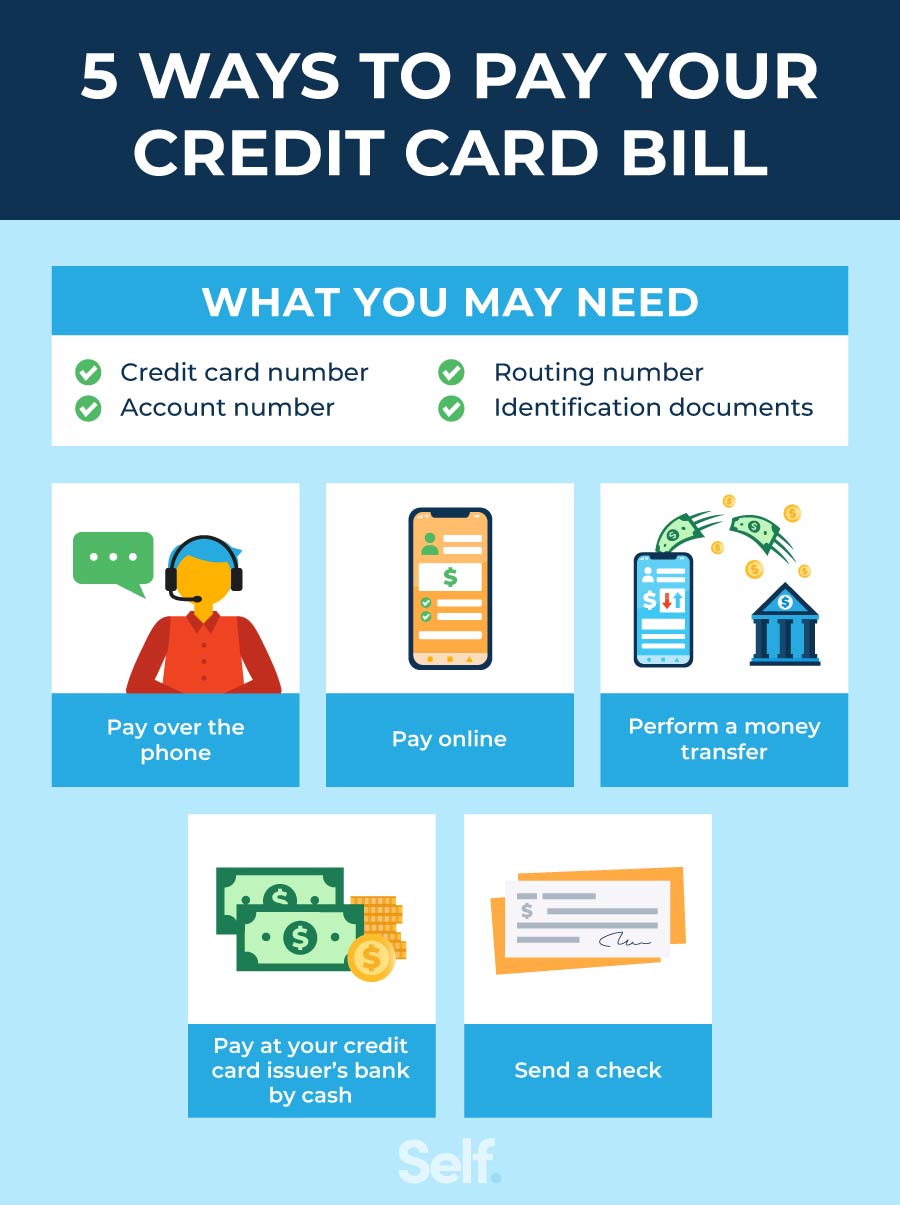
Direct debit and autopay are perhaps the most convenient methods for recurring bills. With direct debit, you authorize a company to automatically withdraw funds from your bank account on a specified date. Autopay, often associated with credit card payments, allows your credit card issuer to automatically deduct the minimum or full payment from your linked bank account.
Advantages:
-
Never Miss a Payment: Eliminates the risk of late fees due to forgotten due dates.
-
Time-Saving: Requires minimal ongoing effort once set up.
-
Improved Credit Score: Consistent on-time payments positively impact your credit history.
Considerations:
-
Cash Flow Management: Requires careful monitoring to ensure sufficient funds are available to avoid overdrafts.
-
Flexibility: Less direct control over payment timing; changes require advance notice.
-
Security: Important to only authorize reputable organizations.
Online Portals and Mobile Apps: Direct Payer Control
Most utility companies, credit card issuers, and service providers offer their own online payment portals or dedicated mobile apps. These platforms allow you to log in securely, view your statement, and initiate a one-time payment using your bank account (ACH transfer) or a credit/debit card.
Advantages:
-
Control and Flexibility: You choose when to pay, within the due date, and how much (e.g., partial payments).
-
Instant Confirmation: Often provides immediate confirmation of payment.
-
Detailed History: Access to past statements and payment records.
Considerations:
-
Multiple Logins: Requires managing various usernames and passwords for different providers.
-
Manual Effort: Still requires logging in for each bill.
-
Varying User Interfaces: Experience can differ significantly between providers.
Third-Party Payment Services: Aggregators and Wallets
Platforms like PayPal, Venmo, Zelle (for transfers, though some billers accept it), and dedicated bill pay services offered by banks (e.g., Zelle, Bill Pay in online banking) consolidate your bills or facilitate payments. Digital wallets like Apple Pay or Google Pay can also be used if the biller accepts them.
Advantages:
-
Centralized Management: Some services allow you to manage multiple bills from one interface.
-
Enhanced Security: Often provide an additional layer of encryption or buyer protection.
-
Peer-to-Peer Convenience: For informal payments or splitting bills with housemates.
Considerations:
-
Fees: Some third-party services may charge transaction fees.
-
Acceptance: Not all billers accept every third-party payment method.
-
Intermediary Risk: Adding another party into the transaction chain.
In-Person and Phone Payments: When Digital Isn’t an Option
While digital methods dominate, there are still scenarios where in-person or phone payments are necessary or preferred. Many utility companies and credit card issuers still accept payments over the phone via automated systems or customer service representatives. Additionally, some providers offer payment centers or partner with retail locations (e.g., grocery stores, money transfer services) for cash or check payments.
Advantages:
-
Accessibility: Crucial for individuals without internet access or bank accounts.
-
Immediate Assistance: Phone payments allow for direct interaction with customer service.
-
Cash Payments: Ideal for those who primarily deal in cash.
Considerations:
-
Time-Consuming: Requires travel or waiting on hold.
-
Potential Fees: Some in-person payment locations charge a convenience fee.
-
Security Risk: Providing card details over the phone to unverified callers.
Emerging Payment Technologies: QR Codes and Beyond
The payment landscape continues to innovate. QR code payments, common in many parts of the world, are gaining traction, allowing users to scan a code and pay instantly. Contactless payments via NFC (Near Field Communication) are also becoming more prevalent. While not universally adopted for recurring bills yet, these technologies point towards an even more streamlined and integrated future for financial transactions.
Strategies for Smart Bill Management and Financial Wellness
Paying bills isn’t just a chore; it’s a fundamental pillar of sound financial management. Strategic approaches to bill payment can significantly reduce stress, avoid unnecessary costs, and contribute positively to your overall financial health.
Setting Up a Bill Payment Schedule: Never Miss a Due Date
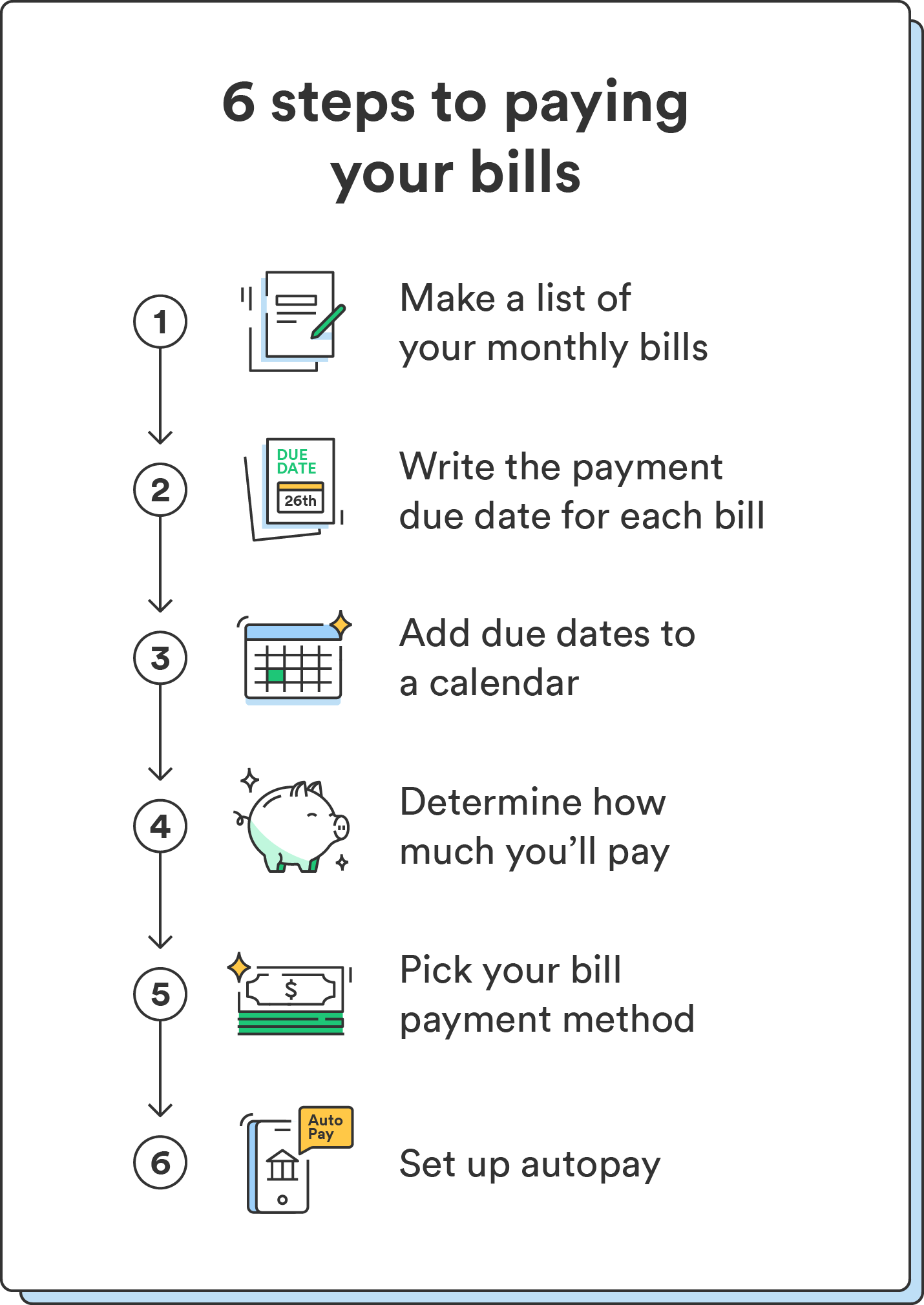
One of the simplest yet most effective strategies is to create a comprehensive bill payment schedule. This could be a physical calendar, a spreadsheet, or a dedicated app. List all your recurring bills, their due dates, and the minimum amount required.
-
Consolidate Due Dates: If possible, contact billers to align due dates around your pay schedule.
-
Set Reminders: Use calendar alerts, app notifications, or even simple sticky notes.
-
Review Regularly: Periodically check for new bills, changes in amounts, or updated due dates.
Budgeting for Bills: Integrating Payments into Your Financial Plan
Effective bill payment starts with effective budgeting. Your budget should clearly allocate funds for all anticipated bills, ensuring that money is available when payments are due.
-
Fixed vs. Variable: Differentiate between fixed expenses (rent, mortgage) and variable expenses (utilities, credit card).
-
Allocate Ahead: Set aside money for upcoming bills as soon as you receive your income.
-
Emergency Buffer: Maintain an emergency fund to cover unexpected expenses or temporary income disruptions without jeopardizing bill payments.
Automating Where Possible: Balancing Convenience and Control
While complete automation isn’t for everyone, intelligently using autopay or direct debits can free up mental bandwidth. For stable, predictable bills (e.g., rent, loan payments, subscriptions), automation is often ideal.
-
Small, Fixed Bills: Automate payments for streaming services, gym memberships, or insurance premiums.
-
Minimum Payments: Consider automating minimum credit card payments to avoid late fees, then manually paying more if your budget allows.
-
Regular Review: Even with automation, regularly review your bank statements to ensure correct amounts are being withdrawn and to catch any unauthorized charges.
Reviewing Statements Regularly: Spotting Errors and Fraud
Don’t just pay your bills; read them. Regularly reviewing your statements is crucial for financial oversight.
-
Check for Discrepancies: Ensure charges align with your usage or agreements.
-
Identify Unauthorized Activity: Look for suspicious transactions that could indicate fraud.
-
Understand Usage Patterns: Analyzing utility bills can help you identify areas to reduce consumption and save money.
Leveraging Payment History for Credit Building
Timely bill payments, particularly for loans and credit cards, are a cornerstone of building a strong credit history. Your payment history is a significant factor in your credit score, influencing your ability to secure future loans, mortgages, or even rental agreements.
-
On-Time is Key: Make all payments by their due date, every time.
-
Full Payments: While minimum payments avoid late fees, paying in full (especially for credit cards) prevents interest accrual and reduces your credit utilization ratio, both beneficial for your score.
-
Dispute Errors: If you spot an error on your credit report related to a bill payment, dispute it immediately.
Security and Best Practices in Digital Bill Payment
The convenience of digital payments comes with the imperative of vigilance. Protecting your financial information is paramount in an age where cyber threats are constantly evolving.
Protecting Your Financial Information: Strong Passwords and Two-Factor Authentication
Your online financial accounts are gateways to your money. Treat their security with utmost seriousness.
-
Unique, Complex Passwords: Use long, random combinations of letters, numbers, and symbols for each financial account. Never reuse passwords.
-
Two-Factor Authentication (2FA): Enable 2FA whenever available. This adds an extra layer of security, typically requiring a code sent to your phone in addition to your password.
-
Secure Networks: Avoid making financial transactions on public Wi-Fi networks, which are often unencrypted and vulnerable to snooping.
Identifying and Avoiding Scams: Vigilance is Key
Scammers frequently target individuals through fake bill notices or payment demands. Be suspicious of unsolicited emails, texts, or calls claiming urgent payment is required.
-
Verify the Sender: Always cross-reference the sender’s email address or phone number with official contact information.
-
Beware of Pressure Tactics: Scammers often use threats (e.g., immediate disconnection, arrest) to pressure you into quick, irreversible payments (e.g., gift cards, wire transfers). Legitimate companies will not demand payment via these methods.
-
Direct Contact: If unsure, contact the biller directly using their official website or the number printed on a legitimate bill.
Choosing Reputable Platforms: Due Diligence Matters
When using third-party payment services or new online platforms, always perform due diligence.
-
Research: Look for reviews, check for security certifications (like SSL), and verify the company’s legitimacy.
-
Privacy Policies: Understand how your data will be collected, stored, and used.
-
Official Apps: Download mobile banking and payment apps only from official app stores (Google Play Store, Apple App Store) to avoid malicious fakes.
Understanding Payment Confirmation and Record Keeping
After every payment, ensure you receive and retain confirmation. This serves as proof of payment in case of disputes.
-
Confirmation Numbers: Note down or screenshot any confirmation numbers provided.
-
Electronic Receipts: Save electronic receipts in a dedicated folder on your computer or cloud storage.
-
Bank Statements: Regularly reconcile your bank and credit card statements with your payment records.
The Financial Impact of Bill Payment Choices
The choices you make in how and when you pay your bills can have significant ripple effects on your financial health, impacting everything from your credit score to your ability to save.
Avoiding Late Fees and Penalties: The Cost of Procrastination
Late fees are an unnecessary drain on your finances. Missing a due date, even by a day, can trigger penalties that quickly add up, especially for credit cards, loans, or utilities.
-
Budget for Flexibility: Aim to pay bills a few days before their due date to account for processing delays.
-
Set Reminders: Use multiple reminder systems to ensure you never miss a payment.
-
Contact Early: If you anticipate being unable to pay a bill on time, contact the biller before the due date to explore potential options (e.g., payment arrangements, extensions).
Optimizing Cash Flow: Strategic Timing of Payments
Strategic timing of your bill payments can help you manage your cash flow more effectively, especially if your income is variable or sporadic.
-
Align with Paydays: Schedule payments to coincide shortly after you receive income, ensuring funds are available.
-
Avoid Early Payment without Benefit: Unless there’s an early payment discount, paying bills significantly before their due date might tie up funds that could be earning interest or used for other immediate needs.
-
Utilize Grace Periods: Some bills have a short grace period after the due date before late fees apply, though relying on these should be avoided.
Utilizing Reward Programs and Credit Card Benefits
For those who use credit cards responsibly, paying bills with them can unlock valuable rewards and benefits.
-
Cash Back and Points: Earn cash back, travel points, or other rewards on your spending.
-
Extended Warranty/Purchase Protection: Some credit cards offer additional benefits for purchases made with the card.
-
Debt Avoidance is Key: Only use credit cards for bill payments if you can afford to pay the balance in full each month to avoid interest charges that would negate any rewards.

Impact on Credit Score: Timeliness and Utilization
Your bill payment habits are central to your credit score, a critical financial indicator.
-
Payment History (35% of FICO Score): On-time payments are the single most important factor. Missed payments, especially 30 days or more past due, can severely damage your credit.
-
Credit Utilization (30% of FICO Score): For credit cards, paying bills in full and keeping your credit utilization ratio (amount owed vs. total credit limit) low (ideally under 30%) is beneficial.
-
Building Positive History: Consistently managing and paying various types of bills (credit cards, loans, utilities that report to credit bureaus) builds a robust and positive credit profile over time.
In conclusion, paying your bills has transcended a simple financial transaction to become an integral part of personal finance strategy. By understanding the diverse methods available, implementing smart management strategies, prioritizing security, and recognizing the broader financial implications, you can transform bill payment from a necessary chore into a powerful tool for achieving financial wellness and peace of mind. The digital age offers unprecedented tools; it’s up to each individual to wield them wisely.
aViewFromTheCave is a participant in the Amazon Services LLC Associates Program, an affiliate advertising program designed to provide a means for sites to earn advertising fees by advertising and linking to Amazon.com. Amazon, the Amazon logo, AmazonSupply, and the AmazonSupply logo are trademarks of Amazon.com, Inc. or its affiliates. As an Amazon Associate we earn affiliate commissions from qualifying purchases.