
Managing your Bank of America credit card payments effectively is a cornerstone of sound personal finance. Prompt and strategic payments not only keep you in good standing with your lender but also play a critical role in building and maintaining a strong credit score. Understanding the various payment channels available and adopting best practices for managing your credit card debt can significantly impact your financial health. This guide explores the comprehensive methods for paying your Bank of America credit card, alongside crucial financial strategies to optimize your payment habits.
Essential Payment Channels for Your Bank of America Credit Card
Bank of America provides a range of convenient options to ensure you can make your credit card payments easily and on time. Choosing the method that best suits your financial routine is key to avoiding late fees and maintaining a positive credit history.
Digital Banking: Online and Mobile App Payments
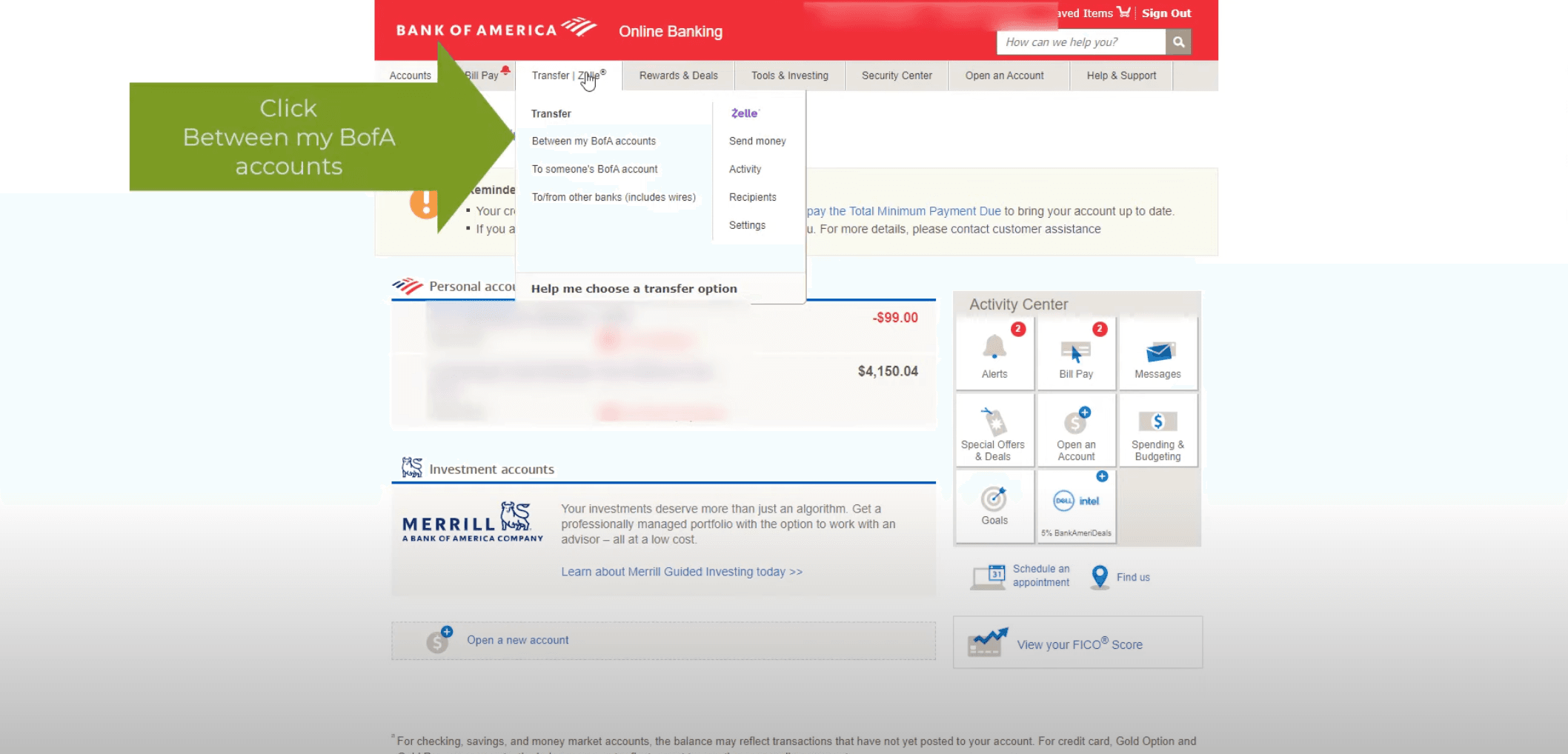
The most popular and often most efficient way to pay your Bank of America credit card is through their online banking portal or the Bank of America mobile app. This method offers unparalleled convenience, allowing you to manage your payments from virtually anywhere, at any time.
To make an online payment:
- Log In: Access your Bank of America online banking account using your username and password, or log into the mobile app.
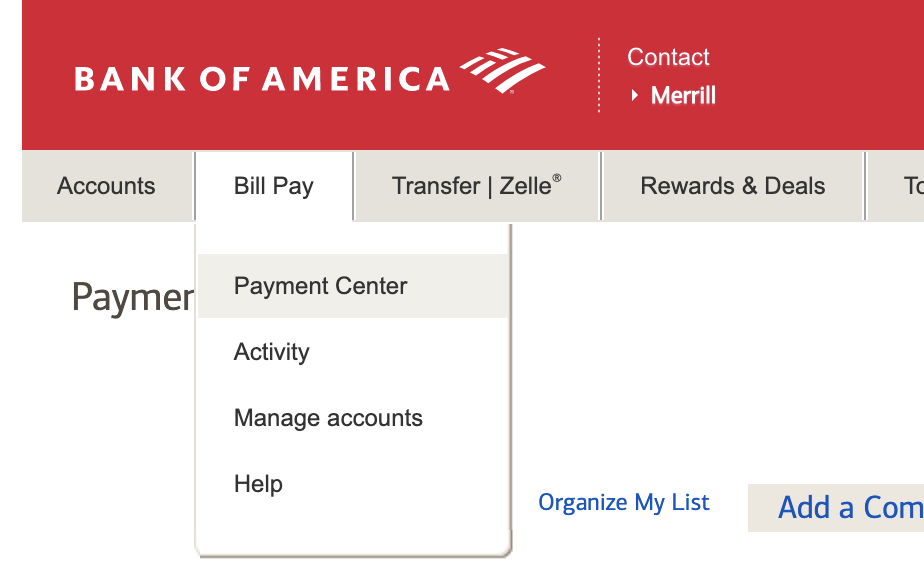
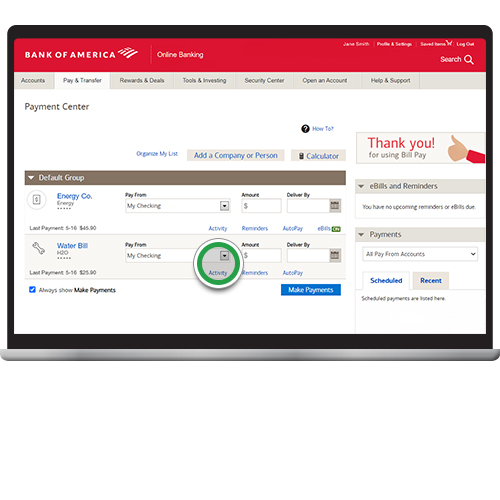
- Navigate to Payments: Once logged in, locate the “Payments” or “Credit Cards” section. Select the specific credit card you wish to pay.
- Choose Payment Details: You will typically be prompted to select the payment amount (minimum payment due, statement balance, current balance, or a custom amount) and the payment date.
- Select Source Account: Choose the bank account from which you want to draw the funds. This can be a linked Bank of America checking or savings account, or an external bank account that you have previously set up and verified.
- Review and Confirm: Double-check all the details before confirming the payment. You will usually receive an instant confirmation number or email.
The advantages of digital payments include immediate processing confirmation, the ability to schedule future payments, and access to your payment history. This 24/7 accessibility makes it a powerful tool for proactive financial management.
Automated Payments for Peace of Mind
Setting up automatic payments, or Autopay, is an excellent strategy for ensuring your credit card payments are never missed. This feature allows Bank of America to automatically deduct a pre-determined amount from your designated bank account on a scheduled date.
To set up Autopay:
- Access Online Banking/Mobile App: Log into your Bank of America account as you would for a manual payment.
- Locate Autopay Settings: Within your credit card account details, look for an option to “Set up Autopay” or “Automatic Payments.”
- Configure Payment Rules: You can typically choose to pay the minimum payment due, the statement balance, or a fixed amount each month. Select the payment date, ensuring it’s before your due date.
- Designate Funding Account: Link the bank account you wish to use for these automatic deductions.
The primary benefit of Autopay is the elimination of the risk of late payments, which can result in fees and damage to your credit score. However, it is crucial to ensure that your linked bank account always has sufficient funds to cover the automatic deduction. Regularly reviewing your bank statements and setting up low balance alerts can help prevent overdrafts or returned payments.
Traditional and Direct Payment Methods
While digital methods offer significant convenience, Bank of America also supports traditional payment methods for those who prefer them or require alternatives.
- Paying by Phone: You can call Bank of America’s customer service number, typically found on the back of your credit card or on your statement. An automated system often allows you to make a payment by providing your credit card and bank account details. If you prefer, you can speak to a customer service representative, though some institutions may charge a fee for agent-assisted payments (Bank of America typically does not for standard payments).
- Paying by Mail: This method involves sending a check or money order through postal service. You will need your credit card payment coupon, which usually comes with your monthly statement. If you don’t have a coupon, write your credit card account number clearly on your check or money order. The mailing address for payments is typically provided on your statement. Remember that mail can take several business days to arrive and process, so send your payment well in advance of your due date to avoid late fees.
- Paying In-Person: You can visit any Bank of America branch during business hours to make a payment. A teller can process your payment using cash, a check, or a money order. This method provides immediate confirmation and can be useful if you prefer direct interaction or need to make a last-minute payment with cash.
Strategic Financial Management of Your Credit Card
Making timely payments is just one aspect of effective credit card management. Strategic approaches to how and what you pay can significantly impact your financial well-being and credit score.
The Impact of Paying More Than the Minimum
While paying the minimum amount due prevents late fees, it is often the least financially efficient approach. Credit card interest rates can be high, and only paying the minimum allows interest to accrue on a larger principal balance, extending the repayment period and significantly increasing the total cost of your purchases.
- Reduce Interest Paid: By paying more than the minimum, you reduce your outstanding balance faster. This means less interest accumulates over time, saving you money.
- Accelerate Debt Payoff: Larger payments translate to quicker debt elimination, freeing up your finances for other goals.
- Improve Credit Utilization: Your credit utilization ratio (the amount of credit you’re using compared to your total available credit) is a significant factor in your credit score. Paying down your balance lowers this ratio, which is favorable for your credit health. Experts often recommend keeping this ratio below 30%.
Aiming to pay your statement balance in full each month is the ideal scenario, as it allows you to avoid interest charges altogether. If paying in full isn’t feasible, paying as much as you comfortably can above the minimum is a smart financial move.
Deciphering Your Credit Card Statement and Due Dates
Your monthly credit card statement is more than just a bill; it’s a comprehensive overview of your spending and payment obligations. Understanding its components is vital for effective management.
- Review for Accuracy: Always examine your statement for any unauthorized transactions or billing errors. Discrepancies should be reported to Bank of America promptly.
- Payment Due Date: This is the critical date by which your payment must be received and processed to avoid late fees.
- Statement Closing Date: This marks the end of a billing cycle, and any purchases made after this date will appear on your next statement. The balance on your statement closing date is often used to calculate your credit utilization ratio.
Missing a payment due date can trigger late fees, potentially increase your annual percentage rate (APR) to a penalty APR, and negatively impact your credit score if reported to credit bureaus after 30 days.
Maintaining a Healthy Credit Utilization Ratio
As mentioned, your credit utilization ratio is a key component of your credit score. It’s calculated by dividing your total credit card balances by your total available credit. For example, if you have a total credit limit of $10,000 across all your cards and your combined balances are $3,000, your utilization ratio is 30%.
Keeping this ratio low demonstrates responsible credit management to lenders. Regularly paying down your credit card balances, especially before your statement closing date, can help maintain a low utilization ratio, thereby positively influencing your credit score. Even if you carry a balance, making multiple small payments throughout the month can help keep your reported utilization lower.
Overcoming Common Payment Obstacles
Despite best intentions, payment issues can arise. Knowing how to address them quickly and effectively can mitigate their negative impact on your finances and credit.
Addressing Late or Failed Payments
If you realize a payment will be or has been late, swift action is crucial:
- Contact Bank of America Immediately: As soon as you anticipate or realize a late payment, call Bank of America. They may be willing to waive the first late fee as a courtesy, especially if you have a good payment history.
- Understand Consequences: Be aware of potential late fees, a temporary or permanent increase in your APR (penalty APR), and the possibility of a negative mark on your credit report if the payment is more than 30 days past due.
- Prevent Future Occurrences: Implement reminders, schedule payments in advance, or set up Autopay to ensure future payments are on time.
If a payment fails due to insufficient funds (a “returned payment”), you may incur fees from both Bank of America and your own bank. Always verify sufficient funds before initiating a payment, especially for automated deductions.
Resolving Billing Errors and Disputed Charges
Upon reviewing your credit card statement, you might occasionally find an incorrect charge, a duplicate transaction, or a charge for a service you did not receive.
- Identify the Error: Clearly pinpoint the specific transaction(s) in question.
- Gather Documentation: Collect any relevant receipts, emails, or communication related to the disputed charge.
- Contact Bank of America: Report the error promptly. You can typically do this online through your banking portal, via the mobile app, or by calling customer service. Under the Fair Credit Billing Act, you generally have 60 days from the date the first bill containing the error was mailed to dispute a charge.
- Follow Up: Keep records of all communications with Bank of America regarding the dispute.
Acting quickly protects your rights as a consumer and helps ensure you only pay for legitimate charges.
Enhancing Payment Management with Financial Tools
Modern financial management is increasingly supported by a suite of digital tools designed to simplify budgeting, tracking, and payment processes.
Utilizing Bank of America’s Integrated Digital Features
Bank of America’s online banking and mobile app offer more than just payment processing. They often include features that aid in overall financial management:
- Payment Reminders and Alerts: Set up notifications for upcoming due dates, payment confirmations, or if your balance is nearing your credit limit.
- Balance and Transaction Alerts: Stay informed about your account activity and current balance.
- Spending Insights: Many banking apps provide tools to categorize your spending, helping you understand where your money goes and make informed budgeting decisions.
Leveraging these built-in tools can provide a comprehensive view of your financial health and empower proactive management of your credit card.
Integrating with Personal Finance Management (PFM) Apps
Beyond your bank’s native tools, various third-party personal finance management (PFM) applications (e.g., Mint, YNAB, Personal Capital) can connect to your Bank of America credit card and other financial accounts. These apps offer a consolidated view of your entire financial picture.
- Centralized Tracking: See all your bank accounts, investments, and credit cards in one place.
- Budgeting Tools: Create and track budgets across different spending categories.
- Debt Management Features: Some apps offer tools to plan and accelerate debt payoff strategies.
These PFM apps can act as a powerful overlay, providing insights and organizational capabilities that complement your direct banking experience.
The Critical Role of an Emergency Fund
While not directly a payment method, a healthy emergency fund is perhaps the most crucial financial tool for ensuring consistent credit card payments. An emergency fund, typically three to six months’ worth of living expenses saved in an easily accessible account, acts as a financial buffer. In the event of unexpected expenses, job loss, or a medical emergency, this fund can prevent you from relying on your credit cards or missing payments, thereby safeguarding your credit score and financial stability. Building and maintaining an emergency fund is a fundamental principle of financial resilience, offering peace of mind and protection against unforeseen financial shocks.
aViewFromTheCave is a participant in the Amazon Services LLC Associates Program, an affiliate advertising program designed to provide a means for sites to earn advertising fees by advertising and linking to Amazon.com. Amazon, the Amazon logo, AmazonSupply, and the AmazonSupply logo are trademarks of Amazon.com, Inc. or its affiliates. As an Amazon Associate we earn affiliate commissions from qualifying purchases.