
Managing your money effectively is one of the most empowering skills you can cultivate. It’s the cornerstone of financial freedom, stress reduction, and achieving your life’s ambitions, from buying a home to securing a comfortable retirement. In an increasingly complex financial landscape, taking control of your finances isn’t just a suggestion; it’s a necessity. This comprehensive guide will walk you through the essential steps and strategies to not only manage your money but to make it work for you, fostering a robust financial future.
The Foundation of Financial Wellness: Budgeting and Tracking
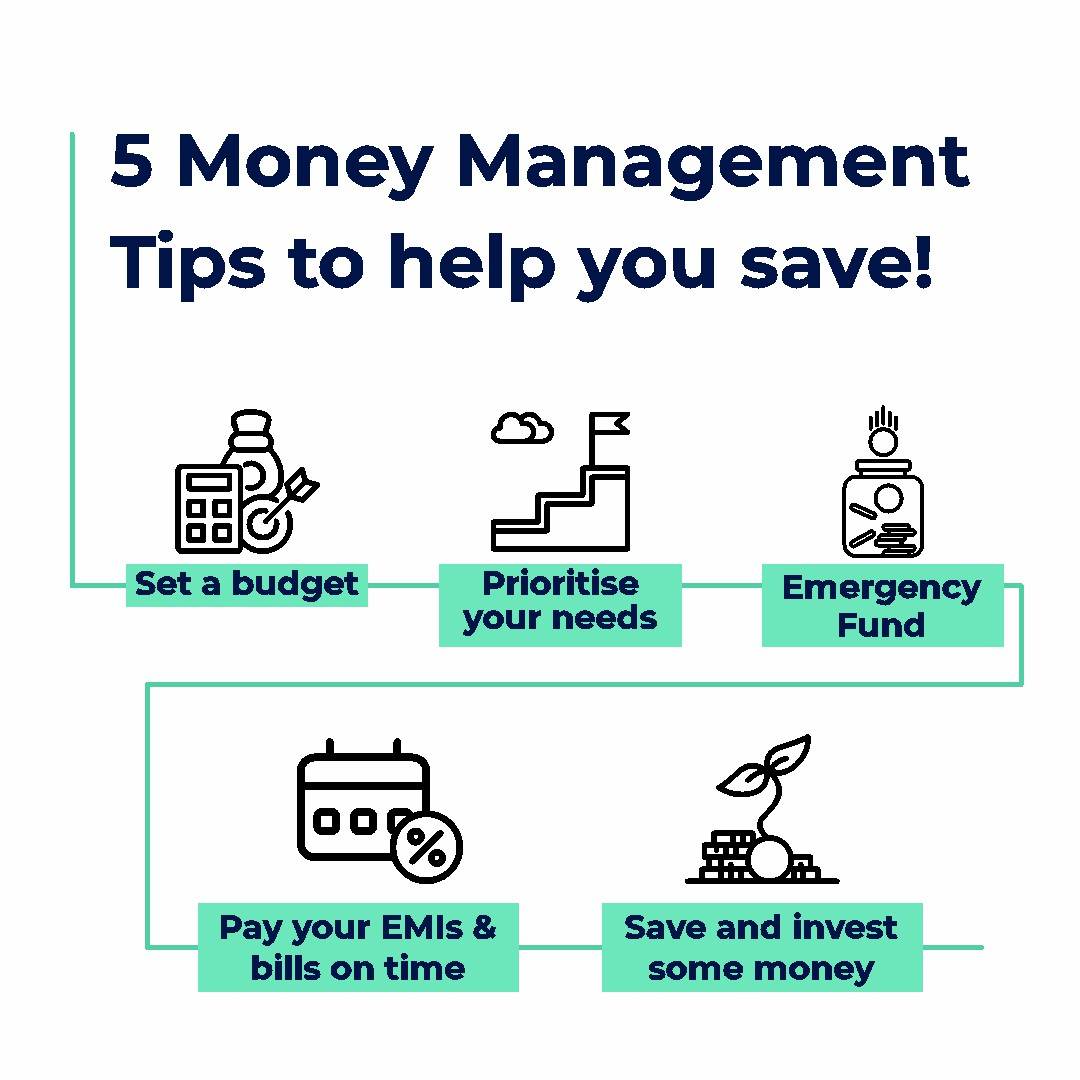
Effective money management begins with understanding where your money comes from and where it goes. Without this fundamental insight, any attempts to save, invest, or reduce debt will be akin to navigating a maze blindfolded. Budgeting isn’t about restriction; it’s about intentionality and control.

Understanding Your Income and Expenses
The first step in any budgeting process is to gather all your financial data. This means listing every source of income – your salary, freelance earnings, side hustle profits, investment dividends, etc. – and every single expense. For expenses, categorize them into fixed (rent/mortgage, loan payments, subscriptions) and variable (groceries, entertainment, dining out, transport). Don’t overlook the small, seemingly insignificant daily purchases; they add up faster than you think. Review bank statements, credit card bills, and transaction histories for at least a month, ideally three, to get a realistic picture. This exercise often reveals “money leaks” – areas where you’re spending unnecessarily without realizing it.
Choosing the Right Budgeting Method
There isn’t a one-size-fits-all budgeting solution; what works for one person might not work for another. The key is to find a method that you can consistently stick to.
-
The 50/30/20 Rule: This popular method allocates 50% of your after-tax income to needs (housing, utilities, groceries, transportation), 30% to wants (dining out, entertainment, hobbies), and 20% to savings and debt repayment. It’s simple, flexible, and a great starting point for many.
-
Zero-Based Budgeting: With this method, you assign every dollar of your income a “job” – whether it’s for an expense, saving, or debt repayment – until your income minus your expenses equals zero. This ensures that no money is left unaccounted for and maximizes your financial efficiency.
-
The Envelope System: This physical (or digital) method involves allocating cash to specific spending categories, often in actual envelopes. Once the money in an envelope is gone for that month, you stop spending in that category. It’s excellent for controlling variable expenses and making your spending tangible.
-
Pay Yourself First: While not strictly a full budgeting method, this principle prioritizes saving by automating transfers to your savings or investment accounts immediately after you get paid. Whatever is left is then managed for expenses.
Leveraging Technology for Tracking
Gone are the days when budgeting meant meticulous manual ledger entries. Modern technology offers powerful tools to simplify tracking and analysis:
-
Budgeting Apps (e.g., Mint, YNAB, Personal Capital): These apps link directly to your bank accounts and credit cards, automatically categorizing transactions, tracking spending, and providing visual dashboards of your financial health. Many offer goal-setting features and alerts.
-
Spreadsheets (e.g., Excel, Google Sheets): For those who prefer a more hands-on approach, a customized spreadsheet offers ultimate flexibility. You can create your own categories, formulas, and dashboards tailored precisely to your needs. There are countless free templates available online to get you started.
-
Online Banking Tools: Most banks now offer robust online platforms with spending categorization, budget builders, and alerts, providing a convenient way to monitor your accounts without additional software.
The goal isn’t just to track, but to regularly review. Set aside time each week or month to assess your spending against your budget, identify areas for improvement, and celebrate your successes.
Strategic Savings and Debt Management
Once you have a clear picture of your cash flow, the next critical step is to strategically save and aggressively tackle debt. These two elements are intertwined, as reducing high-interest debt can free up significant funds for savings and investment.
Setting Clear Financial Goals
Saving without a purpose can feel aimless. Define what you’re saving for, both in the short-term (e.g., a new gadget, vacation fund) and long-term (e.g., down payment for a house, retirement, child’s education).
-
Short-term Goals: Typically achievable within 1-3 years.
-
Mid-term Goals: 3-10 years.
-
Long-term Goals: 10+ years, such as retirement.
Attach a specific monetary amount and a timeline to each goal. This makes your aspirations concrete and provides powerful motivation.
Building an Emergency Fund: Your Financial Safety Net
This is non-negotiable. An emergency fund is a stash of readily accessible cash (ideally in a separate, high-yield savings account) designed to cover unexpected expenses like job loss, medical emergencies, or major car repairs without going into debt. Aim for at least 3-6 months’ worth of essential living expenses. For those with less stable income or higher dependents, 6-12 months might be more appropriate. Prioritize building this fund before focusing heavily on other investments.
Tackling Debt Effectively
High-interest debt, especially credit card debt, can erode your financial progress rapidly. Developing a clear strategy to eliminate it is crucial.
-
Debt Snowball Method: You pay off your smallest debt first, regardless of interest rate, while making minimum payments on all others. Once the smallest is paid, you roll that payment amount into the next smallest debt. This method provides psychological wins and momentum.
-
Debt Avalanche Method: You prioritize paying off the debt with the highest interest rate first, while making minimum payments on others. This method is mathematically more efficient, saving you the most money in interest over time.
-
Consolidation and Refinancing: For certain types of debt, like high-interest credit cards or student loans, consolidating multiple debts into a single loan with a lower interest rate, or refinancing an existing loan, can simplify payments and reduce your overall interest burden.
Automating Your Savings
One of the most effective strategies for consistent saving is to “set it and forget it.” Set up automatic transfers from your checking account to your savings, investment, or emergency fund accounts immediately after you receive your paycheck. Even small, regular contributions add up significantly over time thanks to the magic of compounding interest. This removes the temptation to spend the money before you’ve saved it.
Growing Your Wealth: Investing for the Future
Once you have a solid emergency fund and a manageable debt load, it’s time to shift focus towards making your money grow through investing. Investing isn’t just for the wealthy; it’s an accessible and vital tool for everyone looking to build long-term wealth.
Demystifying Investment Basics
The world of investing can seem intimidating, but the core concepts are straightforward:
-
Stocks: Represent ownership shares in a company. They offer the potential for higher returns but also come with higher risk.
-
Bonds: Essentially loans made to governments or corporations. They are generally less risky than stocks but offer lower returns.
-
Mutual Funds: Professionally managed portfolios of stocks, bonds, or other securities. They offer diversification and professional management for a fee.
-
Exchange-Traded Funds (ETFs): Similar to mutual funds but trade like stocks on an exchange. They often have lower fees than mutual funds.
-
Index Funds: A type of mutual fund or ETF that tracks a specific market index (e.g., S&P 500). They offer broad market exposure and typically have very low fees.
Understanding Risk Tolerance and Diversification
Before investing, assess your risk tolerance – how much volatility and potential loss you’re comfortable with. A younger investor with a longer time horizon can typically afford to take on more risk (e.g., more stocks), while someone closer to retirement might prefer a more conservative approach (e.g., more bonds).
Diversification is key to managing risk. It means spreading your investments across various asset classes, industries, and geographies. “Don’t put all your eggs in one basket” is the mantra here. If one investment performs poorly, others may perform well, mitigating overall losses.
Starting Early: The Power of Compounding
The single most powerful force in investing is compounding interest. This is when your earnings from investments also start to earn returns. The longer your money is invested, the more time it has to compound, leading to exponential growth. Even small, consistent contributions made early in life can accumulate into substantial wealth over decades. Time in the market often beats timing the market.
Retirement Planning Essentials
Retirement might seem a long way off, but planning for it is crucial. Take advantage of tax-advantaged retirement accounts:
-
401(k) / 403(b): Employer-sponsored plans where contributions are made pre-tax, reducing your taxable income now. Often, employers offer matching contributions – essentially free money!
-
IRA (Individual Retirement Account): You can contribute to a traditional IRA (pre-tax contributions, tax-deferred growth) or a Roth IRA (after-tax contributions, tax-free withdrawals in retirement). Roth IRAs are particularly attractive for younger investors expecting to be in a higher tax bracket in retirement.
-
SEP IRA / Solo 401(k): For self-employed individuals and small business owners.
Maximizing contributions to these accounts, especially if there’s an employer match, should be a top priority for long-term wealth building.
Protecting Your Assets and Planning for the Unexpected
Financial management isn’t just about accumulation; it’s also about protection. Life is unpredictable, and having safeguards in place ensures that unforeseen events don’t derail your financial progress or burden your loved ones.
The Importance of Insurance
Insurance acts as a financial safety net against various risks:
-
Health Insurance: Essential to cover medical emergencies, regular check-ups, and chronic conditions. A single major illness can be financially devastating without it.
-
Life Insurance: Provides financial protection for your dependents in the event of your death. Term life insurance (for a specific period) is often sufficient for most families.
-
Disability Insurance: Replaces a portion of your income if you become unable to work due to illness or injury. Your most valuable asset is often your ability to earn an income.
-
Homeowners/Renters Insurance: Protects your dwelling and personal belongings against damage, theft, and liability.
-
Auto Insurance: Legally required in most places and protects against financial losses from accidents.
Review your insurance needs periodically to ensure adequate coverage as your life circumstances change.
Estate Planning Fundamentals
While often uncomfortable to discuss, proper estate planning ensures your assets are distributed according to your wishes and minimizes stress for your family during a difficult time.
-
Wills: Legally declare how your assets should be distributed upon your death and can designate guardians for minor children.
-
Trusts: Can hold assets for beneficiaries, providing more control over their distribution and potentially avoiding probate (the legal process of validating a will).
-
Power of Attorney: Designates someone to make financial and/or healthcare decisions on your behalf if you become incapacitated.
Even basic estate planning can provide immense peace of mind.
Building and Maintaining a Good Credit Score
Your credit score is a numerical representation of your creditworthiness. A good credit score is vital for obtaining loans (mortgage, car), credit cards, and even some jobs or rental agreements at favorable terms.
-
Pay Bills on Time: Payment history is the most significant factor.
-
Keep Credit Utilization Low: Aim to use less than 30% of your available credit.
-
Maintain a Mix of Credit: A healthy mix of credit cards and installment loans can be beneficial.
-
Avoid Opening Too Many New Accounts: Each application can temporarily ding your score.
-
Regularly Check Your Credit Report: Dispute any errors promptly.
A high credit score can save you tens of thousands of dollars in interest over your lifetime.
Continuous Learning and Adapting Your Financial Plan
Money management is not a static process; it’s an ongoing journey that requires continuous learning, regular review, and adaptation to life’s inevitable changes.
Regular Financial Reviews and Adjustments
Set aside time at least once a quarter, or annually, to conduct a thorough financial review.
-
Assess your budget: Is it still realistic? Are there areas where you can cut back or optimize?
-
Review your goals: Are they still relevant? Have your timelines or priorities shifted?
-
Check your investments: Are they still aligned with your risk tolerance and goals? Do they need rebalancing?
-
Evaluate your debt: Are you making progress? Are there opportunities to refinance or accelerate payments?
-
Update your estate plan: Has there been a major life event (marriage, divorce, new child, new property)?
Life changes, and so should your financial plan.
Staying Informed About Economic Trends
While you don’t need to be a financial market expert, having a basic understanding of economic trends (inflation, interest rates, market performance) can help you make more informed decisions about your savings and investments. Read reputable financial news, listen to podcasts, and follow trusted financial educators.
Seeking Professional Financial Advice When Needed
You don’t have to navigate your financial journey alone. For complex situations, significant life changes, or simply to get an objective second opinion, consider consulting a certified financial planner (CFP). They can help with comprehensive financial planning, investment strategies, tax planning, and estate planning, providing personalized guidance tailored to your specific circumstances.
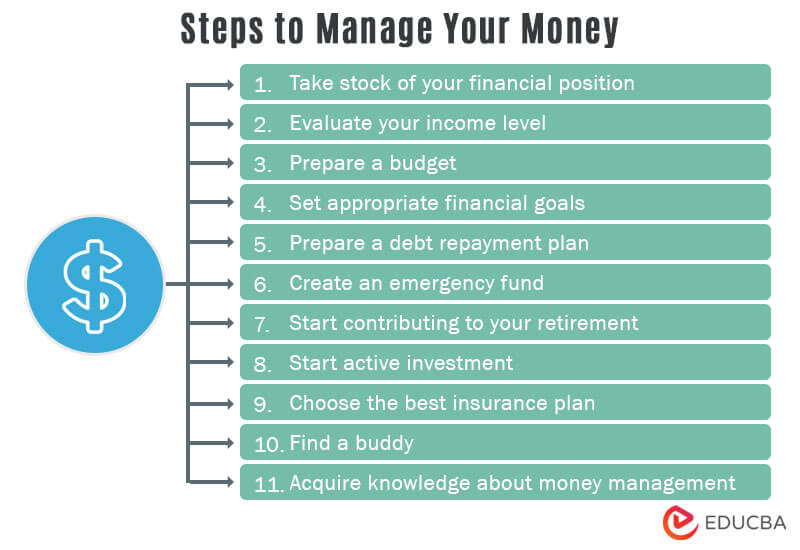
Managing your money effectively is a continuous process of learning, planning, executing, and adjusting. By embracing these principles, you can transform your relationship with money, reduce financial stress, and build a secure foundation for a life lived on your terms. The journey begins with that first step: understanding where you stand and consciously deciding where you want to go.
aViewFromTheCave is a participant in the Amazon Services LLC Associates Program, an affiliate advertising program designed to provide a means for sites to earn advertising fees by advertising and linking to Amazon.com. Amazon, the Amazon logo, AmazonSupply, and the AmazonSupply logo are trademarks of Amazon.com, Inc. or its affiliates. As an Amazon Associate we earn affiliate commissions from qualifying purchases.