
In the contemporary economic landscape, the question “how can I make money?” has evolved from a simple inquiry about employment into a complex exploration of diverse income streams, digital leverage, and strategic financial management. The traditional model of a single, lifelong career is rapidly being replaced by a “portfolio career” approach, where individuals combine primary employment with side hustles, investments, and passive income ventures. To achieve financial independence in this era, one must understand the mechanics of value creation, the power of the digital marketplace, and the discipline required for long-term wealth preservation.
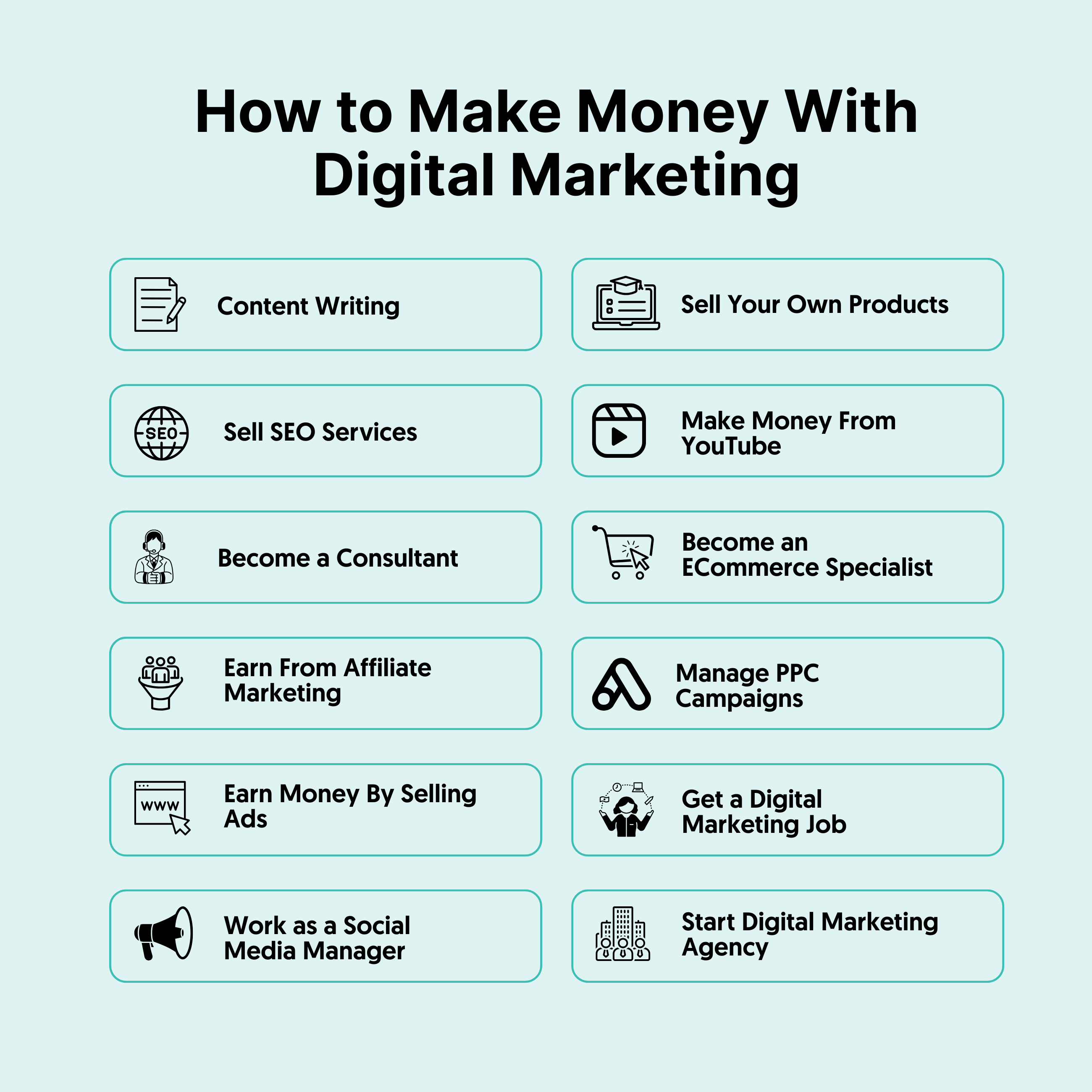
This guide explores the multifaceted avenues of modern income generation, focusing on scalable side hustles, strategic investing, and the foundational financial habits necessary to turn active effort into lasting wealth.
The Evolution of Income: Navigating the Gig Economy and Online Side Hustles
The rise of the digital economy has democratized the ability to generate income outside of traditional corporate structures. Today, the “gig economy” is no longer just about manual labor or ride-sharing; it encompasses high-value consulting, creative services, and digital products that can be sold globally.
Leveraging Freelance Marketplaces for Specialized Skills
For those with marketable skills—such as software development, copywriting, graphic design, or financial analysis—platforms like Upwork, Toptal, and Fiverr Pro offer direct access to a global clientele. The key to making significant money in the freelance space is transition from a “generalist” to a “specialist.” By carving out a niche, such as “email marketing for SaaS companies” or “legal translation for international firms,” individuals can command higher hourly rates and secure long-term retainers.
Content Creation and the Passion Economy
The “passion economy” allows individuals to monetize their expertise or personality directly through their audience. Platforms like Substack for writers, YouTube for educators and entertainers, and Patreon for creators have removed the gatekeepers of traditional media. Making money in this sector requires consistency and the ability to build “owned” audiences (e.g., email lists) rather than relying solely on social media algorithms. Monetization typically follows a tiered approach: advertising revenue, followed by brand sponsorships, and culminating in high-margin digital products like courses or exclusive memberships.
E-commerce and Modern Dropshipping Models
While the era of low-effort dropshipping has matured, e-commerce remains a powerhouse for income generation. Success in modern e-commerce involves identifying “micro-niches”—specific consumer needs that are underserved by major retailers. Whether through Amazon FBA (Fulfillment by Amazon), Shopify, or Etsy for artisanal goods, the focus has shifted toward brand building and supply chain reliability. High-earners in this space focus on “private labeling,” where they improve upon existing products and market them under their own unique brand identity.
Strategic Investing: Growing Wealth Through Passive Channels
Earning money is only the first step; true wealth is built by making your money work for you. Passive income is the cornerstone of financial freedom, allowing individuals to decouple their earning potential from their limited time.
The Power of Index Funds and Dividend Stocks
For the majority of people, the stock market remains the most accessible vehicle for wealth creation. Utilizing low-cost index funds that track the S&P 500 or the total stock market allows investors to capture the overall growth of the economy with minimal management. Beyond capital appreciation, dividend growth investing involves buying shares in “Dividend Aristocrats”—companies that have consistently increased their dividend payouts for decades. This creates a compounding income stream that can eventually cover a person’s living expenses.
Real Estate Crowdfunding and REITs
Real estate has historically been a premier asset class for making money, but high entry costs often deter beginners. Modern financial tools like Real Estate Investment Trusts (REITs) and crowdfunding platforms (such as Fundrise or RealtyMogul) have lowered these barriers. These tools allow individuals to invest in commercial or residential portfolios with relatively small amounts of capital, earning a share of the rental income and property appreciation without the headaches of being a landlord.
Understanding Digital Assets and Alternative Investments
While more volatile, digital assets like Bitcoin and Ethereum have emerged as a new frontier for capital growth. Institutional adoption has categorized these as “digital gold” or “programmable money.” Furthermore, alternative investment platforms now allow individuals to invest in fine art, vintage wine, or private equity—assets previously reserved for the ultra-wealthy. While these should occupy a smaller percentage of a diversified portfolio, they offer the potential for high returns that are uncorrelated with the traditional stock market.
Building a Sustainable Business: From Ideation to Scalability
For those looking to move beyond “making money” to “creating wealth,” building a business is the most effective path. A business offers leverage through systems, software, and people, allowing for income that is not capped by an hourly wage.
Identifying Market Gaps and Problem-Solving
Every successful business begins by solving a specific problem. To make money sustainably, an entrepreneur must move away from the “what can I sell?” mindset to the “what problem can I solve?” mindset. This involves conducting thorough market research, identifying “pain points” in specific industries, and developing a Minimum Viable Product (MVP) to test the market’s willingness to pay.
Bootstrapping vs. Venture Capital
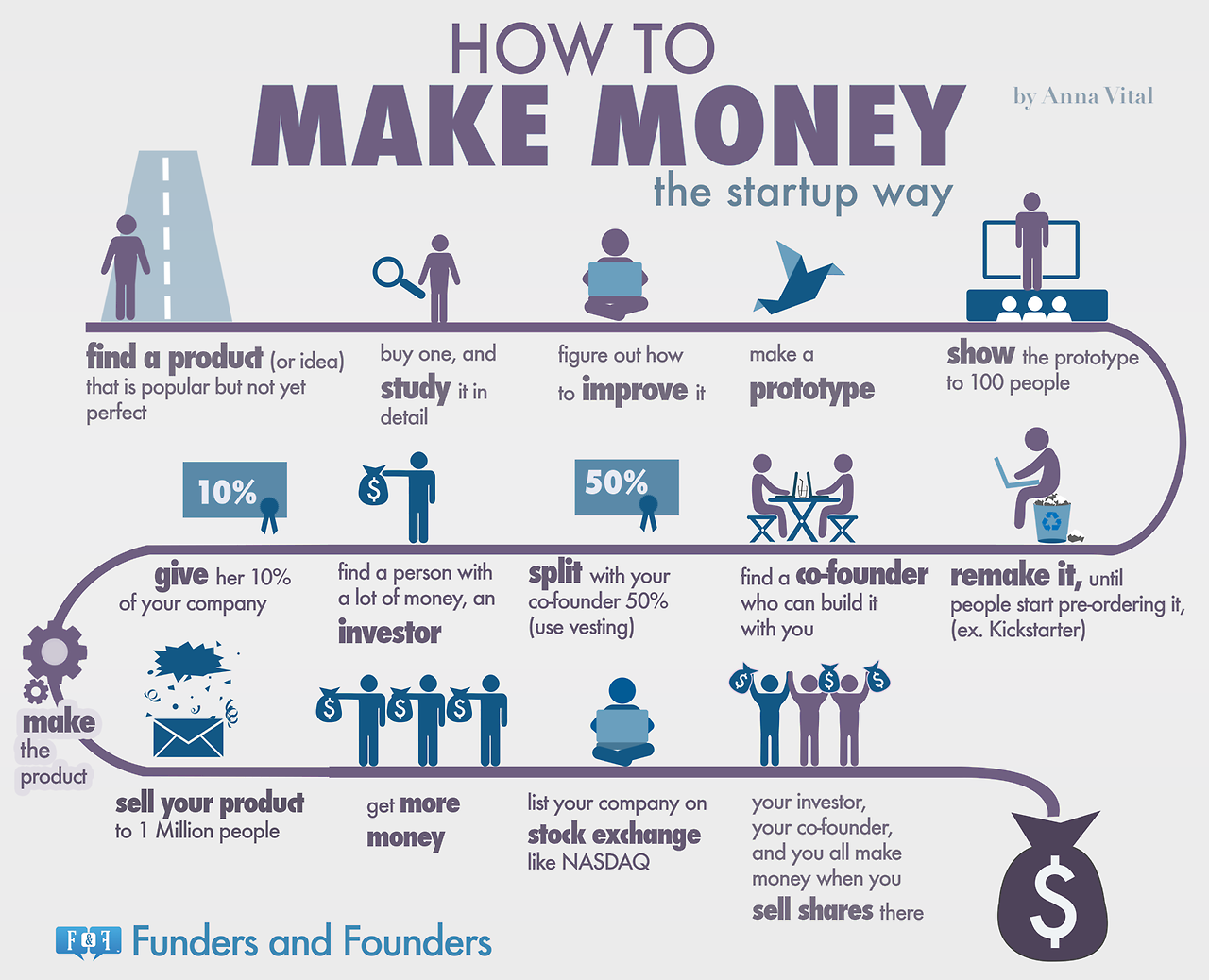
In the early stages, an entrepreneur must decide on a funding model. “Bootstrapping”—funding the business through personal savings and early sales—allows for total control and ownership. This is often the best path for service-based businesses or niche e-commerce. Conversely, if a business requires high initial infrastructure or seeks to capture a massive market share quickly, seeking venture capital or angel investment might be necessary. However, this path involves giving up equity and necessitates a clear exit strategy, such as an acquisition or an IPO.
The Importance of High-Ticket Service Models
One of the fastest ways to increase income in business is to pivot toward “high-ticket” offerings. Selling a $5,000 consulting package to ten clients is often easier and more profitable than selling a $50 product to 1,000 customers. High-ticket models allow for deeper client relationships, better results, and higher margins, providing the cash flow necessary to reinvest in marketing and operations for further scaling.
Financial Management and Optimization Tools
Making money is a futile exercise if the “leaky bucket” of poor financial management is not addressed. Wealth is not just what you earn; it is what you keep and how efficiently you manage it.
Utilizing Fintech for Budgeting and Tracking
The first rule of money management is awareness. Modern financial technology (fintech) apps like Copilot, YNAB (You Need A Budget), and Mint allow individuals to track every dollar of income and expenditure in real-time. By categorizing spending, one can identify “lifestyle creep”—the tendency for expenses to rise alongside income—and redirect those funds toward income-producing assets.
Tax Optimization Strategies for the Self-Employed
As income increases, tax liability becomes the largest single expense. Understanding the tax code is essential for anyone serious about making money. This includes choosing the right business structure (e.g., an LLC taxed as an S-Corp in the US), maximizing deductible business expenses, and utilizing tax-advantaged retirement accounts like a Solo 401(k) or a Simplified Employee Pension (SEP) IRA. These strategies can save thousands of dollars annually, which can then be reinvested.
Automating Your Savings and Investment Pipeline
The most successful earners remove human emotion from their financial decisions. By setting up automated transfers from a checking account to investment accounts on the day a paycheck arrives, you ensure that “paying yourself first” is a default behavior rather than a choice. Automation ensures consistency in dollar-cost averaging into the market, which is statistically more effective than trying to “time” the market.

Conclusion
The journey to making money in the modern world is paved with opportunities that were non-existent only two decades ago. Whether it is through the strategic use of freelance platforms, the compounding power of the stock market, or the scalability of a digital business, the path to wealth is more accessible than ever. However, it requires a shift from being a passive consumer to an active producer. By diversifying income streams, investing with discipline, and utilizing modern financial tools to optimize every dollar, anyone can move from the pursuit of a paycheck to the achievement of true financial sovereignty. Wealth is built through the intersection of specialized knowledge, persistent effort, and the intelligent management of resources.
aViewFromTheCave is a participant in the Amazon Services LLC Associates Program, an affiliate advertising program designed to provide a means for sites to earn advertising fees by advertising and linking to Amazon.com. Amazon, the Amazon logo, AmazonSupply, and the AmazonSupply logo are trademarks of Amazon.com, Inc. or its affiliates. As an Amazon Associate we earn affiliate commissions from qualifying purchases.