
In an increasingly dynamic economic landscape, the pursuit of financial stability and independence has led many to explore avenues beyond their primary employment. The concept of “making extra money on the side” has evolved from a simple need for supplemental income to a strategic move towards building financial resilience, exploring passions, and even laying the groundwork for future entrepreneurial ventures. Whether you’re aiming to pay off debt faster, save for a down payment, fund a dream vacation, or simply boost your monthly cash flow, the opportunities to generate additional income have never been more diverse or accessible.

This comprehensive guide delves into the world of side hustles, offering actionable insights and strategies for identifying, launching, and sustaining profitable ventures. We will navigate the vast array of options available, from leveraging existing professional skills to transforming hobbies into income streams, and explore the digital platforms that have democratized earning potential.
Understanding the Landscape of Side Hustles
Before diving into specific opportunities, it’s crucial to grasp what a side hustle truly entails and what it can offer beyond just an additional paycheck. It’s more than just working a second job; it’s about strategic income generation that often aligns with personal goals and interests.
Defining “Side Hustle”: More Than Just a Second Job
A side hustle is typically a flexible, part-time endeavor undertaken in addition to one’s primary job or responsibilities. Unlike a conventional second job, which often mirrors the structured employment of a main role, side hustles usually offer greater autonomy, flexibility, and the potential to scale. They often involve leveraging specific skills, passions, or unique assets to generate income. This could range from freelancing in your professional field, selling handmade goods, driving for a ride-share service, or offering specialized consulting. The key differentiator is often the element of choice and control you have over your work, schedule, and client base.
The Benefits Beyond Income: Skill Development & Networking
While the primary motivation for a side hustle is financial, its benefits often extend far beyond monetary gains. Engaging in a side hustle can be a powerful catalyst for personal and professional growth. You might acquire new skills that weren’t part of your main job, such as marketing yourself, managing clients, or mastering new software. It can also be an incredible networking tool, connecting you with diverse individuals, clients, and potential collaborators, opening doors to future opportunities you might never have encountered otherwise. Many entrepreneurs even use side hustles as a low-risk way to test business ideas before committing fully.
Assessing Your Readiness: Time, Skills, and Resources
Before embarking on any side hustle, a crucial first step is a realistic self-assessment. Consider your available time – how many hours per week can you genuinely dedicate without compromising your main job, relationships, or well-being? Next, inventory your skills: what are you good at? What do you enjoy doing? This could be anything from writing, graphic design, programming, accounting, cooking, teaching, organizing, or even just being a good listener. Finally, evaluate your resources: do you have access to a reliable internet connection, a quiet workspace, a car, specific tools, or a small amount of capital to get started? A clear understanding of your capacity will help you choose a sustainable and enjoyable side hustle.
Leveraging Your Existing Skills and Hobbies
One of the most efficient ways to start making extra money is by monetizing what you already know and love. This approach minimizes the learning curve and allows you to capitalize on your inherent strengths.
Professional Skills in Demand: Freelancing & Consulting
Your professional expertise is a valuable asset that many individuals and businesses are willing to pay for. If you’re a writer, consider offering freelance content creation, editing, or copywriting services. Graphic designers can find work on platforms seeking logos, branding, or web design. Developers can take on small coding projects or build custom websites. Marketing professionals can offer social media management or SEO consulting. Platforms like Upwork, Fiverr, and LinkedIn ProFinder are excellent starting points for connecting with clients seeking specific professional skills, allowing you to set your own rates and hours.
Turning Hobbies into Profit: Creative & Passion-Based Gigs
Don’t underestimate the market value of your passions. If you love photography, offer family portraits, event photography, or sell stock photos. If you enjoy crafting, open an Etsy shop for handmade jewelry, decorations, or personalized gifts. Musicians can give lessons online or perform at local events. Those with culinary skills can offer catering for small gatherings, bake custom cakes, or even teach cooking classes. The key here is identifying a demand for your niche hobby and finding creative ways to market your unique offerings.
Service-Based Side Gigs: Local Opportunities
Sometimes, the best opportunities are right in your neighborhood. Many people need help with everyday tasks they either don’t have time for or can’t do themselves. Consider pet sitting, dog walking, house sitting, or gardening services. Tutoring in academic subjects, music, or a specific skill can be highly rewarding. Personal assisting, organizing homes, or offering handyman services for minor repairs are also in high demand. Platforms like TaskRabbit or local community groups on social media can help you connect with people needing these services. These roles often require reliability, good communication, and a friendly demeanor.
Exploring Digital & Online Income Streams
The internet has revolutionized the concept of earning extra money, opening up a world of possibilities that transcend geographical boundaries and traditional employment structures. Digital side hustles offer unparalleled flexibility and scalability.
The Gig Economy Platforms: Accessibility & Variety
The rise of the gig economy has made it easier than ever to connect with opportunities. Ride-sharing services like Uber and Lyft, food delivery platforms such as DoorDash and Uber Eats, and errand services like Instacart allow you to earn money on your own schedule using assets you already own, like a car. For more skill-based tasks, platforms like Upwork and Fiverr connect freelancers with clients globally for writing, design, programming, and virtual assistance. These platforms offer a low barrier to entry and a wide variety of tasks, making them excellent starting points for many.
Content Creation & Monetization: Building Your Audience
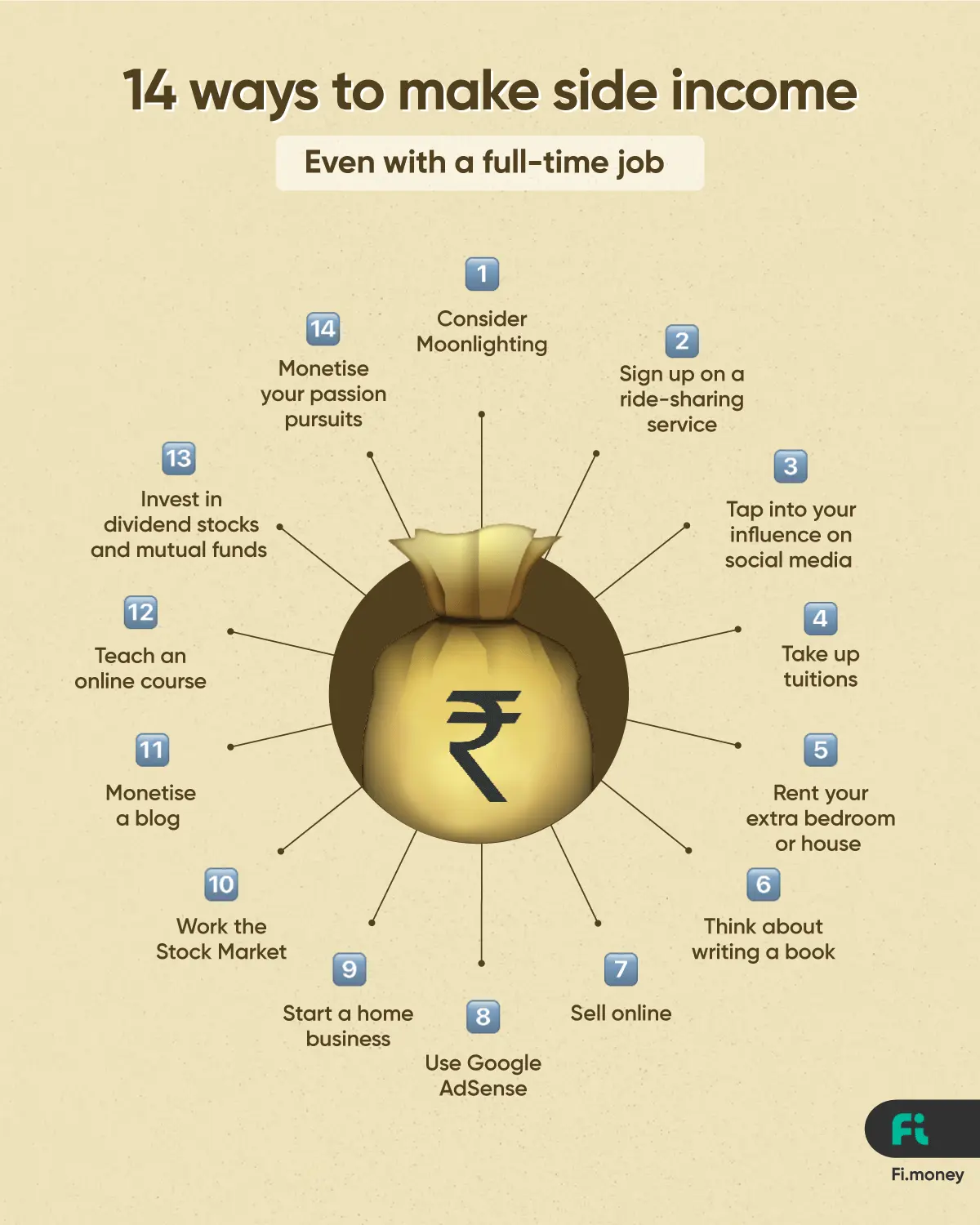
If you have a unique voice, expertise, or a compelling story to tell, content creation can be a lucrative side hustle.
- Blogging: Start a blog about a niche you’re passionate about and monetize it through affiliate marketing, advertisements, sponsored posts, or selling your own digital products.
- Vlogging (YouTube): Create video content on a specific topic, build an audience, and earn through YouTube’s Partner Program (ads), sponsorships, or selling merchandise.
- Podcasting: Share your insights or conduct interviews through audio content, monetizing via sponsorships, listener support, or premium content.
- Social Media Influencing: If you can build a significant following on platforms like Instagram, TikTok, or Pinterest, brands may pay you to promote their products or services.
The key to success in content creation is consistency, quality, and genuinely engaging with your audience.
E-commerce & Dropshipping: Online Retail Ventures
Selling products online can be a powerful way to generate side income.
- E-commerce (Physical Products): If you create handmade goods, vintage items, or unique products, platforms like Etsy or even your own Shopify store can be great avenues. You manage inventory, shipping, and customer service.
- Dropshipping: This model allows you to sell products without holding any inventory. When a customer buys from your online store, you purchase the item from a third-party supplier who then ships it directly to the customer. This significantly reduces upfront costs and logistical complexities, though profit margins can be lower and competition high.
- Print-on-Demand: Design custom graphics for t-shirts, mugs, phone cases, and other merchandise. When an order comes in, a third-party company prints the item and ships it. This is another low-inventory option popular with artists and designers.
Online Tutoring & Coaching: Sharing Expertise Virtually
The demand for online learning and personal development has surged. If you excel in an academic subject, speak another language fluently, or have specialized knowledge in areas like fitness, career development, or a specific software, you can offer your services as an online tutor or coach. Platforms like Chegg, TutorMe, or specialized coaching websites can connect you with students or clients worldwide. This allows you to set your own hours and help others achieve their goals from the comfort of your home.
Smart Strategies for Sustained Side Hustle Success
Starting a side hustle is one thing; sustaining and growing it is another. Strategic planning and execution are vital for long-term success and for preventing burnout.
Time Management & Productivity: Balancing Your Commitments
One of the biggest challenges for side hustlers is effectively managing time alongside existing commitments.
- Schedule Dedicated Time: Block out specific hours in your week for your side hustle and treat them as non-negotiable appointments.
- Prioritize Tasks: Use tools like to-do lists or project management apps to prioritize tasks and stay organized.
- Minimize Distractions: Create a dedicated workspace and minimize interruptions during your “hustle hours.”
- Learn to Say No: Don’t overcommit yourself. Understand your limits and decline opportunities that don’t align with your goals or available time.
Effective time management ensures you make progress without sacrificing your main job or personal life.
Marketing Your Services: Reaching Your Target Audience
Even the best services or products won’t sell themselves. Effective marketing is crucial.
- Build an Online Presence: Create a professional website, LinkedIn profile, or social media pages (relevant to your niche) to showcase your work and expertise.
- Networking: Attend industry events, join online communities, and leverage your personal and professional network to find potential clients or collaborators.
- Collect Testimonials & Reviews: Positive feedback from satisfied clients is a powerful marketing tool. Actively request testimonials and display them prominently.
- Offer Value First: Provide free valuable content (blog posts, short tutorials, case studies) to demonstrate your expertise and attract potential clients.
Financial Management & Tax Implications: Staying Compliant
As an independent contractor or small business owner, you are responsible for your own financial management and taxes.
- Track Income & Expenses: Keep meticulous records of all money earned and spent related to your side hustle. Use a simple spreadsheet or accounting software.
- Set Aside for Taxes: A common mistake is not accounting for taxes. In many countries, you’ll need to pay estimated quarterly taxes. Consult with a tax professional to understand your specific obligations, especially regarding self-employment taxes.
- Separate Finances: Consider opening a separate bank account for your side hustle income and expenses to simplify tracking and avoid commingling funds.
Understanding your financial responsibilities upfront will save you stress and potential penalties down the line.
Scaling and Diversifying: Growing Your Side Income
Once your side hustle is established and generating consistent income, consider how you might scale or diversify.
- Raise Your Rates: As your experience and reputation grow, don’t be afraid to charge more for your services.
- Offer Premium Services: Introduce higher-value packages or specialized services that command a better price.
- Automate Processes: Look for ways to automate repetitive tasks (e.g., scheduling, invoicing) to free up your time.
- Passive Income Streams: Explore generating passive income, such as creating and selling an e-book, an online course, or licensing your digital assets. This allows you to earn money even when you’re not actively working.
Diversifying your income streams also adds a layer of financial security.
Overcoming Challenges and Maintaining Motivation
The journey of a side hustler isn’t always smooth. Challenges will arise, but with the right mindset and strategies, you can navigate them successfully.
Dealing with Burnout: Prioritizing Self-Care
Balancing a main job, personal life, and a side hustle can be demanding. Burnout is a real risk.
- Set Realistic Goals: Don’t overload your plate. Start small and gradually increase your workload.
- Schedule Breaks: Make sure to schedule downtime, rest, and activities you enjoy. Your side hustle should not completely consume your free time.
- Know When to Say No: It’s okay to turn down opportunities if you’re feeling overwhelmed.
- Delegate or Outsource: If possible, consider outsourcing non-core tasks to free up your time for higher-value work.
Prioritizing your physical and mental well-being is paramount for sustained success.
The Importance of Persistence: Learning from Setbacks
Not every side hustle idea will be a runaway success, and you will undoubtedly encounter rejections or failures. The key is persistence and a willingness to learn from these experiences.
- Embrace Failure as a Learning Opportunity: Analyze what went wrong, adapt your approach, and try again.
- Stay Flexible: The market changes, and so should your strategy. Be open to pivoting your services or target audience.
- Celebrate Small Wins: Acknowledge your progress, no matter how small. This helps maintain motivation during challenging times.
Your resilience will be a major determinant of your long-term success.

Community and Support: Connecting with Fellow Side Hustlers
You don’t have to go it alone. Connecting with others on similar journeys can provide invaluable support, advice, and inspiration.
- Join Online Forums & Groups: Platforms like Reddit (r/sidehustle, r/freelance), Facebook groups, or specialized online communities offer a space to ask questions, share experiences, and get feedback.
- Networking Events: Attend local or virtual events related to entrepreneurship or your specific niche.
- Find a Mentor: A seasoned side hustler or entrepreneur can offer guidance and help you avoid common pitfalls.
A strong support network can provide encouragement when you face obstacles and celebrate your successes with you.
In conclusion, making extra money on the side is a viable and increasingly popular path to enhancing your financial situation and enriching your life. By thoughtfully assessing your skills, exploring the myriad of opportunities available both online and locally, and implementing smart strategies for management and growth, you can build a sustainable and rewarding side income. Remember to balance ambition with self-care, embrace learning, and leverage the power of persistence. The journey of a side hustler is one of continuous growth, providing not only financial gains but also invaluable personal and professional development. Start today, and unlock your potential for financial freedom and fulfillment.
aViewFromTheCave is a participant in the Amazon Services LLC Associates Program, an affiliate advertising program designed to provide a means for sites to earn advertising fees by advertising and linking to Amazon.com. Amazon, the Amazon logo, AmazonSupply, and the AmazonSupply logo are trademarks of Amazon.com, Inc. or its affiliates. As an Amazon Associate we earn affiliate commissions from qualifying purchases.