
Bitcoin, the pioneering decentralized digital currency, has evolved from an esoteric concept to a significant global asset class. Its allure stems from its potential for value appreciation, its independence from traditional financial institutions, and its role as a hedge against inflation. For many, the question is no longer “What is Bitcoin?” but rather, “How can I acquire it?” This comprehensive guide delves into the various methods through which individuals can “make” or accumulate Bitcoin, exploring direct acquisition, earning opportunities, the technical process of mining, and strategic investment approaches, all within the lens of personal finance and digital wealth building.

Direct Acquisition: Buying Bitcoins
The most straightforward and often the quickest way to acquire Bitcoin is by purchasing it directly. This method is accessible to virtually anyone with a bank account or other payment methods, making it the primary entry point for new participants in the crypto economy.
Reputable Cryptocurrency Exchanges
Cryptocurrency exchanges are online platforms where users can buy, sell, and trade various cryptocurrencies, including Bitcoin, using traditional fiat currencies (like USD, EUR, GBP) or other digital assets. These platforms function similarly to stock brokerages.
- How They Work: Users typically open an account, complete Know Your Customer (KYC) verification (submitting ID and proof of address for regulatory compliance), link a bank account or credit card, and then place orders to buy Bitcoin at the current market rate.
- Examples: Coinbase, Binance, Kraken, and Gemini are among the largest and most widely recognized exchanges, each offering different features, fee structures, and geographical availability. Selecting an exchange involves considering factors like security features, user interface, customer support, and trading fees.
Peer-to-Peer (P2P) Platforms
P2P platforms facilitate direct transactions between individuals without the need for a central intermediary. Buyers and sellers connect directly to agree on a price and method of payment.
- Pros and Cons: P2P trading can offer greater privacy and a wider range of payment options compared to traditional exchanges. However, it also carries increased risk, as trust between parties is paramount. Escrow services are often integrated to hold the Bitcoin until the payment is confirmed, mitigating some of this risk.
- Examples: LocalBitcoins and Paxful are prominent P2P platforms that connect buyers and sellers globally.
Bitcoin ATMs
Bitcoin ATMs are physical kiosks that allow users to buy or, in some cases, sell Bitcoin for cash. They operate much like traditional ATMs but deal exclusively with cryptocurrency.
- Functionality: Users insert cash, scan their Bitcoin wallet QR code, and receive Bitcoin directly into their digital wallet. Selling typically involves scanning a QR code from the ATM and receiving cash after the Bitcoin transaction is confirmed.
- Limitations: Bitcoin ATMs are known for charging higher fees compared to online exchanges, and their availability is geographically limited. They serve as a convenient option for quick, smaller purchases.
Considerations for Buying
When purchasing Bitcoin, security is paramount. Your acquired Bitcoin needs to be stored securely in a digital wallet. Understanding market volatility is also crucial; Bitcoin’s price can fluctuate significantly, impacting the value of your holdings. Researching an exchange’s security history, fee structure, and regulatory compliance is essential before committing funds.
Earning Bitcoins Through Work and Services
Beyond direct purchase, individuals can accumulate Bitcoin by earning it as a form of payment for goods, services, or completing specific tasks. This method leverages Bitcoin’s utility as a medium of exchange.
Accepting Bitcoin as Payment
For freelancers, small businesses, or service providers, accepting Bitcoin can open up new client bases and offer a novel payment solution.
- Setup: Businesses can integrate Bitcoin payment processors (e.g., BitPay, CoinGate) into their websites or point-of-sale systems, which often convert Bitcoin payments to fiat currency automatically, reducing exposure to price volatility. Freelancers can simply provide their Bitcoin wallet address to clients.
- Benefits: This can attract tech-savvy customers, reduce transaction fees compared to traditional payment processors, and offer faster international transfers.
Bitcoin Faucets and Microtasks
Bitcoin faucets are websites or apps that distribute small amounts of Bitcoin (often called satoshis, the smallest unit of Bitcoin) to users in exchange for completing simple tasks, such as solving captchas, playing games, or viewing ads.
- Profitability: While they offer a way to get “free” Bitcoin, the amounts are typically very small, and the time commitment often outweighs the financial reward, making them less viable for significant accumulation. They are often seen as an educational tool for beginners to understand how transactions work.
- Microtask Platforms: Some online platforms offer Bitcoin rewards for completing small, data-entry, or survey-based tasks.
Gig Economy and Online Platforms
The burgeoning gig economy increasingly offers opportunities to earn Bitcoin. Certain freelance platforms or specialized job boards may specifically list projects or services that pay in cryptocurrency.
- Examples: Websites dedicated to blockchain or cryptocurrency projects often have bounty programs for developers, marketers, or community managers where rewards are paid in Bitcoin or other digital assets. Some general freelance platforms might allow for negotiations where payment in Bitcoin is an option.
Affiliate Marketing and Referrals
Many cryptocurrency exchanges, wallets, and blockchain-related services offer affiliate programs. By referring new users to their platforms, individuals can earn a commission, often paid in Bitcoin or other cryptocurrencies. This method leverages an existing audience or network to generate passive income in Bitcoin.
The Technical Path: Bitcoin Mining
Bitcoin mining is the original method for “making” new bitcoins, but it has evolved into a highly specialized and competitive industry, far removed from its early days of home-based operations.
Understanding Bitcoin Mining
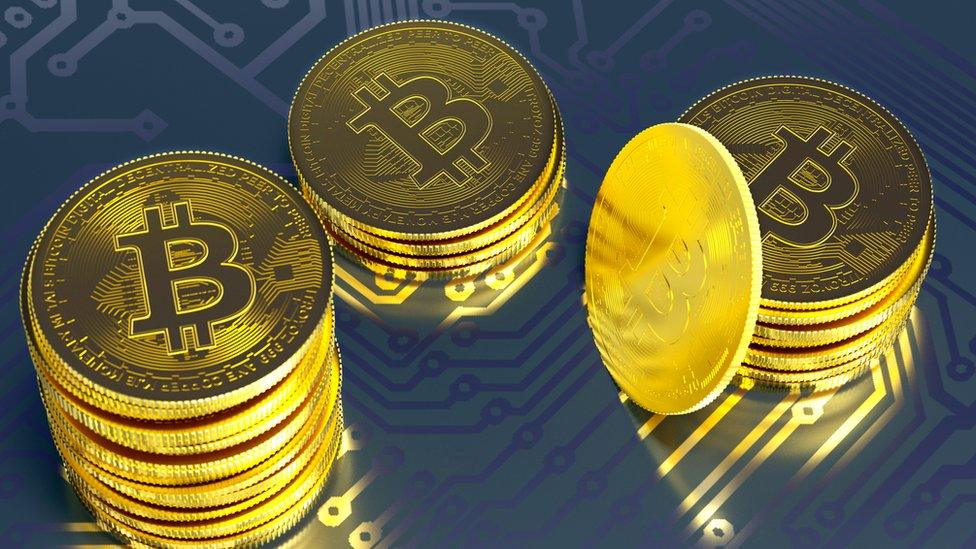
Mining is the process by which new Bitcoin transactions are verified and added to the blockchain. Miners use powerful computers to solve complex cryptographic puzzles. The first miner to solve the puzzle for a new block is rewarded with newly minted Bitcoin (the block reward) and transaction fees.
- Proof-of-Work: This consensus mechanism ensures the security and integrity of the network, preventing fraud and double-spending.
- Role of Miners: Beyond creating new Bitcoin, miners are crucial for maintaining the network’s security and validating all transactions.
Hardware Requirements (ASICs)
In Bitcoin’s early days, CPUs and GPUs could mine effectively. Today, the process requires highly specialized hardware known as Application-Specific Integrated Circuits (ASICs).
- Cost and Performance: ASICs are designed exclusively for Bitcoin mining, offering unparalleled computational power. However, they are very expensive, consume significant electricity, and become obsolete relatively quickly as newer, more efficient models are released.
Energy Consumption and Environmental Impact
Bitcoin mining is notoriously energy-intensive. The vast computational power required translates into substantial electricity consumption, raising concerns about its environmental footprint.
- Sustainability Debates: Efforts are underway to transition mining operations to renewable energy sources, but the debate around Bitcoin’s energy usage remains a critical topic.
Cloud Mining vs. Solo/Pool Mining
- Solo Mining: Setting up and operating your own ASIC mining rig. This requires significant capital, technical expertise, and access to cheap electricity. The chances of an individual solo miner solving a block are exceedingly low due to the network’s immense computational power.
- Pool Mining: Miners combine their computational power in a “mining pool” to increase their chances of solving a block. When a block is successfully mined, the reward is distributed among pool members proportional to their contributed hash power. This makes mining more accessible but still requires significant investment.
- Cloud Mining: Involves paying a company to rent hashing power from their data centers. This eliminates the need for hardware purchase, maintenance, and electricity costs. However, cloud mining is fraught with risks, including scams, low profitability, and lack of control over the operation. Due diligence is critical, as many cloud mining operations have proven to be fraudulent.
Profitability Challenges
The increasing difficulty of mining, coupled with the high cost of ASICs and electricity, makes individual Bitcoin mining a highly challenging and often unprofitable endeavor for most people. The barrier to entry is extremely high, and it’s generally only viable for large-scale operations with access to very cheap energy and optimized hardware.
Investing and Growth Strategies
For many, acquiring Bitcoin is not just about making transactions but about investing for long-term wealth growth. Strategic investment approaches can help mitigate risks and capitalize on Bitcoin’s potential.
Dollar-Cost Averaging (DCA)
DCA is an investment strategy where an investor divides the total amount they want to invest across periodic purchases of a target asset.
- Mitigating Volatility: Instead of investing a lump sum at one time, which carries the risk of buying at a market peak, DCA involves regularly buying a fixed dollar amount of Bitcoin (e.g., $100 every week/month), regardless of its price. This averages out the purchase price over time and reduces the impact of market volatility.
Long-Term Holding (HODLing)
“HODL” (an intentional misspelling of “hold”) is a common strategy in the cryptocurrency community, referring to the practice of holding Bitcoin for an extended period, irrespective of market fluctuations.
- Philosophy: HODLers believe in Bitcoin’s long-term value proposition and potential to become a global reserve asset or digital gold. They aim to ride out short-term volatility, focusing on its ultimate appreciation. This strategy requires patience and conviction.
Diversification within Crypto and Risk Management
While this article focuses on Bitcoin, prudent investors often consider how Bitcoin fits into a broader financial portfolio. While some might diversify into other cryptocurrencies (altcoins), a core principle of financial planning is not to put all your eggs in one basket.
- Understanding Market Risks: Bitcoin is a volatile asset. Its price can experience dramatic swings based on market sentiment, regulatory news, technological developments, and macroeconomic factors. Investing only what you can afford to lose is a fundamental principle.
- Research and Education: Continuous learning about market dynamics, blockchain technology, and financial news is crucial for informed investment decisions.
Safeguarding Your Bitcoin Holdings
Once you’ve made or acquired Bitcoin, protecting your digital assets is paramount. Security measures are crucial to prevent loss due to hacking, scams, or personal error.
Wallet Security
A digital wallet is essential for storing your Bitcoin. Wallets come in various forms, each with different security profiles.
- Hardware Wallets: Physical devices (e.g., Ledger, Trezor) that store your private keys offline, making them highly resistant to online hacks. Considered the most secure option for long-term storage.
- Software Wallets: Applications on your computer or smartphone. They are convenient but more vulnerable to malware and online threats.
- Paper Wallets: Private and public keys printed on paper. While offline, they are susceptible to physical damage, loss, or theft, and are generally less recommended for active use.
- Private Keys: Regardless of the wallet type, the most critical element is the private key, which grants access to your Bitcoin. Never share it and ensure it is backed up securely.
Two-Factor Authentication (2FA)
Always enable 2FA on cryptocurrency exchanges, wallets, and any online platform where your Bitcoin is stored or managed. This adds an extra layer of security, typically requiring a code from a separate device (like your phone) in addition to your password.
Beware of Scams and Phishing
The cryptocurrency space is unfortunately a hotbed for scams. Be extremely cautious of unsolicited messages, fake websites, fraudulent investment schemes, and impersonation attempts. Always verify sources and be skeptical of promises of guaranteed high returns. Phishing attacks, where scammers try to trick you into revealing sensitive information, are common.

Regulatory and Tax Implications
The regulatory landscape for Bitcoin and cryptocurrencies is evolving rapidly. It’s crucial to understand the laws and tax obligations in your jurisdiction regarding the acquisition, holding, and selling of Bitcoin. Gains from selling Bitcoin are often subject to capital gains tax, and some countries require reporting all crypto activities. Consulting with a financial advisor specializing in digital assets can provide clarity.
In conclusion, “making” Bitcoin is a multifaceted endeavor, offering avenues ranging from direct purchase and earning through services to complex mining operations and strategic investment. While the allure of digital wealth is strong, each method comes with its own set of opportunities, challenges, and risks. The journey into the world of Bitcoin requires diligent research, continuous learning, robust security practices, and a clear understanding of your financial goals and risk tolerance. By adopting a professional, informed, and cautious approach, individuals can navigate the digital asset landscape effectively and strategically accumulate Bitcoin as a component of their financial portfolio.
aViewFromTheCave is a participant in the Amazon Services LLC Associates Program, an affiliate advertising program designed to provide a means for sites to earn advertising fees by advertising and linking to Amazon.com. Amazon, the Amazon logo, AmazonSupply, and the AmazonSupply logo are trademarks of Amazon.com, Inc. or its affiliates. As an Amazon Associate we earn affiliate commissions from qualifying purchases.