
In an increasingly interconnected world, the ability to manage finances digitally is no longer a luxury but a necessity. From facilitating online purchases to receiving payments for side hustles and even managing international transactions, digital payment platforms have revolutionized how individuals and businesses interact with money. Among these, PayPal stands as a pioneer and a cornerstone, offering a robust and versatile financial tool that bridges traditional banking with the agility of the digital realm. This article delves into the strategic importance of establishing a PayPal account, guiding you through the process, and illuminating its multifaceted role in contemporary financial management, all viewed through the lens of personal finance, online income, and broader financial strategy.
PayPal’s Role in Modern Financial Management
The digital age has fundamentally reshaped our relationship with money, moving transactions from physical storefronts to virtual marketplaces. Understanding PayPal’s position within this evolving landscape is crucial for anyone seeking to optimize their financial operations.
The Evolution of Digital Payments and PayPal’s Impact
Before PayPal, online transactions were often cumbersome, insecure, or limited to credit card payments, which not everyone possessed or felt comfortable using online. PayPal emerged at the turn of the millennium as a revolutionary solution, simplifying online payments by acting as a secure intermediary between buyers and sellers. It democratized online commerce, enabling individuals to send and receive money with just an email address. This innovation was not merely a convenience; it was a catalyst for the growth of e-commerce, the gig economy, and global financial inclusion. For individuals, it meant easier access to online goods and services; for entrepreneurs, it opened up vast new markets. The platform’s early success laid the groundwork for today’s diverse ecosystem of digital wallets and payment apps, yet PayPal maintains its prominence due to its extensive reach, established trust, and continuous adaptation to financial needs. It represents a critical financial infrastructure that underpins a significant portion of the global digital economy.
Why PayPal is an Indispensable Financial Tool
At its core, PayPal is far more than just a payment processor; it’s a comprehensive financial tool designed to empower users with greater control over their money. For personal finance, it offers unparalleled convenience for online shopping, allowing users to make purchases without repeatedly entering sensitive financial information. This not only speeds up transactions but also adds a layer of security, as your primary bank details are not directly exposed to merchants. Beyond purchasing, PayPal serves as a vital conduit for personal money transfers, enabling quick and often free exchanges with friends and family, especially across international borders, circumventing the delays and costs associated with traditional wire transfers.
From the perspective of online income, PayPal is almost synonymous with the gig economy and freelance work. Many platforms and clients worldwide prefer or exclusively use PayPal for disbursing payments to contractors and freelancers. This makes having an account essential for anyone looking to earn money online, whether through freelancing, selling goods, or participating in surveys and micro-task platforms. The ability to quickly receive funds and transfer them to a linked bank account provides significant financial liquidity and ease of management for online earnings.
Expanding Financial Horizons: Beyond Personal Use
While immensely popular for individual use, PayPal’s financial utility extends significantly into the realm of small businesses and entrepreneurial ventures. A business PayPal account unlocks features tailored for commercial operations, such as invoicing, recurring payments, and integration with e-commerce platforms like Shopify or eBay. This allows sole proprietors and small businesses to efficiently manage sales, track revenue, and streamline financial reconciliation. Moreover, PayPal’s global presence means that a small business operating from a home office can easily accept payments from customers virtually anywhere in the world, fostering international trade without the complexities of setting up multiple payment gateways or dealing with foreign exchange conversions through traditional banking systems. For those nurturing a side hustle, moving from a personal to a business account can signify a strategic step towards legitimizing and scaling their income streams, offering clearer separation of personal and business finances—a cornerstone of sound financial planning.
The Strategic Steps to Establishing Your PayPal Account
Setting up a PayPal account is a straightforward process, yet understanding the financial implications of each step is key to maximizing its benefits and ensuring secure financial management.
Initial Account Type Selection: Personal vs. Business
The first strategic decision involves choosing between a Personal and a Business account. For most individuals starting out, a Personal account is sufficient. It allows for sending and receiving money, shopping online, and linking bank accounts or credit cards for funding transactions. This is ideal for managing personal finances, sending money to family, or receiving occasional payments for minor online activities.
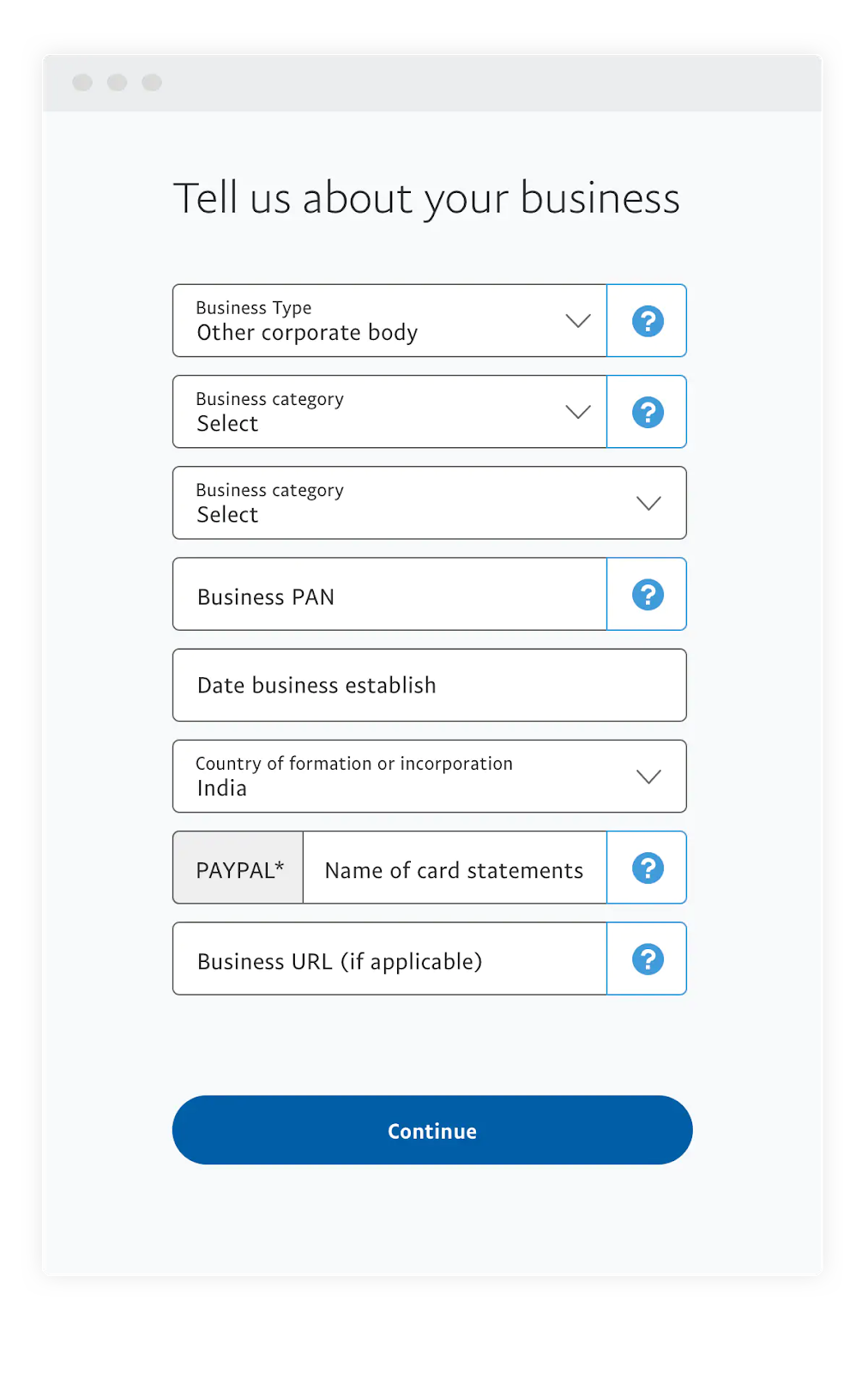
However, if your intent is to regularly receive payments for goods or services, operate a side hustle, or manage even a small online business, a Business account offers distinct advantages. A Business account typically comes with features like a business name displayed on transactions, access to invoicing tools, the ability to grant multi-user access (for employees), and potentially lower transaction fees for higher volumes. Crucially, it allows for better separation of personal and business finances, which is vital for tax purposes and financial clarity. Making the correct choice at the outset can save time and potential complications later, aligning your PayPal account with your current and future financial objectives. While you can upgrade a Personal account to a Business account, starting with the appropriate type is often more efficient.
The Streamlined Sign-Up Process: Key Information Required
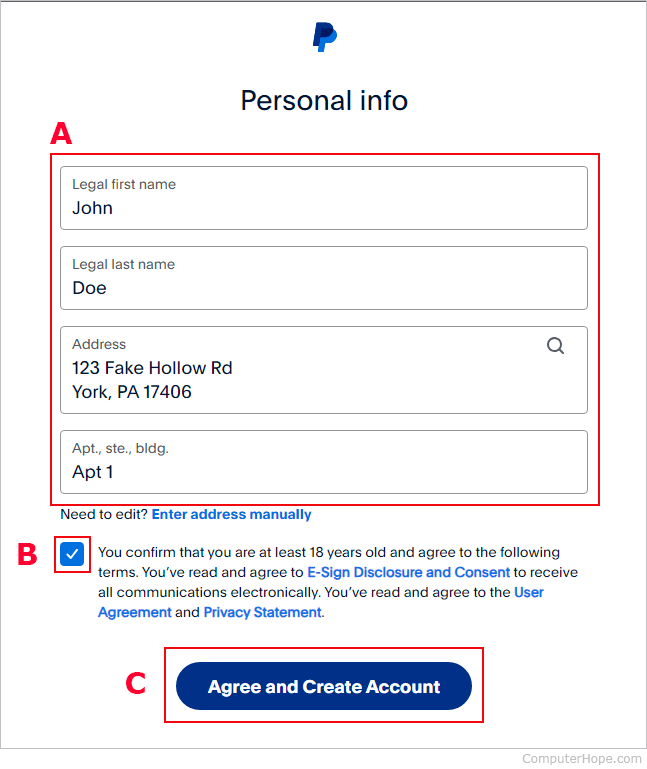
The actual sign-up process is designed to be user-friendly. You’ll typically start by visiting the PayPal website or downloading the mobile app and clicking “Sign Up” or “Open an Account.” You will be prompted to provide essential personal information, which includes:
- Your Legal Name: Crucial for identity verification and linking to financial institutions.
- Email Address: This will serve as your primary PayPal identifier and is how others will send money to you.
- Mobile Phone Number: Used for security verification (e.g., two-factor authentication) and account recovery.
- Physical Address: Required for compliance with financial regulations (Know Your Customer – KYC laws) and for linking billing information.
- Date of Birth: To confirm you meet the age requirement (usually 18+).
Providing accurate information is paramount. Any discrepancies can lead to account limitations or delays in verifying your account, directly impacting your ability to conduct financial transactions smoothly. This initial data collection forms the foundation of your digital financial identity within PayPal’s ecosystem.
Verifying Your Identity: A Pillar of Financial Security
After providing your basic information, PayPal requires you to verify your identity. This is not merely a bureaucratic step; it’s a critical component of financial security and compliance with anti-money laundering (AML) regulations. Verification typically involves:
- Confirming Your Email Address: PayPal will send an email with a link you must click to activate your account and confirm ownership.
- Confirming Your Phone Number: A verification code will be sent via SMS, which you’ll enter into the PayPal interface.
- Providing Additional Documentation (if required): For higher transaction limits or in certain regions, PayPal might request further identity verification, such as a government-issued ID (driver’s license, passport) or proof of address (utility bill).
Identity verification serves several vital financial functions: it protects your account from unauthorized access, helps prevent fraud, and ensures that PayPal can comply with international financial regulations. An unverified account will likely have significant limitations on sending, receiving, and withdrawing funds, severely restricting its utility as a financial tool. Completing verification promptly unlocks the full potential of your PayPal account, allowing for seamless financial operations.
Connecting Your Financial Ecosystem: Linking Bank Accounts and Cards
To truly leverage PayPal as a powerful financial tool, integrating it with your existing banking and credit infrastructure is essential. This connectivity enables seamless fund transfers and expands your payment options.
Enhancing Transaction Capabilities: Adding Funding Sources
Once your PayPal account is established and verified, the next crucial step is to link your funding sources. These sources are what allow you to add money to your PayPal balance, send payments, or cover transactions if your PayPal balance is insufficient. The primary funding methods include:

- Bank Accounts: Linking your checking or savings account allows you to transfer funds directly between your bank and PayPal. This is often the most cost-effective way to move larger sums of money.
- Debit Cards: Connecting a debit card provides immediate access to funds from your linked bank account, offering flexibility for smaller, quicker transactions.
- Credit Cards: A linked credit card can serve as a backup payment method or your primary source for online purchases, allowing you to earn rewards points on your card while still benefiting from PayPal’s security and convenience.
Strategically linking multiple funding sources provides redundancy and flexibility, ensuring you can always complete transactions regardless of your PayPal balance. For instance, if you’re engaging in online income, direct transfers from PayPal to your bank account are essential for accessing your earnings.
The Importance of Bank Account Verification
When linking a bank account, PayPal employs a verification process to ensure you are the legitimate owner. This typically involves PayPal making two small, random deposits (e.g., $0.05 and $0.13) into your bank account over 1-3 business days. You then log into your PayPal account and enter the exact amounts of these deposits. This seemingly minor step is a critical security measure, preventing unauthorized individuals from linking and draining your bank account. It also builds a secure bridge for future financial transfers, giving you peace of mind when moving funds between PayPal and your traditional banking system. For managing online income, timely bank verification is paramount to ensure smooth and unrestricted payouts.
Strategic Card Linking: Maximizing Payment Flexibility
Linking debit and credit cards serves different financial strategies. A debit card offers a direct conduit to your available funds, perfect for immediate online purchases or when you need to cover a PayPal payment instantly. Credit cards, on the other hand, provide an additional layer of financial leverage. You can use your credit card through PayPal to defer payments, potentially earn rewards, or benefit from purchase protection offered by your card issuer, all while maintaining PayPal’s secure transaction environment. Strategically, linking both allows you to choose the most advantageous payment method for each transaction, whether it’s managing cash flow with a debit card or maximizing rewards with a credit card. This flexibility is a key advantage for savvy financial management, allowing users to align their payment choices with their broader financial goals.
Harnessing PayPal for Optimized Financial Operations
With your account established and linked, the real power of PayPal as a financial tool comes into play. It’s about more than just transactions; it’s about optimizing your financial life.
Facilitating Online Income and Side Hustles
For anyone participating in the online economy, PayPal is often the default payment gateway. Freelancers, content creators, online sellers, and those engaged in the gig economy rely on PayPal to receive payments from clients and platforms globally. The platform simplifies the process of sending invoices, tracking payments, and consolidating income from various sources. This streamlines income management, making it easier to monitor earnings and reconcile financial records. For a side hustler, PayPal can be the primary mechanism for transforming online efforts into tangible income, providing a direct route from digital work to real-world funds. Understanding PayPal’s reporting features and transaction history can be incredibly valuable for tracking income for tax purposes and evaluating the profitability of various online ventures.
Managing Online Spending and Budgeting
PayPal also plays a significant role in personal budgeting and managing online expenditures. By using PayPal for online purchases, you can consolidate your spending data into one easy-to-access platform, making it simpler to track where your money is going. Many users opt to maintain a separate “PayPal balance” from their primary bank account, funding it specifically for online purchases. This can act as a digital envelope system, helping to prevent overspending and stick to a budget for discretionary online purchases. Furthermore, PayPal often offers buyer protection, adding a layer of security and confidence to your online shopping, effectively safeguarding your financial commitments. The detailed transaction history provides a clear audit trail of all financial movements, which is invaluable for personal financial analysis.
Understanding Transaction Fees and Their Implications
While many personal PayPal transactions are free (e.g., sending money to friends/family within the same country from a bank account or PayPal balance), it’s crucial to understand the fee structure, especially when dealing with online income or international transactions. Fees typically apply to:
- Receiving payments for goods and services: This is a common charge for businesses and freelancers.
- International personal payments: Sending money across borders often incurs a fee.
- Instant transfers to a bank account: While standard transfers are usually free, opting for an instant transfer comes with a small fee.
- Currency conversion: When sending or receiving money in a different currency, PayPal applies a conversion rate that includes a margin.
Being aware of these fees is vital for accurate financial planning, especially for those relying on PayPal for online income. Factoring fees into your pricing or budgeting ensures that your net income and expenses are correctly accounted for, preventing unexpected deductions from your earnings. Strategic use of standard transfers over instant ones, or accumulating payments before initiating a withdrawal, can help minimize fee impact.
Leveraging PayPal’s Security Features for Financial Protection
Security is paramount in digital finance, and PayPal invests heavily in protecting its users’ financial information. Key security features include:
- Encryption: All transactions are heavily encrypted to protect sensitive data.
- Fraud Monitoring: PayPal employs advanced fraud detection systems to identify and prevent suspicious activities.
- Buyer and Seller Protection: This program provides recourse for users in cases of disputes, non-delivery, or items not as described, offering a layer of financial safeguarding.
- Two-Factor Authentication (2FA): Enabling 2FA adds an extra layer of security, requiring a code from your phone in addition to your password for login.
- Privacy: When you pay with PayPal, your financial details are not shared directly with merchants, adding a shield between your bank account/credit card and the online seller.
Adhering to best practices, such as using strong, unique passwords, enabling 2FA, and being vigilant against phishing scams, further enhances your financial security. Treating your PayPal account with the same diligence as your traditional bank account is essential for protecting your digital assets.
Advanced Strategies and Future-Proofing Your Digital Finances
Beyond basic transactions, PayPal offers advanced features and best practices that can further optimize your financial strategy and help you stay ahead in the evolving digital finance landscape.
Exploring PayPal’s Business Solutions for Growth
For those whose side hustle evolves into a more substantial venture, or for existing small businesses, exploring PayPal’s dedicated business solutions is a strategic move. A Business account offers features like customizable invoicing, integration with popular e-commerce platforms, options for recurring payments, and detailed financial reporting tools. These functionalities are designed to streamline financial operations, enhance customer experience, and provide valuable insights into cash flow and sales trends. Leveraging these tools effectively can contribute significantly to the growth and professionalization of a business, allowing for better financial management and strategic decision-making. For instance, setting up recurring invoices for subscription services or integrating PayPal with your accounting software can automate significant portions of your financial administration.
Integrating PayPal with Other Financial Platforms
PayPal’s open architecture allows for integration with a myriad of other financial tools and platforms. This includes accounting software (like QuickBooks or Xero), e-commerce platforms (like WooCommerce or Squarespace), and even other digital wallets or budgeting apps. This interoperability creates a cohesive financial ecosystem where data can flow seamlessly, reducing manual entry, errors, and the time spent on financial reconciliation. For individuals managing complex personal finances or small business owners, integrating PayPal can provide a holistic view of their financial standing, simplifying tasks like tax preparation and performance analysis. This strategic integration is key to building an efficient and future-proof digital financial framework.
Best Practices for Ongoing Account Management and Security
Maintaining the security and efficiency of your PayPal account requires ongoing vigilance and adherence to best practices. Regularly review your transaction history for any suspicious activity. Keep your contact information (email and phone number) updated to ensure you receive critical alerts and can recover your account if needed. Be cautious of unsolicited emails or messages claiming to be from PayPal; always verify the sender and, if in doubt, access your account directly through the official website or app. Regularly updating your password and enabling all available security features, such as 2FA, are non-negotiable for safeguarding your financial assets. Staying informed about PayPal’s policy updates and security advisories also ensures that your financial strategies remain compliant and protected against emerging threats.
In conclusion, setting up a PayPal account is more than just creating a login; it’s a strategic entry point into the digital economy. By understanding its capabilities, navigating the setup process thoughtfully, and continually optimizing its use, individuals and businesses can harness PayPal as a powerful financial tool for managing personal finances, facilitating online income, and strategically growing their financial presence in the modern world.
aViewFromTheCave is a participant in the Amazon Services LLC Associates Program, an affiliate advertising program designed to provide a means for sites to earn advertising fees by advertising and linking to Amazon.com. Amazon, the Amazon logo, AmazonSupply, and the AmazonSupply logo are trademarks of Amazon.com, Inc. or its affiliates. As an Amazon Associate we earn affiliate commissions from qualifying purchases.