
In today’s dynamic economic landscape, financial literacy and efficient money management are not just desirable skills – they are essential for both personal well-being and business longevity. For countless entrepreneurs, small business owners, and individuals aspiring to a career in finance, QuickBooks stands out as the industry standard for accounting software. Its robust capabilities simplify everything from tracking income and expenses to managing payroll and generating financial reports. However, the perceived cost of acquiring such a valuable skill can sometimes be a barrier. The good news? You absolutely can learn QuickBooks for free, and by doing so, unlock significant financial benefits and career opportunities without upfront investment. This article will guide you through the invaluable journey of mastering QuickBooks without spending a dime, firmly rooted in the principles of savvy financial management and opportunity creation.
The Imperative of Mastering QuickBooks in Today’s Financial Landscape
Understanding and utilizing financial tools like QuickBooks isn’t merely about data entry; it’s about gaining clarity, control, and foresight over your financial future. Whether you’re a seasoned business owner, a burgeoning entrepreneur, or someone looking to enhance their personal finance acumen, QuickBooks offers a powerful suite of features that translate directly into better money management.
Why QuickBooks is More Than Just Accounting Software
At its core, QuickBooks is an integrated financial management system designed to streamline a wide array of accounting tasks. It empowers users to manage accounts payable and receivable, track inventory, process payroll, reconcile bank accounts, and generate comprehensive financial statements. For businesses, this translates into accurate financial reporting, easier tax preparation, and critical insights into profitability and cash flow. For individuals, understanding these functionalities can be a game-changer in managing personal budgets, tracking investments, or preparing for self-employment taxes. It demystifies financial jargon and puts the power of sophisticated accounting right at your fingertips, making complex financial processes accessible.
The Tangible Benefits for Small Businesses and Solopreneurs
For small businesses and solopreneurs, efficient financial management can be the difference between thriving and merely surviving. QuickBooks provides an unparalleled advantage by:
-
Improving Cash Flow Management: By accurately tracking income and expenses, you can identify trends, anticipate shortfalls, and make informed decisions to optimize your cash flow.
-
Simplifying Tax Preparation: All necessary financial data is organized and categorized, making tax season significantly less stressful and reducing the likelihood of errors.
-
Enhancing Financial Decision-Making: With real-time reports on profitability, spending, and outstanding invoices, you can make data-driven decisions about pricing, investments, and operational adjustments.
-
Saving Time and Money: Automating routine tasks frees up valuable time that can be reinvested in growth activities or spent enjoying your personal life. While there’s a learning curve, the long-term time and money saved by not having to manually process finances or hire external bookkeepers can be substantial.
Enhancing Personal Financial Literacy and Career Prospects
Even if you don’t own a business, learning QuickBooks can significantly bolster your personal financial literacy. It provides a structured way to understand balance sheets, profit and loss statements, and how various transactions impact your overall financial picture. Furthermore, QuickBooks proficiency is a highly sought-after skill in the job market. From administrative roles to dedicated bookkeeping and accounting positions, employers across various industries actively seek candidates who can navigate this software. Acquiring this skill for free means you’re investing in your career capital without incurring debt, potentially opening doors to lucrative side hustles as a freelance bookkeeper or enhancing your prospects for promotion within your current role.
Navigating the Abundance of Free QuickBooks Learning Resources
The “for free” aspect of learning QuickBooks is perhaps the most appealing, and thankfully, the internet is teeming with high-quality, no-cost resources designed to get you up to speed. Knowing where to look and how to prioritize these resources is key to a successful learning journey.
Official Intuit QuickBooks Learning Hubs
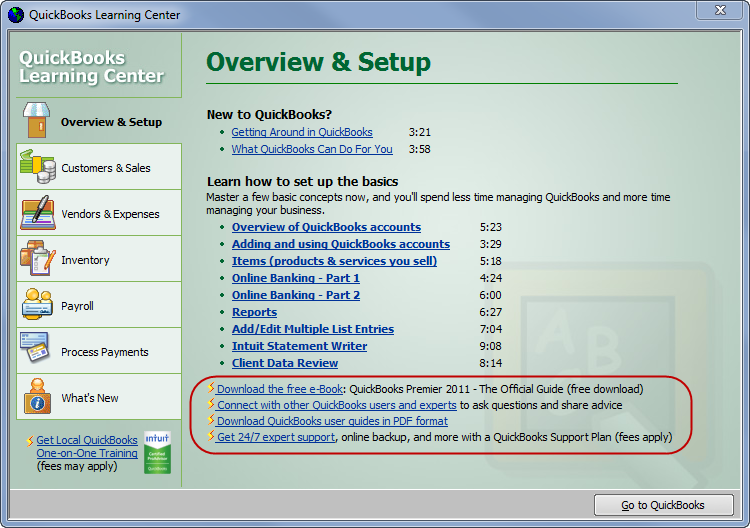
Intuit, the creators of QuickBooks, offers a wealth of official resources that are invaluable for beginners and experienced users alike. Their QuickBooks Learn & Support Center provides articles, guides, and tutorials covering every aspect of the software, from basic setup to advanced features. They often host free webinars and provide access to demonstration files that allow you to practice without affecting live data. These resources are updated regularly, ensuring you’re learning the most current version and features of the software. Starting here is highly recommended as it provides the most authoritative and reliable information directly from the source.
Leveraging Educational Platforms and MOOCs
Many online educational platforms offer free courses or trials that include QuickBooks training. Platforms like Coursera, Udemy, and edX often feature introductory QuickBooks courses taught by certified professionals. While some advanced courses might require payment, many offer free audits, foundational modules, or comprehensive courses available as part of a free trial. These platforms provide structured learning paths, often with quizzes and assignments, which can be highly effective for retaining information and building practical skills. Searching for “QuickBooks free course” on these sites can yield excellent results, focusing on modules related to business finance essentials, accounting basics, and software navigation.
Community-Driven Learning: Forums, Blogs, and Social Media
The QuickBooks community is vast and incredibly supportive. Engage with QuickBooks user forums, Facebook groups dedicated to bookkeeping or small business finance, and specialized blogs. These platforms offer opportunities to ask questions, share insights, and learn from the experiences of others. Many experienced bookkeepers and accountants regularly share free tips, tutorials, and best practices. While not a structured learning path, these communities provide practical advice, troubleshoot common issues, and keep you informed about updates and new features, all of which contribute to your mastery of the software and your overall business finance knowledge.
YouTube Tutorials and Free Webinars: Visual Learning at Your Fingertips
For visual learners, YouTube is an unparalleled resource. A simple search for “free QuickBooks tutorial” will unleash thousands of videos, ranging from short clips on specific tasks (e.g., “how to reconcile bank accounts in QuickBooks”) to comprehensive playlists offering full courses. Look for channels from certified QuickBooks ProAdvisors or accounting professionals, as their content is usually reliable and well-explained. Additionally, many accounting firms, business coaches, and software providers host free webinars focused on QuickBooks tips, year-end strategies, or specific functionalities. These often include Q&A sessions, providing direct interaction and personalized insights, further enriching your understanding of financial tools.
Strategic Approaches to Maximizing Your Free Learning Journey
Finding free resources is only the first step. To truly master QuickBooks and translate that knowledge into financial gain, you need a strategic approach to your learning. It’s about efficiency, practical application, and consistent effort.
Setting Clear Learning Objectives and a Study Plan
Before diving into tutorials, define what you want to achieve. Are you learning QuickBooks for your own small business finance management? To become a freelance bookkeeper (online income/side hustles)? Or to enhance your resume? Your objectives will dictate the depth and breadth of your study. Create a structured study plan, allocating specific times each week for learning and practice. Break down the software into manageable modules (e.g., setting up accounts, invoicing, expense tracking, reporting) and tackle them systematically. A clear plan prevents overwhelm and ensures consistent progress towards your personal finance and business finance goals.
Hands-On Practice with QuickBooks Test Drives and Sample Companies

Theory alone won’t suffice. QuickBooks offers “test drive” or “sample company” files that allow you to explore the software’s full functionality without impacting real financial data. Utilize these extensively. Create fictitious invoices, enter imaginary expenses, reconcile sample bank accounts, and run various reports. This practical, risk-free environment is crucial for building muscle memory and confidence. The more you “do,” the more you understand how the software works and how it applies to real-world business finance scenarios. This experiential learning reinforces concepts learned from tutorials and guides.
Complementary Learning: Understanding Accounting Fundamentals
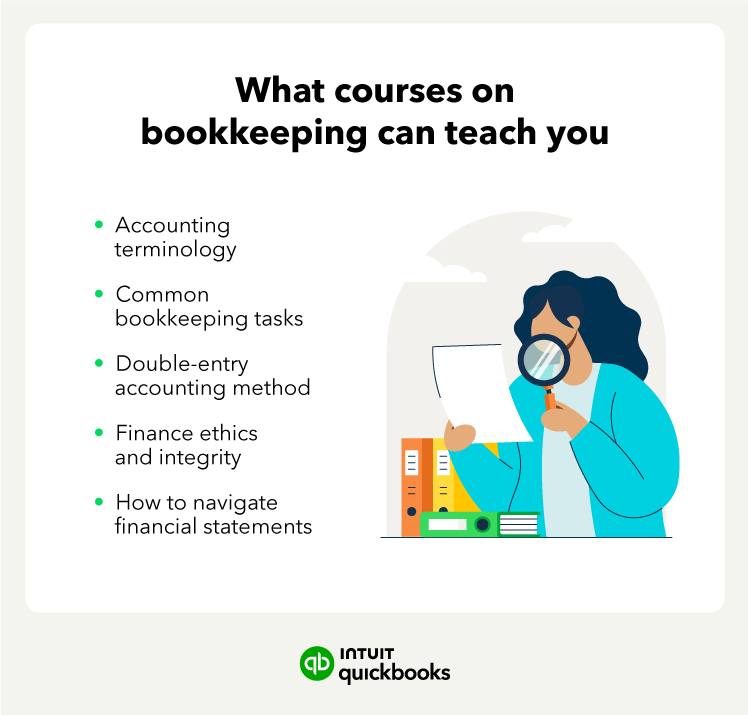
While QuickBooks automates many processes, a foundational understanding of accounting principles will exponentially boost your proficiency. Concepts like debits and credits, accrual vs. cash basis accounting, and the purpose of financial statements (balance sheet, income statement, cash flow statement) are crucial. Many free resources, including YouTube channels and introductory articles on personal finance blogs, offer simplified explanations of these fundamentals. A strong grasp of basic accounting will help you interpret QuickBooks reports more accurately, troubleshoot errors effectively, and make smarter business finance decisions.
The Power of Peer Learning and Accountability
Connect with other learners or join a study group. Discussing concepts, sharing challenges, and explaining solutions to peers can solidify your understanding. Teaching someone else is often the best way to truly internalize knowledge. Furthermore, an accountability partner can help you stick to your study plan and maintain momentum, especially when learning independently. Leverage the online communities identified earlier to find like-minded individuals who are also on their free QuickBooks learning journey.
Translating Free QuickBooks Knowledge into Financial Opportunity
The ultimate goal of learning QuickBooks for free, particularly within the Money category, is to unlock financial opportunities. Your newly acquired skills can either directly save you money, generate income, or significantly enhance your career trajectory.
Optimizing Your Own Business Finances
For entrepreneurs, the most immediate benefit is the ability to take full control of your business’s finances. You can accurately track profitability, identify areas for cost reduction, manage client invoicing efficiently, and ensure compliance for tax purposes. This hands-on management empowers you to make smarter financial decisions, leading to increased profitability and stability for your venture. The money saved on professional bookkeeping fees, especially for a startup or small operation, can be substantial, directly impacting your bottom line.
Launching a Bookkeeping Side Hustle or Freelance Career
QuickBooks proficiency is a marketable skill that can be leveraged into a lucrative side hustle or even a full-time freelance career. Many small businesses, unable to afford an in-house accountant, actively seek freelance bookkeepers. By offering your services (e.g., setting up QuickBooks for new businesses, monthly reconciliations, payroll processing), you can generate significant online income from the comfort of your home. Platforms like Upwork, Fiverr, and local classifieds are excellent places to find initial clients. Starting for free means your overhead is minimal, maximizing your profit margins as you build experience and a client base.
Enhancing Employability and Career Advancement
Adding “Proficient in QuickBooks” to your resume instantly makes you a more attractive candidate for a wide range of administrative, office management, and accounting support roles. This skill demonstrates practical financial acumen, attention to detail, and a commitment to efficiency – qualities highly valued by employers. Within your current role, mastering QuickBooks can position you for promotions, salary increases, or expanded responsibilities, especially if your job involves financial oversight or data management. It’s an investment in your personal finance growth that pays dividends.
Building a Professional Network
As you learn and apply QuickBooks, you’ll inevitably interact with other professionals – clients, fellow freelancers, and mentors. This networking can lead to referrals, collaborative opportunities, and access to valuable insights within the financial tools and business finance communities. A strong professional network is invaluable for career growth and discovering new side hustles or income streams.
Avoiding Common Pitfalls and Sustaining Your Learning Momentum
While learning QuickBooks for free is entirely achievable, it’s not without its potential challenges. Being aware of these pitfalls and adopting strategies to overcome them will ensure your learning journey is effective and sustainable.
The Risk of Incomplete or Outdated Information
The digital landscape is constantly evolving, and so is QuickBooks. Relying solely on older tutorials or fragmented online content can lead to learning outdated methods or missing crucial new features. Prioritize resources from official Intuit channels or reputable professionals who regularly update their content. Always check the date of publication or creation for any tutorial you use to ensure its relevance to the current version of QuickBooks. This is particularly important for financial tools where accuracy and currency are paramount.
Overcoming Analysis Paralysis and Information Overload
The sheer volume of free information available can be overwhelming. It’s easy to get lost in an endless loop of watching tutorials without actual practice. To combat this, stick to your study plan, focus on one module at a time, and prioritize hands-on application. Don’t feel pressured to learn everything at once. Start with the core functionalities relevant to your immediate needs (e.g., invoicing and expense tracking for your side hustle), then gradually expand your knowledge. Remember, consistent small steps are more effective than sporadic large leaps.
Staying Updated with QuickBooks Evolutions
Intuit regularly releases updates, new features, and sometimes even changes the user interface. Your learning journey shouldn’t end once you’ve grasped the basics. Subscribe to the QuickBooks blog, follow their social media channels, and engage with user communities to stay informed about the latest developments. Continuous learning ensures your skills remain sharp and relevant, allowing you to maximize the benefits of this crucial financial tool.
Prioritizing Practical Application Over Theoretical Knowledge
While understanding accounting theory is beneficial, the goal is to use QuickBooks effectively. Focus on applying what you learn immediately. If you’re studying how to create an invoice, open a sample company file and create one. If you’re learning about reconciliation, try reconciling a simulated bank statement. This practical emphasis not only reinforces learning but also builds confidence and prepares you for real-world scenarios in business finance.
By embracing the wealth of free resources available and adopting a disciplined, practical approach to learning, mastering QuickBooks without financial outlay is not just a possibility—it’s an accessible reality. This journey will not only empower you with a valuable skill but also open doors to enhanced personal finance management, lucrative income streams, and significant career growth within the vital sphere of money and business.
aViewFromTheCave is a participant in the Amazon Services LLC Associates Program, an affiliate advertising program designed to provide a means for sites to earn advertising fees by advertising and linking to Amazon.com. Amazon, the Amazon logo, AmazonSupply, and the AmazonSupply logo are trademarks of Amazon.com, Inc. or its affiliates. As an Amazon Associate we earn affiliate commissions from qualifying purchases.