
Navigating the landscape of modern personal finance requires more than just a general understanding of your balance; it demands a technical grasp of the tools and identifiers that keep the global banking system moving. Among these, the routing number is perhaps the most critical piece of information for domestic transactions. Whether you are setting up a new direct deposit for a side hustle, organizing your business finances, or connecting a third-party investment app, knowing exactly how to locate and use your routing number is essential.

While it may seem like a simple nine-digit code, the routing number—formally known as an ABA (American Bankers Association) Routing Transit Number (RTN)—serves as the digital address for your financial institution. In this guide, we will explore the various methods to retrieve this number, the different types of routing numbers you might encounter, and how this information fits into your broader financial management strategy.
Understanding the Role of Routing Numbers in Personal Finance
Before searching for the numbers, it is vital to understand what they represent and why they are necessary. In the United States, the routing number system was developed in 1910 to facilitate the physical processing of paper checks. Today, it acts as the primary identifier for electronic transfers, ensuring that money moved via the Automated Clearing House (ACH) or wire transfer networks reaches the correct destination.
What is an ABA Routing Number?
An ABA routing number is a unique nine-digit code assigned to every financial institution in the United States. It identifies the specific bank or credit union responsible for a transaction. The first two digits of the code represent the Federal Reserve district where the bank is located, while the remaining digits identify the specific institution and include a “check digit” used for internal verification to prevent errors.
Routing Number vs. Account Number: The Key Differences
One of the most common mistakes in personal finance is confusing the routing number with the account number. Think of the routing number as the “zip code” for your bank; it tells the financial system which building to go to. The account number, on the other hand, is your specific “apartment number” within that building. You need both to complete a transaction. While the routing number is public and shared by everyone at your branch or in your region, your account number is private and unique to you.
Where to Find Your Bank’s Routing Number Quickly
In the digital age, there are several ways to access your routing number. Most banks provide this information across multiple platforms to ensure that customers can manage their money with ease.
Checking Your Paper Checks
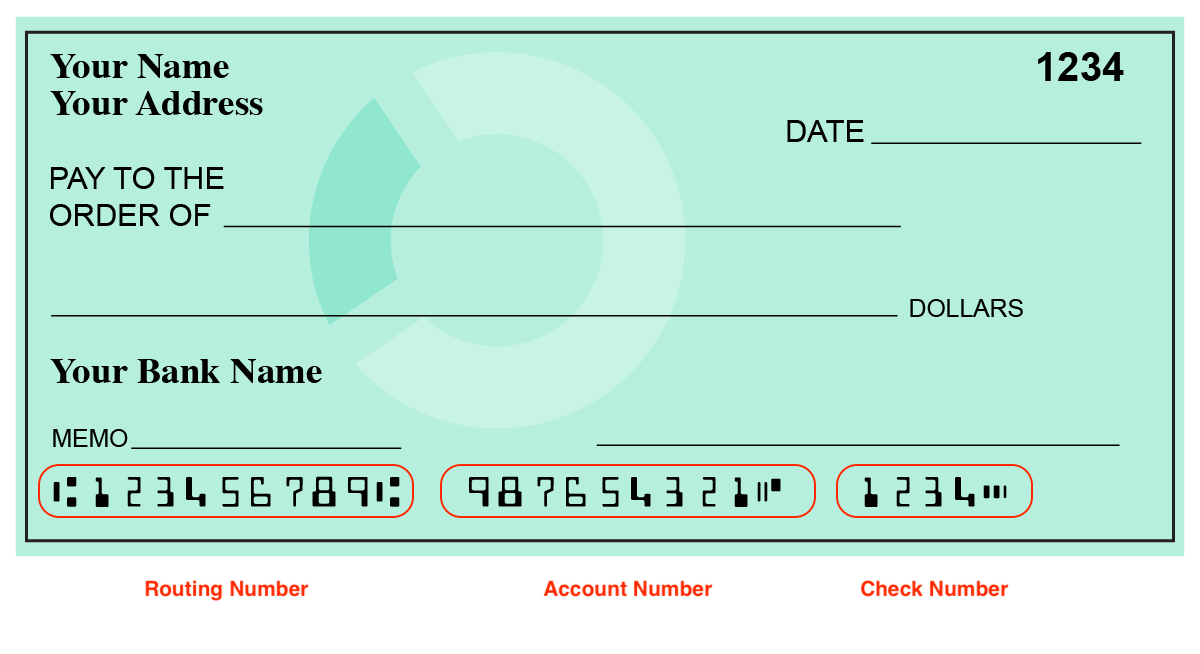
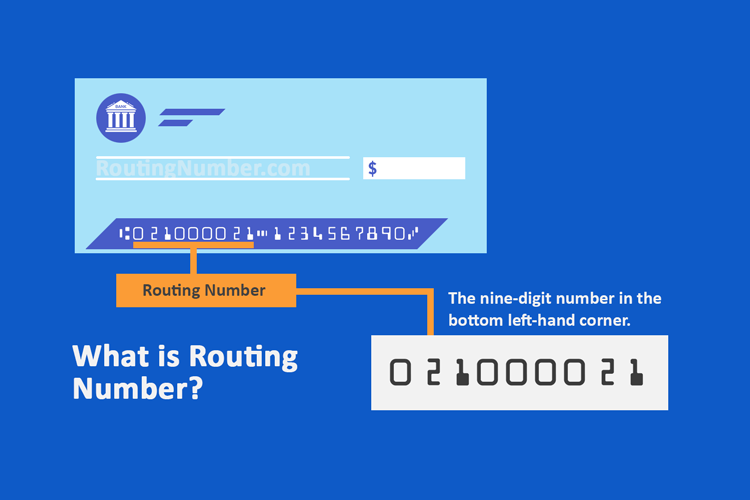
The most traditional way to find your routing number is by looking at a physical check associated with your account. At the bottom of every check, there is a string of numbers printed in a specialized magnetic ink (MICR).
- The First Set: The nine-digit number on the far left is your routing number.
- The Second Set: The middle set of numbers is your account number.
- The Third Set: The final, shorter set of numbers is the check number.
It is important to note that you should not use the routing number from a “deposit slip” found in the back of your checkbook, as these often use internal bank codes that are not compatible with external electronic transfers.
Using Online Banking and Mobile Apps
For those who have moved toward a paperless lifestyle, online banking is the fastest resource. Once you log in to your bank’s portal or mobile application, navigate to the “Account Details” or “Account Summary” section. Most banks hide the full account number for security but will display the routing number clearly. In some apps, you can simply click on the “Information” icon next to your balance to see both the routing and account numbers formatted for easy copying.
Searching the Bank’s Official Website
If you do not have your login credentials handy, most major financial institutions list their routing numbers on their public websites. You can often find them by searching for “Routing Number” in the site’s help center or by looking at the “Contact Us” or “FAQs” page. However, be cautious: some large banks (such as Chase, Bank of America, or Wells Fargo) use different routing numbers depending on the state where you opened your account. Always verify that you are looking at the number assigned to your specific region.
Why You Need Your Routing Number: Common Financial Transactions
In the context of personal finance and business growth, the routing number is the “key” that unlocks various automated systems. Without it, your ability to streamline your income and expenses is significantly hampered.
Setting Up Direct Deposits and Automatic Payments
Whether you are an employee receiving a salary or a freelancer receiving payments from clients, direct deposit is the gold standard for efficiency. To set this up, your employer will require a “voided check” or a direct deposit authorization form. Both of these documents rely heavily on the routing number to ensure your hard-earned money lands in the right account on payday. Similarly, when setting up automatic payments for mortgages, car loans, or utility bills, the service provider uses the routing number to “pull” funds from your bank via the ACH network.
Initiating Wire Transfers and ACH Payments
While they may seem similar, ACH payments and wire transfers often require different routing numbers.
- ACH Transfers: These are typically used for payroll, bill pay, and person-to-person transfers (like Venmo or Zelle). They use the standard “electronic” routing number.
- Wire Transfers: These are used for high-value, real-time transactions, such as closing on a home. Some banks have a dedicated “Wire Routing Number” that differs from the ACH routing number. Using the wrong one can result in the transfer being rejected or delayed, which can be costly in time-sensitive business deals.
Connecting Third-Party Financial Apps
In the era of “FinTech,” many people use third-party tools for budgeting (like Mint or YNAB), investing (like Robinhood or Acorns), or side-hustle management. These apps use secure protocols to link to your bank account. While many now use services like Plaid to link accounts via your login credentials, some still require manual entry of your routing and account numbers to verify the connection through “micro-deposits.”
Security and Best Practices for Financial Information
As we treat our routing number as a tool for financial mobility, we must also treat it with the appropriate level of security. While a routing number is not “secret” in the same way a Social Security number is, it is half of the puzzle required to access your funds.
Protecting Your Banking Credentials
A routing number alone cannot be used to steal money from your account, but when combined with an account number, it can be used to authorize fraudulent ACH withdrawals. This is why you should only provide your routing and account numbers to trusted entities. Be wary of “phishing” emails or texts that ask for this information. Legitimate financial institutions will never ask you to provide these numbers over an unencrypted email or an unsolicited text message.
Verifying Routing Numbers for International Transfers
If you are receiving money from abroad, a standard nine-digit ABA routing number is usually not enough. For international transfers, you will likely need a SWIFT code or a BIC (Bank Identifier Code). These are the international equivalents of routing numbers. If you attempt to use a domestic routing number for a global transfer, the funds will likely be returned, and you may be charged a significant fee by the intermediary banks.
Managing Multiple Accounts
For individuals managing multiple side hustles or small businesses, it is common to have several bank accounts. It is a best practice to keep a secure, encrypted digital note or a physical ledger that lists the routing numbers for each institution you use. This prevents the friction of having to log in to multiple apps every time you need to provide banking details to a new vendor or client.
Conclusion: Ensuring Seamless Financial Management
The routing number is a fundamental pillar of the American financial system. While it operates quietly in the background, it is the mechanism that enables the fluid movement of capital that our modern economy relies upon. By knowing how to quickly locate your routing number—whether via a paper check, a mobile app, or the bank’s website—you empower yourself to take full control of your personal and business finances.
Understanding the distinction between ACH and Wire routing numbers, ensuring the security of your account details, and knowing when to use international codes like SWIFT will elevate your financial literacy. In a world where “time is money,” having this information at your fingertips ensures that your transactions remain fast, secure, and accurate, allowing you to focus on growing your wealth rather than troubleshooting your transfers.
aViewFromTheCave is a participant in the Amazon Services LLC Associates Program, an affiliate advertising program designed to provide a means for sites to earn advertising fees by advertising and linking to Amazon.com. Amazon, the Amazon logo, AmazonSupply, and the AmazonSupply logo are trademarks of Amazon.com, Inc. or its affiliates. As an Amazon Associate we earn affiliate commissions from qualifying purchases.