
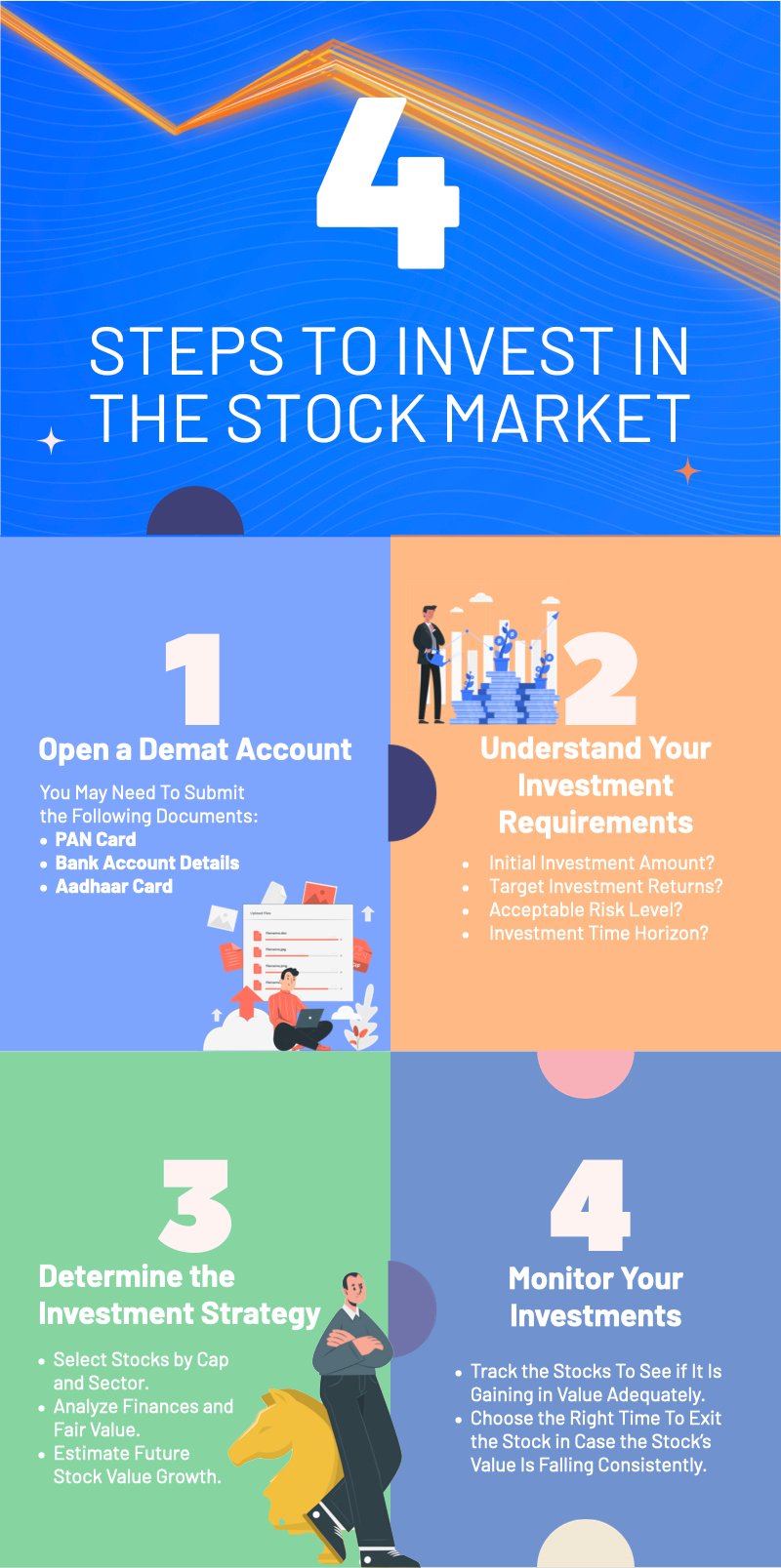
Embarking on the journey of stock market investing can seem daunting, akin to navigating a complex labyrinth without a map. Yet, for countless individuals, it has proven to be a powerful avenue for wealth creation, financial independence, and securing a comfortable future. The allure of growing one’s money significantly beyond traditional savings accounts is a strong motivator, but the initial steps often deter potential investors. This comprehensive guide aims to demystify the process, providing a clear, actionable roadmap for absolute beginners looking to dip their toes into the exciting world of stock market investing. We’ll break down the fundamentals, prepare you for the journey, explore suitable investment vehicles, guide you through account setup, and equip you with long-term strategies for success.
1. Understanding the Fundamentals of Stock Market Investing
Before you commit any capital, a foundational understanding of what the stock market is and how it functions is crucial. This knowledge will serve as your compass, guiding your decisions and helping you navigate the inherent risks and rewards.
What is the Stock Market and How Does It Work?
At its core, the stock market is a vast network of exchanges where buyers and sellers trade shares of publicly listed companies. When you buy a stock, you’re essentially purchasing a small ownership stake in that company. Companies issue stocks to raise capital, which they then use to fund operations, expand, or develop new products. Investors, in turn, buy these shares hoping their value will appreciate over time, or to receive dividends – a portion of the company’s profits distributed to shareholders. The price of a stock fluctuates based on a myriad of factors, including company performance, industry trends, economic indicators, geopolitical events, and investor sentiment. Understanding that you are buying a piece of a real business, with real assets and real earnings (or losses), is fundamental. It’s not just numbers on a screen; it represents ownership.
Why Invest in Stocks? The Power of Compounding
The primary reason individuals invest in stocks is for capital appreciation – the increase in the stock’s price over time. Historically, the stock market has offered higher returns compared to other asset classes like bonds or savings accounts, especially over the long term. This potential for significant growth is amplified by the power of compounding. Compounding refers to the process where the returns you earn on your investments also start earning returns. For example, if you invest $1,000 and earn a 10% return, you now have $1,100. If you reinvest that $1,100 and again earn 10%, you get $110, not just $100, because you’re earning on your initial investment plus the accumulated interest. Over decades, this effect can turn modest regular contributions into substantial wealth. It’s often referred to as the “eighth wonder of the world” for good reason, making time your most valuable ally in investing.
Understanding Risk and Reward
Investing in the stock market inherently involves risk. There’s no guarantee that your investments will always go up; stock prices can and do fall, sometimes significantly. This is known as market volatility. However, risk and reward are two sides of the same coin in investing. Generally, higher potential returns come with higher risk. Understanding and assessing your own risk tolerance is paramount. While individual stocks carry higher specific risk (the risk associated with a particular company), broader market indexes tend to offer diversified exposure, mitigating some of that individual company risk. The key is to manage risk, not avoid it entirely. This involves diversification, aligning investments with your financial goals, and having a long-term perspective, which often allows you to ride out short-term market fluctuations.
2. Preparing for Your Investment Journey
Successful investing isn’t just about picking the right stocks; it’s about having a solid financial foundation and a clear understanding of your personal financial landscape. Laying this groundwork will set you up for sustainable success and prevent common pitfalls.
Define Your Financial Goals and Time Horizon
Before you invest a single dollar, ask yourself: Why am I investing? Are you saving for a down payment on a house in five years, retirement in 30 years, or your child’s education in 10 years? Your financial goals will dictate your investment strategy. Short-term goals (under 5 years) might call for lower-risk investments, as market volatility could jeopardize your capital just when you need it. Long-term goals (10+ years) allow you to take on more risk, as you have ample time to recover from market downturns and benefit from compounding. Clearly defining these goals and their corresponding time horizons will help you choose appropriate investment vehicles and manage expectations.
Assess Your Risk Tolerance
Your risk tolerance is your emotional and financial ability to handle market fluctuations. Some people are comfortable watching their portfolio drop 20% in a year, knowing it’s likely to recover, while others would lose sleep over a 5% dip. It’s crucial to be honest with yourself about your comfort level with risk. Factors like your age, income stability, existing debt, and personality all play a role. A younger investor with stable income and a long time horizon might have a higher risk tolerance than someone nearing retirement. There are many online questionnaires that can help you gauge your risk tolerance, which in turn will inform your asset allocation decisions – how much of your portfolio is in stocks versus less volatile assets like bonds.
Build an Emergency Fund First
This is perhaps the most critical preparatory step. Before you invest in the stock market, you must have an easily accessible emergency fund in a high-yield savings account. This fund should cover 3-6 months’ worth of essential living expenses. The purpose of an emergency fund is to protect you from having to sell your investments at an inopportune time (e.g., during a market downturn) if an unexpected expense arises, such as job loss, medical emergency, or car repair. Investing money you might need soon is a recipe for stress and potential losses. Secure your present before you invest for your future.
Start Small: Don’t Invest What You Can’t Afford to Lose
For beginners, it’s wise to start with a modest amount that you are comfortable potentially losing. This allows you to learn the ropes, gain experience, and understand market dynamics without putting your financial well-being at severe risk. You don’t need a large sum to begin; many brokerages allow you to start with very small amounts, sometimes even fractional shares. The goal is to build confidence and knowledge incrementally. As you become more comfortable and gain experience, you can gradually increase your investment contributions.
3. Choosing the Right Investment Vehicles for Beginners
The stock market offers a variety of ways to invest, each with its own risk profile and benefits. For beginners, certain vehicles are more suitable due to their inherent diversification and lower barrier to entry.
Individual Stocks: High Potential, Higher Risk
Buying individual stocks means you are directly investing in a single company. This offers the potential for significant returns if the company performs exceptionally well, but it also carries the highest risk. If that company falters, your investment could be severely impacted. For beginners, picking individual stocks can be challenging, requiring extensive research into a company’s financials, management, competitive landscape, and industry outlook. While it can be rewarding for those willing to do the due diligence, it’s generally recommended for a smaller portion of a beginner’s portfolio, or after gaining more experience.
Exchange-Traded Funds (ETFs) and Mutual Funds: Diversification Made Easy
ETFs and mutual funds are excellent choices for beginners because they offer instant diversification. Instead of buying shares of one company, you’re buying a single fund that holds a basket of many different stocks (or other assets).
- ETFs (Exchange-Traded Funds) trade on stock exchanges like individual stocks. They typically track an index (like the S&P 500) or a specific sector (e.g., technology, healthcare) and offer low expense ratios. Their flexibility and broad market exposure make them highly popular. You can buy and sell them throughout the trading day.
- Mutual Funds are professionally managed portfolios of stocks, bonds, or other investments. Investors buy units of the fund, and a fund manager makes the investment decisions. They are priced once a day after the market closes. While some mutual funds can have higher expense ratios and sometimes sales loads (commissions), they offer expert management and diversification.
Both ETFs and mutual funds provide a cost-effective way to own a diversified portfolio without having to research and select individual stocks, significantly reducing specific company risk.
Index Funds: A Low-Cost Approach to Market Returns
Index funds are a specific type of mutual fund or ETF designed to track the performance of a particular market index, such as the S&P 500 (which represents 500 of the largest U.S. companies) or a total stock market index. The beauty of index funds is their simplicity and low cost. Because they passively track an index rather than relying on active management to pick stocks, their expense ratios are typically very low. Investing in an S&P 500 index fund, for example, means you’re essentially owning a tiny piece of 500 major American companies. This strategy embraces the idea that it’s difficult for most actively managed funds to consistently beat the market, so it’s often more prudent and cost-effective to be the market. For most beginner investors, a broad-market index fund is an excellent starting point and often a core component of a long-term portfolio.
4. Opening an Investment Account and Making Your First Investment
Once you understand the basics and have prepared your finances, the next practical step is to open an investment account and make your first trade.
Selecting a Brokerage Account (Traditional vs. Robo-Advisors)
You can’t buy stocks directly from a company; you need a brokerage account. Brokerage firms act as intermediaries, allowing you to buy and sell securities. There are two main types suitable for beginners:
- Traditional Online Brokerages: Companies like Fidelity, Charles Schwab, and Vanguard offer robust platforms with extensive research tools, educational resources, and customer support. They cater to both self-directed investors and those who want some guidance. You’ll typically have more control over your investment choices.
- Robo-Advisors: Services like Betterment and Wealthfront use algorithms to build and manage diversified portfolios based on your financial goals and risk tolerance. They are ideal for hands-off investors who prefer automated investing, often with lower minimums and expense ratios than traditional financial advisors. They often handle rebalancing and tax-loss harvesting automatically.
When choosing, consider factors like minimum investment requirements, fees (commissions, expense ratios), available investment options, user interface, and customer service quality. For most beginners, a reputable online brokerage or robo-advisor is an excellent starting point.
Funding Your Account
Once your brokerage account is open, you’ll need to fund it. This can typically be done in several ways:
- Electronic Funds Transfer (EFT): Linking your bank account allows you to transfer money digitally. This is usually the quickest and most common method.
- Wire Transfer: For larger sums, wire transfers are an option, though they often incur fees.
- Check Deposit: You can mail a check to your brokerage.
- Account Transfer: If you have an existing investment account elsewhere (e.g., a 401k from a previous employer), you might be able to transfer it to your new brokerage.
Ensure you understand any minimum deposit requirements for the account type or specific investments you plan to make.
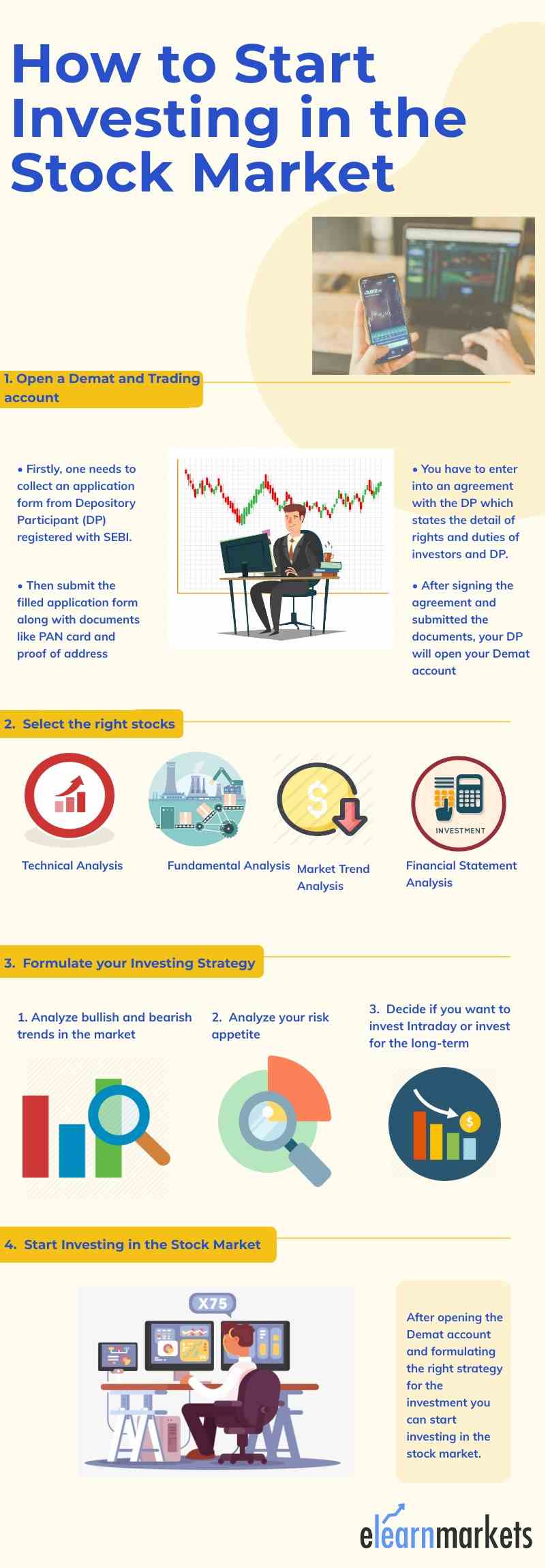
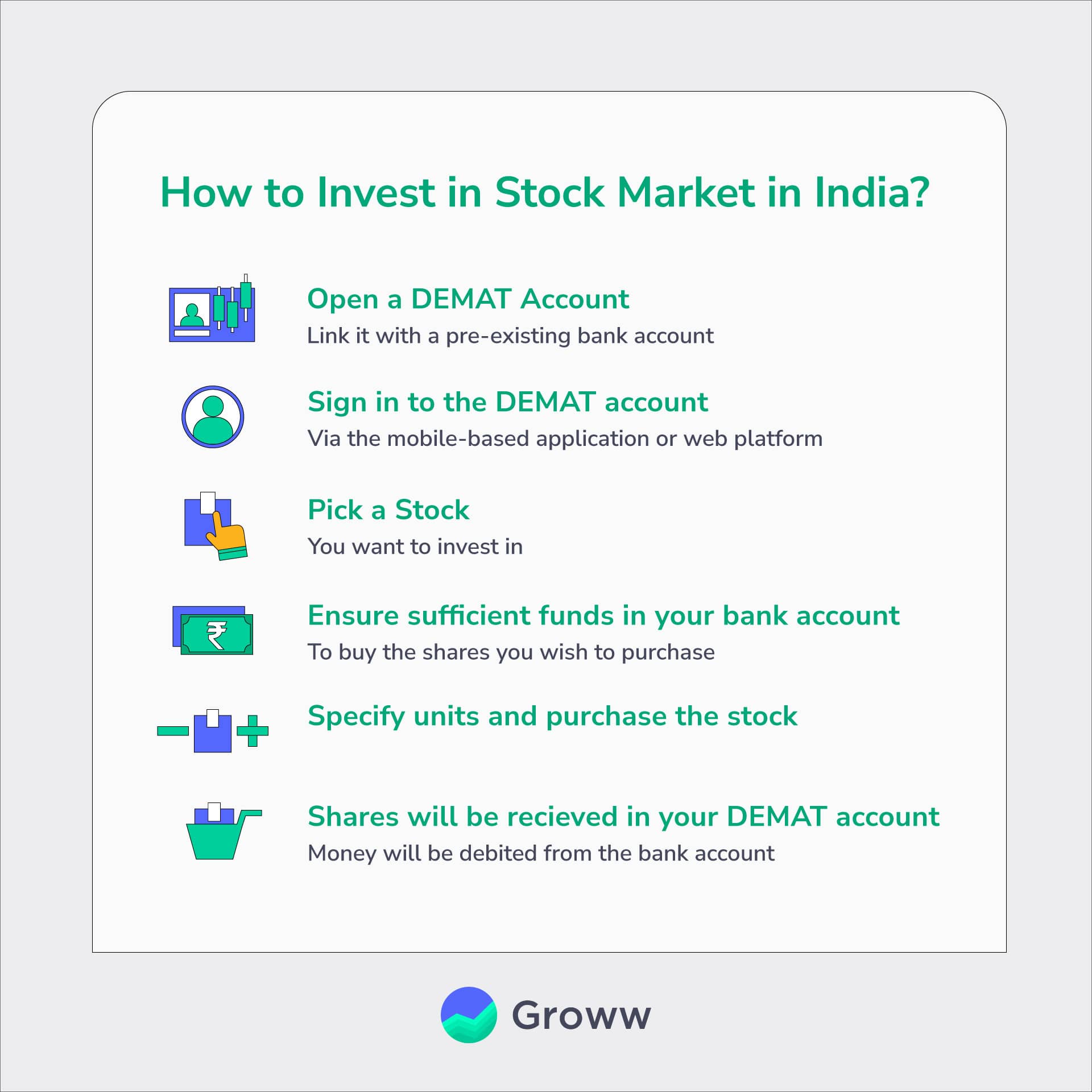
Placing Your First Trade: A Step-by-Step Guide
With funds in your account, you’re ready to make your first investment. Let’s assume you’ve chosen a broad-market index ETF, which is a great starting point for many.
- Search for the ETF: Use the fund’s ticker symbol (e.g., SPY for an S&P 500 ETF) on your brokerage platform.
- Select “Buy”: Choose the option to purchase shares.
- Enter Quantity or Dollar Amount: Decide how many shares you want to buy, or if your brokerage allows, the dollar amount you wish to invest (for fractional shares).
- Choose Order Type: For beginners, a market order will execute your trade immediately at the current market price. A limit order allows you to specify a maximum price you’re willing to pay, but it might not execute immediately if the price isn’t met. For most long-term investors buying ETFs, a market order is sufficient.
- Review and Confirm: Double-check all details before confirming your trade.
Congratulations, you’ve made your first investment!
Dollar-Cost Averaging: A Strategy for Beginners
Dollar-cost averaging (DCA) is a powerful and simple strategy, especially for beginners. It involves investing a fixed amount of money at regular intervals (e.g., $100 every month) regardless of the market’s current state. The key benefit is that you buy more shares when prices are low and fewer shares when prices are high, effectively averaging out your purchase price over time. This strategy removes the emotional guesswork of trying to “time the market” (predicting when prices will go up or down), which is notoriously difficult even for seasoned professionals. DCA smooths out volatility and helps you accumulate shares consistently over the long run, building wealth systematically.
5. Long-Term Strategies and Mindset for Success
Investing in the stock market is a marathon, not a sprint. Adopting a long-term perspective and cultivating the right mindset are crucial for navigating market fluctuations and achieving your financial goals.
Diversification is Key
Never put all your eggs in one basket. Diversification is the strategy of spreading your investments across various asset classes, industries, and geographies to reduce overall risk. If one sector or company performs poorly, the impact on your overall portfolio is mitigated by the performance of others. This is why ETFs and mutual funds are so effective for beginners – they inherently provide diversification. If you choose to invest in individual stocks, make sure they represent different industries and company sizes. Diversification won’t protect you from a general market downturn, but it will protect you from the specific risks associated with individual companies or sectors.
Rebalancing Your Portfolio
Over time, the performance of your various investments will cause your portfolio’s asset allocation to drift from your initial target. For instance, if stocks have outperformed bonds, your portfolio might end up with a higher percentage of stocks than you initially intended, increasing your risk exposure. Rebalancing involves adjusting your portfolio periodically (e.g., once a year) to bring it back to your desired asset allocation. This typically means selling some of your outperforming assets and buying more of your underperforming ones, effectively “buying low and selling high” without actively trying to time the market. Robo-advisors often automate this process.
Continuous Learning and Staying Informed
The world of finance is constantly evolving. While you don’t need to become an expert economist, continuous learning is vital. Read reputable financial news sources, follow established financial blogs, listen to podcasts, and consider reading foundational books on investing. Understanding basic economic principles, how different industries work, and the impact of global events on markets will make you a more confident and informed investor. Be wary of “get rich quick” schemes or overly complex strategies, especially as a beginner. Focus on solid, time-tested principles.
Emotional Discipline: Avoiding Common Pitfalls
One of the biggest obstacles to successful investing is emotional decision-making. Fear often leads investors to sell during market downturns, locking in losses, while greed can lead them to buy into overhyped assets at their peak. These actions are often contrary to sound investment principles. Develop emotional discipline by sticking to your long-term plan, ignoring short-term market noise, and not letting daily fluctuations dictate your actions. Remember your financial goals and your risk tolerance. A disciplined approach, combined with dollar-cost averaging and diversification, will serve you far better than trying to react to every market headline.
Getting started investing in the stock market is a journey of learning, patience, and discipline. By understanding the fundamentals, preparing diligently, choosing appropriate investment vehicles, and committing to a long-term strategy, you can confidently take control of your financial future and harness the incredible power of the stock market to achieve your wealth-building aspirations. The best time to start investing was yesterday; the second best time is today.
aViewFromTheCave is a participant in the Amazon Services LLC Associates Program, an affiliate advertising program designed to provide a means for sites to earn advertising fees by advertising and linking to Amazon.com. Amazon, the Amazon logo, AmazonSupply, and the AmazonSupply logo are trademarks of Amazon.com, Inc. or its affiliates. As an Amazon Associate we earn affiliate commissions from qualifying purchases.