
In the modern financial landscape, your bank account number is much more than a random string of digits; it is the unique identifier that anchors your digital financial identity. Whether you are setting up a new direct deposit for a high-paying side hustle, organizing automatic bill payments to improve your credit score, or wire-transferring funds for a major investment, knowing how to quickly and securely access your Chase account number is an essential skill in personal finance management.
While Chase, one of the largest financial institutions in the world, offers a highly intuitive user interface, many customers find themselves searching for these details when they are away from their physical checkbooks or debit cards. This guide provides a deep dive into the various methods of retrieving your account and routing numbers, while also exploring the broader context of financial security and the mechanics of modern banking transactions.
1. Digital Retrieval: Accessing Details via Chase Mobile and Online Banking
In an era defined by fintech innovation, the most efficient way to access your financial information is through Chase’s digital platforms. Chase has invested billions into its digital infrastructure to ensure that sensitive data is both accessible to the user and shielded from unauthorized parties.
Navigating the Chase Mobile® App
The Chase Mobile app is the primary tool for millions of users to manage their personal finances. To find your account number here, the process is designed to be discrete. After logging in using biometric authentication (such as FaceID or Fingerprint), select the specific account you wish to view (e.g., Total Checking or Sapphire Savings).
Once on the account summary page, look for the “Account Details” link, usually located near the top of the screen under your available balance. By tapping this, the app will typically display the last four digits of your account number for security. To see the full number, you must tap the “Show” icon (often represented by an eye symbol). This extra step is a deliberate security feature designed to prevent “shoulder surfing”—the act of someone glancing at your screen in public to steal your information.
Using the Chase Online℠ Website
For those who prefer a desktop environment for their business finance or personal accounting, the Chase website offers a comprehensive dashboard. After logging into your profile, click on the specific account tile. Similar to the mobile app experience, you will find an “Account Services” or “Show Account Number” option.
Using the desktop site is often preferred when you are simultaneously setting up third-party financial tools, such as tax software or investment platforms like Vanguard or Fidelity. The ability to copy and paste the number directly from a secure browser reduces the risk of manual entry errors, which can lead to failed transactions and potential bank fees.
2. Physical and Document-Based Methods
Despite the move toward a cashless and paperless society, physical documents remain a legal and reliable source of truth for your banking information. If you find yourself without internet access or simply prefer a tactile method, your account number is readily available on several standard bank documents.
The Anatomy of a Personal Check
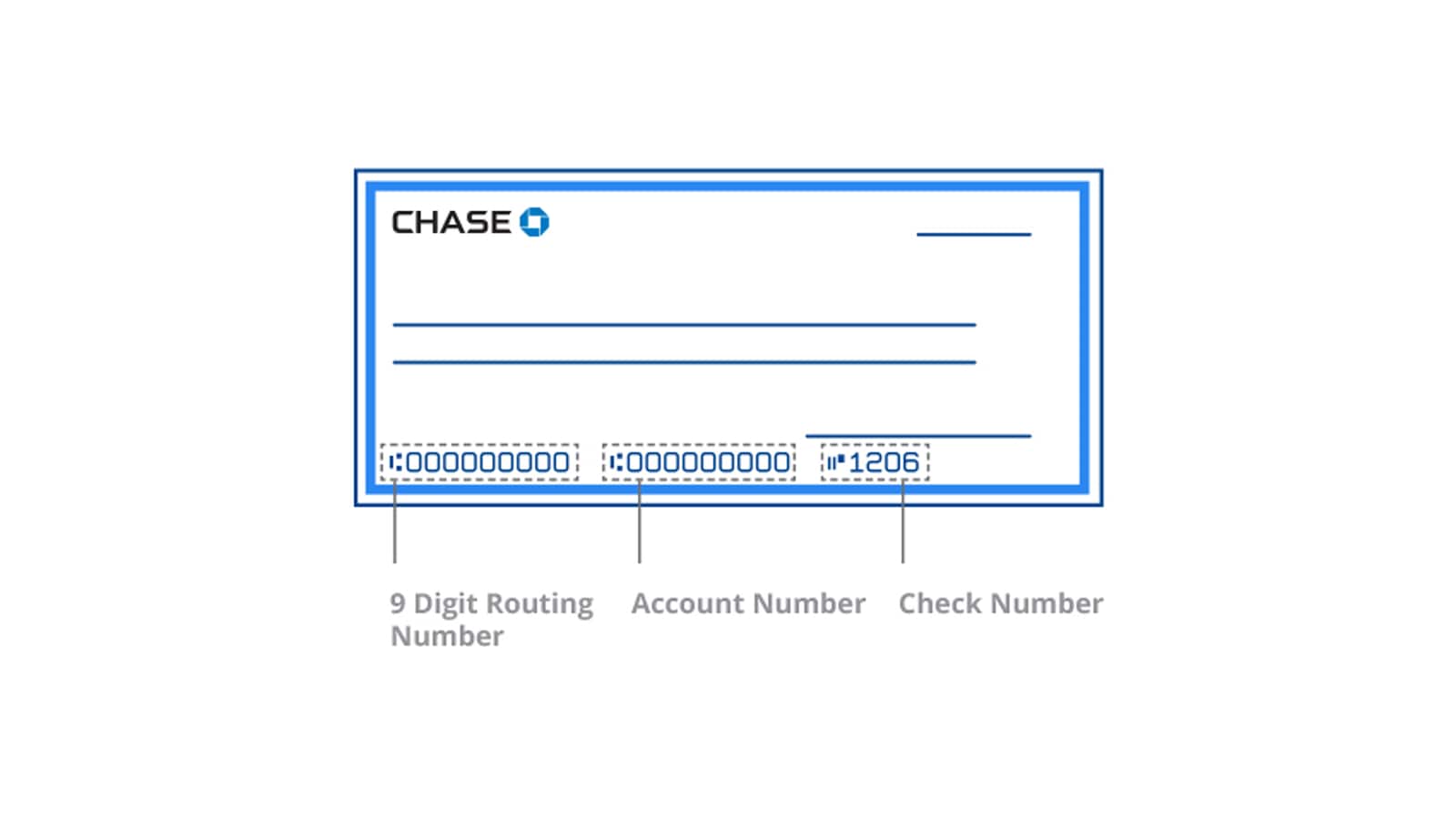
If you still use a physical checkbook, your account number is printed at the bottom of every check using Magnetic Ink Character Recognition (MICR) technology. At the bottom of a Chase check, you will see three distinct sets of numbers.
The first set (nine digits) is the ABA Routing Transit Number, which identifies Chase as the receiving institution. The second set of numbers is your unique Account Number. The third, shorter set is the individual Check Number. Understanding this layout is fundamental to personal finance literacy, as it allows you to quickly identify your details without needing to log in anywhere.
Reviewing Monthly Bank Statements
Your monthly statement is a formal legal record of your financial activity. Whether you receive these via mail or download them as PDFs through the “Statements & Documents” tab on the Chase website, your account number will be clearly listed at the top of the document.
Financial experts recommend keeping digital copies of these statements for at least seven years for tax and auditing purposes. When reviewing a statement, ensure that the account number matches your records, especially if you manage multiple sub-accounts for different side hustles or household expenses.
3. Understanding the Difference: Account Numbers vs. Routing Numbers
A common point of confusion in personal finance is the distinction between an account number and a routing number. Using the wrong number can result in significant delays, especially when dealing with time-sensitive movements of money like mortgage payments or stock market entries.
The Role of the Routing Number
The routing number is a nine-digit code that identifies the specific bank where you hold your account. In the United States, these numbers are assigned by the American Bankers Association (ABA). Interestingly, Chase may have different routing numbers depending on the state where you opened your account or the type of transaction (e.g., electronic vs. wire transfer).
When you are asked for a routing number for a “Direct Deposit” or “ACH Transfer,” you are essentially telling the financial system which “building” the money needs to go to. It is the geographic and corporate address of your funds within the Federal Reserve’s clearinghouse system.
The Specificity of the Account Number
While the routing number gets the money to the right bank, the account number gets the money to the right person. Your account number is unique to you within the Chase ecosystem. Even if you have multiple accounts—such as a checking account for daily spending and a savings account for your emergency fund—each will have its own distinct account number.
In the niche of business finance, keeping these numbers separate is vital for “clean” accounting. Mixing up account numbers during a transfer can lead to “commingling” of funds, which can complicate tax filings and financial audits.
4. Security Protocols and Protecting Your Financial Data
Because your account number is the key to moving money out of your bank, protecting it is a cornerstone of digital security. In the “Money” niche, the concept of “Financial Hygiene” refers to the habits one develops to keep their assets safe.
Best Practices for Sharing Account Details
You should only share your Chase account and routing numbers with verified, trusted entities. This includes your employer’s HR department for payroll, government agencies like the IRS for tax refunds, or reputable utility companies for bill pay.
Never provide your full account number over an unencrypted email or via a text message. Phishing scams often involve fraudulent emails that look like they are from Chase, asking you to “verify” your account number. Chase will never ask you to provide your full account number or password through an unsolicited email. If you are ever in doubt, the safest route is to call the number on the back of your Chase debit card directly.
Securing Your Digital Access
Since the app is the most common way to retrieve your account number, the security of your smartphone is paramount. Financial advisors recommend using a dedicated, strong password for your banking app that is not used for any other service. Enabling two-factor authentication (2FA) adds a vital layer of protection. By requiring a code sent to your phone or generated by an authenticator app, you ensure that even if a hacker discovers your account number, they cannot easily gain access to the funds themselves.
5. Troubleshooting: What to Do If You Can’t Find Your Number
There are rare instances where digital access is locked or physical documents are unavailable. In these cases, Chase provides traditional banking support to ensure you are never disconnected from your capital.
Visiting a Local Chase Branch
If you have been locked out of your online account and need your account number immediately for a legal or financial closing, visiting a local branch is the most secure offline option. You will need to provide a government-issued photo ID, such as a driver’s license or passport. A personal banker can then provide you with your account details and even print out a “Direct Deposit Form” which contains all the necessary routing and account information pre-verified by the bank.
Contacting Customer Support
Chase offers 24/7 customer service through their dedicated helplines. While for security reasons a representative may not be able to read your full account number over the phone, they can assist you in regaining access to your online portal where the information is stored. They can also help you identify which routing number you should use for specific types of transfers, ensuring your money reaches its destination without being returned or penalized with “incorrect info” fees.

Conclusion
Navigating your Chase account details is a fundamental part of modern financial literacy. Whether you are using the high-tech interface of the Chase Mobile app, deciphering the MICR line on a paper check, or consulting a monthly statement, having quick access to your account number empowers you to manage your money with confidence. By understanding the distinction between routing and account numbers and maintaining strict security protocols, you protect your wealth while ensuring that your financial operations—from side hustle income to long-term investments—run smoothly and efficiently.
aViewFromTheCave is a participant in the Amazon Services LLC Associates Program, an affiliate advertising program designed to provide a means for sites to earn advertising fees by advertising and linking to Amazon.com. Amazon, the Amazon logo, AmazonSupply, and the AmazonSupply logo are trademarks of Amazon.com, Inc. or its affiliates. As an Amazon Associate we earn affiliate commissions from qualifying purchases.