
Securing a home loan, often referred to as a mortgage, is a pivotal step for many individuals and families on their journey to homeownership. It’s a significant financial commitment, and navigating the process can seem daunting. From understanding eligibility criteria to choosing the right loan product and finally closing the deal, each stage requires careful consideration and preparation. This comprehensive guide is designed to demystify the home loan process, providing you with the knowledge and actionable steps to confidently pursue your dream home.
Laying the Groundwork: Understanding Home Loans and Eligibility
Before diving into applications and paperwork, it’s crucial to grasp the fundamental concepts of home loans and the primary factors lenders use to assess your eligibility. A clear understanding here will set you up for success and help you prepare effectively.

What Exactly is a Home Loan?
At its core, a home loan is a sum of money borrowed from a financial institution (like a bank, credit union, or mortgage lender) to purchase a house, apartment, or other real estate. In return, you agree to repay the loan over a set period, typically 15 or 30 years, with interest. The property itself serves as collateral for the loan, meaning if you fail to make your payments, the lender has the right to repossess it through a process called foreclosure.
Key components of a home loan include:
-
Principal: The original amount borrowed.
-
Interest: The cost of borrowing the money, expressed as a percentage of the principal.
-
Term: The length of time you have to repay the loan.
-
Monthly Payment: A regular payment comprising a portion of the principal and interest, often including property taxes and homeowner’s insurance (escrow).
Key Factors Lenders Evaluate: The 3 C’s
Lenders use a standardized set of criteria to evaluate your creditworthiness and your ability to repay a home loan. These are often summarized as the “3 C’s”: Credit, Capacity, and Capital. Understanding how you measure up in these areas is your first step toward getting approved.
Creditworthiness
Your credit history is a report card of your past financial behavior. Lenders scrutinize your credit score (e.g., FICO score) and credit report to assess your reliability in managing debt. A higher credit score signals lower risk to lenders, making you eligible for better interest rates and terms. They look for:
-
Payment History: On-time payments are crucial. Missed or late payments can severely damage your score.
-
Credit Utilization: How much of your available credit you’re using. Keeping this low (ideally below 30%) is beneficial.
-
Length of Credit History: A longer history with responsible management is generally better.
-
Types of Credit: A mix of credit (e.g., credit cards, auto loans, student loans) can be positive, showing versatility in managing different debts.
Capacity (Debt-to-Income Ratio)
Capacity refers to your ability to make monthly mortgage payments. Lenders primarily assess this through your Debt-to-Income (DTI) ratio. This ratio compares your total monthly debt payments to your gross monthly income.
-
Front-End DTI (Housing Ratio): Compares your prospective monthly housing payment (principal, interest, taxes, insurance, and HOA fees) to your gross monthly income.
-
Back-End DTI (Total Debt Ratio): Compares all your monthly debt payments (including housing, credit cards, auto loans, student loans, etc.) to your gross monthly income.
Most lenders prefer a back-end DTI of 36% or lower, though some programs allow up to 43% or even 50% under specific conditions. A lower DTI indicates you have more disposable income to handle mortgage payments and unexpected expenses.
Capital (Down Payment and Reserves)
Capital refers to the money you have saved and invested. Lenders want to see that you have a down payment and sufficient cash reserves.
-
Down Payment: The upfront cash you pay towards the purchase of the home. A larger down payment reduces the amount you need to borrow, often leading to lower monthly payments and better interest rates. It also shows your financial commitment.
-
Cash Reserves: Money kept in savings or investment accounts after the down payment and closing costs are paid. Lenders often require a certain number of months’ worth of mortgage payments in reserves, especially for conventional and jumbo loans, to ensure you can weather unforeseen financial challenges.
Essential Preparation: What to Do Before You Apply
Proactive preparation is key to a smooth and successful home loan application. By addressing critical financial aspects upfront, you can improve your chances of approval, secure better terms, and reduce stress during the process.
Boosting Your Credit Score
If your credit score isn’t where you want it to be, take steps to improve it well in advance.
-
Check Your Credit Report: Obtain free copies from AnnualCreditReport.com from all three major bureaus (Equifax, Experian, TransUnion) and dispute any errors.
-
Pay Bills on Time: Set up automatic payments to ensure you never miss a due date.
-
Reduce Debt: Pay down credit card balances and other revolving debts.
-
Avoid New Debt: Refrain from opening new credit accounts or making large purchases on credit before and during the loan application process.
Saving for Your Down Payment and Closing Costs
This is often the biggest hurdle for first-time homebuyers.
-
Down Payment: While 20% down is ideal to avoid Private Mortgage Insurance (PMI) on conventional loans, many programs allow much lower down payments (e.g., 3.5% for FHA, 0% for VA and USDA loans). Determine your target down payment based on your budget and desired loan type.
-
Closing Costs: These are fees paid at the end of the transaction, typically ranging from 2% to 5% of the loan amount. They include appraisal fees, title insurance, legal fees, loan origination fees, and more. Make sure to budget for these in addition to your down payment.
-
Emergency Fund: Aim to have at least 3-6 months’ worth of living expenses saved as an emergency fund, separate from your down payment and closing costs.
Understanding Your Debt-to-Income Ratio (DTI)
Calculate your DTI proactively. If it’s too high, focus on reducing existing debt or increasing your income.
-
Reduce Debt: Pay off small loans or credit card balances with high interest rates.
-
Increase Income: Explore opportunities for raises, bonuses, or side hustles. Be aware that lenders usually require a consistent history of increased income for it to be counted.
Gathering Necessary Documentation
Lenders require a substantial amount of paperwork to verify your financial standing. Start collecting these documents early to avoid delays. Common documents include:
-
Proof of Income: Pay stubs (last 30-60 days), W-2 forms (last two years), tax returns (last two years for self-employed or those with varied income), profit and loss statements.
-
Asset Verification: Bank statements (last two months), investment account statements, retirement account statements.
-
Credit History: Lenders will pull this themselves, but it’s good to review yours beforehand.
-
Employment History: Contact information for employers, dates of employment.
-
Identification: Government-issued ID (driver’s license, passport), Social Security card.
-
Other Debt Information: Statements for existing loans (auto, student, credit cards).
Navigating the Application Process: From Pre-Approval to Underwriting
Once you’ve prepared your finances, you’re ready to engage with lenders. This multi-step process can take several weeks or even months, so patience and thoroughness are essential.
Step 1: Getting Pre-Approved (or Pre-Qualified)
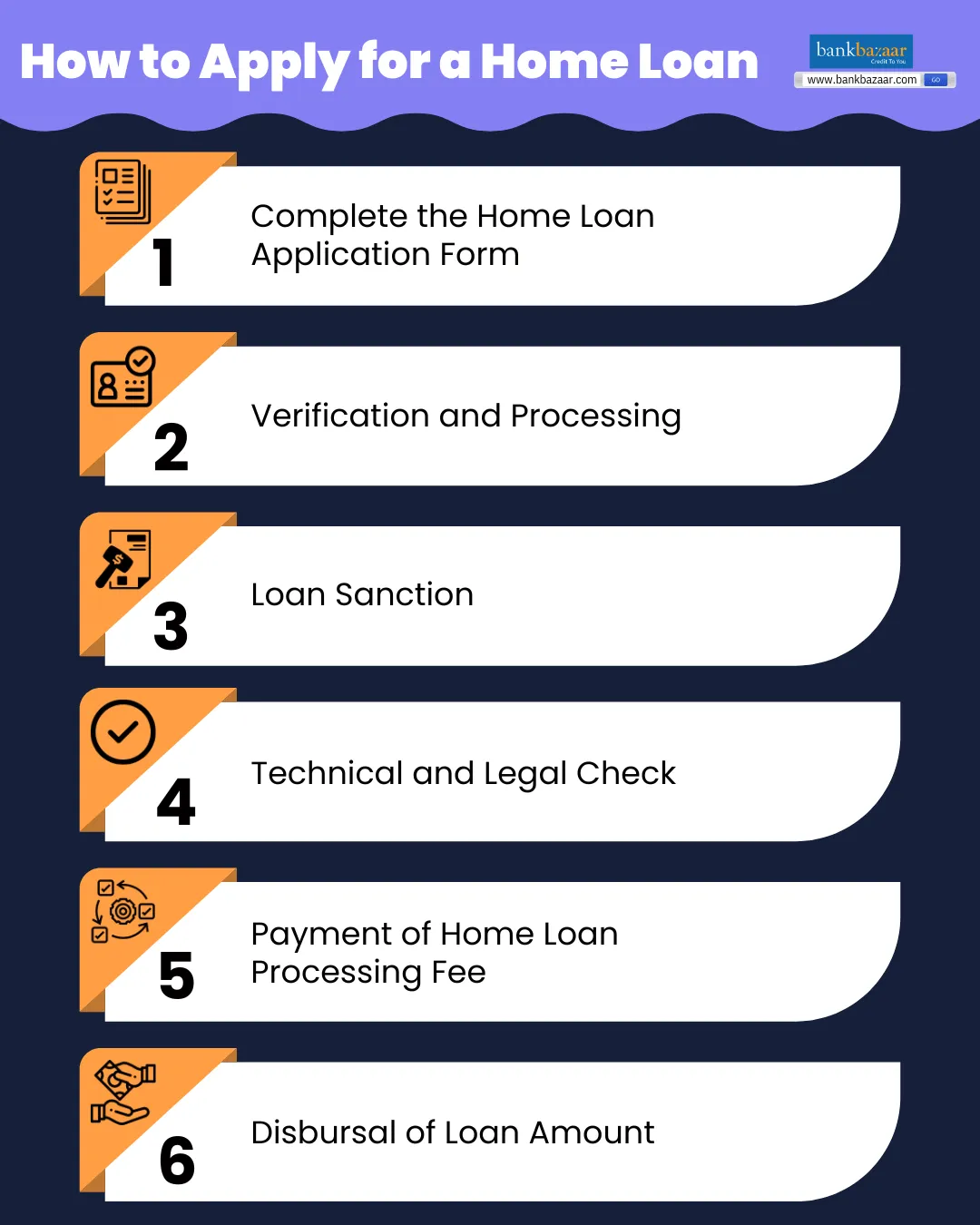
This is a critical first step.
-
Pre-Qualification: A basic assessment based on information you provide, giving you an estimate of how much you might be able to borrow. It’s not a commitment from the lender.
-
Pre-Approval: A more rigorous process where the lender verifies your income, assets, and credit. They issue a conditional commitment for a specific loan amount. A pre-approval letter is vital when making an offer on a home, as it shows sellers you’re a serious and qualified buyer.
Step 2: Shopping for the Right Lender and Loan Product
Don’t settle for the first lender you find. Shop around to compare offers.
-
Compare Rates and Fees: Get quotes from at least three to five different lenders (banks, credit unions, mortgage brokers, online lenders). Look beyond just the interest rate; consider the Annual Percentage Rate (APR), which includes fees.
-
Evaluate Lender Services: Consider customer service, responsiveness, and the lender’s reputation.
-
Work with a Mortgage Broker: A broker can help you compare various loan products and lenders, often finding options you might not discover on your own.
Step 3: Submitting Your Formal Application
Once you’ve found a home and have a signed purchase agreement, you’ll submit a formal application with your chosen lender. This involves filling out detailed forms and providing all the documentation you gathered during preparation.
Step 4: The Underwriting Process
This is where the lender thoroughly reviews all your financial information, the property details, and the loan application to determine if you meet their eligibility criteria and if the loan is a sound investment for them. Underwriters may ask for additional documents or clarifications, so be prepared to respond promptly. This stage is crucial and can take time.
Step 5: The Appraisal and Title Search
While underwriting is ongoing, two vital processes related to the property itself occur:
-
Appraisal: An independent appraiser evaluates the home’s value to ensure it’s worth at least the loan amount. This protects the lender from over-lending.
-
Title Search: A title company researches the property’s history to ensure there are no outstanding liens, claims, or disputes that could affect your ownership rights. They then issue title insurance to protect both you and the lender.
Choosing the Right Mortgage Product for You
The type of mortgage you choose significantly impacts your monthly payments, interest rates, and long-term financial health. It’s crucial to select a product that aligns with your financial situation and goals.
Fixed-Rate Mortgages vs. Adjustable-Rate Mortgages (ARMs)
-
Fixed-Rate Mortgage: The interest rate remains the same for the entire life of the loan. This provides predictable monthly payments, making budgeting easier. Common terms are 15, 20, or 30 years.
-
Adjustable-Rate Mortgage (ARM): The interest rate is fixed for an initial period (e.g., 3, 5, 7, or 10 years) and then adjusts periodically based on a market index. ARMs typically offer lower initial rates but come with the risk of higher payments if rates rise. They can be suitable if you plan to sell or refinance before the fixed period ends.
Conventional Loans
These are not insured or guaranteed by a government agency. They generally require good credit, a manageable DTI, and can be used for various property types. If your down payment is less than 20%, you’ll likely need to pay Private Mortgage Insurance (PMI).
Government-Backed Loans (FHA, VA, USDA)
These loans are designed to make homeownership more accessible, especially for those with less-than-perfect credit or limited down payments.
-
FHA Loans: Insured by the Federal Housing Administration, these require a lower down payment (as low as 3.5%) and have more lenient credit requirements. They involve mortgage insurance premiums (MIP).
-
VA Loans: Guaranteed by the Department of Veterans Affairs for eligible active-duty military personnel, veterans, and surviving spouses. They offer 0% down payment and no monthly mortgage insurance.
-
USDA Loans: Backed by the U.S. Department of Agriculture, these are for low-to-moderate-income buyers in eligible rural areas. They also offer 0% down payment.
Jumbo Loans and Other Niche Products
-
Jumbo Loans: For loan amounts that exceed the conforming loan limits set by government-sponsored enterprises (Fannie Mae and Freddie Mac). They often have stricter requirements for credit scores, DTI, and cash reserves.
-
Interest-Only Mortgages: You only pay the interest for a set period, leading to lower initial payments but no principal reduction. Risky if not managed carefully.
-
Bridge Loans: Short-term loans used to “bridge” the gap when buying a new home before selling your current one.
The Final Stretch: Closing on Your Home Loan and Beyond
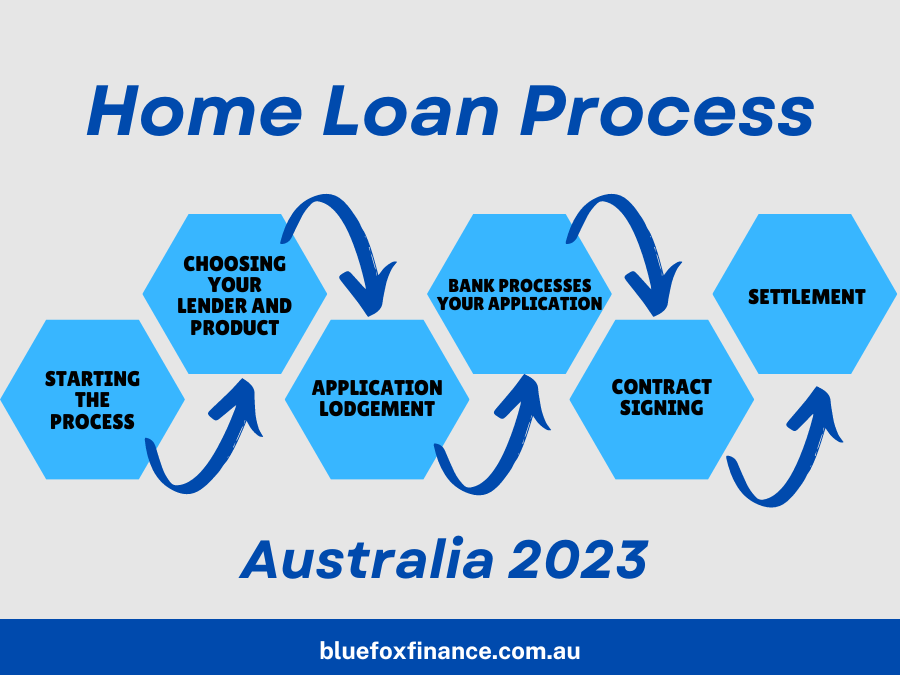
You’ve made it through the application and approval process. The finish line is in sight, but there are a few more crucial steps before you get the keys, and important considerations for managing your loan afterward.
What to Expect at Closing
Closing is the final step where you sign all the necessary documents to finalize the home purchase and the mortgage.
-
The Closing Disclosure: You’ll receive this document at least three business days before closing. It details all the final loan terms, projected monthly payments, and the exact costs you’ll pay at closing. Review it carefully and compare it to your Loan Estimate.
-
Signing Documents: You’ll sign numerous legal documents, including the promissory note (your promise to repay the loan) and the mortgage or deed of trust (giving the lender a lien on the property).
-
Paying Closing Costs: You’ll bring a certified check or wire transfer for your down payment and closing costs, minus any earnest money deposit.
-
Receiving the Keys: Once all documents are signed and funds are disbursed, the property officially becomes yours, and you’ll receive the keys!
Understanding Your Loan Servicing
After closing, your loan will be managed by a loan servicer. This might be the same company that originated your loan, or your loan might be sold to a different servicer.
-
Monthly Payments: You’ll make your payments to the loan servicer.
-
Escrow Account: If you have an escrow account (which most do, especially with less than 20% down), the servicer will collect funds for property taxes and homeowner’s insurance along with your principal and interest payment, and disburse them on your behalf.
-
Communication: Your servicer will send you annual statements, notifications of any payment changes (e.g., due to property tax reassessments), and other important loan-related information.
Post-Closing Responsibilities and Financial Health
Homeownership is an ongoing financial commitment beyond just the monthly mortgage payment.
-
Budgeting for Maintenance: Homes require regular maintenance and repairs. Set aside funds for these unexpected (and expected) costs.
-
Homeowner’s Insurance: Keep your policy active to protect your investment.
-
Property Taxes: Understand how and when your property taxes are paid (usually through escrow, but confirm).
-
Consider Refinancing: In the future, if interest rates drop significantly or your financial situation changes, you might consider refinancing your loan to get better terms.
-
Paying Extra Principal: Even small additional payments towards your principal can significantly reduce the total interest paid and shorten the loan term over time.
Securing a home loan is a significant financial undertaking, but by understanding the process, preparing diligently, and choosing wisely, you can navigate it successfully. With this guide, you are now equipped with the knowledge to confidently ask “How can I get a home loan?” and take the tangible steps towards owning your piece of the American dream.
aViewFromTheCave is a participant in the Amazon Services LLC Associates Program, an affiliate advertising program designed to provide a means for sites to earn advertising fees by advertising and linking to Amazon.com. Amazon, the Amazon logo, AmazonSupply, and the AmazonSupply logo are trademarks of Amazon.com, Inc. or its affiliates. As an Amazon Associate we earn affiliate commissions from qualifying purchases.