
In an era saturated with subscription services and premium content, the quest for “free TV” might seem like a relic of the past, a quaint notion from a bygone era of broadcast antennas and limited channels. Yet, for the financially savvy individual, the concept of free television isn’t just a fantasy; it’s a tangible goal achievable through strategic financial planning, informed consumption choices, and an understanding of the evolving entertainment landscape. This article delves into how individuals can significantly reduce or even eliminate their entertainment expenditures, transforming “free TV” from a hopeful wish into a practical reality within a sound personal finance framework.
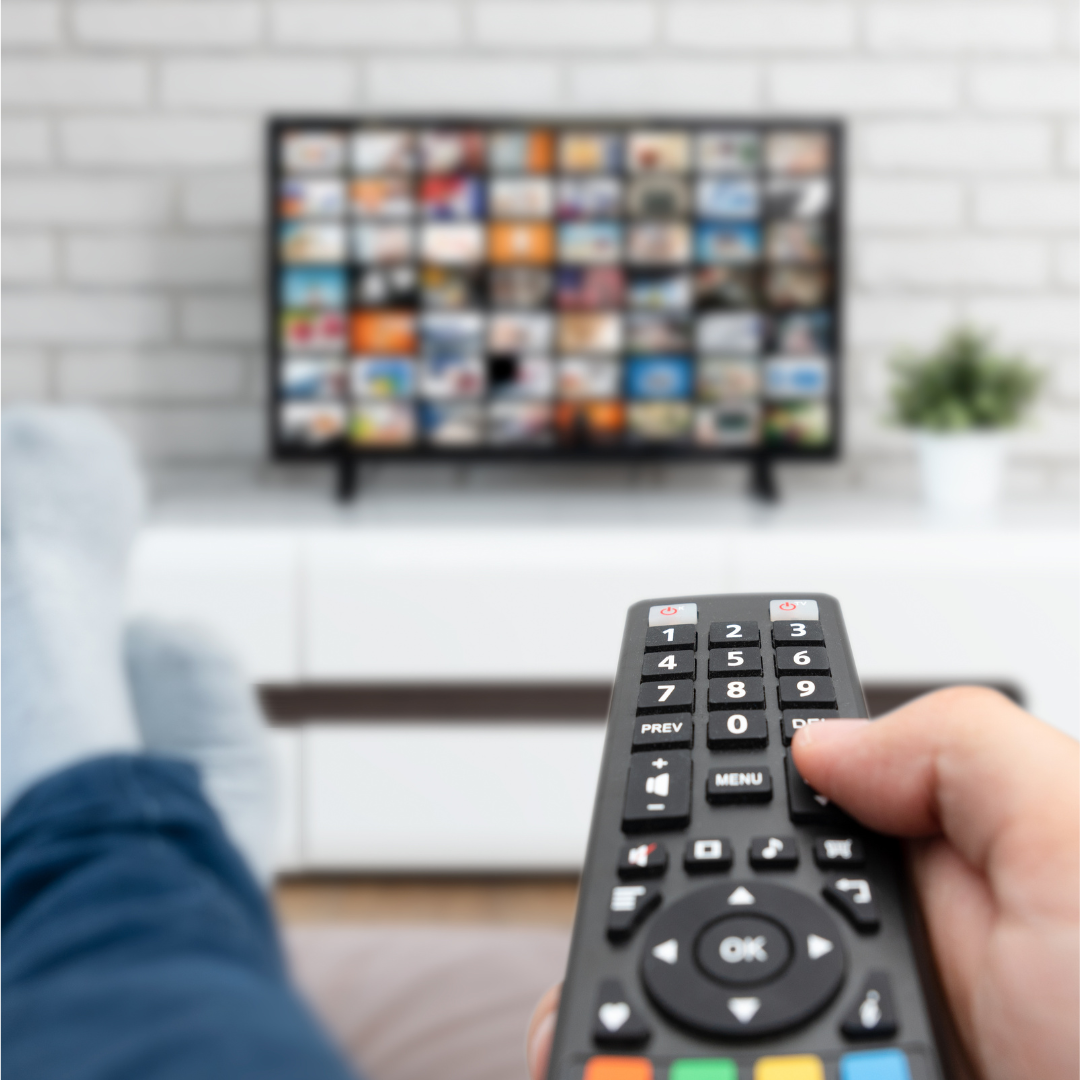
Understanding the True Cost of Modern TV Entertainment
Before we explore how to get “free TV,” it’s crucial to first understand the financial burden that traditional and even modern paid entertainment options place on household budgets. Many consumers unwittingly accumulate significant monthly expenses, often without a full appreciation of the alternatives available.
The Hidden Expenses of Cable and Satellite
For decades, cable and satellite TV packages were the default for comprehensive home entertainment. However, these services often come with a litany of hidden costs that erode financial well-being. Beyond the advertised monthly rates, consumers typically face equipment rental fees, regional sports network charges, broadcast TV surcharges, taxes, and potential installation fees. The average cable bill can easily exceed $100-$150 per month, adding up to $1,200-$1,800 annually. This substantial outlay often includes hundreds of channels that are rarely, if ever, watched, representing a significant inefficient allocation of funds. From a personal finance perspective, this is a prime example of an expense that can often be drastically reduced or cut entirely without sacrificing much, if any, real value.
Subscription Fatigue and Budget Strain
The rise of streaming services, while initially lauded for their flexibility and lower individual costs, has inadvertently led to a new phenomenon: “subscription fatigue.” Consumers, eager to access diverse content, often find themselves subscribing to multiple platforms – Netflix, Hulu, Disney+, HBO Max, Amazon Prime Video, Apple TV+, and more. Each subscription, though seemingly modest at $5-$20 per month, quickly accumulates. A household with three to five streaming services can easily spend $50-$100 monthly, effectively mirroring or even exceeding the cost of a traditional cable package, albeit with more personalized content. From a financial planning standpoint, it’s essential to regularly audit these subscriptions, questioning their necessity and usage, and identify opportunities for consolidation or elimination to alleviate budget strain.
Leveraging Free Over-the-Air (OTA) Broadcasts: The Original “Free TV”
Long before the internet, “free TV” was synonymous with over-the-air broadcasts. This original method of receiving television content remains a powerful, financially sound option for modern households, offering significant value at zero recurring cost.
The Enduring Value of Digital Antennas
For anyone seeking truly free, reliable television, a digital antenna is the first and most fundamental investment. Modern digital antennas, unlike their cumbersome analog predecessors, are sleek, affordable, and incredibly effective. They capture signals from local broadcast towers, delivering high-definition (HD) channels directly to your TV. Depending on your location and antenna quality, you can access dozens of channels, including major networks like ABC, CBS, NBC, Fox, PBS, and The CW, along with various sub-channels offering classic movies, news, and specialized programming. The beauty of this solution lies in its one-time cost – a good indoor antenna can be purchased for $20-$50, while a more powerful outdoor antenna might range from $50-$150. After this initial purchase, there are absolutely no monthly fees, making it a cornerstone of any “free TV” financial strategy.
Content Availability and Quality
The quality of OTA broadcasts is often superior to that of cable or satellite, as the signal is uncompressed. This means viewers can enjoy crystal-clear HD picture and sound for live news, sports, and prime-time shows. While OTA might not offer thousands of niche channels, it provides access to the most popular network programming, major sporting events, and local news – often the core content most households truly value. Integrating an antenna into your entertainment setup is a prudent financial decision, significantly reducing reliance on paid services for basic, yet essential, content. It acts as a financial buffer, ensuring a baseline of entertainment without dipping into monthly budgets.
Navigating Free Streaming Services and Platforms
Beyond traditional broadcasts, the digital age has ushered in a new wave of genuinely free streaming options, presenting a compelling financial alternative to paid subscriptions. These services typically leverage advertising models or public funding to deliver content without direct cost to the consumer.
Ad-Supported Free Streaming (AVOD)
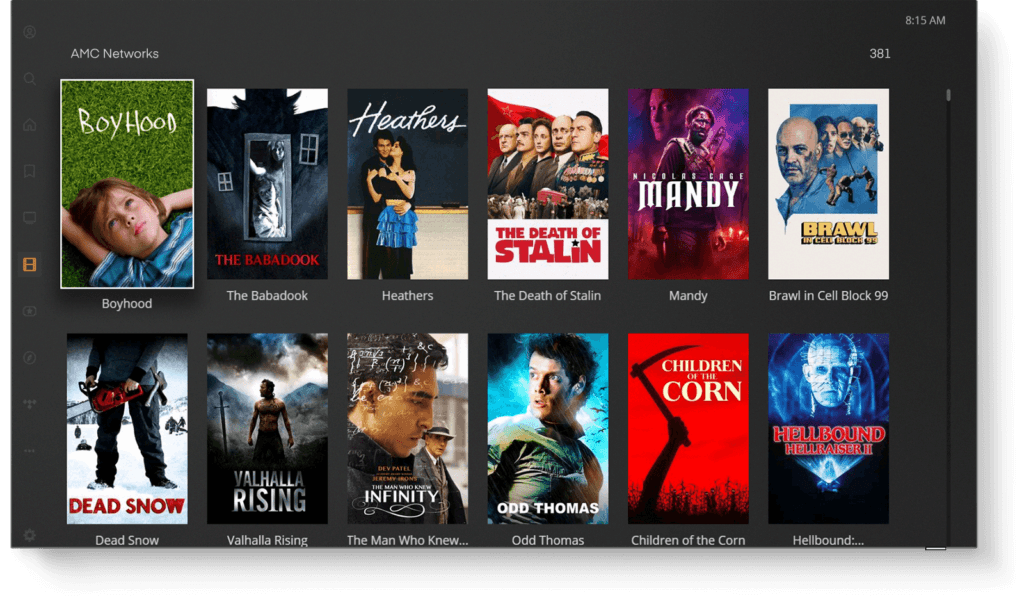
The landscape of Ad-Supported Video On Demand (AVOD) has exploded, offering an impressive array of movies, TV shows, and live channels without a subscription fee. Platforms like Pluto TV, Tubi, Freevee (formerly IMDb TV), Peacock (free tier), The Roku Channel, and Crackle provide thousands of hours of content, often including popular films, classic TV series, and even some original programming. While viewers must endure commercial breaks, similar to traditional broadcast TV, the sheer volume and diversity of content available at no cost make these services invaluable for a financially conscious household. Incorporating AVOD into your entertainment diet can dramatically reduce the perceived need for costly premium subscriptions, allowing you to reallocate those funds towards savings, debt reduction, or other financial goals. It’s a prime example of getting significant value without expenditure.
Public Domain and Library Resources
Often overlooked, public libraries are a goldmine for free entertainment. Most libraries offer extensive digital collections, allowing patrons to borrow movies, TV series, documentaries, and even e-books and audiobooks for free through apps like Kanopy, Hoopla, and OverDrive/Libby. These platforms provide access to independent films, classic cinema, educational content, and popular shows, all supported by your tax dollars. From a financial perspective, utilizing your library card for entertainment is one of the most intelligent ways to access high-quality content without any direct personal financial outlay. It transforms a community resource into a direct benefit for your personal budget.
Free Trials and Smart Rotation
While not truly “free TV” in perpetuity, strategically using free trials of premium streaming services can provide temporary access to specific content without cost. Many services offer 7-day, 14-day, or even 30-day free trials. A financially savvy approach involves planning these trials around specific shows or events you wish to watch, then canceling promptly before the billing cycle begins. Furthermore, families can adopt a “subscription rotation” strategy: subscribe to one premium service for a month or two to binge-watch desired content, then cancel and subscribe to a different service. This method ensures access to diverse premium content while significantly reducing the annual expenditure compared to maintaining multiple simultaneous subscriptions. It’s a form of disciplined financial management applied directly to entertainment.
Creative Approaches to Acquiring Free TV Devices
While much of “free TV” focuses on content, acquiring the actual “TV” (or streaming device) itself without direct purchase can also be part of a comprehensive financial strategy, especially for those setting up a new entertainment system on a tight budget.
Earning Rewards and Points
Many credit card rewards programs, loyalty programs, and online survey sites offer points or gift cards that can be redeemed for electronics, including smart TVs, streaming sticks (like Roku or Fire TV Stick), or even general retail gift cards usable at electronics stores. By strategically using a rewards credit card for everyday expenses and diligently accumulating points, or by engaging with legitimate online survey platforms, individuals can effectively “earn” their streaming hardware without spending out-of-pocket cash. This requires patience and consistency but exemplifies how careful financial planning and leveraging existing systems can yield tangible assets for free.
Second-Hand Markets and Community Giveaways
The second-hand market is a rich resource for affordable or even free electronics. Websites like Craigslist, Facebook Marketplace, and local community groups often feature listings for used TVs, particularly older models that still function perfectly well for basic viewing or as a secondary screen. Similarly, community “Buy Nothing” groups or local freecycle networks are excellent places to find items people are giving away. While there might be a need for due diligence to ensure functionality, these avenues represent significant financial savings. Acquiring a functional TV for free or at a minimal cost frees up budget that might otherwise be allocated to a new purchase, allowing it to be directed towards more critical financial priorities.
Employer Benefits and Promotions
Occasionally, employers or service providers (like internet or mobile carriers) offer promotional bundles or loyalty rewards that include free or heavily discounted streaming devices or even smart TVs. Keeping an eye on these offers, or inquiring about them, can sometimes yield unexpected benefits. For instance, signing up for a new internet package might come with a free streaming stick, or a loyalty program could offer a significant discount on a smart TV upgrade. While not always directly “free,” these situations represent a considerable reduction in cost that savvy consumers can capitalize on, aligning with a broader strategy of maximizing value and minimizing personal expenditure.
Long-Term Financial Planning for Entertainment
The goal of “free TV” isn’t merely about avoiding bills this month; it’s about embedding smart entertainment choices into a sustainable long-term financial plan. It’s about understanding the true value of your money and making intentional choices about how it’s spent, or not spent.
Budgeting for “Essential” Subscriptions
While the pursuit of “free TV” aims to minimize costs, some individuals may find one or two premium streaming services truly indispensable for specific content. In such cases, the financially responsible approach is to budget explicitly for these services. Rather than letting them be an unmonitored expense, allocate a specific, reasonable portion of your entertainment budget to them. This might mean making trade-offs elsewhere in your spending or ensuring these subscriptions are carefully chosen and regularly reviewed for their continued value. The mindset shifts from “I need this” to “I choose to allocate X dollars to this because it provides Y value,” making it an intentional financial decision.
Reinvesting Savings into Other Financial Goals
The most powerful aspect of achieving “free TV” is the financial freedom it provides. The money saved from cutting expensive cable packages and unnecessary streaming subscriptions isn’t just “extra cash”; it’s capital that can be strategically reinvested into your financial future. Imagine saving $100 per month on entertainment – that’s $1,200 a year. This sum could be directed towards an emergency fund, accelerating debt repayment (e.g., student loans or credit card balances), contributing to a retirement account, or funding a down payment on a house. By consciously reallocating these savings, “free TV” directly contributes to building wealth and achieving broader financial independence.
The True Value of “Free” Entertainment
Ultimately, the value of “free TV” extends beyond just monetary savings. It fosters a mindset of resourcefulness, mindful consumption, and an appreciation for content without the burden of constant expenditure. It encourages individuals to explore diverse entertainment options, from local broadcasts and library resources to ad-supported streaming, without compromising on quality or choice. In a world that constantly pushes consumption, embracing free entertainment is a powerful act of financial empowerment, demonstrating that a rich and satisfying media experience doesn’t have to come at a premium price.
Achieving “free TV” is not about deprivation; it’s about intelligent financial management, understanding the market, and making deliberate choices that align with your personal financial goals. By leveraging antennas, free streaming services, community resources, and smart acquisition strategies for devices, individuals can unlock a vast world of entertainment without the ongoing financial drain of traditional paid services. This not only frees up significant portions of their budget but also empowers them to take greater control over their financial destiny, proving that sometimes, the best things in life – and on TV – really are free.
aViewFromTheCave is a participant in the Amazon Services LLC Associates Program, an affiliate advertising program designed to provide a means for sites to earn advertising fees by advertising and linking to Amazon.com. Amazon, the Amazon logo, AmazonSupply, and the AmazonSupply logo are trademarks of Amazon.com, Inc. or its affiliates. As an Amazon Associate we earn affiliate commissions from qualifying purchases.