
Compound interest, often hailed as the “eighth wonder of the world” by Albert Einstein, is a powerful financial principle that can dramatically accelerate your wealth accumulation over time. Unlike simple interest, which is calculated only on the principal amount, compound interest is calculated on the initial principal and on all the accumulated interest from previous periods. This creates a snowball effect, where your money starts earning money, and then that money starts earning even more money, leading to exponential growth. Understanding how to harness this force is fundamental to achieving long-term financial security and prosperity. This article delves into the core mechanisms of compound interest, explores various avenues through which you can benefit from it, and outlines strategies to maximize its potential for your financial future.
1. Understanding the Foundation: What is Compound Interest?
To effectively leverage compound interest, it’s crucial to grasp its fundamental mechanics and distinguish it from other forms of interest. This foundational understanding will empower you to make informed financial decisions.
What Exactly Is Compound Interest?
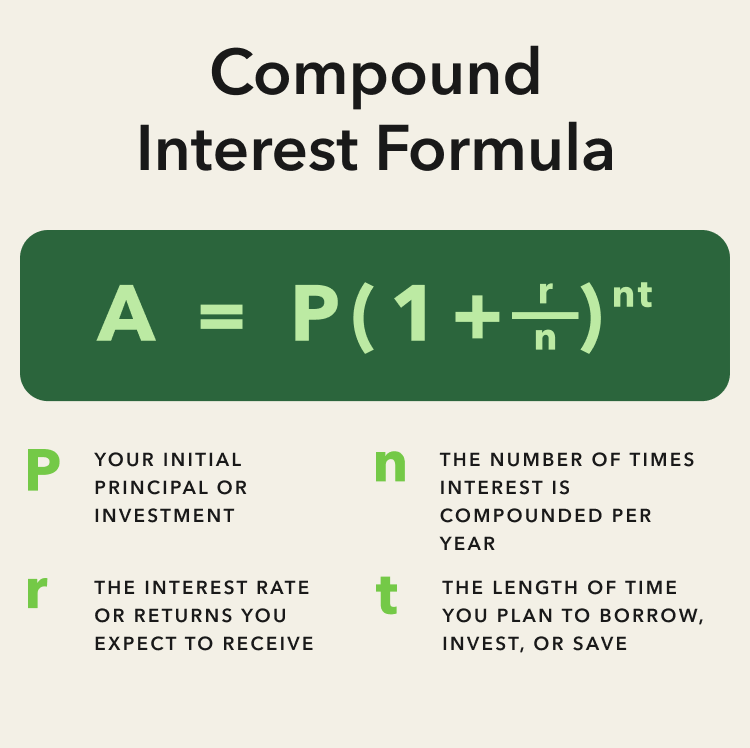
At its heart, compound interest is the interest on interest. Imagine you invest $1,000 at a 5% annual interest rate.
-
Year 1: You earn $50 ($1,000 * 0.05). Your total is now $1,050.
-
Year 2: Instead of earning another $50 on the original $1,000, you now earn interest on $1,050. So, you earn $52.50 ($1,050 * 0.05). Your total becomes $1,102.50.
-
Year 3: You earn interest on $1,102.50, which is $55.13. Your total rises to $1,157.63.
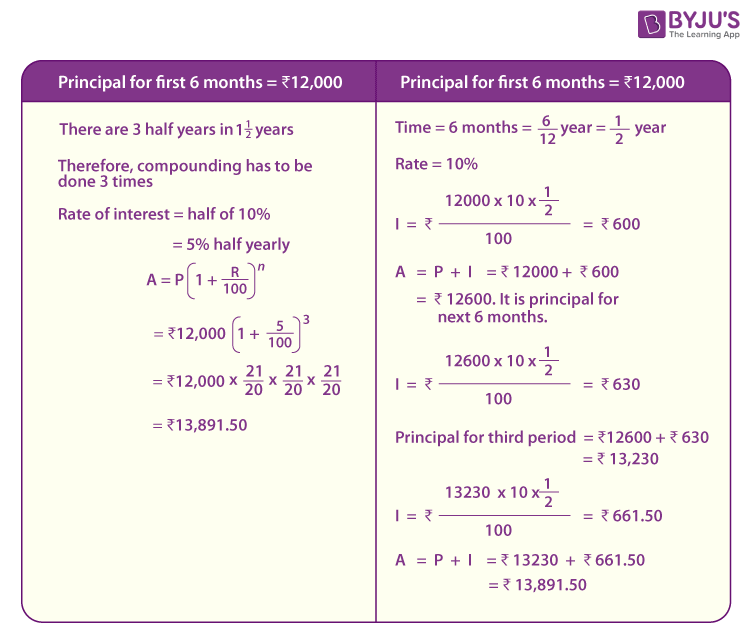
This iterative process, where your earnings are reinvested to generate further earnings, is what defines compounding. The more frequently interest is compounded (e.g., monthly, quarterly, annually), the faster your money grows, assuming the same annual interest rate.
Simple vs. Compound Interest: A Crucial Distinction
The contrast between simple and compound interest is vital.
-
Simple Interest: Interest is calculated only on the original principal amount. For our $1,000 example at 5% for 3 years, simple interest would yield $50 each year, totaling $150. Your final balance would be $1,150.
-
Compound Interest: As shown above, the balance grew to $1,157.63, an extra $7.63. While seemingly small in the short term, this difference escalates dramatically over longer periods and with larger sums. For instance, over 30 years, the difference could be tens or hundreds of thousands of dollars. Always seek out opportunities for compound interest, as it is the engine for significant wealth creation.
The Power of Time, Rate, and Contributions: Key Variables
Three primary factors dictate the effectiveness of compound interest:
-
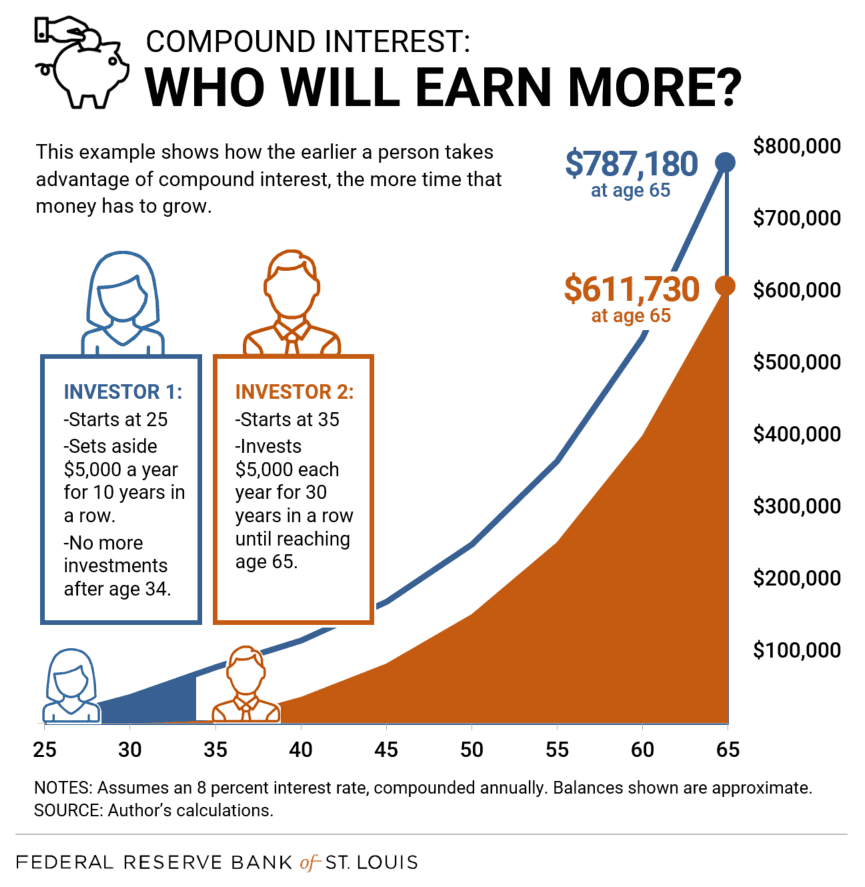
Time: The longer your money has to compound, the greater the growth. Even small amounts invested early can outperform larger amounts invested later due to the extended compounding period. This highlights the immense value of starting early.
-
Interest Rate (Rate of Return): A higher interest rate or rate of return will naturally lead to faster and more substantial growth. Finding investments with competitive, yet realistic, returns is critical.
-
Principal (Initial Investment & Regular Contributions): The more money you initially invest and consistently contribute, the larger the base for compounding, thus accelerating the growth of your wealth. Regular, disciplined contributions are often more impactful than a single large initial sum.
2. Key Avenues to Put Your Money to Work
Compound interest isn’t limited to a single type of account; it’s a principle applied across various financial products and investment vehicles. Understanding where you can earn compound interest is the first step toward building your wealth.
High-Yield Savings Accounts (HYSAs) and Certificates of Deposit (CDs)
For lower-risk, more liquid options, HYSAs and CDs are excellent starting points.
-
High-Yield Savings Accounts: These accounts typically offer significantly higher interest rates than traditional savings accounts, often compounding monthly. While their rates might not match market investments, they provide a safe place for emergency funds and short-term savings, ensuring your money is still growing.
-
Certificates of Deposit (CDs): CDs offer a fixed interest rate for a predetermined period (e.g., 6 months, 1 year, 5 years). The interest often compounds periodically and is paid out or reinvested at the end of the term. CDs usually offer higher rates than HYSAs in exchange for locking up your money for the duration of the term, making them suitable for funds you won’t need immediate access to.
Investing in the Stock Market: ETFs, Mutual Funds, and Individual Stocks
The stock market is perhaps the most prominent arena for generating substantial compounded returns, albeit with higher risk.
-
Exchange-Traded Funds (ETFs) and Mutual Funds: These are diversified portfolios of stocks, bonds, or other assets. When you invest in them, you own a small piece of many companies. The returns come from capital appreciation (the fund’s value increases) and dividends (payments from the companies within the fund). If these dividends are reinvested, they buy more shares, creating a compounding effect.
-
Individual Stocks: Investing directly in individual company stocks offers the potential for higher returns but also greater risk. Capital gains (selling shares for more than you bought them) and reinvested dividends are the primary sources of compounding here. For most individuals, diversified funds are a more prudent approach to harnessing market-driven compound interest.
Retirement Accounts: 401(k)s and IRAs
These tax-advantaged accounts are specifically designed to facilitate long-term wealth growth through compounding for retirement.
-
401(k)s (Employer-Sponsored): Many employers offer matching contributions, which is essentially free money that immediately starts compounding. Contributions are often pre-tax, lowering your current taxable income, and your investments grow tax-deferred until retirement. Reinvesting any dividends or capital gains within the 401(k) further amplifies compounding.
-
Individual Retirement Accounts (IRAs): Both Traditional and Roth IRAs allow you to invest a set amount annually. Traditional IRA contributions might be tax-deductible, with tax-deferred growth. Roth IRA contributions are made with after-tax money, but qualified withdrawals in retirement are entirely tax-free. Both types are powerful vehicles for compounding due to their long-term nature and tax benefits.
Real Estate Investments
Real estate offers another pathway to compounded wealth, though it typically requires more capital and hands-on management.
-
Rental Properties: When you own rental properties, the rental income can be used to pay down the mortgage, cover expenses, and ideally generate a profit. This profit can be reinvested into other properties, renovations that increase value, or other investments, creating a compounding effect. Property value appreciation over time also compounds, as your asset grows in value.
-
Real Estate Investment Trusts (REITs): For those who want real estate exposure without direct property ownership, REITs are companies that own, operate, or finance income-producing real estate. You can invest in REITs through the stock market, and they often pay high dividends, which can be reinvested to buy more REIT shares, driving compound growth.
3. Strategic Approaches to Accelerate Compounding
Simply having an account that offers compound interest isn’t enough; strategic actions are necessary to truly unleash its full potential.
Start Early: The Indisputable Time Advantage
The single most powerful factor in compounding is time. Due to the exponential nature of compound interest, money invested earlier has significantly more time to grow and earn interest on interest. Even small amounts invested in your 20s can far surpass larger sums invested in your 40s or 50s. The concept of “future value” clearly demonstrates how every year lost is a year of compounding growth forgone. Prioritizing early investment is perhaps the most impactful financial decision you can make.
Consistent Contributions: The Power of Regularity
While time works its magic, consistent contributions significantly boost your compounding journey. Regularly adding to your investments—whether monthly or bi-weekly—increases your principal amount, providing a larger base for interest to be calculated on. This strategy, often called “dollar-cost averaging” in investing, also helps mitigate market volatility by spreading out your purchases over time. Automating these contributions ensures discipline and consistency, making saving and investing a habit rather than a sporadic effort.
Reinvesting Returns: Keeping the Snowball Rolling
To truly maximize compound interest, it’s crucial to reinvest any returns you receive, such as dividends from stocks or interest from savings accounts. If you take these earnings out, you break the compounding chain. Many investment platforms and funds offer dividend reinvestment plans (DRIPs), which automatically use your dividend payouts to purchase more shares of the same investment. This ensures that every dollar earned immediately goes back to work, buying more assets that will, in turn, generate more earnings, keeping the compounding snowball growing larger.
Minimizing Fees and Taxes: Protecting Your Growth
Fees and taxes are silent but significant erosions of your compounded returns.
-
Fees: High management fees for funds, trading commissions, or administrative charges can eat into your profits. Opt for low-cost index funds or ETFs where possible, and be mindful of transaction fees. Even a small percentage point difference in fees can translate to tens of thousands of dollars lost over decades.
-
Taxes: Understand the tax implications of your investments. Tax-advantaged accounts like 401(k)s, IRAs, and Health Savings Accounts (HSAs) allow your investments to grow tax-deferred or even tax-free, protecting your compounded gains from annual taxation. Strategic tax planning can significantly enhance your net returns.
Diversification: Balancing Risk and Return
While not directly “getting” compound interest, diversification is a critical strategy to protect your compounding growth. By spreading your investments across various asset classes (stocks, bonds, real estate), industries, and geographies, you reduce the risk of a single investment performing poorly and derailing your overall portfolio. A well-diversified portfolio helps ensure that while some parts might underperform, others might overperform, maintaining consistent growth and allowing the power of compounding to continue uninterrupted across your entire asset base.
4. Navigating the Path: Challenges and Best Practices
While the allure of compound interest is strong, the journey is not without its hurdles. Awareness of these challenges and adherence to best practices can help maintain your momentum.
Inflation: The Silent Eroder of Returns
Inflation, the general increase in prices and fall in the purchasing value of money, is a silent threat to compounded returns. If your investment returns barely keep pace with inflation, your real (purchasing power) growth is minimal. It’s essential to seek investments that offer returns above the rate of inflation to ensure your wealth is truly growing. This often means embracing some level of market-based risk, as cash accounts rarely beat inflation over the long term.
Market Volatility: Staying Course During Downturns
Investment markets are inherently volatile, experiencing ups and downs. Seeing your portfolio value decrease during a downturn can be unsettling, tempting you to sell off investments. However, one of the biggest mistakes investors make is reacting emotionally to market fluctuations. Successful long-term compounding requires patience and discipline. Market downturns are often opportunities to buy more assets at lower prices. Staying invested, continuing regular contributions, and focusing on your long-term goals allow compound interest to work its magic over decades, smoothing out the short-term bumps.
Avoiding Lifestyle Creep: Freeing Up More Capital
As your income grows, it’s common for expenses to increase proportionally, a phenomenon known as lifestyle creep. While enjoying the fruits of your labor is important, uncontrolled lifestyle creep can hinder your ability to save and invest more. To maximize compounding, prioritize increasing your savings rate as your income rises. Every extra dollar you can invest today is a dollar that can compound for years or decades, making a significant difference to your future wealth. Maintaining a conscious balance between enjoying your present and investing in your future is key.
Compound interest is not merely an academic concept; it’s a practical and accessible tool for anyone looking to build substantial wealth. By understanding its mechanics, identifying the right investment avenues, implementing smart strategies, and staying disciplined through challenges, you can put your money to work and watch it grow exponentially over time. The journey to financial independence is often a marathon, not a sprint, and compound interest is the engine that propels you steadily towards the finish line. Start early, stay consistent, and let time work its wonders.
aViewFromTheCave is a participant in the Amazon Services LLC Associates Program, an affiliate advertising program designed to provide a means for sites to earn advertising fees by advertising and linking to Amazon.com. Amazon, the Amazon logo, AmazonSupply, and the AmazonSupply logo are trademarks of Amazon.com, Inc. or its affiliates. As an Amazon Associate we earn affiliate commissions from qualifying purchases.