
Car insurance is a fundamental aspect of responsible vehicle ownership, offering essential protection against unforeseen events on the road. However, for many, it represents a significant recurring expense that can strain personal budgets. The quest for cheaper car insurance isn’t about compromising on necessary coverage but rather about understanding the intricate factors that influence premiums and employing strategic financial decisions to secure the best possible rates. This comprehensive guide delves into actionable strategies, financial insights, and policy considerations to help you significantly reduce your car insurance costs without sacrificing peace of mind.
Understanding the Financial Levers Behind Your Premiums
Before embarking on the journey to reduce your car insurance costs, it’s crucial to understand the various financial and personal factors that insurers use to calculate your premiums. These elements collectively paint a risk profile that directly translates into the price you pay.
Personal Information and Driving History
Your personal details play a significant role in risk assessment. Age, for instance, is a major factor, with younger, less experienced drivers typically facing higher premiums. Your driving record is paramount; a history of accidents, traffic violations, or DUIs will invariably lead to increased costs. Insurers view these as indicators of higher risk. Similarly, your location impacts rates due to varying population densities, accident rates, vehicle theft statistics, and even the cost of repairs in that area. Maintaining a clean driving record and living in a lower-risk zip code can financially benefit you.
Vehicle Details and Usage
The type of car you drive has a direct bearing on your premium. High-performance, luxury, or frequently stolen vehicles often come with steeper insurance costs because they are more expensive to repair or replace. Conversely, vehicles with advanced safety features (like automatic emergency braking, lane-keeping assist, and robust airbags) may qualify for discounts as they reduce the likelihood or severity of accidents. Your annual mileage also matters; driving less reduces your exposure to risk, potentially leading to lower rates. Insurers often inquire about how you use your car (e.g., commuting, pleasure, business), with higher-mileage commuting typically incurring higher costs.
Coverage Choices and Deductibles
The specific coverages you choose, and the limits you set, are critical financial drivers. Liability coverage, which is legally mandated in most places, protects you financially if you cause an accident. Comprehensive coverage protects against non-collision events like theft, vandalism, or natural disasters, while collision coverage pays for damage to your own vehicle in an accident. Increasing your deductible – the amount you pay out-of-pocket before your insurance kicks in – is a common strategy to lower premiums. While it reduces your immediate cost, it means you take on more financial responsibility in the event of a claim, a trade-off that requires careful consideration of your emergency savings.
Proactive Strategies to Slash Your Insurance Bills
Reducing car insurance isn’t merely about finding a deal; it involves a series of proactive financial behaviors and strategic decisions that can collectively lead to substantial savings over time.
Shop Around and Compare Quotes Regularly
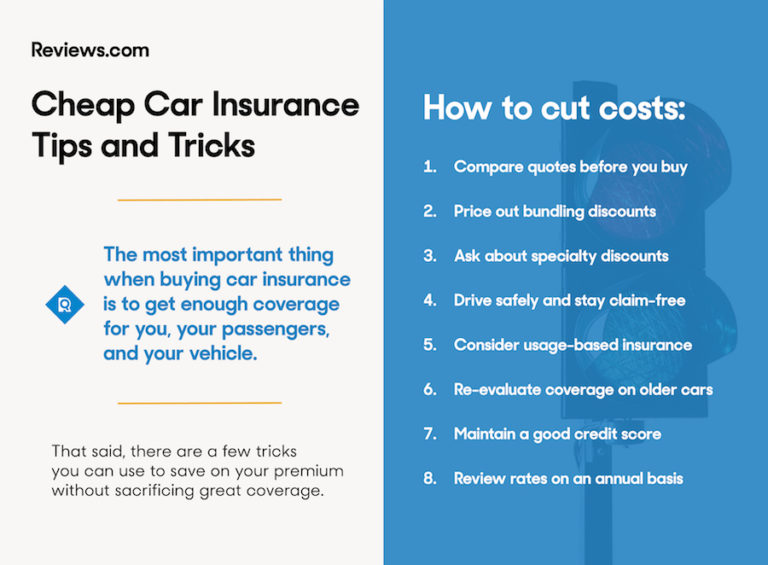
This is perhaps the most impactful strategy. Insurance companies use different proprietary algorithms to assess risk and set prices, meaning premiums for the exact same coverage can vary significantly from one provider to another. Don’t simply renew with your current insurer out of habit. Make it a practice to obtain quotes from at least three to five different insurance companies (including direct insurers and those through independent agents) every 6-12 months, or whenever your policy is up for renewal. Online comparison tools can simplify this process, offering a quick way to gauge the market. This financial discipline ensures you’re always getting a competitive rate.
Bundle Your Insurance Policies
Many insurance companies offer multi-policy discounts when you purchase more than one type of insurance from them. Bundling your car insurance with your homeowner’s, renter’s, or even life insurance policy can lead to significant savings on all policies. This financial incentive is a win-win: the insurer gains more of your business, and you benefit from lower overall premiums. Always inquire about bundling options when obtaining quotes.
Improve Your Driving Record and Maintain Good Credit
Your driving record is a direct reflection of your risk profile. Avoiding accidents and traffic violations over time will eventually lead to lower premiums as insurers see you as a safer bet. Many companies offer “safe driver” or “accident-free” discounts that accrue over years. Beyond driving habits, your credit score can also influence your insurance rates in many states. Insurers often use credit-based insurance scores as a predictor of future claims. Maintaining a good credit history demonstrates financial responsibility, which is often correlated with lower insurance risk and, consequently, lower premiums.
Enhance Vehicle Security and Safety Features
Investing in anti-theft devices (car alarms, immobilizers, GPS tracking systems) can lead to discounts from your insurer because they reduce the risk of your vehicle being stolen or recovered. Similarly, if your vehicle is equipped with modern safety features like anti-lock brakes, electronic stability control, or advanced driver-assistance systems (ADAS), ensure your insurer is aware, as these can also qualify for discounts by mitigating accident risks. Financially, these investments can pay for themselves through reduced premiums over time.
Leveraging Discounts and Specialized Programs
Beyond the broader strategies, a myriad of specific discounts and programs exist that can provide direct financial relief on your car insurance premiums. It pays to be diligent in asking about every possible saving opportunity.
Driver-Specific and Vehicle-Specific Discounts
Discounts are plentiful and often overlooked. For drivers, good student discounts are available for young drivers with strong academic performance, recognizing their responsibility. Defensive driving course discounts reward those who proactively enhance their driving skills. Some insurers offer discounts for seniors, government employees, or members of certain professional organizations. For vehicles, new car discounts, low-mileage discounts (for those who drive below a certain annual threshold), and discounts for cars with certain safety features are common. Always provide a comprehensive overview of your driving habits and vehicle features to your agent or online application.
Loyalty, Payment, and Telematics Programs
Loyalty discounts are often given to long-term customers, rewarding their continued business. How you pay can also affect your premiums: paying your policy in full annually often earns a discount compared to monthly installments, as it reduces administrative costs for the insurer. Setting up automatic payments (auto-pay) can also sometimes yield a small discount. Perhaps one of the most significant modern discount opportunities comes from telematics programs, also known as usage-based insurance (UBI). These programs involve installing a device in your car or using a mobile app that monitors your driving habits (speed, braking, mileage, time of day driven). Safe drivers can receive substantial discounts, sometimes up to 30% or more, for demonstrating low-risk behavior.
Optimizing Your Coverage for Cost-Effectiveness
While the desire for cheaper insurance is understandable, it’s paramount to ensure you retain adequate coverage. Optimizing your policy involves a careful balance between financial savings and comprehensive protection.
Review Your Deductibles Strategically
As mentioned, increasing your deductible directly lowers your premium. However, this is a financial decision that should align with your emergency fund. If you can comfortably afford a $1,000 or $1,500 deductible out-of-pocket in the event of an accident, opting for a higher deductible can lead to significant savings. Conversely, if your savings are limited, a lower deductible might be a wiser financial choice, even with a slightly higher premium, to avoid a major financial strain during a claim. Re-evaluate this choice periodically based on your financial situation.
Re-evaluate Comprehensive and Collision Coverage on Older Vehicles
For older cars that have significantly depreciated in value, the cost of comprehensive and collision coverage might outweigh the potential payout in the event of a total loss. If your car is only worth a few thousand dollars, paying hundreds of dollars annually for these coverages might not be financially prudent. Calculate the maximum potential payout you could receive (the actual cash value of your car) and compare it to the annual premium for these coverages plus your deductible. If the numbers don’t add up, it might be time to drop these optional coverages, but only if you are prepared to cover the full cost of repairs or replacement yourself.
Understand State Minimums vs. Optimal Protection
While all states mandate minimum liability coverage, these minimums are often insufficient to fully cover the costs of a serious accident, especially if injuries or significant property damage are involved. Relying solely on state minimums can leave you financially vulnerable, potentially exposing your assets if a claim exceeds your coverage limits. While increasing your liability limits will raise your premium, it’s often a financially sound decision to protect your long-term financial stability. Consult with a financial advisor or insurance professional to determine adequate coverage levels based on your assets and risk tolerance.
Long-Term Financial Habits for Sustainable Savings
Achieving and maintaining cheaper car insurance rates isn’t a one-time fix but rather an ongoing process rooted in sound financial habits and vigilance.
Maintain Good Credit
Consistently managing your finances responsibly, including making timely payments on all debts and keeping credit utilization low, contributes to a strong credit score. As noted, a good credit score can positively influence your insurance rates in many regions. View your credit health as an integral part of your financial planning for insurance savings.
Conduct Regular Policy Reviews
Life changes, market conditions, and personal circumstances evolve, and so should your insurance policy. Make it a habit to review your policy annually with your insurer or an independent agent. Discuss any changes in your vehicle usage, new safety features, life events (like marriage or moving), or improvements in your driving record. These reviews ensure your coverage remains appropriate and that you’re capitalizing on all eligible discounts.

Be Aware of Life Changes
Significant life events can impact your insurance needs and rates. Getting married, for instance, often leads to lower premiums as married individuals are statistically considered lower risk. Moving to a new zip code will almost certainly change your rates. Adding a new driver (especially a young one) or purchasing a new vehicle will require adjustments to your policy. Proactively communicating these changes to your insurer allows them to accurately assess your risk and ensure you’re adequately covered while potentially adjusting your rates for better or worse.
In conclusion, securing cheaper car insurance is a multi-faceted financial endeavor that requires understanding policy mechanics, proactive shopping, leveraging discounts, and maintaining responsible financial and driving habits. By adopting these strategies, you can transform a significant expense into a manageable one, ensuring both financial security and peace of mind on the road.
aViewFromTheCave is a participant in the Amazon Services LLC Associates Program, an affiliate advertising program designed to provide a means for sites to earn advertising fees by advertising and linking to Amazon.com. Amazon, the Amazon logo, AmazonSupply, and the AmazonSupply logo are trademarks of Amazon.com, Inc. or its affiliates. As an Amazon Associate we earn affiliate commissions from qualifying purchases.