
The Multiple Listing Service (MLS) is often described as the “holy grail” of real estate data. For investors, entrepreneurs, and those looking to build a side hustle in property management or wholesaling, gaining access to this database is more than a matter of curiosity—it is a strategic financial move. In an industry where information is the primary currency, having real-time, verified data on property listings, historical sales, and market trends can mean the difference between a high-yield investment and a costly financial blunder. Understanding how to navigate the barriers to entry for the MLS is essential for anyone looking to professionalize their approach to real estate finance.
The Financial Utility of MLS Access for Investors
For the average consumer, public-facing sites like Zillow or Redfin provide a glimpse into the housing market. However, for a professional focused on wealth accumulation and portfolio growth, these platforms are often insufficient. They operate on delayed feeds and lack the granular financial data required for serious analysis. Direct MLS access provides a distinct edge in three critical areas: accuracy, speed, and depth of information.
Real-Time Data and Market Accuracy
In a volatile economy, market conditions change in hours, not days. The MLS is the primary source of truth; public sites are secondary mirrors. When a property goes under contract or a price is reduced, the MLS reflects that change instantly. For an investor looking to capitalize on a price drop, a two-hour delay on a public aggregator could mean missing out on a deal. Accessing the MLS allows you to see the “Days on Market” (DOM) accurately, which is a vital metric for negotiating power. A property that has been sitting for 90 days is a different financial prospect than one listed for three, and the MLS provides the exact history of those listings.
Comparative Market Analysis (CMA) for Maximum Profit
The most powerful tool within the MLS is the ability to run a Comparative Market Analysis. Unlike automated valuation models, a manual CMA allows an investor to look at “solds”—properties that have actually closed—within a specific radius. This data includes the final sale price, any seller concessions (such as the seller paying the buyer’s closing costs), and the original list price. This level of transparency is vital when calculating the After Repair Value (ARV) of a fix-and-flip project. Without it, you are essentially guessing on your exit strategy, which is a high-risk approach to business finance.
Traditional Pathways to Direct MLS Access
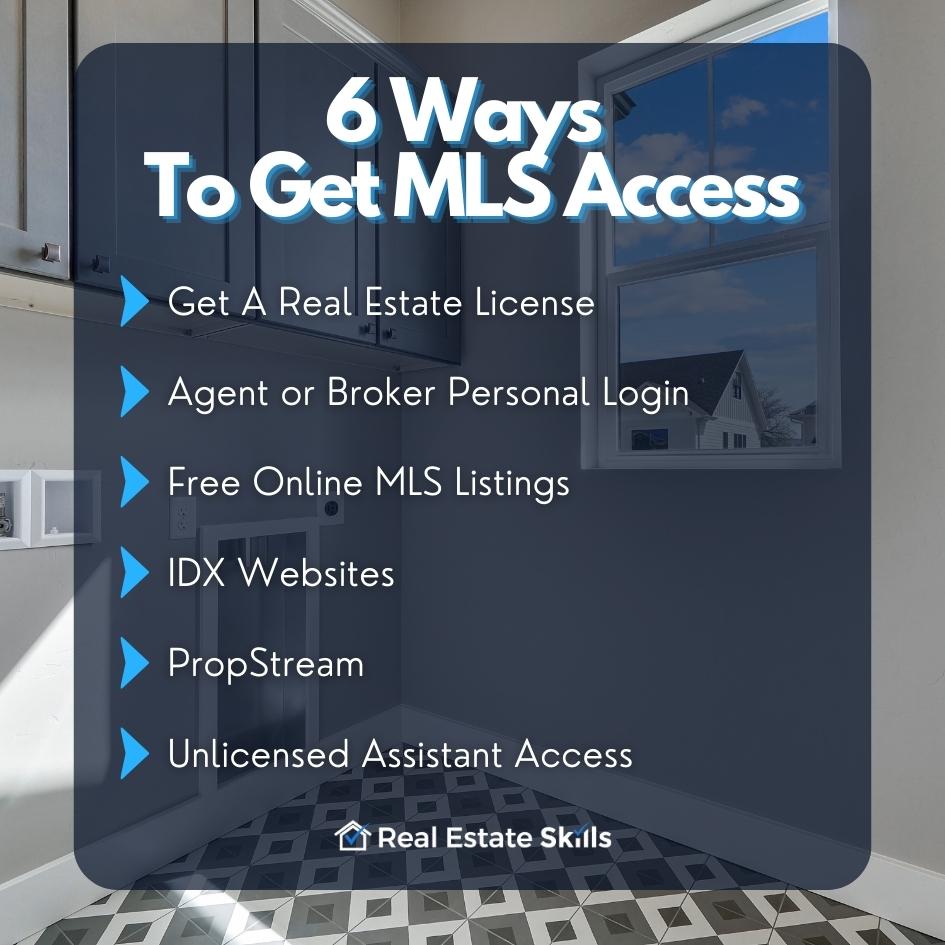
The most straightforward way to gain access to the MLS is to become a licensed real estate professional. While this requires an upfront investment of time and capital, it serves as a foundational step for those looking to turn real estate into a primary income stream or a highly profitable side hustle.
Obtaining a Real Estate License
To get direct access, you typically need to pass a state-accredited real estate course and a licensing exam. Once licensed, you must hang your license with a broker who is a member of a local MLS board. From a financial perspective, this involves several layers of costs:
-
Pre-licensing Education: Usually ranging from $200 to $600 depending on the state.
-
Exam and Licensing Fees: Often between $100 and $300.
-
Brokerage Fees: Many brokers charge a monthly “desk fee” or a split of your commissions.
-
Board Dues and MLS Subscription: These are recurring costs, often totaling $500 to $1,500 annually.
While these costs might seem like a barrier, they are tax-deductible business expenses. For an active investor, the commission saved on a single purchase (typically 2.5% to 3% of the purchase price) can more than cover the annual cost of maintaining a license and MLS access.
Partnering with a Licensed Professional
If the time commitment of a license is too high, the next best financial move is a strategic partnership. This isn’t just about asking a friend who is an agent to “send you some listings.” It’s about creating a business arrangement where the agent provides you with “auto-emails” from the MLS based on your specific criteria. In exchange, you commit to using them as your representative for your acquisitions. This leverages their access for your financial gain while ensuring they are compensated through commissions, creating a symbiotic business relationship.
Alternative Entry Points for the Real Estate Entrepreneur
Not everyone wants to be an agent, but many still need the data. There are several professional workarounds that allow for a degree of MLS access without the full burden of a real estate license.
Licensed Assistant Access
In many jurisdictions, real estate agents can hire unlicensed or licensed assistants. A licensed assistant often gains their own login credentials to the MLS under the umbrella of the lead agent or the brokerage. For a person looking to learn the business while gaining data access, working as an assistant for a high-volume producer is a masterclass in real estate finance. You gain the ability to run reports, view private agent remarks (which often contain crucial details about property condition or seller motivation), and understand the backend of the market—all while earning an hourly wage or a salary.
Leveraging Third-Party Professional Tools
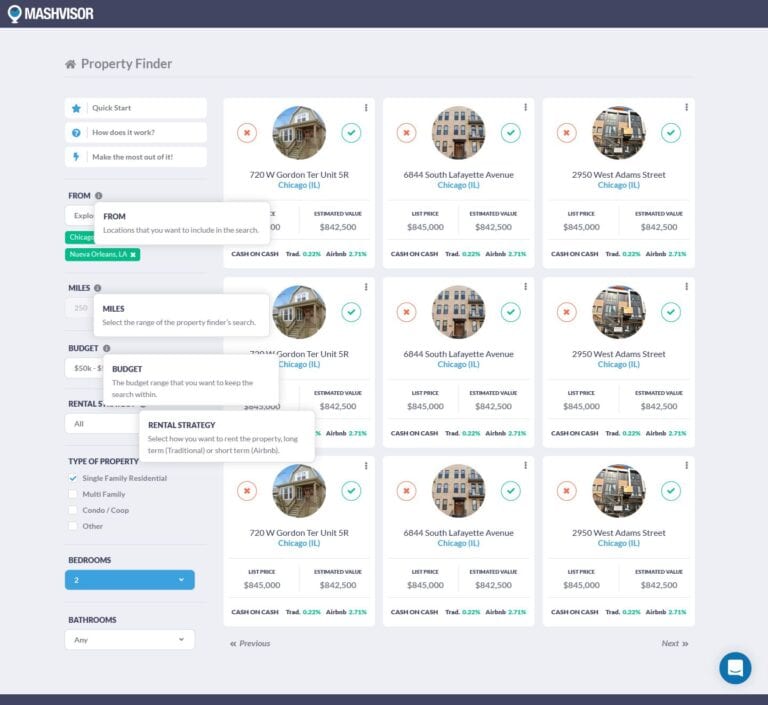
The rise of “PropTech” has created a middle ground. Companies like PropStream, Privy, and BatchLeads aggregate data from the MLS and public records to provide a professional-grade interface for investors. While these are not “direct” MLS access, they provide many of the same features, such as the ability to see cash buyers, liens, pre-foreclosures, and detailed “comps.” From a side-hustle perspective, paying a monthly subscription of $100 for these tools is often more cost-effective than the full overhead of a real estate license, especially for those in the beginning stages of their investing career.
Flat-Fee Listing Services
For those who are selling property, a “Flat-Fee MLS” service is a tactical financial tool. Instead of paying a full 6% commission, you pay a one-time fee (usually $300 to $500) to a broker who enters your property into the MLS. While this doesn’t give you a login to browse other listings, it gives your asset the necessary exposure to the professional market. This is a common strategy used by “For Sale By Owner” (FSBO) sellers who understand that the MLS is where the buyers’ agents are looking.
Cost-Benefit Analysis: Is Direct Access Worth the Investment?
When deciding how to access the MLS, one must perform a strict ROI (Return on Investment) calculation. The “Money” aspect of this decision hinges on your projected volume of transactions.
The Threshold of Profitability
If you plan to buy or sell more than two properties a year, the financial case for obtaining a license and direct MLS access is nearly undeniable. On a $400,000 home, the buyer’s agent commission is roughly $12,000. By holding your own license, you can often collect that commission yourself (depending on your brokerage agreement), turning a cost into a revenue stream. Even after paying for your annual dues and insurance, you could net an additional $10,000 per transaction.
Conversely, if you are a passive investor looking for a single rental property every few years, the $2,000+ in annual fees and the dozens of hours required for continuing education represent a poor use of capital. In this scenario, the “partner” model or a third-party data tool is the superior financial choice.
Hidden Costs: Time and Liability
Beyond the monetary fees, one must account for the “opportunity cost” of your time. Maintaining a license involves continuing education (CE) credits and staying compliant with state laws. There is also the matter of Errors and Omissions (E&O) insurance. From a risk management perspective, as a licensed professional, you are held to a higher ethical and legal standard. If a deal goes sour, you have more personal and professional liability than a standard consumer. This “risk premium” must be factored into your financial planning.
Strategic Use of MLS Data for Business Growth
Once you have secured access, the focus shifts to how you leverage that data to scale your income. The MLS is a database, but in the hands of a savvy investor, it is a lead-generation engine.
Identifying Off-Market Opportunities Through Expired Listings
One of the most lucrative side hustles in real estate is targeting “expired listings.” When a property’s contract with an agent ends without a sale, it is flagged as “Expired” in the MLS. These sellers are often frustrated but still motivated. With MLS access, you can see the history of the listing, why it didn’t sell (e.g., poor photos, overpriced, or financing falling through), and contact the owner to offer a creative financing solution or a direct cash buy. This allows you to find deals that aren’t visible to the general public on Zillow.
Tracking Institutional and Cash Buyer Trends
The MLS allows you to see who is buying what. By filtering for “cash” sales in specific zip codes, you can identify the major institutional players and local “flippers” in your market. This information is invaluable for wholesalers. If you know that a certain investment group is buying every 3-bedroom ranch in a specific area for $250,000, you have identified your “buy box.” You can then focus your marketing dollars on finding properties below that price point, knowing you have a guaranteed exit strategy.
In conclusion, getting access to the MLS is not merely a technical step; it is a significant business decision that impacts your financial trajectory. Whether you choose the path of full licensure, partnership, or high-end data tools, the goal remains the same: to move from a position of information asymmetry to one of market dominance. In the world of real estate and personal finance, those who own the data own the market.
aViewFromTheCave is a participant in the Amazon Services LLC Associates Program, an affiliate advertising program designed to provide a means for sites to earn advertising fees by advertising and linking to Amazon.com. Amazon, the Amazon logo, AmazonSupply, and the AmazonSupply logo are trademarks of Amazon.com, Inc. or its affiliates. As an Amazon Associate we earn affiliate commissions from qualifying purchases.