
In the intricate world of personal finance, a voided check might seem like a relic from a bygone era, yet it remains a crucial document for a surprising array of essential transactions. Whether you’re setting up direct deposit for your new job, establishing automatic bill payments, or linking financial accounts, a voided check serves as a secure and reliable way to provide your bank account and routing numbers without the risk of unauthorized use. For customers of Chase Bank, one of the largest financial institutions in the U.S., understanding the various methods to obtain such a document is a fundamental aspect of financial literacy and convenience.
This comprehensive guide will demystify the process of acquiring a voided check from Chase, outlining direct methods, exploring viable alternatives, and emphasizing critical security considerations. By the end, you’ll be equipped with the knowledge to confidently navigate this common financial requirement, ensuring your transactions are set up smoothly and securely.
Understanding the Role and Importance of a Voided Check
Before delving into the “how,” it’s vital to grasp the “why.” A voided check, while seemingly simple, plays a significant role in securing and streamlining various financial processes. Its primary function is to serve as an official document containing your bank’s routing number and your specific account number, marked in such a way that it cannot be cashed or used for payment.
What Exactly is a Voided Check?
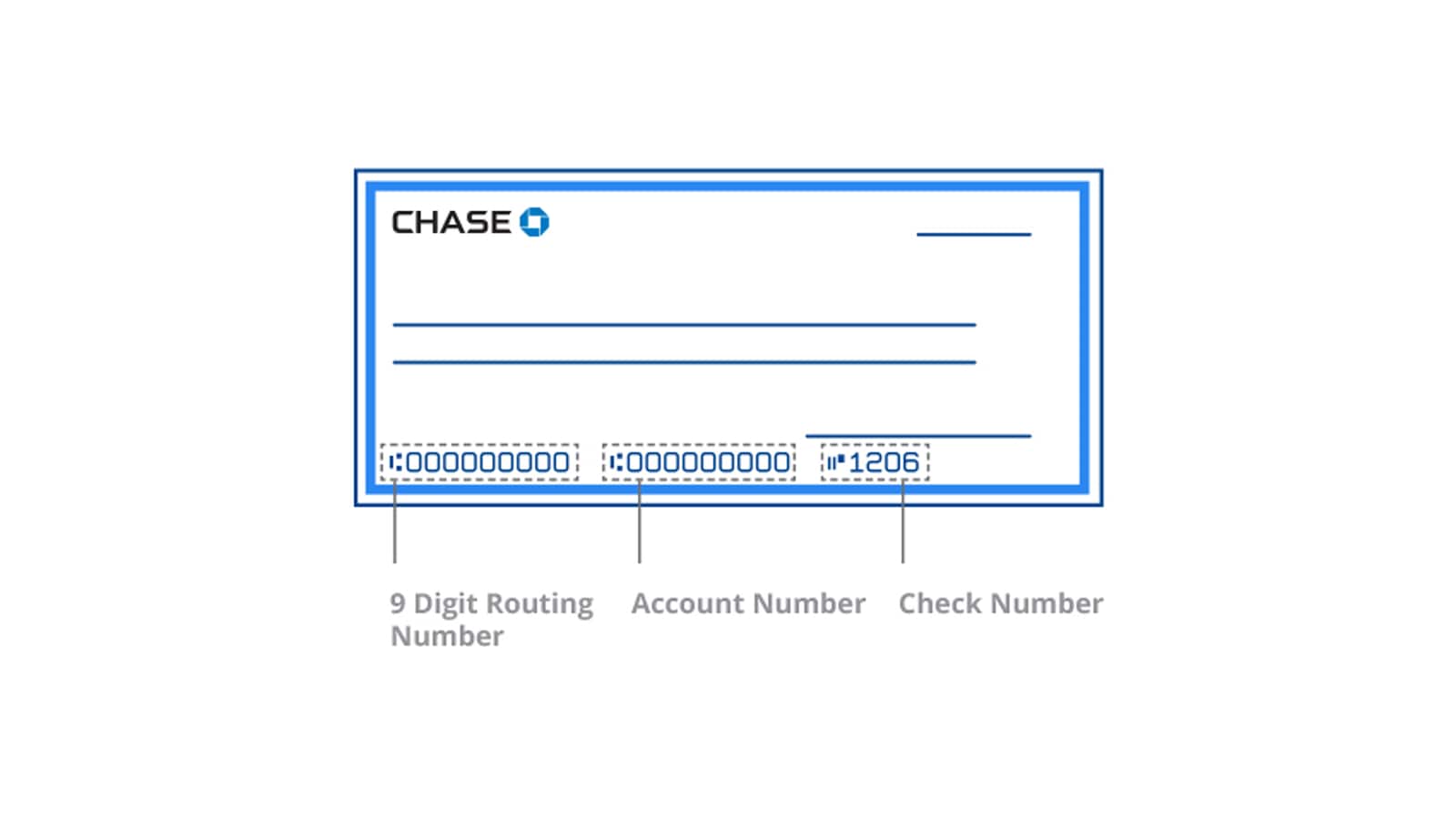
At its core, a voided check is a standard paper check from your checking account that has been rendered unusable for payment. This is typically achieved by writing the word “VOID” prominently across the entire face of the check, ensuring it cannot be filled out or processed by a bank. The key information it provides—the routing number (a nine-digit code identifying your bank) and your account number—remains perfectly legible. This combination of identifiable bank and account information, coupled with its uncashable status, makes it ideal for verification purposes without exposing you to fraud.
Common Scenarios Requiring a Voided Check
The need for a voided check arises in several common financial situations, primarily when an organization needs to verify your banking details to initiate or receive electronic transfers.
- Setting Up Direct Deposit: This is perhaps the most frequent reason. Employers require a voided check to accurately set up automated payroll deposits into your checking account, ensuring your salary lands directly and reliably.
- Establishing Automatic Bill Payments: Many service providers, utility companies, and lenders offer automatic payment options. Providing a voided check helps them link your bank account for recurring deductions, preventing missed payments and late fees.
- Linking Investment or Brokerage Accounts: When transferring funds to or from an investment account, or establishing a new brokerage relationship, a voided check can verify your linked bank account for seamless electronic transfers (ACH transactions).
- Applying for Loans or Lines of Credit: Some lenders might request a voided check as part of the application process to confirm your banking relationship and account details.
- Setting Up Third-Party Payment Services: Certain online payment platforms or financial management tools might ask for a voided check to connect and verify your bank account.
In each of these scenarios, the voided check acts as a safeguard, providing necessary information while minimizing the risk of the check being misused.
Direct Methods for Obtaining a Voided Check from Chase
For Chase customers, there are several straightforward avenues to acquire a voided check or an equivalent document. The best method often depends on whether you have existing checks readily available and how quickly you need the document.
The Simplest Method: Voiding an Existing Check
If you have a book of blank checks for your Chase account, this is by far the quickest and most common method. It requires no interaction with the bank directly and can be done instantly.
Step-by-Step: How to Void a Check
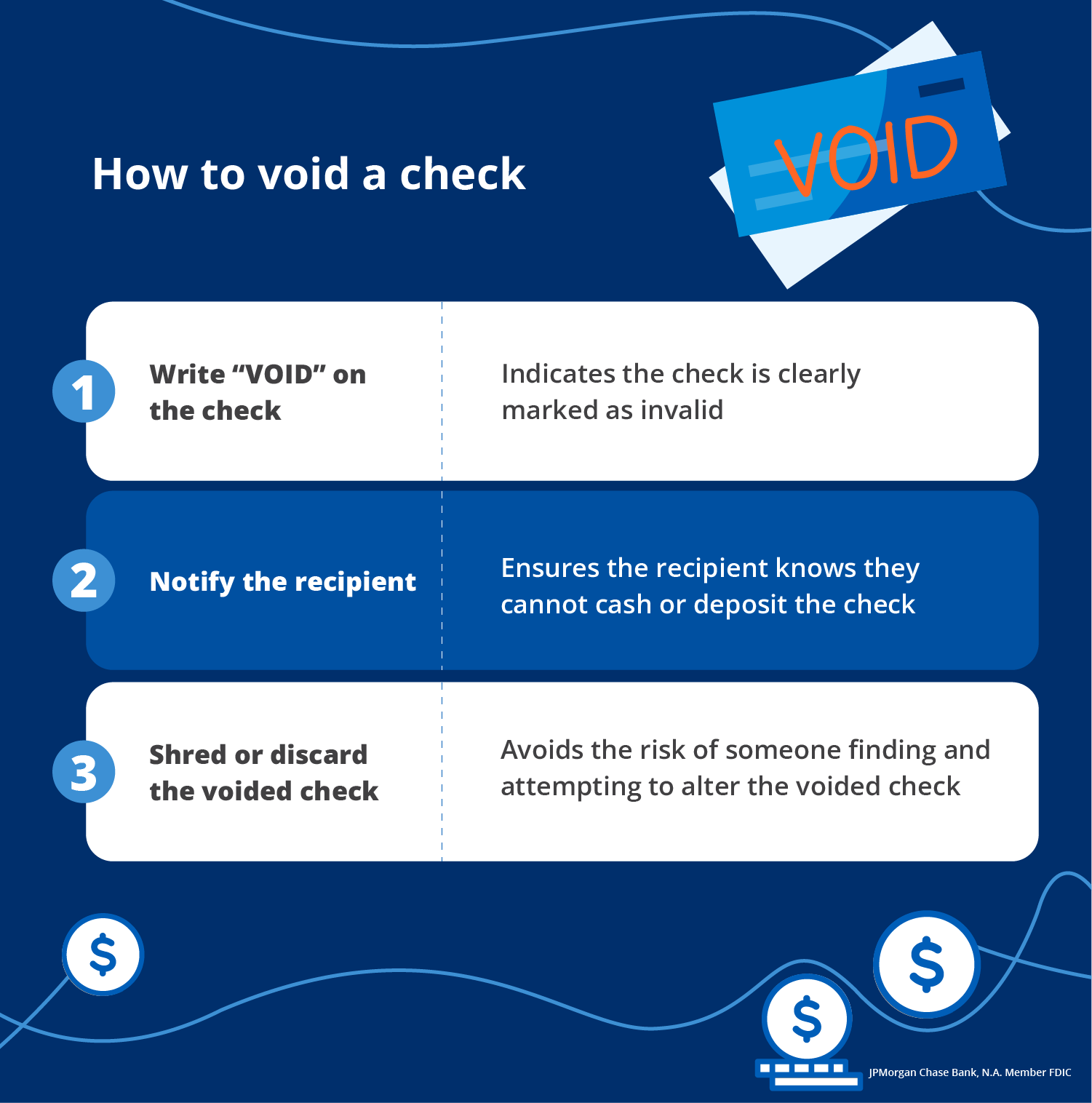
- Select a Blank Check: Choose a blank, unused check from your Chase checkbook. It’s generally advisable to pick one from the back of the book, as using an early-numbered check could disrupt your sequential record-keeping if you track checks manually.
- Write “VOID” Clearly: Using a dark pen (preferably black or blue ink), write the word “VOID” in large, clear letters across the entire face of the check. Ensure the word covers the areas where the payee, amount, date, and signature would normally be written.
- Ensure Readability of Numbers: While voiding, make sure the routing number (usually the first set of numbers at the bottom left) and your account number (typically the second set of numbers) remain perfectly legible. These are the crucial pieces of information the requesting party needs.
- Do Not Sign or Date: Leave the signature line blank and do not fill in the date or amount fields. The purpose is solely to provide the pre-printed account information, not to create a valid financial instrument.
- Make a Copy (Optional but Recommended): Before submitting the original, make a photocopy or take a clear picture of the voided check for your records. This can be helpful for verification or if the original is lost.
Best Practices for Voiding
- Use a Permanent Marker: A fine-point permanent marker ensures the “VOID” marking is indelible and doesn’t smudge.
- Write Big: Make sure “VOID” is unmistakable and covers enough area to prevent any attempt at alteration.
- Record It: Make a note in your checkbook register that this particular check number was voided and for what purpose. This helps maintain accurate records and prevents confusion.
When You Don’t Have Existing Checks: Ordering New Ones
If you’ve run out of checks, never ordered them, or prefer not to use one from your active checkbook, ordering new checks is an option. Be aware that this process takes time and typically incurs a cost.
Via Chase Online Banking
- Log In: Access your Chase online banking account at chase.com.
- Navigate to Check Reorder: Look for a section related to “Customer Service,” “Account Services,” or “Order Checks & Deposit Slips.” The exact navigation may vary slightly.
- Select Your Account: Choose the checking account for which you need checks.
- Place Order: Follow the prompts to select your check design and quantity. Be mindful that there will be a fee, and standard shipping can take 7-10 business days. Expedited shipping might be available for an additional cost.
Visiting a Chase Branch
- Locate a Branch: Use the Chase website or app to find the nearest Chase branch.
- Consult a Teller/Representative: Explain that you need to order new checks for your account. They can assist you with the ordering process directly, often offering advice on different styles and quantities.
- Immediate Voided Slip (Potentially): While ordering checks, you might be able to ask for a temporary voided slip or a bank letter containing your account information (see next section) to fulfill immediate needs while you await your check delivery.
Contacting Chase Customer Service
- Call Chase: Dial the customer service number listed on the back of your debit card or on the Chase website.
- Explain Your Need: Inform the representative that you wish to order checks for your account.
- Provide Details: Be prepared to verify your identity and account details. They will guide you through the ordering process over the phone.
Requesting a Voided Slip or Direct Deposit Form from Chase
For those who don’t have checks or need an immediate solution, Chase can often provide a document specifically designed for these purposes. These alternatives carry the same essential information as a voided check.
At a Chase Branch
- Visit Any Branch: Go to any Chase bank branch during business hours.
- Speak with a Teller or Personal Banker: Explain that you need a document with your routing and account number for direct deposit or automatic payments.
- Request a Direct Deposit Form or Bank Letter: Chase branches can often print out a pre-filled direct deposit form that includes all necessary banking details, or issue a formal bank letter confirming your account information. This is typically provided on the spot and is usually free of charge. You will likely need to present valid photo identification.
Through Chase Online (if available)
Some banks offer the ability to download or print a pre-filled direct deposit form directly from your online banking portal.
- Log In: Access your Chase online banking account.
- Check Account Details: Navigate to your checking account details. Look for options like “Account Services,” “Direct Deposit Information,” or “View Account Details.”
- Print Direct Deposit Form: If available, you may find a link to download or print a PDF document that contains your routing and account number, specifically formatted for direct deposit purposes. This is an excellent, quick alternative to a physical voided check.
Contacting Customer Support
- Call Chase: Reach out to Chase customer service.
- Request Assistance: Explain your need for a document with your account and routing numbers. They may be able to email or mail you a pre-filled direct deposit form, or guide you to where you can find it online.
Exploring Alternatives to a Voided Check
In many situations, especially with the rise of digital banking, a physical voided check isn’t the only accepted method for providing your account details. Many organizations now accept alternative documents that serve the same purpose.
Pre-Filled Direct Deposit Forms
As mentioned, Chase can provide these. These forms are specifically designed by the bank to streamline the process of setting up direct deposit. They contain all the necessary information, including the bank’s name, address, routing number, and your account number, often with spaces for the employer or requesting party to fill in additional details. They are widely accepted by employers and institutions.
Bank Letter or Statement
A formal letter from Chase on bank letterhead confirming your account details (account number, routing number, and account holder’s name) is often an acceptable alternative. You can typically request such a letter at a Chase branch. Similarly, a recent bank statement, which clearly shows your name, address, account number, and the bank’s name, can sometimes be used. However, a bank statement usually doesn’t show the routing number directly, so it might need to be supplemented or might not be accepted by all entities. Always check with the requesting party if a bank statement is sufficient.
Online Account Information Screenshots
In some less formal situations, or for digital services, a screenshot of your online banking account page that clearly displays your name, account number, and routing number might be accepted. Ensure the screenshot is clear, high-resolution, and captures all required information. Be cautious with this method; only use it with trusted entities, and ensure no sensitive information beyond what’s necessary is exposed.
Security Considerations and Best Practices
While voided checks are designed to be safer than providing a blank check, handling any document with your bank account information requires vigilance.
Protecting Your Account Information
- Only Provide When Necessary: Only give a voided check or equivalent document to trusted entities that genuinely require it (e.g., your employer, a reputable utility company).
- Avoid Emailing Unencrypted: If you must send an electronic copy, ensure it’s through a secure portal or encrypted email, if possible. Standard email is not secure.
- Shred After Use: Once the voided check or alternative document has served its purpose and your direct deposit or auto-payment is confirmed, shred any physical or digital copies you made for your records to prevent unauthorized access.
- Be Wary of Phishing Scams: Never provide your banking details in response to unsolicited emails, texts, or calls, even if they claim to be from your bank or a known entity. Always verify requests through official channels.
Verifying Requirements with the Requesting Party
Always confirm with the organization requesting the voided check exactly what they need. Ask if they accept alternatives like a direct deposit form from the bank, a bank letter, or even just the routing and account numbers entered directly into an online portal. This can save you time and effort. Some institutions might have specific internal policies.
What Not to Do with a Voided Check
- Never Sign It: A voided check should never have your signature. The act of voiding it is to prevent it from being cashed.
- Don’t Leave Blank Spaces: Ensure “VOID” covers all critical areas (payee, amount, signature) to leave no room for fraudulent alteration.
- Don’t Disclose More Than Necessary: While a voided check is relatively safe, avoid unnecessarily sharing other sensitive personal information alongside it unless explicitly required.
Final Thoughts on Navigating Financial Documents
Obtaining a voided check from Chase, or an acceptable alternative, is a straightforward process once you understand your options. Whether you have an existing checkbook, prefer to visit a branch, or can utilize online banking features, Chase provides multiple pathways to fulfill this common financial requirement. By understanding the purpose of these documents, employing the correct methods, and adhering to best security practices, you can confidently manage your financial setups and ensure your funds are handled accurately and securely. Being proactive and informed about such financial necessities is a cornerstone of effective personal money management.
aViewFromTheCave is a participant in the Amazon Services LLC Associates Program, an affiliate advertising program designed to provide a means for sites to earn advertising fees by advertising and linking to Amazon.com. Amazon, the Amazon logo, AmazonSupply, and the AmazonSupply logo are trademarks of Amazon.com, Inc. or its affiliates. As an Amazon Associate we earn affiliate commissions from qualifying purchases.