
Renting a car offers unparalleled freedom, whether you’re exploring new destinations, navigating business trips, or needing temporary transportation while your own vehicle is out of commission. However, what often appears as a straightforward transaction can quickly become a complex financial maze if you’re not equipped with the right knowledge. The initial quote you receive is rarely the final price, and understanding the myriad of fees, insurance options, and booking strategies is crucial for keeping your wallet intact. This guide delves deep into the financial considerations of securing a rental car, empowering you to make informed decisions and drive away with confidence, not buyer’s remorse.
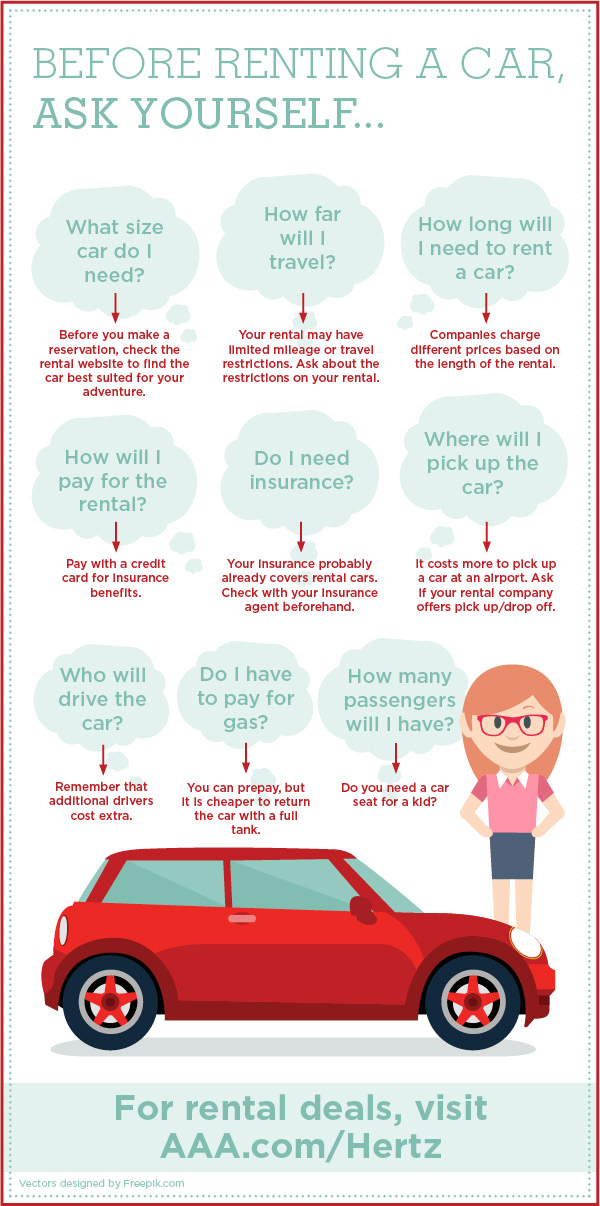
Deconstructing Rental Car Costs: Beyond the Sticker Price
The journey to a financially savvy rental begins with understanding what you’re truly paying for. The advertised daily rate is merely the tip of the iceberg, and a host of mandatory and optional charges can inflate the final bill considerably.
The Base Rate Illusion
Rental car companies are masters of initial impressions, often showcasing attractive daily rates to draw customers in. However, these base rates seldom reflect the all-inclusive cost. They typically cover only the rental of the vehicle for a specific period and mileage, excluding a significant portion of what you’ll ultimately pay. Factors influencing this base rate include location (airport rentals are often more expensive due to concession fees), time of year (peak seasons drive up prices), demand, and the class of vehicle you select. It’s essential to view the base rate as merely a starting point for your budget calculations.
Mandatory Fees, Taxes, and Surcharges
This is where the true cost begins to reveal itself. Nearly every rental includes a collection of non-negotiable fees and taxes that can easily add 20-30% or more to your bill. Common examples include:
- Airport Concession Fees/Customer Facility Charges: Applied when renting from airport locations to cover the rental company’s cost of doing business at the airport.
- Vehicle License Recovery Fees (VLRF): A charge to recoup the cost of registering and licensing the rental fleet.
- State and Local Taxes: Standard sales tax applied to the rental transaction.
- Energy Recovery Fees or Environmental Fees: Small charges to offset energy costs or environmental initiatives.
- Road Safety Fees: Some states or localities levy these for road maintenance.
Understanding that these are unavoidable allows you to factor them into your budget upfront, rather than being surprised at checkout.
Optional Add-Ons that Add Up
While mandatory fees are unavoidable, optional add-ons are where many renters inadvertently inflate their costs. Rental companies strategically offer a suite of conveniences, each with its own price tag that can significantly impact your budget.
- GPS Navigation: In an era of ubiquitous smartphone mapping, paying $10-15 per day for a dedicated GPS unit is often unnecessary.
- Satellite Radio: Another premium feature that most can do without, especially given the prevalence of streaming services.
- Child Safety Seats: Essential for families, but renting one from the agency can cost $15-$20 per day, often capped at a weekly rate. Bringing your own can save a substantial amount.
- Toll Pass Transponders: While convenient, these devices often come with a daily usage fee (even if you don’t use tolls every day) in addition to the actual toll charges, which can be marked up. Consider using cash lanes or your personal transponder if available.
- Additional Driver Fees: Most agencies charge a daily fee (e.g., $10-$15) for each extra driver. Some states or memberships (like AAA) waive this for spouses or domestic partners.
Always scrutinize these options and ask yourself if they are truly necessary or if a more cost-effective alternative exists.
Understanding Fuel Policies and Their Financial Implications
How you handle the fuel tank can significantly impact your final rental cost. Rental companies typically offer a few options:
- Full-to-Full: The most common and generally most cost-effective option. You pick up the car with a full tank and return it full. Failure to do so results in expensive refueling charges from the company, often at a premium per gallon plus a service fee.
- Pre-purchase Fuel: You buy a full tank of gas at the time of rental at a per-gallon rate set by the company (which might be competitive or slightly inflated). You can return the car empty, but you don’t get a refund for unused fuel. This is usually only advisable if you know you will use almost a full tank and are in a rush on return.
- Return Empty: Less common, but sometimes offered, where you return the car with as little fuel as possible. This is almost always the most expensive option as the per-gallon charge will be significantly higher than market rates.
To save money, always opt for full-to-full and plan to fill up the tank yourself at a local gas station just before returning the vehicle.
Strategic Booking: Maximizing Savings from the Start
Smart financial management in rental cars begins long before you pick up the keys. Strategic booking can yield significant savings, often overshadowing any last-minute deals.
Comparison Shopping Across Platforms and Providers
The digital age has made comparison shopping easier than ever. Don’t settle for the first quote you see.
- Aggregator Websites: Use sites like Kayak, Expedia, Priceline, or Skyscanner to get a broad overview of prices across multiple rental companies.
- Direct Company Websites: Always check the individual websites of major players like Hertz, Enterprise, Avis, Budget, and National. They sometimes offer exclusive deals or better rates than aggregators, especially if you’re a loyalty program member.
- Membership Discounts: Leverage any memberships you hold. AAA, AARP, Costco, and even some credit cards offer substantial discounts. Always ask or look for a dedicated portal.
- Bundling: Sometimes bundling a car rental with a flight or hotel booking can result in savings, but always compare the bundled price against individual bookings.
The Timing of Your Reservation
Timing is often a critical factor in rental car pricing, largely driven by demand.
- Booking in Advance: Generally, booking several weeks or even months in advance, especially during peak travel seasons or holidays, yields the best rates. As inventory decreases and demand rises, prices tend to escalate.
- Last-Minute Deals: While not reliable, occasionally you might find a last-minute deal if a company has surplus inventory. However, this is a gamble and not recommended for essential travel.
- Seasonal Variations: Be aware that prices will naturally be higher during spring break, summer holidays, and major events in your destination. If flexibility allows, traveling during the off-season can lead to considerable savings.
Rental Duration and Vehicle Class Optimization
Your choices regarding how long you rent and what kind of car you select have direct financial implications.
- Longer Rentals, Lower Daily Rates: Often, renting for a full week (even if you only need it for 5-6 days) can result in a lower daily rate than a shorter rental. Similarly, booking for 3+ days might be cheaper per day than a single-day rental. Always check these breakpoints.
- Vehicle Class: While a luxury SUV might be tempting, opting for a smaller, more fuel-efficient economy or compact car will almost always be cheaper on both the rental rate and fuel costs. Carefully assess your needs: how many passengers, how much luggage, and what type of driving will you be doing? Don’t pay for space or power you don’t need.
Loyalty Programs and Credit Card Benefits
Many renters overlook the significant financial advantages offered by loyalty programs and premium credit cards.
- Rental Company Loyalty Programs: Signing up for free loyalty programs (e.g., Hertz Gold Plus Rewards, Emerald Club by National) can provide perks like expedited pickup, vehicle upgrades, and member-exclusive discounts. Accumulating points can lead to free rental days.
- Credit Card Benefits: Many travel-focused credit cards offer excellent rental car benefits. These can include:
- Primary Collision Damage Waiver (CDW): This is a huge money-saver, as it allows you to decline the rental company’s expensive CDW. Research your card’s specific coverage details carefully.
- Discounted Rates: Some cards partner with rental agencies to provide special pricing.
- Travel Insurance: Some premium cards offer broader travel insurance that might include aspects relevant to rental cars.
Always review your credit card benefits guide thoroughly before booking.
Navigating Rental Car Insurance: A Crucial Financial Decision
One of the most perplexing and costly aspects of renting a car is dealing with insurance. The rental counter pressure to purchase their coverage can be intense, but understanding your existing policies and alternative options can save you hundreds of dollars.
Unpacking Rental Company Insurance Options
Rental agencies offer various insurance products, each addressing different types of risk:
- Collision Damage Waiver (CDW) / Loss Damage Waiver (LDW): This waives the rental company’s right to pursue you for damage to or theft of the rental vehicle. It’s often the most expensive add-on, ranging from $15-$30+ per day. It typically covers the vehicle itself, not damage to other property or injuries.
- Supplemental Liability Insurance (SLI): This provides additional liability coverage beyond the state-mandated minimums (which are often very low). It protects you financially if you’re at fault in an accident causing bodily injury or property damage to a third party.
- Personal Accident Insurance (PAI): Covers medical expenses and accidental death benefits for you and your passengers.
- Personal Effects Coverage (PEC): Covers loss or damage to personal belongings in the rental car.
Understanding what each covers (and doesn’t cover) is the first step to making an informed decision.

Leveraging Existing Coverage: Your Personal Auto Policy and Credit Card
Before even considering rental company insurance, review what you already have.
- Personal Auto Insurance: Your personal car insurance policy often extends some level of coverage to rental cars, particularly collision and liability. If you have comprehensive and collision coverage on your own vehicle, it will likely cover physical damage to the rental car (minus your deductible). Your liability coverage should also extend to the rental. However, there might be limitations (e.g., not covering “loss of use” fees charged by the rental company, or coverage limits tied to your personal vehicle’s value).
- Credit Card Benefits: As mentioned, many credit cards, especially premium travel cards, offer complimentary rental car insurance. This coverage is often secondary (meaning it kicks in after your personal insurance) but can be primary for some cards. Primary coverage is highly desirable as it means you won’t need to involve your personal insurance, potentially avoiding a claim on your policy that could impact future premiums. Always verify the terms: what it covers, what it excludes (e.g., luxury cars, certain countries), and the duration of coverage.
Third-Party Insurance Providers: An Affordable Alternative
Beyond your existing policies and the rental company’s offerings, independent third-party insurers provide another option. Companies like Allianz, InsureMyRentalCar, or Bonzah offer standalone rental car insurance policies that can be significantly cheaper than the rental company’s CDW/LDW, often covering more situations (like “loss of use”) and providing primary coverage. You typically purchase these policies before you pick up the car. They can be a great way to get comprehensive coverage without breaking the bank.
The Cost of Risk: Deciding When to Insure and What to Decline
The decision to buy or decline insurance boils down to your personal financial situation and risk tolerance.
- Decline if fully covered: If your personal auto insurance and credit card provide comprehensive primary coverage that you’re comfortable with, you can confidently decline the rental company’s CDW/LDW and often PAI/PEC.
- Consider SLI: Even if your personal liability extends, state minimums are often insufficient. If you don’t have robust personal liability, SLI from the rental company or an umbrella policy might be a wise investment, as a major accident could lead to significant financial ruin.
- Gap coverage: Be aware of potential gaps, like “loss of use” charges (the income the rental company loses while their damaged car is being repaired) or administrative fees, which might not be covered by your personal policy or some credit cards. This is where third-party insurance or a credit card with robust primary coverage shines.
Never pay for duplicate coverage. Be polite but firm at the counter if you’ve done your homework and chosen to decline their offerings.
Avoiding Hidden Charges and Post-Rental Surprises
Even after strategic booking and smart insurance decisions, unexpected charges can crop up after you’ve returned the car. Proactive steps can save you from these financial frustrations.
Security Deposits and Credit Card Holds
When you pick up a rental car, the agency will typically place a security deposit hold on your credit card. This isn’t a charge but a temporary reduction of your available credit. The amount varies but can range from a few hundred dollars to over a thousand, especially for higher-end vehicles or longer rentals.
- Impact on Credit: Be aware that this hold ties up your available credit, which could be an issue if you have a tight credit limit or plan to make other large purchases during your trip.
- Debit Card Risks: While some agencies allow debit card rentals, they often require larger security deposits, extensive background checks, or proof of return ticket/local address, and the hold can take longer to release, potentially affecting your bank balance. Using a credit card is generally advisable for convenience and financial flexibility.
Pre-Rental Vehicle Inspection: Your Financial Safeguard
This is perhaps one of the most critical steps to avoid being charged for pre-existing damage.
- Thorough Walk-Around: Before leaving the lot, meticulously inspect the vehicle for any scratches, dents, chips, or other damage, both inside and out. Don’t forget the roof, tires, and windshield.
- Document Everything: Use your smartphone to take detailed photos and videos of any existing damage, no matter how minor. Get clear shots of the license plate and odometer as well.
- Inform the Agency: Immediately report any damage to a representative and ensure it’s noted on your rental agreement before you drive away. Get an updated copy of the agreement showing these notations.
This documentation is your irrefutable proof should the rental company later claim you caused damage.
Return Policies: Fuel, Cleanliness, and Timeliness
Failing to adhere to return policies is a common source of unexpected fees.
- Fuel Policy Adherence: As discussed, always return the car with the agreed-upon fuel level (typically full). The company’s refueling charges are significantly higher than local gas stations.
- Cleanliness: While you’re not expected to detail the car, returning it excessively dirty (e.g., covered in mud, trash, strong odors) can incur cleaning fees. A quick tidy-up before return is prudent.
- Timeliness: Rental car companies operate on strict hourly schedules. Returning the car even a few minutes late can trigger an extra hourly charge, or even an entire additional day’s rental fee. Plan to return the car with ample time to spare, allowing for traffic or unforeseen delays.
One-Way Rentals: The Price of Convenience
The convenience of picking up a car in one city and dropping it off in another often comes at a substantial cost, known as a “drop fee” or “one-way fee.” These surcharges can range from tens to hundreds of dollars, depending on the distance, demand, and company. While sometimes unavoidable for itinerary reasons, always factor this significant fee into your budget when planning one-way trips. Occasionally, companies offer deals on one-way rentals to relocate vehicles, but these are exceptions rather than the norm.
Alternative Transportation & Financial Hacks
While traditional rental cars are a go-to, exploring alternatives or employing savvy hacks can sometimes offer better financial outcomes.
Car-Sharing Services vs. Traditional Rentals
For shorter, intermittent needs, car-sharing services like Zipcar or peer-to-peer platforms like Turo can be more cost-effective.
- Zipcar (and similar): These services charge by the hour or day, often including fuel and insurance, making them ideal for short errands, appointments, or quick city trips where a full-day rental is overkill.
- Turo (and similar peer-to-peer): This “Airbnb for cars” allows you to rent directly from private owners. Prices can be highly competitive, and you might find unique vehicles. However, insurance nuances and mileage limits require careful review.
Considering Public Transport and Ride-Sharing
In densely populated urban areas, a rental car can be more of a liability than an asset due to parking costs, traffic, and high rental prices.
- Public Transportation: Subways, buses, and trains are often the most economical way to navigate cities. Purchase multi-day passes for better value.
- Ride-Sharing (Uber, Lyft): For occasional trips or specific routes, ride-sharing can be more cost-effective than a rental car, especially when considering fuel, parking, and insurance. Calculate total expected mileage and usage to determine which option makes more financial sense.
Negotiation Tactics and Customer Service
While less common with major rental chains, there’s always a slight possibility for negotiation, especially with smaller, local rental outfits or in specific situations.
- Call Directly: Sometimes calling the local branch directly, rather than booking online, can yield slightly better rates, especially for extended rentals or if you have specific needs.
- Ask for Upgrades: If you’ve booked an economy car and they are out, you might get a free upgrade. Don’t pay for it if you didn’t ask for it.
- Problem Resolution: If you encounter an issue, politely but firmly explain the situation. A pleasant demeanor can go a long way in getting fees waived or receiving compensation.

Maximizing Rewards Points for Rentals
If you travel frequently, consider using travel rewards credit cards that allow you to redeem points for rental cars. Some cards offer better redemption values for specific travel categories, so research which one provides the most bang for your buck. Accumulating points through everyday spending can turn into “free” rental car days, offering significant savings.
Renting a car can be an incredibly convenient and enriching experience, but it demands financial vigilance. By meticulously deconstructing costs, employing smart booking strategies, understanding your insurance options, and diligently avoiding hidden fees, you can transform a potentially budget-busting endeavor into a smooth, economical journey. The key is planning, comparison, and a healthy dose of skepticism towards anything that seems too good to be true. Drive safely, and more importantly, drive financially smartly.
aViewFromTheCave is a participant in the Amazon Services LLC Associates Program, an affiliate advertising program designed to provide a means for sites to earn advertising fees by advertising and linking to Amazon.com. Amazon, the Amazon logo, AmazonSupply, and the AmazonSupply logo are trademarks of Amazon.com, Inc. or its affiliates. As an Amazon Associate we earn affiliate commissions from qualifying purchases.