
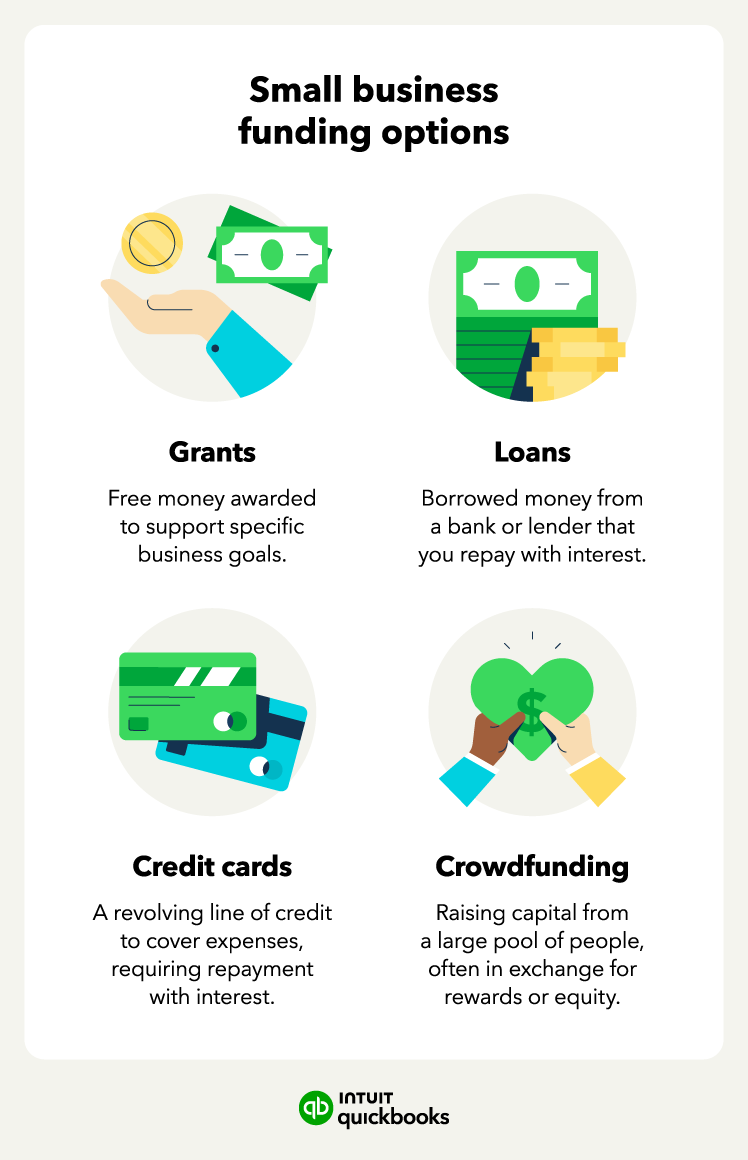
Securing funding is a universal challenge for small businesses, regardless of their stage of development. While loans require repayment and equity investments demand a share of ownership, grants offer a unique and highly attractive alternative: non-repayable funds. For many entrepreneurs, the prospect of receiving capital that doesn’t need to be paid back can seem like an elusive dream. However, with the right strategy, diligence, and understanding of the grant landscape, this dream can become a tangible reality. This comprehensive guide will demystify the process, helping small business owners navigate the complexities of grant applications and significantly increase their chances of securing valuable funding.
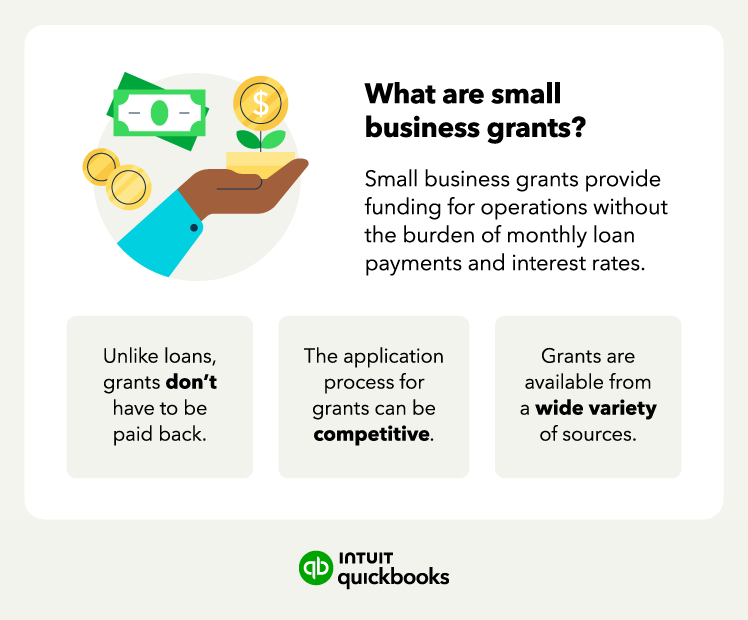
Grants are more than just free money; they are strategic investments made by government agencies, foundations, corporations, and non-profits into initiatives they believe will drive positive impact, foster innovation, or address specific societal needs. Understanding this fundamental principle is the first step towards successfully identifying and applying for grants that align with your business’s mission and potential.
Understanding Small Business Grants
Before diving into the application process, it’s crucial to grasp what small business grants entail, their benefits, and the various forms they can take. This foundational knowledge will empower you to approach the search with clarity and focus.
What Exactly is a Grant?
A grant is a sum of money awarded to an individual, business, or organization, typically by a government agency, foundation, or corporation, for a specific purpose. Unlike loans, grants do not need to be repaid. They are usually given to support projects or ventures that align with the grantor’s mission or objectives. For small businesses, this means funding can be allocated for research and development, community initiatives, specific operational costs, expansion into new markets, or the adoption of innovative technologies, provided these activities contribute to the grantor’s goals. The key distinction is that grants are not an entitlement; they are competitive awards based on the merit of a proposal and its alignment with the grantor’s criteria.
Key Benefits of Grants for Small Businesses
The advantages of securing grant funding are substantial and multifaceted:
- Non-Repayable Capital: This is the most significant benefit. Unlike debt financing, grants do not incur interest or require principal repayment, freeing up cash flow that can be reinvested directly into the business’s growth and operations.
- No Equity Dilution: Unlike venture capital or angel investments, grants do not require you to give up any ownership or control of your company. This allows founders to maintain full autonomy over their vision and strategic direction.
- Enhanced Credibility and Validation: Receiving a grant often signifies external validation of your business idea, innovation, or social impact. This can boost your company’s reputation, making it more attractive to future investors, partners, and customers. It can also act as a powerful endorsement, adding legitimacy to your business plan.
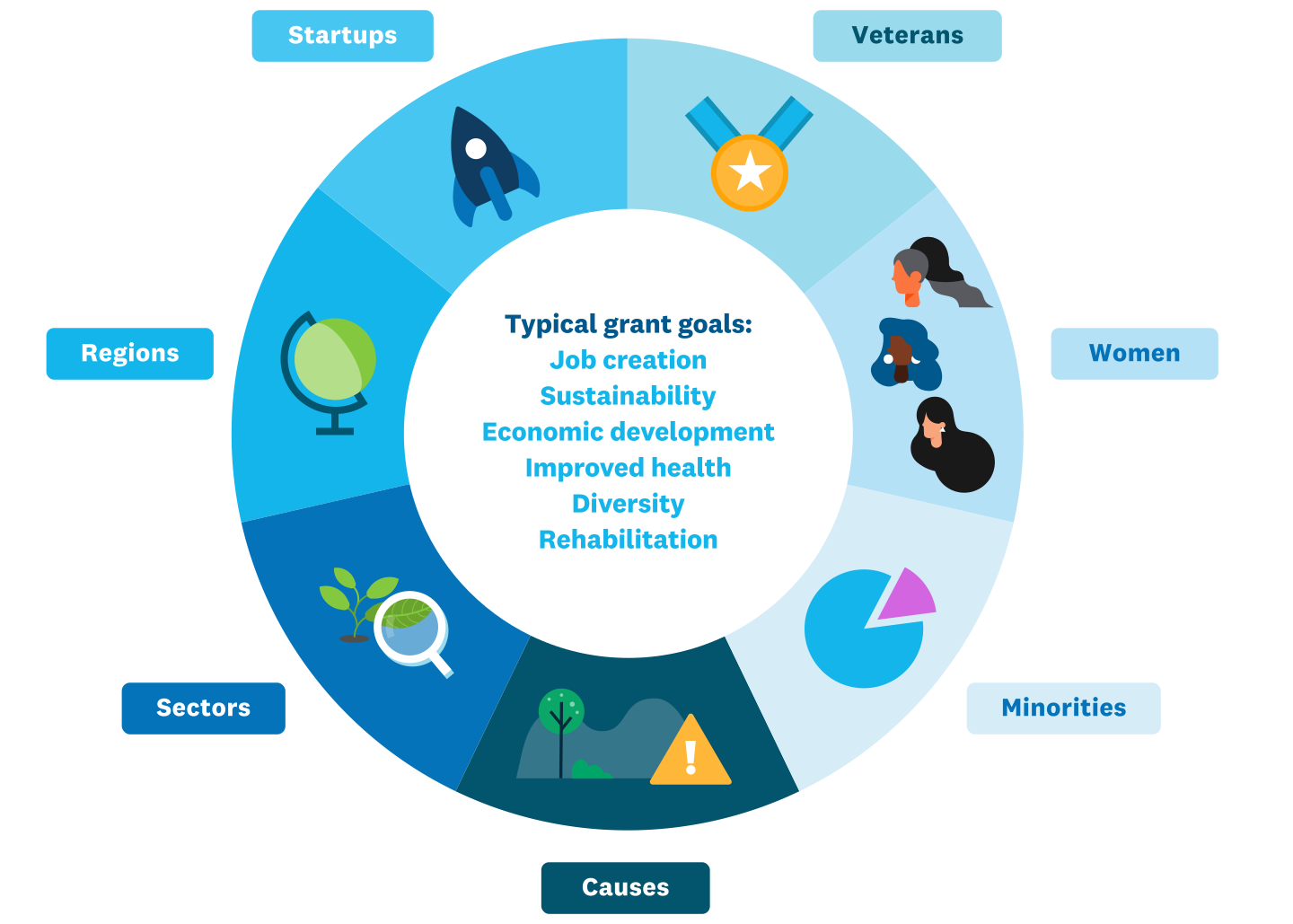
- Funding for Specific Projects: Many grants are earmarked for particular purposes, such as R&D, environmental sustainability, job creation, or supporting underrepresented entrepreneur groups. This allows businesses to pursue projects that might otherwise be financially unfeasible.
- Catalyst for Growth: Grants can provide the necessary capital to scale operations, develop new products, enter new markets, or invest in essential equipment, accelerating business growth without taking on additional financial risk.
Types of Grants Available
The landscape of small business grants is diverse, reflecting a wide array of funding sources and objectives:
- Federal Government Grants: The U.S. federal government offers numerous grants, primarily through agencies like the Small Business Administration (SBA), Department of Energy, National Institutes of Health (NIH), and National Science Foundation (NSF). Programs like the Small Business Innovation Research (SBIR) and Small Business Technology Transfer (STTR) grants are significant for research-intensive small businesses.
- State and Local Government Grants: Many states, counties, and municipalities offer grants to stimulate local economic development, support specific industries (e.g., agriculture, tourism, manufacturing), or encourage job creation within their jurisdictions. These often target businesses that contribute directly to local communities.
- Private Foundations and Non-Profits: Charitable foundations, community foundations, and various non-profit organizations distribute billions in grants annually. These grants often focus on social impact, environmental causes, arts and culture, education, or supporting specific demographic groups (e.g., women-owned, minority-owned, veteran-owned businesses).
- Corporate Grant Programs: Large corporations often have philanthropic arms or corporate social responsibility (CSR) initiatives that offer grants to small businesses or non-profits. These grants typically align with the company’s values, industry interests, or community outreach goals.
- Industry-Specific Grants: Certain industries, particularly those focused on innovation, technology, clean energy, or healthcare, may have dedicated grant programs from various sources designed to foster advancements within their sector.
Navigating the Grant Landscape: Where to Look
Finding the right grant is often the most time-consuming part of the process. It requires strategic research and an understanding of the key platforms and resources available.
Government Resources
The government is a major source of grant funding, and knowing where to start your search is paramount.
- Grants.gov: This is the official central portal for all federal discretionary grant programs. Small businesses can search for opportunities by keyword, agency, or category. Registration is required, but it’s an indispensable tool for accessing federal grants.
- Small Business Administration (SBA): While the SBA doesn’t directly offer general small business grants (except for specific programs like SBIR/STTR), it provides valuable resources and connections. Their local district offices can often point you towards state and local grant opportunities and provide counseling services.
- State Economic Development Agencies: Every state has an agency dedicated to economic growth. These agencies often administer state-level grants for business development, job creation, or specific industry support. Searching your state’s official government website for “economic development” or “business grants” is a good starting point.
- Local Chambers of Commerce and Business Development Centers: These local organizations are excellent resources for identifying municipal grants, local competitions, and networking opportunities that might lead to grant funding.
Private Foundations and Non-Profits
Researching private funders requires a slightly different approach, often involving databases and specialized searches.
- Foundation Directory Online (FDO): Operated by Candid, this is a premier database for researching private and corporate foundations. It is a subscription service, but many public libraries offer free access. It allows you to search by criteria such as geographic focus, funding area, and grant size.
- Community Foundations: These foundations pool donations to support local initiatives. They are excellent resources for businesses with a strong local community impact. Search for “community foundation” in your city or region.
- Industry-Specific Associations: Many trade associations and industry groups offer grants or maintain lists of funding opportunities relevant to their members.
Corporate Grant Programs
Many large corporations allocate funds for grants as part of their CSR initiatives.
- Corporate Websites: Check the “About Us,” “Philanthropy,” or “Community” sections of large corporations, especially those whose values or industry align with your business.
- CSR Reports: Publicly traded companies often publish annual CSR reports that detail their philanthropic efforts, including grant programs.
- Partnerships and Competitions: Some corporations partner with accelerators or host pitch competitions that award grant funding to promising small businesses.
Industry-Specific Opportunities
Beyond general sources, niche grants often exist for specific sectors or business types.
- Technology & Innovation: Look for grants from tech giants, government agencies focused on science and technology, or university research initiatives.
- Women-Owned/Minority-Owned/Veteran-Owned Businesses: Numerous organizations and government programs are dedicated to supporting these underrepresented groups. The SBA’s Office of Women’s Business Ownership and Minority Business Development Agency (MBDA) are good starting points.
- Green & Sustainable Businesses: Grants are increasingly available for businesses focused on renewable energy, sustainable practices, and environmental conservation.
Crafting a Winning Grant Application
Once you’ve identified potential grants, the real work begins: developing a compelling application. Grant writing is a skill that combines persuasive communication with meticulous attention to detail.
Essential Preparation Steps
Before you even start writing, lay the groundwork for a strong application.
- Develop a Robust Business Plan: A well-articulated business plan is the backbone of any grant application. It demonstrates your vision, market understanding, operational strategy, and financial projections. Ensure it clearly outlines your business’s problem, solution, target market, competitive advantage, and long-term goals.
- Solid Financial Records: Be prepared to provide detailed financial statements (profit and loss, balance sheets, cash flow projections). Grantors want to see that you manage your finances responsibly and that the grant funds will be used effectively.
- Legal Structure and Compliance: Ensure your business is properly registered and in good standing with all relevant government agencies. Some grants require specific legal structures (e.g., for-profit, non-profit).
- Assemble Supporting Documentation: Gather all necessary legal documents, permits, licenses, letters of recommendation, resumes of key personnel, and any other materials that could bolster your application.
Understanding the Grantor’s Objectives
A common mistake is applying for grants without thoroughly understanding the grantor’s mission.
- Read the Request for Proposal (RFP) Carefully: This document is your bible. It outlines the grant’s purpose, eligibility criteria, funding priorities, application instructions, and evaluation metrics.
- Research the Grantor’s Mission and Past Awards: Visit their website, read their annual reports, and review past grant recipients. Understand what they value and what kind of projects they typically fund. Tailor your proposal to demonstrate how your business directly contributes to their specific goals.
- Identify Alignment: Clearly articulate how your business or project aligns perfectly with the grantor’s mission, values, and strategic objectives. This is critical for standing out.
Developing a Compelling Proposal
Your grant proposal is your opportunity to tell your story and convince the grantor of your merit.
- Clearly Define the Problem and Solution: Start by articulating the problem your business addresses. Then, present your unique solution, emphasizing its innovation, effectiveness, and market potential.
- Outline Project Activities and Timeline: Detail exactly how you plan to use the grant funds. Provide a clear, realistic timeline for project implementation, including key milestones and deliverables.
- Quantify Anticipated Impact: Explain the measurable outcomes and impact your project will have. This could include job creation, revenue growth, community benefits, environmental improvements, or technological advancements. Use specific metrics and data where possible.
- Present a Detailed, Justified Budget: Provide a clear breakdown of how the grant funds will be spent. Every line item must be justified and directly related to the project’s objectives. Be realistic and transparent.
- Demonstrate Expertise and Capacity: Highlight the experience and qualifications of your team. Show that you have the skills, resources, and commitment to successfully execute the proposed project.
Demonstrating Impact and Sustainability
Grantors want to invest in projects that will have a lasting, positive effect.
- Measurable Outcomes: Go beyond activities and focus on the results. How will you measure success? What tangible changes will occur because of your project?
- Long-Term Vision: Explain how your business will sustain its operations and continue its impact beyond the grant period. Grantors prefer to support projects that can eventually become self-sustaining or attract further investment.
- Community or Economic Benefit: Emphasize the broader benefits your business brings, such as job creation, local economic stimulus, or addressing social challenges.
The Importance of a Strong Business Case
Even for non-repayable funds, grantors often seek a return on their investment—not financial, but in terms of impact, innovation, or public good. Your proposal should make a strong “business case” for why your project is the best choice among competitors. This involves demonstrating:
- Innovation: Is your idea unique or does it offer a novel approach to a problem?
- Feasibility: Is your plan realistic and achievable with the resources requested?
- Scalability: Does your project have the potential for broader impact or replication?
- Risk Mitigation: Have you identified potential challenges and planned for them?
- Cost-Effectiveness: Are you requesting funds responsibly and efficiently?
Common Pitfalls and Best Practices
The grant application process is often rigorous and highly competitive. Understanding common pitfalls and adopting best practices can significantly improve your odds of success.
Avoiding Scams and Misinformation
The allure of “free money” makes the grant landscape ripe for scams.
- Beware of “Guaranteed” Grants: No legitimate grant program guarantees funding. Be highly suspicious of anyone charging a fee for “guaranteed” grants or providing lists of grants for a price.
- Official Sources Only: Stick to official government websites (.gov), reputable foundation directories, or well-known corporate philanthropy pages.
- No Upfront Fees: Legitimate grantors do not charge an application fee or an upfront processing fee to receive funds.
- Vetting Resources: If you encounter a new grant opportunity, always cross-reference it with independent sources or consult with the SBA or a local business advisor.
The Time Commitment and Competition
Applying for grants is not a quick fix; it’s a significant investment of time and resources.
- Allocate Sufficient Time: Researching, writing, and compiling an application can take dozens, if not hundreds, of hours. Start early and dedicate ample time to the process.
- High Competition: Many grants receive hundreds or thousands of applications for a limited number of awards. Be prepared for stiff competition and understand that rejection is a common part of the process.
- Realistic Expectations: Grant funding should be part of a diversified funding strategy, not your sole reliance. Don’t put all your eggs in one basket.
Building Relationships and Seeking Feedback
Networking and mentorship can be invaluable in the grant world.
- Connect with Grantors (if allowed): Some grant programs allow for pre-application inquiries. If so, take the opportunity to ask clarifying questions and establish a relationship.
- Seek Advice from Experienced Grant Writers: If possible, consult with professionals who have a track record of success in grant writing. Their insights can be invaluable.
- Utilize Mentorship Programs: Look for local or industry-specific mentorship programs that might connect you with experienced entrepreneurs or grant professionals.
- Get Feedback: Before submitting, have trusted advisors, mentors, or even an objective peer review your proposal for clarity, completeness, and persuasiveness.
Persistence and Adaptation
Grant seeking is often a marathon, not a sprint.
- Learn from Rejection: If an application is unsuccessful, try to get feedback from the grantor (if they offer it). Use this feedback to refine future proposals and identify areas for improvement.
- Iterate and Improve: Don’t be discouraged by initial rejections. Each application is a learning experience. Continuously refine your business plan, project descriptions, and grant-writing skills.
- Stay Informed: Regularly monitor grant portals and industry news for new opportunities. The landscape of available grants is constantly evolving.
- Diversify Funding Sources: Continue to explore other funding avenues—loans, angel investors, crowdfunding, or self-funding—to ensure your business has a stable financial foundation.
Conclusion
Securing a grant for your small business is a challenging yet highly rewarding endeavor. It requires thorough research, meticulous preparation, compelling communication, and unwavering persistence. By understanding the diverse landscape of grant opportunities, aligning your business mission with grantor objectives, and crafting a precise, impactful proposal, you can significantly enhance your chances of success. Grants offer a powerful means to inject non-repayable capital into your business, fueling innovation, driving growth, and validating your entrepreneurial vision without incurring debt or diluting ownership. While the journey may be long and competitive, the strategic pursuit of grant funding can be a transformative financial strategy for any small business poised for impact.
aViewFromTheCave is a participant in the Amazon Services LLC Associates Program, an affiliate advertising program designed to provide a means for sites to earn advertising fees by advertising and linking to Amazon.com. Amazon, the Amazon logo, AmazonSupply, and the AmazonSupply logo are trademarks of Amazon.com, Inc. or its affiliates. As an Amazon Associate we earn affiliate commissions from qualifying purchases.