
Capital One has established itself as a prominent issuer in the credit card market, renowned for its diverse portfolio catering to individuals across the entire credit spectrum, from those building credit to those seeking premium rewards. Obtaining a Capital One credit card can be a strategic move for many, whether you’re aiming to establish a credit history, consolidate debt, earn rewards on everyday spending, or access exclusive travel benefits. However, successfully acquiring one requires a clear understanding of the application process, the criteria Capital One assesses, and the different types of cards available. This comprehensive guide will walk you through everything you need to know to enhance your chances of approval and responsibly manage your new financial tool.
Understanding Capital One’s Credit Card Ecosystem
Before you even consider applying, it’s crucial to grasp the breadth of Capital One’s offerings and the general principles that guide their lending decisions. Not all credit cards are created equal, and Capital One meticulously designs products for specific financial profiles and spending habits.
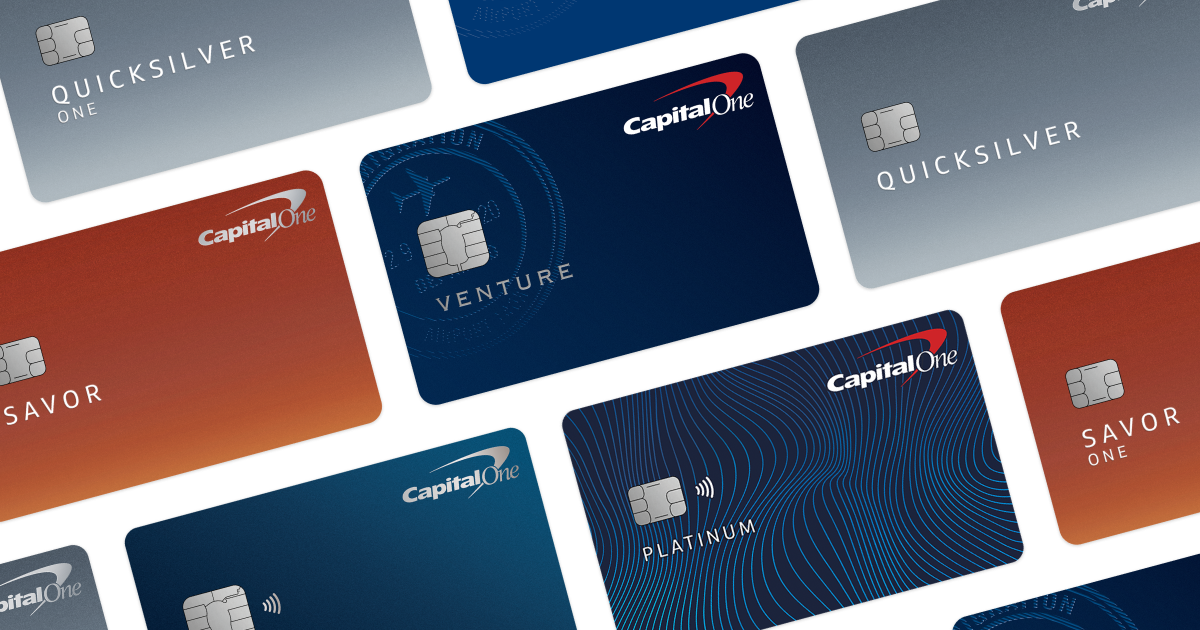
Diverse Card Offerings: From Beginners to Premium Rewards
Capital One categorizes its credit cards to serve distinct market segments. This segmentation is key to understanding where you might fit:
-
Cards for Building/Rebuilding Credit: These cards, often secured (requiring a security deposit that acts as your credit limit) or unsecured with simpler rewards structures, are designed for individuals with limited or poor credit history. They focus on helping you establish or repair your credit score through responsible use. Examples include the Capital One Platinum Secured or Quicksilver Secured.
-
Cards for Fair/Average Credit: For those with a nascent credit history or some past blemishes, Capital One offers options that provide a stepping stone to better cards. These may come with moderate annual fees or slightly less generous rewards. The Capital One Platinum or QuicksilverOne Cash Rewards card often fall into this category.
-
Cards for Good/Excellent Credit: This is where Capital One’s flagship rewards cards shine. These products offer competitive cash back, travel miles, or other valuable perks, often accompanied by sign-up bonuses and lower interest rates. Examples include the Capital One Quicksilver Cash Rewards, Capital One SavorOne Cash Rewards, or Capital One Venture Rewards.
-
Premium/Luxury Cards: At the top tier, Capital One offers cards with high annual fees but exceptional benefits tailored for frequent travelers and high-spenders, such as extensive travel credits, airport lounge access, and elevated rewards rates. The Capital One Venture X Rewards card is a prime example.
Understanding these categories helps you pinpoint which card is most appropriate for your current financial standing and goals, preventing applications for cards you’re unlikely to qualify for.
Key Factors Capital One Considers
Like any major lender, Capital One employs a rigorous underwriting process to assess an applicant’s creditworthiness. While the exact algorithms are proprietary, several universal factors weigh heavily in their decision:
-
Credit Score: This is perhaps the most significant factor. Your FICO or VantageScore provides a snapshot of your credit risk. Capital One, like other lenders, typically aligns its card products with specific score ranges (e.g., excellent credit typically 720+, good 670-719, fair 580-669, poor <580).
-
Credit History Length: A longer history of responsible credit use is generally viewed more favorably.
-
Payment History: A consistent record of on-time payments on all debts (credit cards, loans, mortgages) is paramount. Late payments are a major red flag.
-
Credit Utilization Ratio: This measures how much of your available credit you’re using. Keeping this ratio below 30% (e.g., owing $300 on a $1,000 limit) signals responsible credit management.
-
Income and Employment Stability: Capital One wants to ensure you have the financial capacity to repay your debts. Stable income and employment are key indicators.
-
Debt-to-Income (DTI) Ratio: This compares your total monthly debt payments to your gross monthly income. A high DTI can indicate financial strain.
-
Recent Credit Inquiries: A flurry of recent credit applications can signal financial distress or a high-risk borrower.
By understanding these factors, you can proactively improve your financial profile before applying.
Preparing for Your Capital One Credit Card Application
Preparation is crucial for a successful credit card application. Rushing into an application without assessing your financial health can lead to denial, which often results in a “hard inquiry” on your credit report that can temporarily ding your score.
Checking Your Credit Score and Report
Your credit report is the foundation of your credit score. It details your borrowing history, including accounts, payment history, and public records.
-
Importance: Your credit score is a numerical representation of your creditworthiness, directly influencing approval odds and interest rates.
-
How to Get Free Reports: You are entitled to a free copy of your credit report from each of the three major bureaus (Equifax, Experian, TransUnion) annually via AnnualCreditReport.com. Many credit card companies and financial apps also offer free credit score monitoring services.
-
Review for Accuracy: Carefully review your reports for any errors or inaccuracies (e.g., accounts you don’t recognize, incorrect payment statuses). Disputing errors promptly can positively impact your score.
Improving Your Credit Health
If your credit score isn’t where you want it to be, taking steps to improve it before applying can significantly boost your chances of approval for better cards.
-
Pay Bills On Time, Every Time: Payment history is the most impactful factor in your credit score. Set up autopay or reminders to ensure you never miss a due date.
-
Reduce Existing Debt: Lowering balances on existing credit cards improves your credit utilization ratio. Focus on paying down high-interest debt first.
-
Avoid Opening New Credit Accounts Rapidly: Each new application typically results in a hard inquiry, which can slightly lower your score for a short period. Space out applications if possible.
-
Keep Old Accounts Open: The length of your credit history positively influences your score. Closing old, unused accounts can shorten your average account age.
-
Become an Authorized User: If you have limited credit history, being added as an authorized user to an account with a long history of responsible payments (from a trusted individual) can help.
Assessing Your Financial Readiness
Beyond your credit score, Capital One will evaluate your broader financial picture.
-
Income Stability: Ensure you have a steady and verifiable income source. Gather documentation like pay stubs or tax returns if necessary.
-
Existing Debt Load: Understand your total monthly debt obligations (loans, other credit cards) relative to your income. A lower debt-to-income ratio is preferable.
-
Budgeting: Having a clear budget demonstrates financial control and helps you understand your capacity to take on new credit responsibly.
Navigating the Application Process
Once you’ve done your homework and prepared your financial profile, the application itself is relatively straightforward.
Online vs. In-Person Application
-
Online Application (Recommended): Most applicants apply directly through Capital One’s website. This method is quick, convenient, and often provides an instant decision. You can complete it from the comfort of your home.
-
In-Person (Bank Branch): While Capital One has a limited branch presence compared to traditional banks, some services may be available. However, for credit cards, the online portal is typically the most efficient route.
Required Information
Be prepared to provide the following details during the application:

-
Personal Information: Full name, date of birth, Social Security Number (SSN) or Individual Taxpayer Identification Number (ITIN), physical address, email address, phone number.
-
Employment Information: Employer’s name, occupation, employment status (employed, self-employed, retired, student), length of employment.
-
Financial Information: Gross annual income (pre-tax), source of income, housing status (own, rent, other), monthly housing payment.
-
Other Details: You might be asked about existing Capital One accounts, balance transfer intentions, or whether you want to add an authorized user immediately.
Pre-Qualification vs. Full Application
Capital One offers a valuable tool called “pre-qualification,” which allows you to see which cards you’re likely to be approved for without impacting your credit score.
-
Pre-Qualification: This involves a “soft inquiry” on your credit report, which does not affect your score. Capital One uses basic information to gauge your eligibility for certain cards. It gives you a good indication of your approval odds.
-
Full Application: If you choose to proceed after pre-qualification, or if you apply directly, Capital One will conduct a “hard inquiry” on your credit report. This is a formal request for your credit file and will temporarily lower your credit score by a few points. It stays on your report for up to two years.
Always leverage the pre-qualification tool first. It helps you apply strategically and avoid unnecessary hard inquiries from denials.
Understanding the Credit Check: Hard Inquiry Implications
A hard inquiry, while minor, is a factor in your credit score. Multiple hard inquiries in a short period can signal to lenders that you’re seeking to take on a lot of new debt, potentially making you seem riskier. This is why targeted applications, often preceded by pre-qualification, are best.
What to Do After Applying
The period immediately following your application, and especially after approval, is critical for establishing a positive financial trajectory.
If Approved
Congratulations! Here’s what’s next:
-
Read Your Cardholder Agreement: Understand the terms and conditions, including interest rates (APR), fees (annual, late payment, foreign transaction), credit limit, and rewards program details.
-
Activate Your Card: Follow the instructions provided with your card package to activate it securely.
-
Set Up Online Access: Enroll in Capital One’s online banking to monitor your balance, make payments, and access statements.
-
Responsible Use: Begin using your card wisely. Make small purchases you can easily pay off, and always pay your bill on time and in full whenever possible.
If Denied
A denial can be disheartening, but it’s not the end of the road.
-
Understand the Reasons: Capital One is legally required to send you an Adverse Action Notice explaining the specific reasons for your denial. This letter is invaluable for identifying areas to improve.
-
Re-Applying Strategy: Address the reasons for denial. If it was due to a low credit score, focus on credit improvement for several months. If it was high debt-to-income, work on reducing debt. Wait at least 6-12 months before re-applying for the same product, giving you time to improve your profile.
-
Alternative Options:
-
Secured Credit Cards: These are excellent for building or rebuilding credit. You deposit money (e.g., $200) that acts as your credit limit. Capital One offers several secured options.
-
Authorized User: Ask a trusted friend or family member with excellent credit to add you as an authorized user on their account. Their positive payment history can benefit your report.
-
Credit Builder Loans: These small loans are designed to help you build credit by making regular payments, often with the funds held in a savings account until the loan is paid off.
-
Building Credit Responsibly with Your New Card
Obtaining a credit card is just the first step; responsible management is key to unlocking its full benefits and improving your financial standing.
-
Pay Your Bill On Time, Every Time: This is non-negotiable. Timely payments are the most crucial factor in building a strong credit history.
-
Keep Credit Utilization Low: Aim to keep your spending below 30% of your credit limit. For example, if your limit is $1,000, try to keep your balance below $300.
-
Monitor Your Statements: Regularly review your statements for accuracy and to catch any fraudulent activity quickly.
-
Avoid Carrying a Balance: While sometimes unavoidable, consistently carrying a balance incurs interest, making your purchases more expensive. Pay in full whenever possible.
-
Be Patient: Building excellent credit takes time and consistent effort. There are no shortcuts.
Exploring Specific Capital One Card Types (Examples)
To give you a clearer picture, let’s briefly look at some popular Capital One cards and their typical target credit profiles.
Cards for Excellent Credit (Typically 720+ FICO Score)
-
Capital One Venture X Rewards Credit Card: A premium travel card offering extensive travel benefits, lounge access, and high rewards earning on travel and everyday purchases.
-
Capital One SavorOne Cash Rewards Credit Card: Excellent for foodies and entertainment lovers, offering high cash back rates on dining, entertainment, popular streaming services, and groceries.
Cards for Good Credit (Typically 670-719 FICO Score)
-
Capital One Quicksilver Cash Rewards Credit Card: A straightforward cash back card offering an unlimited flat rate on all purchases, ideal for those who prefer simplicity.
-
Capital One Venture Rewards Credit Card: A popular travel card offering a good flat rate on all purchases, redeemable for travel statement credits.
Cards for Fair/Average Credit (Typically 580-669 FICO Score)
-
Capital One Platinum Credit Card: An unsecured card designed to help build credit with no annual fee, but no rewards.
-
Capital One QuicksilverOne Cash Rewards Credit Card: Offers an unlimited flat rate cash back on all purchases, but typically comes with an annual fee and is suitable for those with fair credit.
Cards for Building Credit (Typically <580 FICO Score or Limited History)
-
Capital One Platinum Secured Credit Card: Requires a security deposit, but reports to all three major credit bureaus, helping users establish or rebuild credit.
-
Capital One Quicksilver Secured Rewards Credit Card: A secured card that also offers cash back rewards, a unique feature for a credit-building product.
Conclusion
Obtaining a Capital One credit card is a manageable process when approached with preparation and financial savvy. By understanding Capital One’s diverse offerings, meticulously checking and improving your credit health, and navigating the application process strategically (especially utilizing pre-qualification tools), you significantly enhance your chances of approval. Remember that a credit card is a powerful financial tool. Once approved, the real work begins: responsible management through timely payments, low credit utilization, and continuous monitoring will not only solidify your relationship with Capital One but also contribute positively to your overall financial well-being for years to come.
aViewFromTheCave is a participant in the Amazon Services LLC Associates Program, an affiliate advertising program designed to provide a means for sites to earn advertising fees by advertising and linking to Amazon.com. Amazon, the Amazon logo, AmazonSupply, and the AmazonSupply logo are trademarks of Amazon.com, Inc. or its affiliates. As an Amazon Associate we earn affiliate commissions from qualifying purchases.