
Understanding your tax obligations is a cornerstone of sound personal finance. Whether you’re planning for the future, recovering from a past oversight, or simply want to ensure your financial house is in order, knowing exactly what you owe the Internal Revenue Service (IRS) is a critical piece of information. Many individuals find themselves in a position where they need to ascertain their current tax debt – perhaps they missed a payment, filed late, or suspect an discrepancy. Fortunately, the IRS provides several straightforward, secure methods for taxpayers to access their account information and determine their balance due. This article will guide you through the various avenues available, detailing how to use them effectively, what information you can expect to find, and how to act on that knowledge to manage your financial responsibilities proactively.
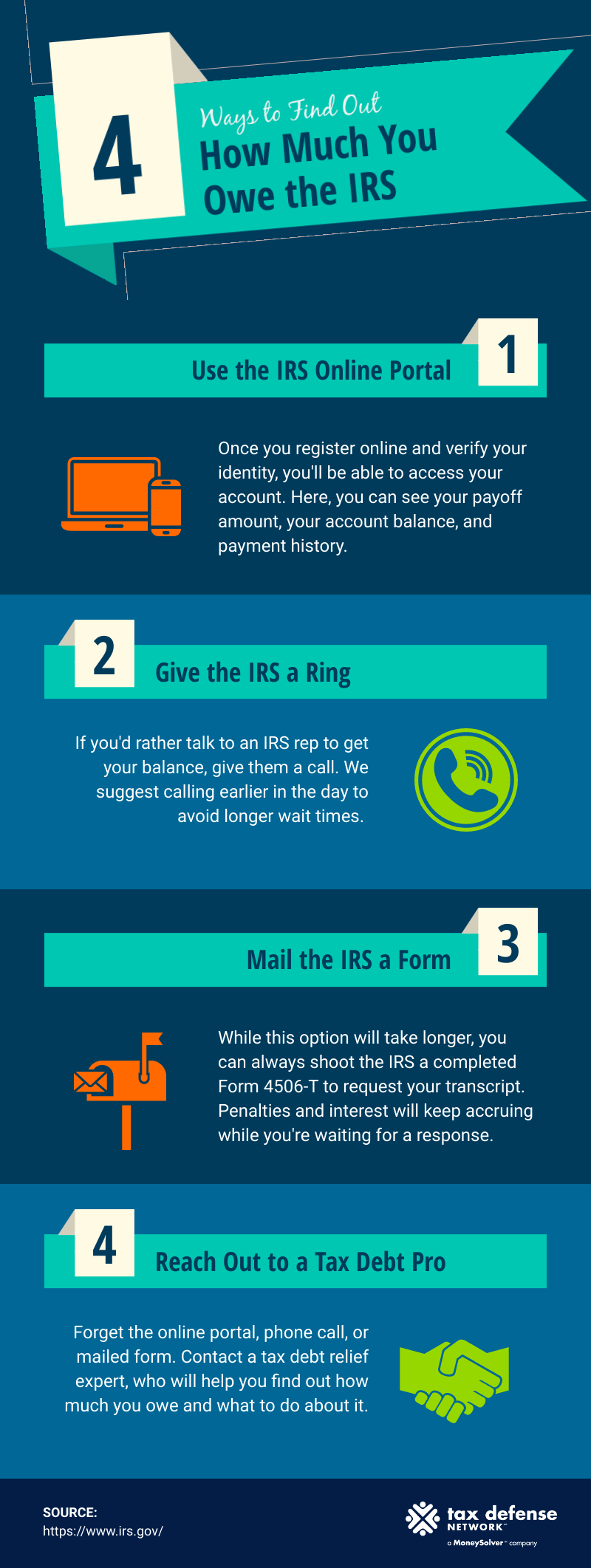
Direct Methods to Access Your IRS Tax Account Information
The digital age has streamlined much of the interaction with government agencies, and the IRS is no exception. Several direct methods allow you to securely view your tax history and current balance without the need for extensive paperwork or phone calls. These online tools are often the quickest and most efficient way to get the information you need.
IRS Online Account
The IRS Online Account is arguably the most comprehensive and user-friendly tool for taxpayers. It provides a secure portal to access a wealth of personal tax information. Once registered and verified, you can see your tax balance, payment history, payment plan details, and even view your tax records.
- How to Set Up: To access your online account, you’ll need to visit the IRS website (IRS.gov) and follow the prompts to create an account. This process involves a rigorous identity verification procedure, which may require a photo of your ID and a real-time selfie. This stringent security is in place to protect your sensitive financial data from unauthorized access.
- What You’ll Find: Once logged in, you can view your current balance due for the current and prior tax years, see any scheduled or pending payments, review up to 18 months of payment history, and even access tax transcripts. This centralized dashboard offers an invaluable overview of your tax standing with the IRS.
- Why It’s Essential: For anyone with an ongoing tax obligation or a desire for transparency, the IRS Online Account is an indispensable financial tool, providing real-time data and the ability to make payments directly.
Requesting a Transcript (Account Transcript)
An IRS tax transcript provides a summary of your tax return information and can often confirm whether you have a balance due. While not as interactive as the online account, it’s a reliable way to get an official snapshot of your tax situation.
- How to Request: You can request various types of transcripts, but the “Account Transcript” is most relevant for identifying what you owe. This can be done in a few ways:
- Online: Use the “Get Transcript Online” tool on IRS.gov. You’ll need to pass an identity verification process similar to setting up an IRS Online Account.
- By Mail: Use the “Get Transcript by Mail” tool, or complete and mail Form 4506-T (Request for Transcript of Tax Return). The transcript will be mailed to the address on file with the IRS, typically within 5 to 10 calendar days.
- By Phone: You can call the automated transcript service at 1-800-908-9946.
- What It Shows: An Account Transcript shows most line items from your original tax return, along with any adjustments made by you or the IRS, and your payment history. It will clearly indicate any balance due, including penalties and interest.
- Limitations: While informative, transcripts don’t offer the interactive payment options or the comprehensive dashboard view of the IRS Online Account.
Reviewing Prior Year Tax Returns
A foundational, albeit less comprehensive, step to understanding your tax obligations is to simply review your previously filed tax returns. This method is useful for estimating and identifying potential discrepancies, especially if you have a copy of the return you submitted.
- Its Utility: If you filed a return and it showed a balance due, and you haven’t paid it, then that amount (plus any accrued interest and penalties) is what you owe. Your copy of Form 1040 (or other relevant tax forms) will have a line item indicating your tax liability.
- What It Doesn’t Show: This method won’t tell you about any subsequent adjustments made by the IRS, penalties and interest accrued since the filing date, or any payments you’ve made that haven’t yet been processed. It serves as a starting point, but often requires confirmation via one of the more direct methods above.
What to Do If You Can’t Access Online Information or Need Further Assistance
While online tools are convenient, they may not be accessible to everyone, or your situation might be too complex for a simple transcript review. In such cases, the IRS provides traditional channels for assistance, and tax professionals can offer invaluable support.
Calling the IRS Directly
Sometimes, a direct conversation with an IRS representative is the most effective way to clarify your tax obligations. This is especially true if you have specific questions about your balance or believe there’s an error.
- General IRS Phone Numbers: The main IRS tax help line is 1-800-829-1040. You can also find specialized numbers for various departments on IRS.gov.
- Information to Have Ready: Before calling, ensure you have your Social Security number (SSN) or Individual Taxpayer Identification Number (ITIN), date of birth, and the tax year(s) in question. Be prepared to answer security questions to verify your identity.
- Setting Expectations: Wait times can be long, particularly during peak tax season. It’s advisable to call early in the morning or late in the afternoon for potentially shorter waits. Keep detailed notes of your conversation, including the representative’s name and badge number.
Contacting a Tax Professional
For intricate tax situations, significant tax debt, or when you suspect an error in IRS records, engaging a tax professional can provide peace of mind and expert guidance.
- Role of Professionals: Certified Public Accountants (CPAs), Enrolled Agents (EAs), and tax attorneys are equipped to navigate complex tax issues. They can communicate with the IRS on your behalf, help interpret notices, verify your balance, and advise on the best course of action.
- When to Consider: If you have multiple years of unfiled returns, a large balance due with penalties and interest, or if you’ve received official collection notices (like a lien or levy), a tax professional’s expertise is highly recommended. They can also help you understand your options for payment plans or relief.
Visiting a Taxpayer Assistance Center (TAC)
For in-person help, Taxpayer Assistance Centers (TACs) are IRS offices that provide face-to-face assistance.
- Purpose of TACs: TACs can help with account inquiries, payment issues, and understanding IRS notices. They are particularly useful if you need help with identity verification for online services or prefer direct interaction.
- Appointments and Requirements: Most TACs now require an appointment. You can find a local TAC and schedule an appointment by calling 1-844-545-5640. Be sure to bring all relevant identification and tax documents.
- Limitations: TAC services are primarily for taxpayers who need help resolving tax issues that cannot be handled online or by phone. They typically do not prepare tax returns.
Understanding Your IRS Balance Due and What It Means
Once you’ve identified that you have an IRS balance due, the next crucial step is to understand the components of that debt. An “amount due” isn’t always just the tax you originally owed; it often includes additional charges.
Decoding Your Tax Statement or Transcript
When reviewing your IRS online account, a notice, or an account transcript, you’ll encounter specific terminology that breaks down your total liability.
- Balance Due: This is the total amount currently owed, encompassing the original tax, penalties, and interest.
- Penalties: The IRS assesses penalties for various reasons, including failure to file on time, failure to pay on time, and accuracy-related issues (e.g., underpayment due to negligence or disregard of rules). Penalties can significantly inflate your debt.
- Interest: Interest is charged on underpayments and unpaid balances from the original due date of the tax until the date of payment. Interest rates are set quarterly and can also apply to unpaid penalties.
- Estimated Tax Payments: If you are self-employed or have other income not subject to withholding, you may be required to make estimated tax payments throughout the year. Your transcript will show these payments and how they offset your total tax liability.
Differentiating Between Current Year and Prior Year Balances
It’s important to distinguish between a balance due for the current tax year and one from a previous year.

- Current Year: This typically refers to the tax year for which returns were recently due.
- Prior Year: These are balances from any tax year preceding the current one.
- Why It Matters: The distinction affects how the IRS approaches collection, payment options, and the statute of limitations for collection actions. Older debts may have accumulated substantial penalties and interest, and certain collection efforts might intensify as the collection statute of limitations (generally 10 years from the assessment date) approaches.
Implications of Unpaid Taxes
Ignoring an IRS tax debt can lead to severe consequences. The IRS has significant power to collect unpaid taxes.
- Liens: A federal tax lien is the government’s legal claim against your property (including future property) when you neglect or fail to pay a tax debt. It secures the government’s interest in all your property.
- Levies: A levy is the legal seizure of your property to satisfy a tax debt. Levies can be applied to bank accounts, wages, investment accounts, and even physical property.
- Wage Garnishments: A form of levy where the IRS instructs your employer to send a portion of your wages directly to the IRS until your debt is paid.
Understanding these implications underscores the importance of promptly addressing any identified tax debt.
Strategies for Addressing an IRS Tax Debt
Discovering you owe the IRS can be daunting, but the agency offers various options to help taxpayers resolve their debts. The key is to take action as soon as possible.
Paying in Full
The simplest and most cost-effective option is to pay your tax debt in full. This avoids additional penalties and interest. You can typically pay online through your IRS Online Account, by direct pay, debit card, credit card, or by check/money order.
Short-Term Payment Plan
If you can pay off your tax liability within 180 days, you might qualify for a short-term payment plan. While penalties and interest still apply, this option provides a brief extension without the need for a formal installment agreement.
Offer in Compromise (OIC)
An Offer in Compromise allows certain taxpayers to resolve their tax liability with the IRS for a lower amount than what they originally owe.
- When It’s Applicable: An OIC is typically considered when there’s doubt as to collectability (you can’t afford to pay your full debt), doubt as to liability (there’s a genuine dispute about the amount of tax owed), or effective tax administration (exceptional circumstances where collecting the full amount would cause significant financial hardship).
- Challenges: The OIC process is rigorous, requiring extensive financial disclosure, and not all applicants are approved. It’s often best navigated with a tax professional.
Installment Agreement
If you can’t pay your tax debt in full, an installment agreement allows you to make monthly payments over an extended period, typically up to 72 months.
- How It Works: The IRS will set up a payment plan, and while penalties and interest continue to accrue (though penalties may be reduced), it prevents more aggressive collection actions like levies.
- Eligibility: Generally, individuals who owe a combined total of $50,000 or less (including tax, penalties, and interest) and have filed all required returns can apply for an online payment agreement.
Currently Not Collectible (CNC) Status
For taxpayers experiencing severe financial hardship, the IRS may temporarily place their account in “currently not collectible” status. This means the IRS has determined you cannot pay any of your tax debt due to your financial condition. Collection efforts will cease for a period, though interest and penalties continue to accrue, and the IRS will periodically review your financial situation.
Proactive Measures to Avoid Future Tax Surprises
Preventing future tax debt is always preferable to resolving it. A few proactive financial habits can keep you on good terms with the IRS.
Accurate Record Keeping
Maintaining organized and accurate records of income, expenses, deductions, and credits throughout the year is paramount. Good records simplify tax preparation and provide documentation if the IRS has questions.
Adjusting Withholding/Estimated Payments
Review your W-4 form with your employer annually, especially after major life changes (marriage, children, new job), to ensure the correct amount of tax is withheld from your paycheck. If you’re self-employed, regularly review your estimated tax payments to avoid underpayment penalties. The IRS Tax Withholding Estimator is a useful online tool for this.
Regular Tax Check-ups
Don’t wait until tax season to think about your taxes. Periodically review your financial situation, significant transactions, and potential tax implications. This can help identify issues before they become major problems.
Seeking Professional Guidance
Engaging a tax professional for ongoing advice, not just for tax preparation, can be an excellent investment. They can help with tax planning, identify potential deductions, and ensure you remain compliant with tax laws, minimizing the risk of future surprises.

Conclusion
Knowing what you owe the IRS is the first step towards sound financial management and peace of mind. The IRS offers a range of tools, from secure online accounts and transcript requests to direct phone lines and in-person assistance, to help you ascertain your tax obligations. Once identified, understanding the components of your debt—including penalties and interest—is crucial. Most importantly, never ignore a tax debt. By proactively utilizing the available payment strategies or seeking professional guidance, you can effectively manage your IRS obligations, prevent severe consequences, and maintain a healthy financial standing. Taking control of your tax situation means taking control of your financial future.
aViewFromTheCave is a participant in the Amazon Services LLC Associates Program, an affiliate advertising program designed to provide a means for sites to earn advertising fees by advertising and linking to Amazon.com. Amazon, the Amazon logo, AmazonSupply, and the AmazonSupply logo are trademarks of Amazon.com, Inc. or its affiliates. As an Amazon Associate we earn affiliate commissions from qualifying purchases.