
In the increasingly digitized world of personal finance, understanding the foundational elements of your bank account remains paramount. Among the most critical pieces of information are your account and routing numbers. These seemingly simple strings of digits are the bedrock upon which nearly all financial transactions are built, from receiving your paycheck via direct deposit to paying bills online, sending money to friends, or even filing your taxes. Yet, despite their importance, many individuals find themselves momentarily stumped when asked to provide them. This comprehensive guide will demystify these essential financial identifiers, showing you exactly where to find them, why they matter, and how to protect them.

Understanding Your Account and Routing Numbers: The Essentials
Before diving into how to locate these numbers, it’s crucial to grasp what each one represents and why they function together. Think of them as the unique address for your money within the vast financial system.
What is an Account Number?
Your account number is a unique identifier assigned by your bank to your specific checking, savings, or money market account. It’s akin to your individual house number on a street. This number typically ranges from 10 to 12 digits, though it can vary by institution. Its primary purpose is to distinguish your particular account from all other accounts held at the same bank. When money needs to be directed to your specific funds, this is the number that pinpoints exactly where it should go. Without it, transactions would be impossible to process accurately, as funds would have no defined destination within the bank.
What is a Routing Number?
A routing number, also known as an ABA (American Bankers Association) routing transit number, is a nine-digit code that identifies your financial institution. It acts like the zip code or street name for your bank. In the U.S., these numbers were established in 1910 by the ABA to facilitate the processing of paper checks. Today, they are essential for various electronic transfers, including Automated Clearing House (ACH) transactions (like direct deposits and automatic bill payments) and wire transfers. While an account number identifies your specific account, the routing number identifies your bank among the thousands of financial institutions operating in the U.S. Some banks may have multiple routing numbers depending on the type of transaction or the geographic location where the account was opened.
Why Are These Numbers Important?
These two numbers, working in tandem, are the fundamental coordinates for your financial life. Their importance cannot be overstated in a modern financial landscape:
-
Direct Deposit: Your employer needs both your account and routing numbers to electronically deposit your paycheck directly into your bank account. This eliminates the need for paper checks and speeds up access to your funds.
-
Automated Bill Payments: Setting up recurring payments for utilities, loans, or subscriptions often requires these numbers to allow the service provider to debit funds directly from your account.
-
Electronic Fund Transfers (EFTs): Sending or receiving money electronically from other individuals, businesses, or government agencies (like tax refunds) relies heavily on these identifiers.
-
Wire Transfers: For faster, often international, money transfers, both numbers are critical to ensure funds reach the correct recipient bank and account.
-
Tax Filings: When receiving a tax refund via direct deposit, you’ll need to provide these numbers to the IRS.
Understanding their individual roles and collective importance is the first step in confidently managing your financial information.
Your Go-To Sources for Locating These Crucial Details
Fortunately, your bank ensures that your account and routing numbers are accessible through several convenient channels. The key is knowing where to look.
Check Your Physical Checks
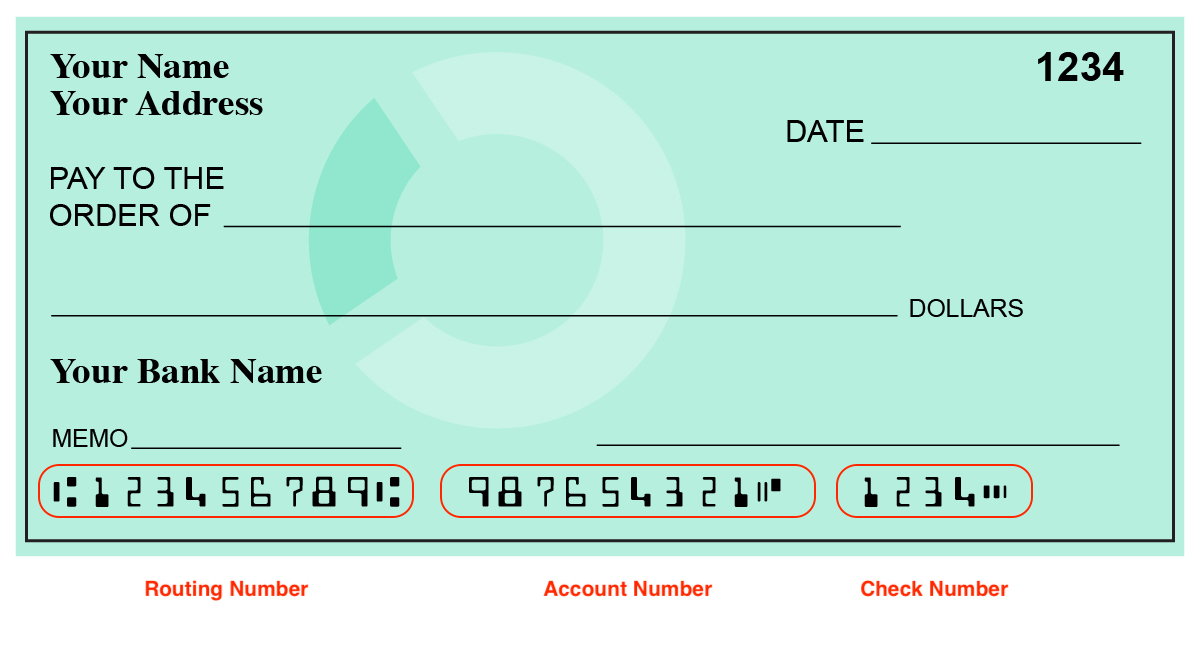
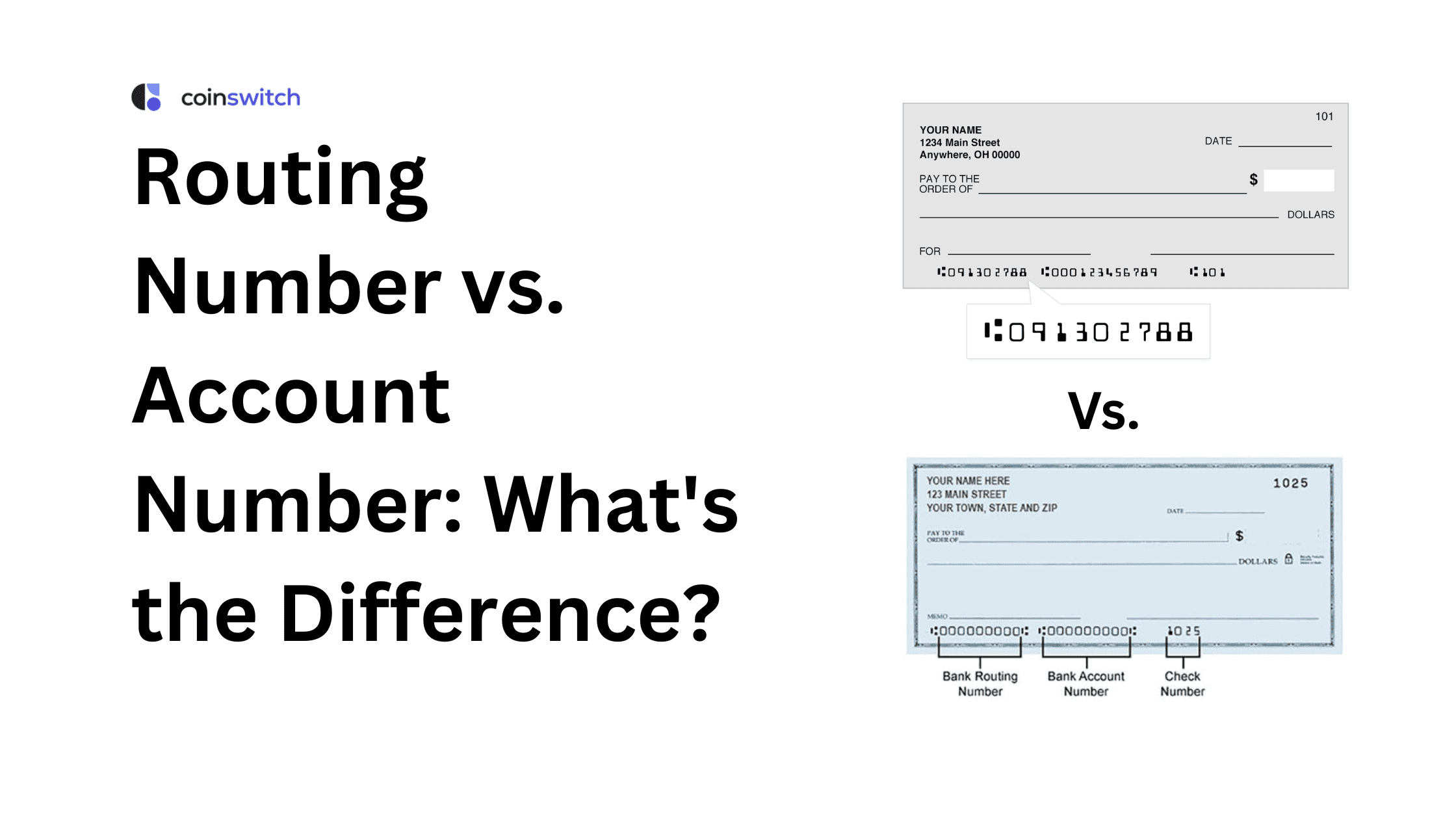
For most people, the most traditional and often quickest way to find these numbers is by looking at a physical check. If you have a checkbook, grab one of your blank checks and observe the bottom edge. You’ll typically find three sets of numbers printed in a special font (MICR – Magnetic Ink Character Recognition).
From left to right, you will usually see:
-
Routing Number: This is almost always the first nine-digit number on the left.
-
Account Number: This is typically the second set of numbers, often appearing in the middle.
-
Check Number: The third set of numbers, usually on the far right, is the individual check number.
Be aware that sometimes the order can vary slightly, especially if your checks are from a credit union or a non-traditional bank, but the routing number is almost universally the first nine digits on the left.
Leverage Your Online Banking Portal or Mobile App
In today’s digital age, your online banking portal or mobile app is arguably the most convenient and frequently used method for accessing your financial details. Banks have streamlined their digital platforms to provide easy access to this information.
Here’s a general guide:
-
Log In: Access your bank’s website or open their mobile application and log in using your credentials.
-
Navigate to Account Details: Look for a section like “Account Summary,” “Account Details,” “Statements,” or “Manage Account.” You might need to click on the specific checking or savings account for which you need the numbers.
-
Locate the Numbers: Your account number will usually be clearly displayed. For the routing number, you might find it listed under “Account Information,” “Direct Deposit Information,” or “Wire Transfer Information.” Some apps might require you to tap on “Show Details” or a similar button to reveal sensitive information.
-
Security Reminder: While online banking is secure, always ensure you are on your bank’s official website or app to avoid phishing scams.
Consult Your Bank Statements
Whether you receive paper statements in the mail or access e-statements online, your bank statements are another reliable source for both your account and routing numbers.
-
Paper Statements: Your full account number and the bank’s routing number are usually printed at the top or bottom of your statement, often near your name and address or in a dedicated “Account Information” section.
-
E-Statements: If you’ve opted for paperless statements, you can access past statements through your online banking portal. Download a recent PDF statement, and you’ll find the information in the same prominent locations as a physical statement. This is also a good option if you don’t have checks and prefer not to navigate directly through account details.
Contact Your Bank Directly
If you’ve exhausted the self-service options or prefer to speak with a representative, contacting your bank directly is always a viable solution.
-
Customer Service Hotline: Call your bank’s customer service number (typically found on their website, the back of your debit card, or on a statement). Be prepared to verify your identity with personal information such as your full name, address, date of birth, and potentially the last four digits of your Social Security number.
-
In-Person Visit: If you’re near a branch, you can visit a teller or a customer service representative. They can provide you with your account and routing numbers after verifying your identity. Bring a valid photo ID, such as a driver’s license or passport.
Specific Scenarios and Considerations
While the general methods cover most situations, specific circumstances or account types may require additional awareness.
Finding Numbers for Different Account Types
-
Checking Accounts: As discussed, checks, online banking, statements, and customer service are all reliable for checking accounts.
-
Savings Accounts: Most banks use the same routing number for both checking and savings accounts. Your savings account number will be distinct from your checking account number but can be found through online banking, statements, or by contacting customer service. Savings accounts typically do not come with checks.
-
Credit Cards: It’s crucial to understand that credit card numbers are not account numbers in the same way as checking or savings accounts, and they do not have routing numbers. Credit cards operate on different networks (Visa, Mastercard, American Express, Discover) and use a 16-digit card number, an expiration date, and a security code (CVV/CVC) for transactions. Do not confuse these with bank account and routing numbers.
-
Brokerage Accounts: For investment accounts, you usually won’t have a routing number associated directly with the account. Instead, you’ll use the routing and account number of a linked bank account (your checking or savings) to fund your brokerage account or withdraw funds from it. Brokerages might have internal account numbers or transfer codes for specific transactions, but these are distinct from traditional bank routing numbers.
What If I Don’t Have Checks?
With the rise of digital banking, many people no longer use physical checks. If you fall into this category, your online banking portal, mobile app, or bank statements become your primary self-service methods. Don’t worry; checks are not a prerequisite for finding your account and routing numbers.
Navigating Bank Mergers and Acquisitions
Bank mergers and acquisitions are common occurrences. When two banks combine, their routing numbers can change, or the acquiring bank may gradually transition all accounts to its own routing numbers. While this process is typically managed smoothly by the banks, it’s essential to:
-
Stay Informed: Pay attention to communications from your bank regarding mergers.
-
Verify After Merger: If your bank merges, it’s a good practice to verify your routing number through your online portal or a new statement, especially before setting up new direct deposits or automatic payments. Old routing numbers might still work for a transitional period, but it’s best to update them proactively.
Security Best Practices and Common Pitfalls
Your account and routing numbers are sensitive financial information. While they are necessary for legitimate transactions, they can also be exploited if they fall into the wrong hands. Protecting them is paramount.
Protecting Your Financial Information
-
Be Discerning About Sharing: Only provide your account and routing numbers to trusted entities for legitimate purposes (e.g., your employer for direct deposit, a reputable biller for automatic payments).
-
Secure Online Access: Always use strong, unique passwords for your online banking. Enable two-factor authentication (2FA) if your bank offers it. Log out of your banking sessions when finished, especially on public computers or Wi-Fi.
-
Shred Old Statements/Checks: Don’t just toss old bank statements or voided checks in the trash. Shred them to prevent dumpster divers from accessing your information.
-
Beware of Phishing: Be extremely cautious of unsolicited emails, texts, or calls asking for your banking details. Banks will rarely ask for this information via unsecure channels. If in doubt, contact your bank directly using a verified number, not one provided in a suspicious message.
Verifying Information with Third Parties
Whenever you’re asked to provide your account and routing numbers to a new entity (like a new employer or a utility company), take a moment to double-check their legitimacy. Ensure you’re dealing with the actual company or organization. A quick search for their official website and contact number can provide peace of mind. Mistakes in entering these numbers can lead to delayed payments or, in worst-case scenarios, funds being sent to the wrong account, which can be challenging to recover.
What to Do If You Suspect Fraud
If you ever suspect that your account or routing numbers have been compromised, or if you notice unauthorized transactions, act immediately:
-
Contact Your Bank: Call your bank’s fraud department immediately. They can help you investigate suspicious activity, freeze your account, and guide you through the process of recovering funds or changing your account numbers if necessary.
-
Monitor Your Accounts: Regularly review your bank statements and online transaction history for any unfamiliar activity.
-
Report to Authorities: Depending on the nature of the fraud, you may also need to report it to law enforcement or relevant consumer protection agencies.
Beyond the Basics: Practical Applications
With a solid understanding of how to find and protect your account and routing numbers, you can confidently engage in a multitude of financial activities.
Setting Up Direct Deposit for Paychecks
This is arguably one of the most common uses for your bank account and routing numbers. When starting a new job, your employer will typically provide a direct deposit form. You’ll need to fill in your full name, your bank’s name, your account number, and your routing number. Some forms may also ask if it’s a checking or savings account. Once submitted, your paychecks will automatically appear in your account, saving you trips to the bank and ensuring timely access to your earnings.
Automating Bill Payments
Many service providers, from utility companies to lenders and subscription services, offer the option to set up automatic payments. This typically involves providing them with your bank account and routing numbers, authorizing them to debit the agreed-upon amount from your account on a recurring basis. This is an excellent way to avoid late fees and manage your budget, but always ensure you have sufficient funds to cover the debits.
Initiating Wire Transfers or ACH Payments
While both wire transfers and ACH payments involve electronic movement of funds using your account and routing numbers, they have distinct characteristics:
-
ACH Payments: These are processed through the Automated Clearing House network. They are generally less expensive, but take longer to process (typically 1-3 business days). ACH is used for direct deposits, automatic bill payments, and peer-to-peer payment apps like Venmo or PayPal when linking to a bank account.
-
Wire Transfers: These are faster (often same-day or within hours) and more expensive. Wire transfers are typically used for time-sensitive or large-value transactions, such as closing on a house or sending money internationally. For international wires, you might also need a SWIFT/BIC code in addition to your bank’s routing number, as the routing number is specific to U.S. banks.
In both cases, accurately providing your account and routing numbers (along with the recipient’s information) is critical to ensure the funds reach the intended destination without delay or error.
In conclusion, your account and routing numbers are not just arbitrary sets of digits; they are the essential keys to managing your financial life in the modern banking system. By knowing where to find them, understanding their purpose, and practicing diligent security, you empower yourself to navigate your personal finances with confidence and efficiency.
aViewFromTheCave is a participant in the Amazon Services LLC Associates Program, an affiliate advertising program designed to provide a means for sites to earn advertising fees by advertising and linking to Amazon.com. Amazon, the Amazon logo, AmazonSupply, and the AmazonSupply logo are trademarks of Amazon.com, Inc. or its affiliates. As an Amazon Associate we earn affiliate commissions from qualifying purchases.