
In the modern financial landscape, the seamless movement of money is the backbone of personal and business stability. Whether you are setting up a direct deposit for a new job, authorizing an automated bill payment for your mortgage, or receiving a tax refund from the IRS, there is one piece of information you will inevitably be asked to provide: your routing number.
While it may seem like just another string of digits in a sea of financial data, the routing number—also known as an ABA Routing Transit Number (RTN)—is a critical identifier that ensures your funds reach the correct destination. Despite its importance, many consumers find themselves scrambling to locate this number when a deadline looms. This guide provides an in-depth exploration of how to find your routing number, the logic behind the digits, and the best practices for managing this essential financial tool.

Understanding the Routing Number: More Than Just a String of Digits
To find and use a routing number effectively, one must first understand what it is and why it exists. In the United States, the routing number is a nine-digit code used to identify a specific financial institution in a transaction. This system was developed by the American Bankers Association (ABA) in 1910 to improve the efficiency of check processing.
What is an ABA Routing Number?
The ABA routing number serves as the “address” for your bank within the Federal Reserve’s clearinghouse system. Every bank that is federally or state-chartered and maintains an account with a Federal Reserve Bank is assigned at least one routing number. This number tells the banking system exactly where a payment should be sent. Without it, the automated systems that handle trillions of dollars in transactions daily would be unable to distinguish between a small credit union in Oregon and a massive national bank headquartered in New York.
How Routing Numbers Differ from Account Numbers
A common point of confusion for many bank customers is the difference between the routing number and the account number. Think of the routing number as the ZIP code of your bank; it identifies the general region and the specific institution. The account number, on the other hand, is like your specific street address or apartment number; it identifies your unique personal or business folder within that institution. You may share a routing number with millions of other customers at the same bank, but your account number is specific to you.
The Anatomy of a Routing Transit Number (RTN)
A routing number is not a random sequence. It follows a strict mathematical structure:
- The first two digits: These indicate the Federal Reserve district where the bank is located.
- The third digit: This identifies the Federal Reserve check processing center assigned to the bank.
- The fourth digit: This represents the state where the bank is located.
- Digits five through eight: These identify the specific institution.
- The ninth digit: This is a “check digit,” calculated using a complex formula of the first eight digits. It allows the system to verify that the routing number is valid and hasn’t been mistyped.
Where to Locate Your Routing Number Quickly
In the digital age, finding your routing number has become significantly easier, though the traditional methods remain the most reliable. Depending on your preference for paper or digital records, there are several places to look.
The Bottom of Your Physical Check
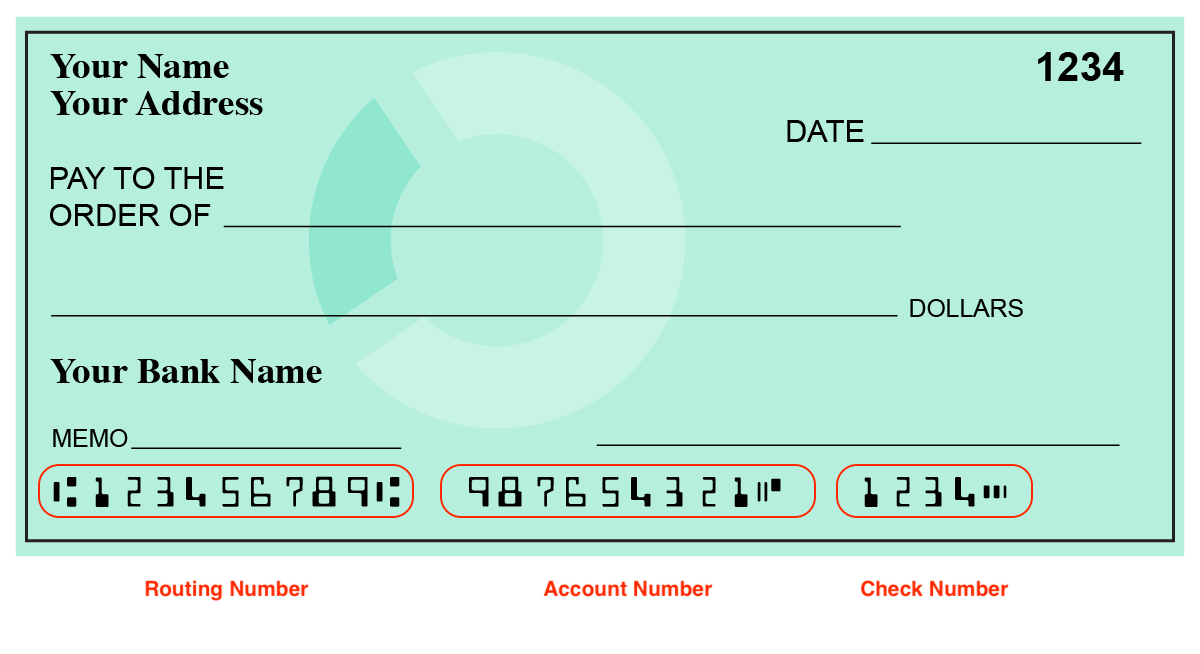
If you have a checkbook, the most direct way to find your routing number is to look at a physical check. At the bottom of every check is a line of numbers printed in a special font called MICR (Magnetic Ink Character Recognition). This line typically contains three sets of numbers:
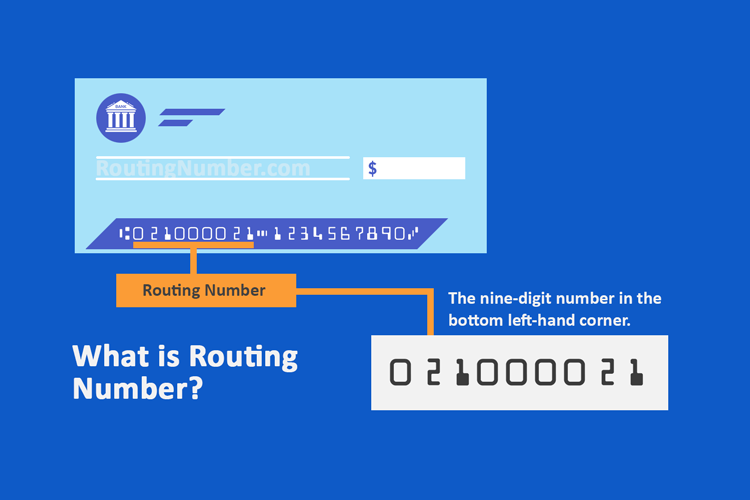
- The Routing Number: This is almost always the first set of nine digits on the far left. It is encased by a unique symbol that looks like a vertical line and a colon.
- The Account Number: This is usually the middle set of numbers.
- The Check Number: This is the shortest set of numbers, usually on the far right, matching the number in the top-right corner of the check.
Online Banking Dashboards and Mobile Apps
As more consumers move toward “checkless” banking, financial institutions have made routing numbers easily accessible via digital platforms. Once you log into your bank’s website or mobile app, navigate to the “Account Details” or “Account Summary” section. Often, you will see a link labeled “Direct Deposit Information” or “Routing and Account Numbers.”
It is important to note that if your bank operates in multiple states, the routing number displayed online will be specific to the region where you originally opened your account.
Bank Statements and Official Correspondence
If you don’t have a checkbook and cannot access your online account, your monthly bank statement is the next best resource. Both paper and electronic statements (e-statements) typically list the routing number in the header or the footer of the document, often near the bank’s logo or the summary of your account balance. Additionally, the “Welcome Kit” or account opening documents you received when you first joined the bank will contain this information.
Specialized Routing Numbers: Wire Transfers vs. ACH
One of the most frequent mistakes made in personal finance is assuming that a bank has only one routing number. In reality, large institutions often maintain several different routing numbers based on the type of transaction being performed.
The Difference Between Domestic and International Transfers
Routing numbers are primarily used for domestic transactions within the United States. These include ACH (Automated Clearing House) transfers—such as direct deposits and bill payments—and domestic wire transfers.
However, if you are receiving money from an international source, a standard nine-digit routing number is often insufficient. In these cases, you will likely need a SWIFT code (Society for Worldwide Interbank Financial Telecommunication) or a BIC (Bank Identifier Code). While these serve a similar purpose to a routing number, they are part of an international network that identifies banks globally.
Why Some Banks Have Multiple Routing Numbers
Many major national banks have separate routing numbers for “Paper/ACH” transactions and “Wire Transfers.”
- ACH Routing: Used for payroll, social security benefits, and automatic utility payments.
- Wire Routing: Used for high-priority, real-time transfers, such as the closing costs on a home purchase.
Using the ACH routing number for a wire transfer can lead to the transaction being rejected or delayed, which can be costly if you are on a tight deadline. Always verify with your bank which specific number is required for the type of transfer you are initiating.
Security and Best Practices for Sharing Your Banking Information
Because the routing number and account number together provide a direct path to your funds, they must be handled with care. However, the level of secrecy required for a routing number is different from that of a password or a PIN.
When It’s Safe to Provide Your Routing Number
Providing your routing number is a standard part of modern financial life. You must share it when setting up direct deposit with an employer, linking your bank account to a reputable investment platform (like Vanguard or Fidelity), or paying taxes. Because your routing number is printed on every check you give to a landlord, a small business, or a friend, it is not considered “secret” information in the same way a Social Security number is. However, it should only be provided to verified, legitimate entities.
Avoiding Direct Deposit and Electronic Transfer Scams
While the routing number itself isn’t a secret, scammers often use the promise of “easy setup” to trick people into revealing their full banking details. One common scam involves a fraudulent employer or “government official” asking for your routing and account numbers over an unsecured email or a suspicious link.
To protect your finances:
- Use Secure Portals: Only enter banking information on websites that use “https” and have a valid security certificate.
- Verify the Source: If an employer asks for your routing number, ensure you are communicating through official HR channels.
- Monitor Your Accounts: Check your transaction history regularly. If someone has your routing and account numbers, they could theoretically initiate an unauthorized ACH withdrawal. Detecting these early is key to recovering funds.
Frequently Asked Questions About Routing Numbers
To conclude this guide, we address some of the most common nuances that arise when dealing with routing numbers in a changing financial environment.
Can a Routing Number Change?
Yes. Although it is rare, routing numbers can change. This usually happens during a bank merger or acquisition. When “Bank A” buys “Bank B,” the Federal Reserve eventually consolidates the routing numbers. Usually, the bank will provide a grace period of several months or years where the old routing number still works, but eventually, you will need to update your direct deposit and autopay information to reflect the new number.
Finding a Routing Number Without a Checkbook
If you are a member of a “neobank” or a digital-only financial institution, you won’t have a checkbook to refer to. In these instances, your best resource is the bank’s official website. Most banks have a public-facing page (often found by searching “[Bank Name] + routing number” on a search engine) that lists their routing numbers by state. Since these numbers are public record, you can often find them without even logging into your account.
Does Every Account Have a Routing Number?
While most checking and savings accounts have routing numbers, some specialized investment accounts or lines of credit may not. If an account is not designed to receive direct deposits or process checks, it might not have an ABA routing number assigned to it. In these cases, you typically move money to a standard checking account first before transferring it externally.
By understanding the function, location, and security requirements of your routing number, you can manage your personal finances with greater confidence and precision. Whether you are a digital native or prefer traditional banking, the routing number remains the most vital bridge between your hard-earned money and the rest of the financial world.
aViewFromTheCave is a participant in the Amazon Services LLC Associates Program, an affiliate advertising program designed to provide a means for sites to earn advertising fees by advertising and linking to Amazon.com. Amazon, the Amazon logo, AmazonSupply, and the AmazonSupply logo are trademarks of Amazon.com, Inc. or its affiliates. As an Amazon Associate we earn affiliate commissions from qualifying purchases.