
In the intricate world of personal finance, your checking account number serves as a unique identifier, a digital fingerprint that distinguishes your account from millions of others. It’s a crucial piece of information, essential for everything from setting up direct deposits and automatic bill payments to facilitating wire transfers and managing your tax refunds. Yet, despite its importance, many individuals find themselves stumped when asked to produce it, often confusing it with their debit card number or simply not knowing where to look.
This comprehensive guide aims to demystify the process, providing clear, actionable steps to help you locate your checking account number with ease and confidence. We’ll delve into why this number is so vital, explore various methods for retrieval—both traditional and digital—and offer critical advice on safeguarding this sensitive financial data. Understanding how to quickly access this information is not just about convenience; it’s a fundamental aspect of efficient financial management and security in today’s digital age.

Why Your Checking Account Number Matters (And What It Is)
Before diving into how to find it, let’s establish a clear understanding of what your checking account number is, its companion—the routing number—and why both are indispensable for managing your finances effectively. These numbers are the bedrock upon which many financial transactions are built, acting as the precise coordinates for money movement.
Understanding Your Account and Routing Numbers
Your checking account number is a unique sequence of digits assigned by your bank to identify your specific account. It typically ranges from 8 to 12 digits, though this can vary by institution. It’s like your personal address within the bank’s system.
Complementing this is the routing number, often referred to as the American Bankers Association (ABA) routing transit number. This nine-digit code identifies your bank and the specific financial institution branch where your account was opened. Think of it as the bank’s “street address.” When you send money, the routing number directs it to the correct bank, and the account number ensures it lands in your specific account within that bank. Both are almost always needed together for electronic transactions.
Essential Uses for Your Checking Account Number
The utility of your checking account number extends across a wide spectrum of financial activities. Knowing where to find it and how to use it responsibly is paramount for modern financial living.
-
Direct Deposit: For many, this is the primary reason to know your account number. Employers use it to electronically deposit your paycheck directly into your account, often requiring both your account and routing numbers.
-
Automatic Bill Payments: Setting up recurring payments for utilities, loans, or subscriptions often necessitates providing your account number to ensure funds are debited correctly from your account.
-
Wire Transfers and ACH Payments: Whether you’re receiving a large sum or sending money to someone else, these numbers are crucial for initiating and receiving electronic funds transfers.
-
Tax Refunds: The IRS and state tax agencies use your account and routing numbers to directly deposit any refunds you may be due, often resulting in faster access to your money.
-
Linking External Accounts: If you use budgeting apps, investment platforms, or online payment services, you’ll frequently need your account number to link your checking account for transfers or withdrawals.
-
Paying by Check: While less common today, when you write a physical check, your account and routing numbers are pre-printed on it, authorizing the transfer of funds.
Distinguishing Between Account Numbers and Debit Card Numbers
A common point of confusion arises between checking account numbers and debit card numbers. It’s critical to understand they are entirely different and serve distinct purposes.
-
Debit Card Number: This is the 16-digit number found on the front of your debit card. It’s linked to your checking account but is primarily used for point-of-sale transactions (swiping, inserting, or tapping your card) and online purchases. It provides access to funds in your account via the card network (Visa, Mastercard, etc.).
-
Checking Account Number: This number directly identifies your bank account itself, independent of any card. It’s used for direct electronic transfers between banks, not for card-based purchases.
Never give out your checking account number for a simple purchase that could be made with your debit card number. Misunderstanding this distinction can expose you to unnecessary risks.
The Most Common Ways to Locate Your Account Number
Thankfully, banks make it relatively straightforward to find your checking account number through several established channels. These methods vary from physical documents to digital interfaces, offering flexibility based on your preference and situation.
Checking Your Physical Checks
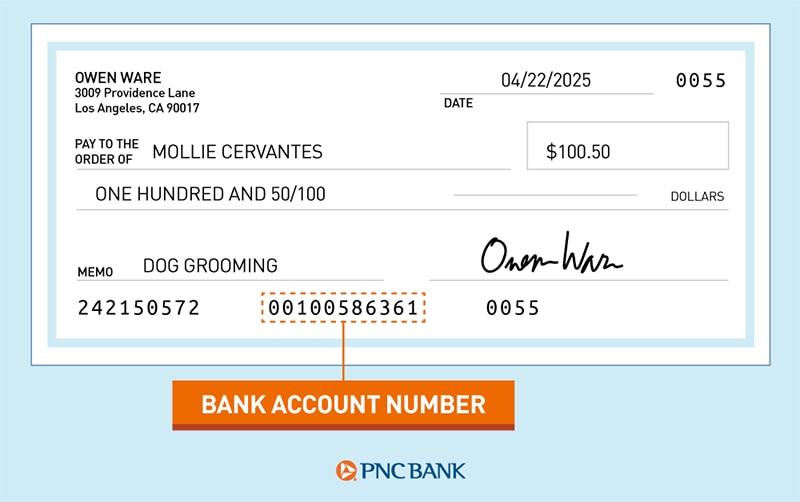
This is arguably the most traditional and often the quickest way to find both your checking account and routing numbers. Look at the bottom of any personalized check from your checking account. You will typically see three sets of numbers printed in a specific order:
-
Routing Number: The first set of nine digits on the far left.
-
Account Number: The middle set of digits (its length varies by bank).
-
Check Number: The last set of digits, which corresponds to the sequential number of the check itself.
If you have a checkbook handy, this method is usually instant. However, ensure it’s a personalized check; temporary checks might not have your account number correctly formatted or present.
Reviewing Bank Statements (Paper or Digital)
Your monthly bank statements are a treasure trove of information, including your full account number.
-
Paper Statements: If you receive paper statements by mail, your checking account number is typically printed near the top, often alongside your name and address, or within the account summary section.
-
Digital Statements: For those who’ve gone paperless, digital statements accessed through your online banking portal offer the same information. Download a recent PDF statement, and you’ll find the account number in a similar location as a physical statement. This is often an excellent choice as you can access past statements for historical reference.
Consulting Official Bank Documents
When you first opened your checking account, you would have received a welcome kit or a series of documents detailing your account information.
-
Welcome Kit/Account Agreement: These documents often contain your account number, along with other critical details about your account’s terms and conditions.
-
Deposit Slips: Similar to checks, personalized deposit slips also feature your account and routing numbers printed at the bottom. If you have any unused slips, they can be a quick reference.
-
Loan Documents/Investment Linkages: If you have other accounts or loans with the same bank, or if you’ve linked your checking account to an investment platform, sometimes these documents or platforms might display your linked account number.
It’s always a good practice to keep these initial banking documents in a secure, organized place for easy reference.
Digital Solutions for Instant Access
In today’s interconnected financial landscape, digital platforms offer perhaps the most convenient and immediate ways to retrieve your checking account number. Most banks have robust online banking portals and mobile applications designed to give you secure access to your financial details anytime, anywhere.
Utilizing Online Banking Portals
Your bank’s official website is a powerful tool for managing your accounts. Once you log in, you can typically find your checking account number with just a few clicks.
-
Log In Securely: Navigate to your bank’s website and enter your username and password. Always ensure you are on the legitimate bank website (check the URL for “https://” and the bank’s official domain name).
-
Navigate to Account Details: Once logged in, look for a section related to “Account Details,” “Account Summary,” “My Accounts,” or similar. Select your checking account.
-
Locate the Number: Your account number will usually be displayed on this page. Some banks might mask a portion of the number for security (e.g., ****1234) and require you to click a button or verify your identity (e.g., enter a password) to reveal the full sequence.
This method is generally very reliable and offers a complete overview of your account information.
Accessing Through Mobile Banking Apps
Mobile banking apps have revolutionized how we interact with our finances. They offer an on-the-go solution for finding your account number.
-
Download and Log In: If you haven’t already, download your bank’s official mobile app from your device’s app store. Log in using your credentials.
-
Find Account Information: Within the app, similar to the online portal, navigate to your checking account details. This might be under a “Summary,” “Accounts,” or a specific checking account tab.
-
Reveal Number: The app will typically display your account number, often with the same masking feature found on the website. You may need to tap on the masked number or follow a prompt to reveal it fully.
Mobile apps are excellent for quick lookups when you’re away from your computer. Ensure your app is always updated to the latest version for optimal security and functionality.
Caveats for Digital Retrieval
While digital methods are convenient, they come with crucial security considerations:
-
Strong Passwords: Always use strong, unique passwords for your online banking and mobile app.
-
Two-Factor Authentication (2FA): Enable 2FA whenever possible. This adds an extra layer of security, usually requiring a code from your phone in addition to your password.
-
Public Wi-Fi: Avoid accessing your bank accounts on unsecured public Wi-Fi networks, as these can be vulnerable to eavesdropping.
-
Device Security: Ensure your smartphone or computer is protected with passcodes, antivirus software, and kept up-to-date with security patches.
When to Contact Your Bank Directly
Despite the numerous self-service options, there are instances where reaching out directly to your bank is the most appropriate or only course of action. These situations often involve security concerns, lack of access to traditional methods, or needing verification.
Lost or Damaged Documents
If you’ve lost your checkbook, misplaced all your statements, or your original account documents are inaccessible, contacting your bank is a necessary step. They can verify your identity and provide the information securely.
Issues with Online Access
Should you forget your online banking password, be locked out of your account, or experience technical difficulties with the website or app, you won’t be able to retrieve your account number digitally. In such cases, the bank’s customer service can assist you in regaining access or providing the number after verifying your identity.
Verifying Information for Security
Sometimes, you might need to confirm the accuracy of your account number, especially when dealing with high-value transactions or new financial relationships. A quick call to your bank’s customer service can provide this peace of mind. Be prepared to answer several security questions to confirm your identity.
When contacting your bank:
-
Use Official Channels: Always use the official customer service number listed on their website or your bank statements, not numbers found through random online searches.
-
Be Prepared to Verify Your Identity: Banks will ask for personal information to confirm you are the account holder. This might include your full name, address, date of birth, Social Security Number (or part of it), and answers to security questions.
Safeguarding Your Financial Information
Finding your checking account number is one thing; protecting it is another. Because this number is a direct link to your funds, its security is paramount. A breach could lead to unauthorized transactions, identity theft, or significant financial headaches.
Best Practices for Physical Documents
-
Secure Storage: Keep physical checks, bank statements, and account opening documents in a safe and secure location, such as a locked filing cabinet, a home safe, or a secure box.
-
Shredding: When disposing of old bank statements, voided checks, or any document containing your account number, always shred them thoroughly. Do not simply throw them in the trash.
-
Limit Sharing: Avoid unnecessarily sharing your physical checks or deposit slips with others, especially if they don’t explicitly need your full account details.
Digital Security Measures
-
Secure Browsing: Only access your online banking from trusted, secure devices and networks. Avoid using public computers or public Wi-Fi for sensitive transactions.
-
Regular Password Changes: Change your online banking passwords periodically and ensure they are complex (a mix of uppercase, lowercase, numbers, and symbols).
-
Monitor Accounts: Regularly review your bank statements and online transaction history for any suspicious activity. Report discrepancies to your bank immediately.
-
Beware of Phishing: Be extremely cautious of emails, texts, or calls asking for your account number or other personal financial details. Banks will rarely ask for this information directly via unsolicited communication. If in doubt, contact your bank using an official number.
-
Antivirus and Software Updates: Keep your computer and mobile devices protected with up-to-date antivirus software and ensure your operating system and apps are updated to patch security vulnerabilities.
Recognizing and Avoiding Scams
Scammers are always looking for ways to trick individuals into divulging their financial information. Be vigilant for:
-
Phishing Emails/Texts: Messages designed to look like they’re from your bank, asking you to click a link and “verify” your account information.
-
Vishing (Voice Phishing): Phone calls from individuals pretending to be from your bank or a government agency, demanding your account number or other sensitive data.
-
Impersonation Scams: Scammers claiming to be from tech support, utility companies, or even charities, trying to gain access to your accounts.
Always remember that legitimate financial institutions will never ask you for your full account number, password, or PIN via unsolicited email or text. If you receive such a request, it is almost certainly a scam. When in doubt, always initiate contact with your bank through their official channels to verify any requests.

Conclusion
Your checking account number is a cornerstone of your personal financial infrastructure, enabling a vast array of transactions essential for modern living. While it might seem like a small detail, knowing exactly where and how to find it empowers you to manage your money efficiently and confidently. Whether you opt for the tangible evidence of a check, the detailed record of a bank statement, or the instant access of digital banking platforms, the options are readily available.
However, convenience must always be balanced with caution. The security of your checking account number—and all your financial data—is paramount. By adopting smart practices for storage, digital access, and vigilance against scams, you can ensure that this vital piece of information remains a tool for your financial control, not a vulnerability. Empower yourself with knowledge, secure your data, and navigate your financial world with greater ease.
aViewFromTheCave is a participant in the Amazon Services LLC Associates Program, an affiliate advertising program designed to provide a means for sites to earn advertising fees by advertising and linking to Amazon.com. Amazon, the Amazon logo, AmazonSupply, and the AmazonSupply logo are trademarks of Amazon.com, Inc. or its affiliates. As an Amazon Associate we earn affiliate commissions from qualifying purchases.