
In the modern financial landscape, your bank account number is more than just a string of digits; it is the primary coordinate for your personal economy. Whether you are setting up a direct deposit for a new job, authorizing an automated bill payment, or linking a high-yield savings account to your primary checking, knowing how to quickly and securely locate this number is a fundamental aspect of financial literacy.
Despite the prevalence of digital banking, many consumers find themselves momentarily confused when asked for their account details, often conflating the account number with the debit card number or the bank’s routing number. This guide provides a detailed roadmap for locating your bank account number through various channels, while also exploring the critical role this identifier plays in your broader personal finance management.
Traditional Physical Methods for Locating Your Account Number
Before the advent of smartphone apps, finding a bank account number was a matter of looking through physical paperwork. These traditional methods remain some of the most reliable ways to access your information without needing an internet connection or biometric login.
Deciphering the Anatomy of a Personal Check
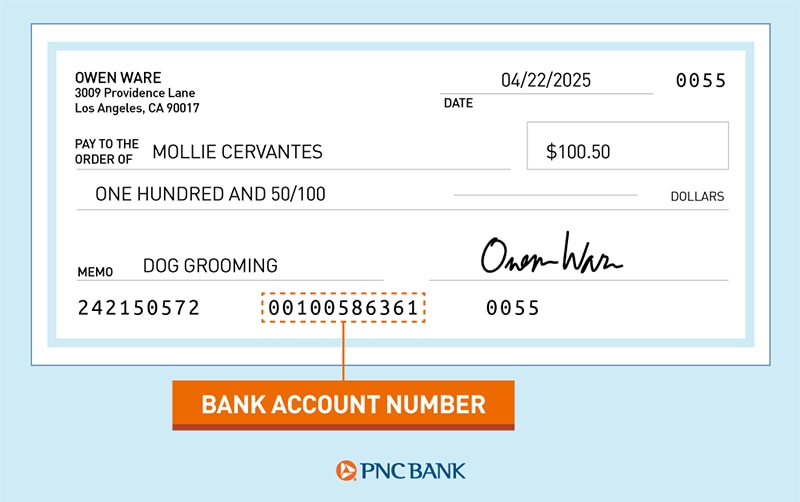
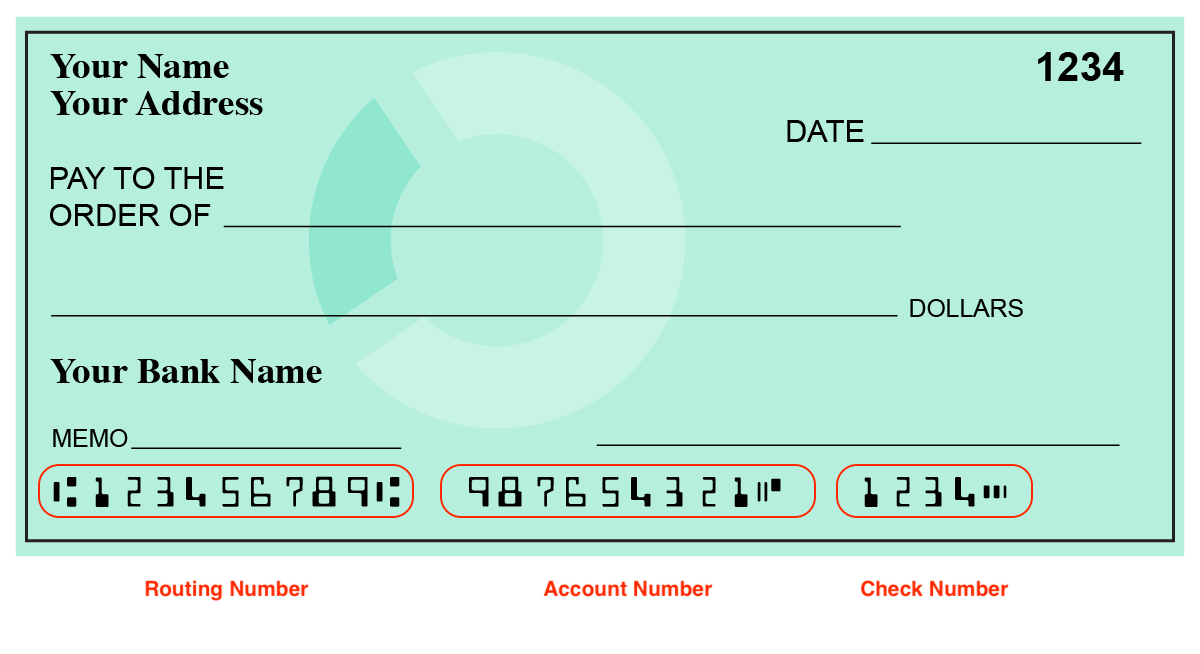
If you still use a physical checkbook, you are carrying your account number with you. Every personal check features a series of numbers printed in a specialized font at the bottom, known as the Magnetic Ink Character Recognition (MICR) line.
To find your account number on a check, look at the three distinct groups of numbers at the bottom. Usually, the first set of nine digits on the far left is the ABA Routing Transit Number (RTN), which identifies your specific financial institution. The second set of numbers, typically located in the middle, is your unique bank account number. The third, shorter set of digits on the far right is the individual check number. Note that some banks may swap the position of the account and check numbers, so it is helpful to compare the digits against a previous statement if you are unsure.
Reviewing Monthly Bank Statements
Your monthly bank statement—whether it arrives via mail or is downloaded as a PDF—is a legal record of your financial activity and contains all necessary identifying information. Typically, the account number is prominently displayed at the top of the first page, often labeled as “Account Summary” or “Account Number.” For security purposes, some banks may truncate the number on the statement (e.g., showing only the last four digits), but most full statements intended for the account holder’s records will display the complete sequence.
Checking the Original Bank Welcome Kit
When you first open a checking or savings account, the financial institution provides a “Welcome Kit” or a set of disclosure documents. These papers contain your account terms, fee schedules, and, crucially, your account and routing numbers. If you maintain a physical filing system for your personal finances, this is often the most authoritative place to find your information.
Leveraging Digital Banking and Mobile Platforms
In the era of FinTech, most consumers interact with their money through digital interfaces. Banks have streamlined their user experiences to ensure that account details are accessible within a few clicks or taps, provided you can clear security hurdles.
Utilizing Mobile Banking Applications
The mobile app is perhaps the most convenient tool for finding your account number on the go. Once you log in using your password or biometric ID (such as FaceID or a fingerprint), you can usually tap on the specific account you wish to view (e.g., “Total Checking”).
Inside the account dashboard, look for a tab labeled “Account Details,” “Show Account Info,” or a small “i” icon. For security reasons, many apps mask the account number by default. You may need to tap a “Show” or “Eye” icon to reveal the full string of digits. This layer of security ensures that if someone glances at your phone, they cannot immediately see your sensitive financial data.
Navigating Online Banking Portals
If you are working from a desktop or laptop, logging into your bank’s official website offers a similar experience to the mobile app but often with more comprehensive documentation. Once logged in, navigate to the “Accounts” or “Summary” page. Most modern banking portals provide a direct link to “Direct Deposit Information” or “Electronic Transfers,” which will clearly list both the routing number and the account number for the purpose of setting up external links.

Digital Wallets and Third-Party Integrations
For those who use personal finance aggregators like Mint, YNAB, or Empower, your account numbers might be stored within these platforms. However, most aggregators use encrypted tokens to communicate with your bank and may not show the full account number for security reasons. It is generally best to go directly to the source—your bank’s own platform—to ensure the accuracy of the number before using it for a transaction.
Direct Communication and In-Person Verification
When digital and physical documents are unavailable, or if you are dealing with a complex account structure (such as a trust or a business account), direct communication with the bank is the most secure recourse.
Visiting a Local Branch
If your bank operates physical locations, you can visit a branch and speak with a personal banker. To protect your identity, you will be required to provide a valid government-issued photo ID and potentially answer security questions. The banker can then provide you with a printed “Account Verification Letter” or a direct deposit form that contains your verified account and routing numbers. This is often the safest method if you suspect your online credentials have been compromised.
Contacting Customer Support via Phone
You can also call the customer service number found on the back of your debit card. Be prepared for a rigorous authentication process. The representative will likely ask for your Social Security number, recent transaction amounts, or your mother’s maiden name. Once your identity is confirmed, they can read the number to you or, more commonly, send a secure message to your online banking inbox containing the requested details. Note that for security reasons, many banks will not provide a full account number over an unencrypted phone line.
Distinguishing the Account Number from Other Financial Identifiers
One of the most common mistakes in personal finance management is the confusion between various sets of numbers associated with a single bank account. Misidentifying these can lead to failed transfers, late fees, or even funds being sent to the wrong institution.
Account Number vs. Debit Card Number
It is essential to understand that your 16-digit debit card number is not your bank account number. The debit card is a plastic tool used to access the funds in your account, but it has its own unique identifier and expiration date. If your debit card is lost or stolen, the bank will issue a new card with a new 16-digit number, but your underlying bank account number remains the same. When setting up automated “ACH” (Automated Clearing House) transfers, you must use the account number, not the card number.
Account Number vs. Routing Number
Think of the routing number as the address of the bank’s “building” and the account number as your specific “apartment unit” within that building. The routing number (a 9-digit code) tells the financial system which bank holds the money. The account number tells the bank which specific person the money belongs to. You need both to successfully move money between different financial institutions.
Security Best Practices for Your Financial Identifiers
Because your bank account number is a key that can unlock your wealth, protecting it is a cornerstone of digital security and personal branding in the financial space. Treating this number with the same level of confidentiality as your Social Security number is vital.
Guarding Against Identity Theft and Fraud
Armed with only an account number and a routing number, a sophisticated fraudster can potentially create fraudulent checks or initiate unauthorized ACH withdrawals. Never share your account number over email or text messages, as these are often unencrypted and susceptible to interception. Furthermore, be wary of “phishing” scams where callers or websites pose as your bank to solicit your account details. A legitimate bank will never ask you to provide your full account number via an unsolicited communication.
Safe Digital Storage for Financial Records
If you prefer to keep a digital record of your account numbers for easy access, avoid saving them in a plain text file or a “Notes” app on your phone. Instead, use a dedicated, encrypted password manager. These tools use high-level encryption to store sensitive data and require multi-factor authentication (MFA) to access. This ensures that even if your device is stolen, your financial coordinates remain shielded from unauthorized eyes.
Proactive Monitoring of Account Activity
The best defense against the misuse of your account number is constant vigilance. Set up real-time alerts through your bank’s mobile app to notify you of any withdrawal over a certain dollar amount. By monitoring your transactions daily, you can quickly identify if your account number has been compromised and work with your bank to freeze the account and issue a new number before significant damage occurs.
In conclusion, finding your bank account number is a straightforward process whether you utilize physical checks, mobile apps, or direct bank support. However, the ease of access should not diminish the importance of security. By understanding the distinction between your various financial identifiers and employing robust security habits, you can manage your personal finances with both efficiency and peace of mind.
aViewFromTheCave is a participant in the Amazon Services LLC Associates Program, an affiliate advertising program designed to provide a means for sites to earn advertising fees by advertising and linking to Amazon.com. Amazon, the Amazon logo, AmazonSupply, and the AmazonSupply logo are trademarks of Amazon.com, Inc. or its affiliates. As an Amazon Associate we earn affiliate commissions from qualifying purchases.