
Finding your Chase account number is a common need for a variety of financial tasks. While it might not be printed on your debit card, this critical piece of information is readily accessible through several secure and convenient channels. Understanding where to locate it and why you might need it is fundamental to managing your personal finances effectively. This guide will walk you through the most reliable methods, ensuring you can quickly and securely retrieve your account number whenever required.
Why You Might Need Your Chase Account Number
Your bank account number serves as a unique identifier for your specific financial account within Chase Bank. It’s distinct from your debit card number and is essential for a range of financial operations that go beyond simple transactions. Here are some of the most common scenarios where you’ll be asked to provide your Chase account number:
Setting Up Direct Deposit
Perhaps the most frequent reason individuals seek their account number is to set up direct deposit for their paychecks, government benefits, or tax refunds. Employers and benefit providers require both your account number and Chase’s routing number to ensure funds are transferred accurately and efficiently into your designated account. This streamlines income reception, eliminating the need for physical checks and often making funds available sooner.
Initiating Wire Transfers
Whether you’re sending a large sum of money internationally or receiving funds from another institution, wire transfers almost always necessitate your full account number. This method of fund transfer is often used for significant transactions like real estate purchases, car payments, or transferring money between different banks or countries. Accuracy is paramount here to avoid delays or misdirected funds.
Linking External Accounts
Many individuals manage their finances across multiple institutions. To link a Chase account to an external bank or investment platform for transfers, bill payments, or aggregation services, you’ll typically need to provide your Chase account number. This enables seamless movement of funds between your various financial holdings, facilitating better financial planning and liquidity management.
Paying Bills Electronically
While many modern bill payment systems only require your debit card number or online banking login, certain older or more specialized electronic bill payment services might still request your full account number for direct debit authorization. This ensures that payments are pulled directly from your account, providing a reliable and often automated way to manage recurring expenses.
Tax Purposes
For both receiving tax refunds directly or making tax payments electronically, the IRS and state tax authorities will require your bank account and routing numbers. This ensures a secure and expedient transfer of funds, avoiding potential delays associated with paper checks. Keeping your account number handy can simplify tax season.
Dispute Resolution
In the rare event of a transaction dispute or an issue with your account, Chase customer service or fraud department may ask for your account number to quickly identify your specific account and assist you more efficiently. Having it readily available can expedite the resolution process.
The Most Common Ways to Locate Your Chase Account Number
Chase provides several secure and straightforward methods to find your account number, catering to various preferences and situations. These methods leverage both digital and traditional banking resources.
Through Chase Online Banking or Mobile App
The most convenient and frequently used method for many customers is through Chase’s digital platforms. Both the online banking portal and the mobile app offer secure access to your account details.
Using Chase Online Banking (Desktop)
-
Log In: Navigate to the official Chase website (chase.com) and log in using your User ID and Password.
-
Select Account: Once logged in, you’ll see a summary of all your Chase accounts. Click on the specific checking or savings account for which you need the account number.
-
View Account Details: Look for a section or tab labeled “Account details,” “See account details,” or similar. Sometimes it’s under a drop-down menu or a link near your account balance.
-
Reveal Account Number: For security purposes, your full account number might be partially masked (e.g., ****1234). You’ll usually find a “Show full account number” or “Reveal” button. Clicking this will display the complete number after an additional security verification step, such as entering a code sent to your phone or email.
Using the Chase Mobile App
-
Log In: Open the Chase Mobile App on your smartphone or tablet and log in using your User ID and Password, or via biometric authentication (fingerprint, Face ID).
-
Select Account: From the account summary screen, tap on the checking or savings account you wish to view.
-
Access Account Details: Scroll down or look for an option like “Show details” or “Account details.”
-
Reveal Account Number: Similar to the desktop version, your account number might be partially obscured. Tap on the masked number or a “Show full account number” link. You may need to verify your identity again, often with a one-time passcode.
Security Note: Always ensure you are on the official Chase website or using the authentic Chase mobile app. Never share your login credentials with anyone, and be cautious of phishing attempts designed to steal your financial information.
On Your Checkbook or Deposit Slips
For those who still use paper checks or deposit slips, your account number is printed directly on them. This is a very reliable physical method.
-
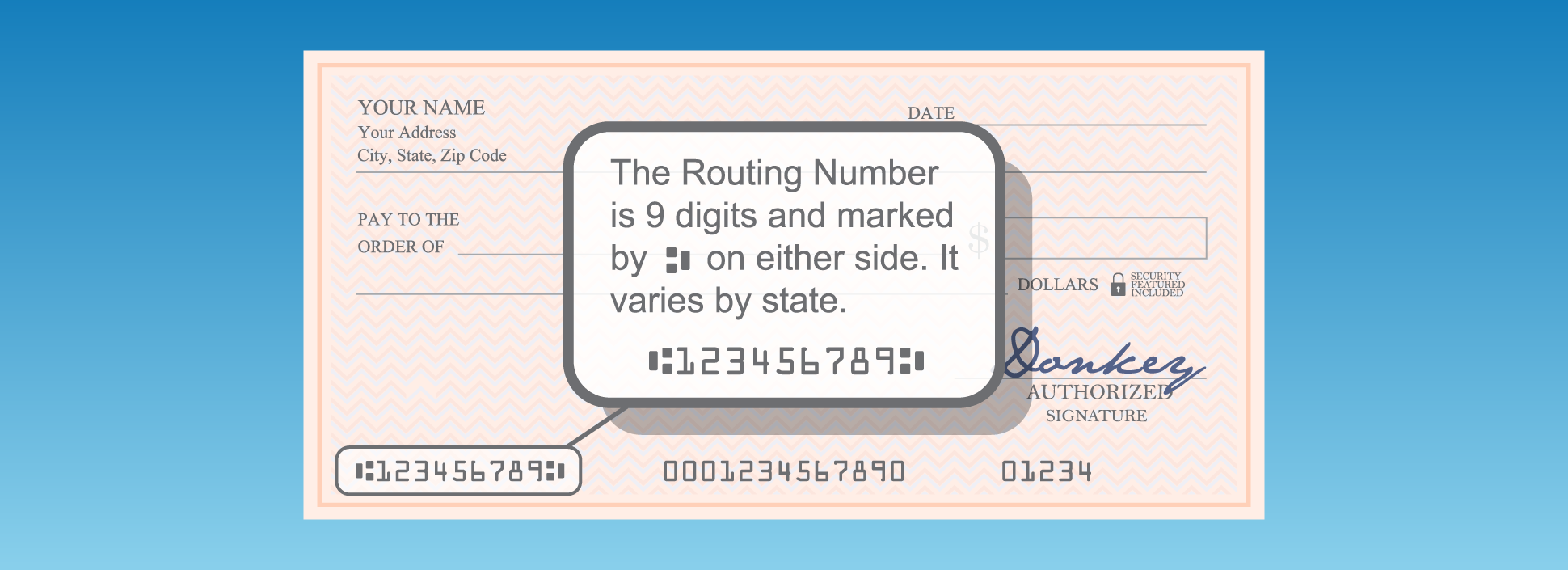
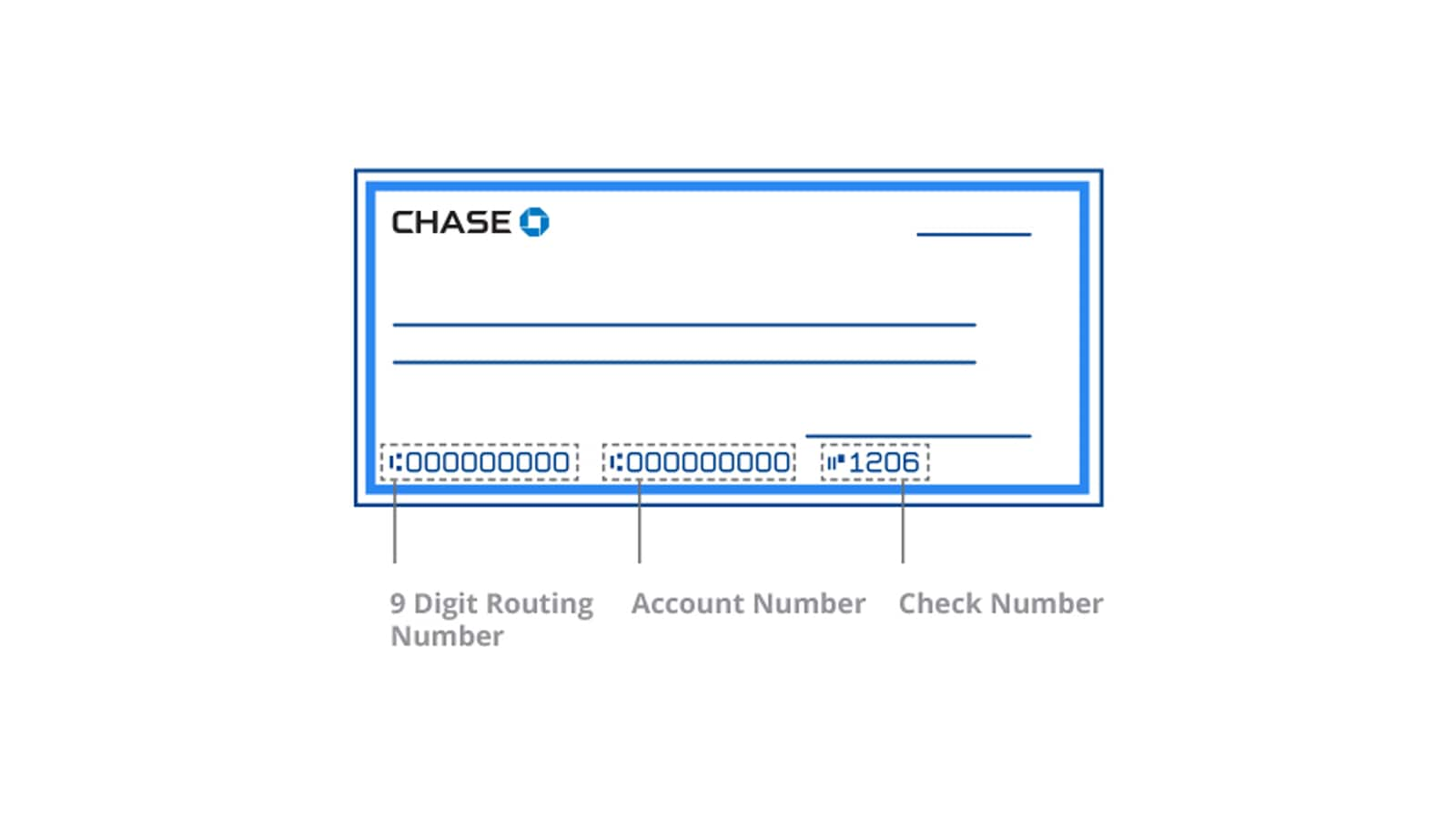
Location: Look at the bottom of a personal check or a deposit slip. You’ll see a series of numbers printed in a special font (MICR font).
-
Order of Numbers: From left to right, these numbers represent:
-
Routing Number: The first nine digits identify Chase Bank.
-
Account Number: The set of numbers in the middle is your specific account number.
-
Check Number: The last set of numbers corresponds to the specific check’s serial number (on checks only).
-
-
Important Distinction: Make sure you correctly identify your account number and do not confuse it with the routing number or check number. Your account number is typically the longest numerical sequence in the middle.
Via Your Monthly Bank Statement
Whether you receive paper statements in the mail or access them digitally, your Chase bank statement is another official document that clearly displays your account number.
-
Digital Statements: If you’ve opted for paperless statements, log into Chase Online Banking or the mobile app, navigate to the “Statements” section, and view or download a recent statement.
-
Paper Statements: If you receive statements by mail, simply locate your most recent one.
-
Location on Statement: Your full account number is usually printed near the top of the statement, often close to your name and address, or within the “Account Summary” section. Unlike online viewing where it might be masked, it’s typically fully visible on printed statements.

Calling Chase Customer Service
If digital methods or physical documents are unavailable or you prefer speaking with a representative, Chase customer service can provide your account number.
-
Phone Number: You can find Chase’s customer service number on the back of your debit card, on their official website (chase.com), or on your bank statement.
-
Verification Process: When you call, the representative will go through a rigorous identity verification process. Be prepared to provide personal information such as your full name, address, date of birth, Social Security Number (or parts of it), and potentially answer security questions related to your account history. This is a crucial step to protect your financial information from unauthorized access.
-
Time Consideration: This method might take longer due to wait times and the verification process, but it’s a secure option if other methods aren’t viable.
Less Common, but Still Viable Methods
While the previous methods are the most straightforward, there are a couple of other ways to retrieve your account number if primary options are not accessible.
Visiting a Chase Branch
For in-person assistance, visiting a local Chase branch is an option.
-
What to Bring: Make sure to bring a valid government-issued photo ID (e.g., driver’s license, passport).
-
Verification: A bank teller will verify your identity, often requesting additional information to confirm you are the account holder. Once verified, they can provide you with your account number directly. This method is secure but requires a physical visit during branch hours.
Previous Financial Documents or Applications
If you’ve previously set up direct deposit, linked accounts, or applied for certain financial services, your account number might be listed on those old forms or agreements.
-
Review Past Forms: Look through old direct deposit authorization forms, loan applications where you provided banking details, or other financial paperwork.
-
Security Risk: Exercise extreme caution when retrieving account numbers from old paper documents. Ensure they are kept in a secure location and dispose of them properly when no longer needed to prevent identity theft.
Important Security Considerations When Accessing Your Account Number
Your bank account number is highly sensitive financial information. Protecting it is paramount to preventing fraud and identity theft.
Protecting Your Login Credentials
Never share your User ID, password, or security challenge answers with anyone. Chase will never ask for your full password via email or unsolicited phone calls. Use strong, unique passwords for your banking accounts.
Be Wary of Phishing Scams
Phishing attempts often mimic legitimate banks to trick you into revealing sensitive information. Be suspicious of emails or messages asking for your account number, login details, or personal data, especially if they contain urgent requests or grammatical errors. Always verify the sender and, if in doubt, contact Chase directly using official contact information.
When to Share (and Not Share) Your Account Number
You generally need to share your account number for legitimate financial operations like setting up direct deposit, paying bills, or initiating wire transfers with trusted entities. However, you should never provide your account number to unsolicited callers, through suspicious emails, or on unsecured websites. Reputable companies will usually offer secure methods for you to provide this information.
Secure Disposal of Documents
When disposing of bank statements, old checks, or any documents containing your account number, always shred them thoroughly. Simply throwing them in the trash can expose you to identity theft.
Understanding Your Chase Routing Number vs. Account Number
It’s crucial to understand the difference between your routing number and your account number, as both are vital for different financial transactions.
What is a Routing Number?
A routing number (also known as an ABA routing transit number) is a nine-digit code that identifies the financial institution (in this case, Chase Bank) where your account is held. It directs funds to the correct bank. Chase has multiple routing numbers depending on the type of transaction and the geographic location where you opened your account.
When Do You Use Each?
-
Routing Number: Used to identify your bank. Essential for direct deposits, wire transfers, and automated clearing house (ACH) transactions.
-
Account Number: Used to identify your specific account within Chase Bank. Essential for directing funds to your individual checking or savings account once they reach Chase.
You’ll often need both the routing number and your account number in tandem for various financial operations. You can find your Chase routing number on your checks, bank statements, or by logging into Chase Online Banking and viewing your account details, typically alongside your account number.
By understanding these methods and security practices, you can confidently and securely access your Chase account number whenever it’s needed for your personal financial management.
aViewFromTheCave is a participant in the Amazon Services LLC Associates Program, an affiliate advertising program designed to provide a means for sites to earn advertising fees by advertising and linking to Amazon.com. Amazon, the Amazon logo, AmazonSupply, and the AmazonSupply logo are trademarks of Amazon.com, Inc. or its affiliates. As an Amazon Associate we earn affiliate commissions from qualifying purchases.