
Navigating the landscape of car insurance can often feel like deciphering a complex financial puzzle. For many, it represents a significant recurring expense, yet it’s a non-negotiable one for vehicle owners. The quest for “cheap car insurance” isn’t about compromising on essential protection; rather, it’s about smart financial planning, understanding market dynamics, and leveraging available strategies to minimize costs without sacrificing peace of mind. This comprehensive guide will dissect the various facets influencing insurance premiums and equip you with actionable strategies to secure the most affordable coverage tailored to your needs.
Understanding the Fundamentals of Car Insurance Costs
Before embarking on the hunt for cheaper premiums, it’s crucial to understand the intricate web of factors that insurers consider when calculating your rates. These elements form the bedrock of your policy’s cost, and a clear grasp of them is the first step towards financial optimization.
Factors Insurers Consider
Insurance companies are risk assessment businesses. They evaluate a multitude of personal and vehicle-related factors to determine the likelihood of you filing a claim and the potential cost of that claim. Key personal factors include your age, gender, marital status, and profession, as statistical data often links these demographics to varying levels of risk. For instance, younger, less experienced drivers typically face higher premiums due to a statistically greater propensity for accidents. Similarly, certain professions might be associated with less driving or a lower risk profile.
The Impact of Your Driving Record
Undoubtedly, your driving history is one of the most significant determinants of your insurance premiums. A clean driving record, free from accidents, traffic violations, and speeding tickets, signals to insurers that you are a low-risk driver, thereby qualifying you for lower rates. Conversely, a history of infractions, even minor ones, can significantly inflate your premiums. DUI convictions, reckless driving charges, or multiple at-fault accidents can lead to substantial increases and, in some cases, difficulty in securing coverage altogether. The good news is that most violations only impact your rates for a few years (typically three to five), meaning sustained safe driving can eventually lead to reduced costs.
Vehicle Type and Location: Hidden Cost Drivers
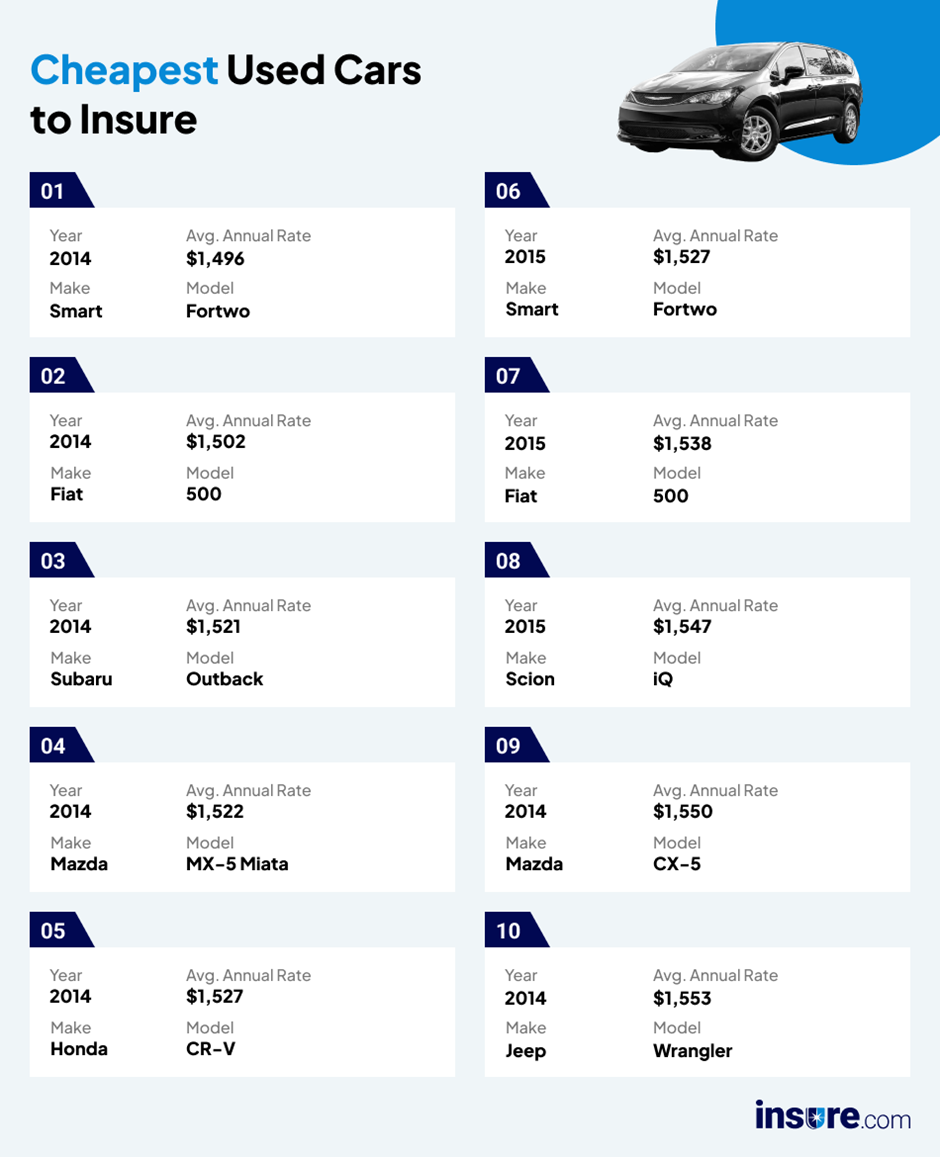
The car you drive and where you park it overnight also play a critical role in your insurance costs. Certain vehicle types are more expensive to insure due to factors like their market value, repair costs, safety ratings, and even their appeal to thieves. Luxury cars, high-performance sports cars, and vehicles with expensive, specialized parts will naturally command higher premiums. Similarly, older models that lack modern safety features might also see increased costs.
Furthermore, your geographical location is a powerful determinant. Urban areas, with higher traffic density, increased rates of accidents, and elevated levels of vandalism or theft, typically have higher insurance rates than rural or suburban locales. Even within the same city, specific zip codes can have vastly different average premiums due to localized crime rates, accident statistics, and road conditions. Insurers meticulously analyze these granular data points to price your policy accurately.
Strategic Approaches to Reducing Your Premiums
Armed with an understanding of how premiums are calculated, the next step is to actively implement strategies that directly reduce your financial outlay. These tactics often involve optimizing your policy structure and leveraging available financial incentives.
Maximizing Discounts and Bundling Opportunities
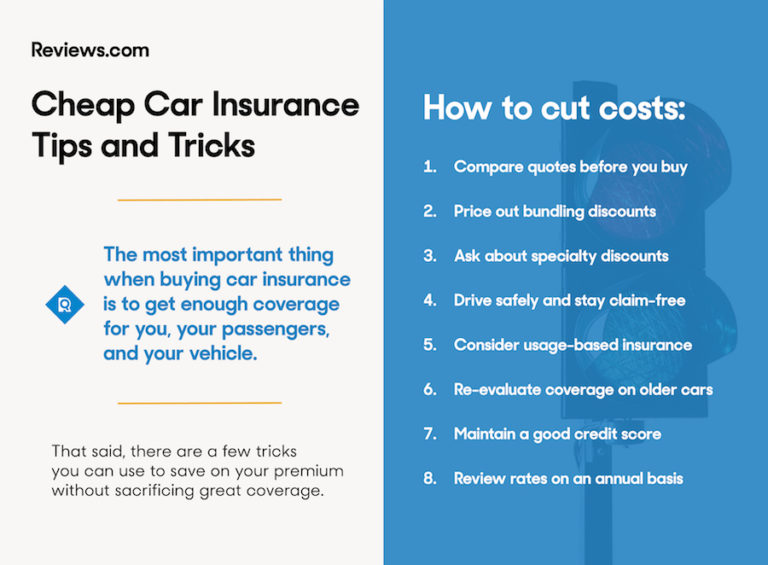
One of the most straightforward ways to cut costs is by aggressively seeking out and applying for every discount for which you qualify. Insurers offer a plethora of discounts, ranging from multi-policy discounts (bundling car and home insurance) and multi-car discounts to good student discounts, anti-theft device discounts, and even discounts for paying your premium in full or setting up automatic payments. Don’t assume your insurer will automatically apply these; always ask specifically about all available discounts and review your policy annually to ensure they are still being applied. Bundling, in particular, can lead to significant savings, often 10-25% on combined policies, making it a powerful financial tool for households.
Adjusting Coverage Levels and Deductibles
The type and amount of coverage you choose directly impact your premium. While it’s crucial not to underinsure, especially if you have a loan on your car, you might find opportunities to reduce comprehensive and collision coverage on older vehicles whose market value no longer justifies the cost. When considering liability coverage, always aim for adequate protection, but assess whether maximum limits are necessary based on your assets and risk tolerance.
Your deductible – the amount you pay out-of-pocket before your insurance kicks in – is another key lever. Opting for a higher deductible on your comprehensive and collision coverage can substantially lower your annual premiums. However, this strategy requires careful financial planning; ensure you have sufficient emergency savings to cover the higher deductible should you need to file a claim. It’s a trade-off between lower monthly payments and higher immediate out-of-pocket costs in case of an incident.
Improving Your Credit Score (Where Applicable)
In many states, your credit score, or more precisely, your credit-based insurance score, is a significant factor in determining your car insurance premiums. Insurers use these scores as a predictor of how likely you are to file a claim. Statistical analysis suggests that individuals with higher credit scores tend to file fewer claims. Therefore, maintaining a healthy credit score by paying bills on time, keeping credit utilization low, and responsibly managing debt can indirectly lead to lower insurance rates. While not an overnight fix, improving your financial health broadly contributes to cheaper insurance over time, reinforcing the interconnectedness of personal finance aspects.
Leveraging Comparison Tools and Shopping Smart
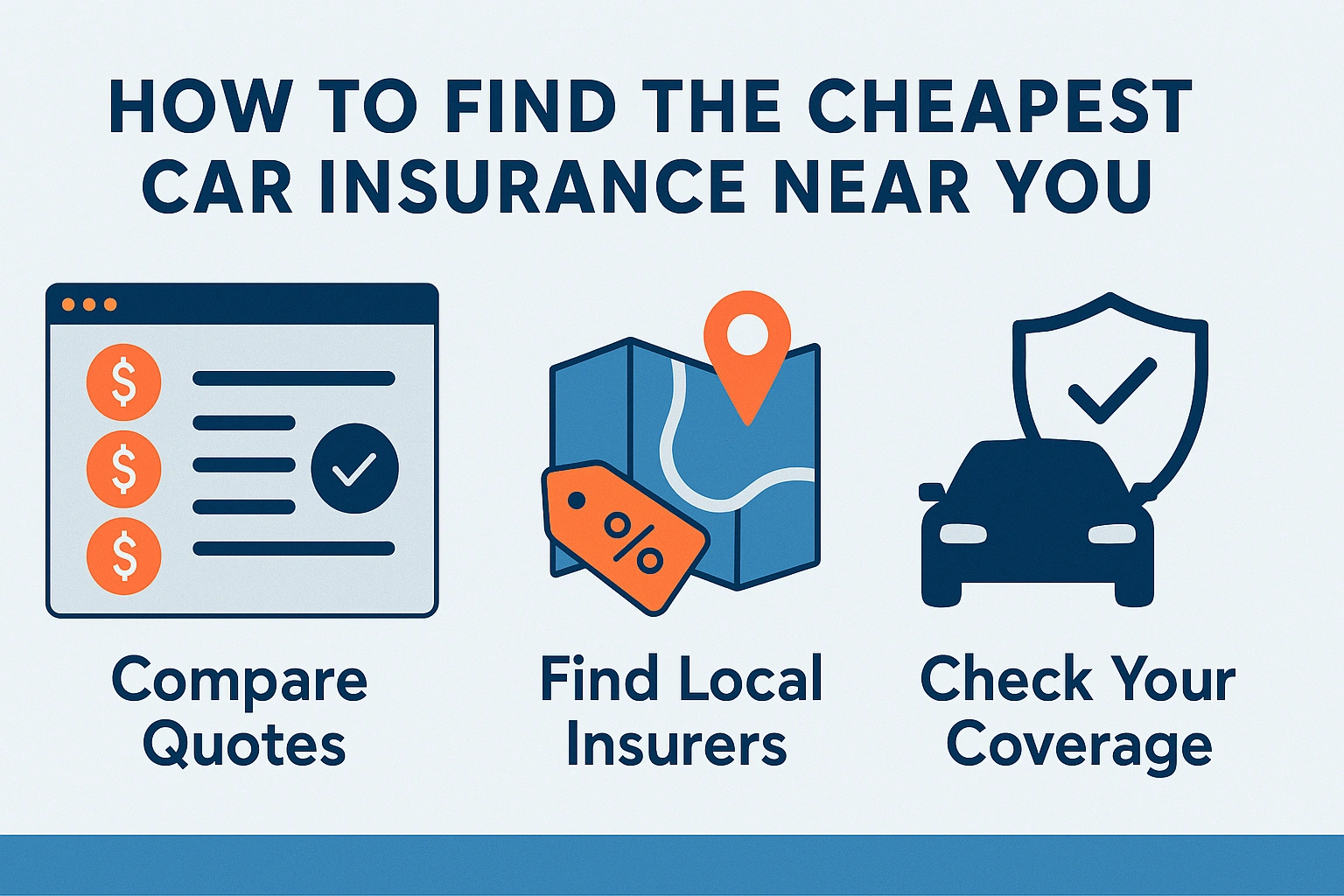
Finding the cheapest car insurance isn’t a one-time event; it’s an ongoing process that requires active participation in the market. Smart shopping is paramount to ensuring you’re always getting the best deal.
The Power of Online Comparison Websites
In the digital age, online comparison websites have revolutionized the insurance shopping experience. Platforms like NerdWallet, The Zebra, or Policygenius allow you to input your personal and vehicle information once and receive multiple quotes from various insurers simultaneously. This saves an immense amount of time and effort compared to requesting individual quotes from each company. These tools provide transparency, allowing you to compare not just prices but also coverage options, deductibles, and discounts offered by different providers side-by-side. Always ensure you provide accurate information to get the most precise quotes.
Don’t Forget Independent Agents
While online tools are powerful, they don’t always capture every single provider or niche policy. Independent insurance agents can be invaluable financial resources in this context. Unlike captive agents who work for a single insurance company, independent agents work with multiple insurers. They can shop around on your behalf, often finding policies and discounts that you might miss, especially for complex situations or specific coverage needs. They offer personalized advice and can explain intricate policy details, ensuring you understand exactly what you’re buying. Their expertise can be particularly beneficial if you have a less-than-perfect driving record or unique circumstances.
The Best Time to Shop for Insurance
Timing can significantly impact your insurance rates. While it’s wise to shop around annually, there are specific strategic moments to do so. The most opportune time is typically 2-3 weeks before your current policy expires. Many insurers use algorithms that penalize last-minute shoppers, assuming they are higher risk. By initiating your search a few weeks in advance, you present yourself as a proactive, lower-risk customer, potentially unlocking better rates. Additionally, life changes such as moving to a new address, getting married, buying a new car, or even celebrating a birthday can be triggers to re-evaluate your policy, as these events often change your risk profile and may qualify you for new rates or discounts.
Long-Term Strategies for Sustainable Savings
Beyond initial savings, cultivating habits and making informed choices for the long haul can lead to continuously lower car insurance premiums, reinforcing sound financial management.
Driving Safely and Maintaining a Clean Record
This is perhaps the most fundamental and impactful long-term strategy. Consistent safe driving, adherence to traffic laws, and avoiding accidents are the most reliable ways to keep your insurance costs down over your lifetime. Every year you go without an accident or violation, your driving record strengthens, signalling reduced risk to insurers. Many companies offer “accident-free” or “safe driver” discounts that compound over time, directly rewarding your responsible behavior behind the wheel. Investing in defensive driving courses, even if not mandated, can also refresh your skills and, in some cases, qualify you for additional discounts.
Regular Policy Reviews
Insurance needs evolve, and so do market rates. Setting a reminder to review your car insurance policy annually, or whenever a significant life event occurs, is a smart financial habit. During these reviews, reassess your coverage limits, deductibles, and any discounts you may be eligible for. Have you installed a new anti-theft device? Did your child get good grades? Has your vehicle’s value depreciated significantly? These changes might warrant adjustments to your policy or qualify you for new savings. Don’t just renew automatically; always compare your existing policy against new quotes to ensure you’re still getting the best value.
Telematics Programs and Usage-Based Insurance
Technology has introduced new avenues for personalized insurance pricing. Telematics programs, often called “usage-based insurance” (UBI), involve installing a small device in your car or using a smartphone app that monitors your driving habits. This includes factors like mileage, braking patterns, acceleration, time of day you drive, and speed. If you demonstrate safe driving behaviors, these programs can offer substantial discounts, sometimes up to 30% or more. For low-mileage drivers or those with exemplary driving habits, UBI can be a game-changer in finding significantly cheaper car insurance by directly rewarding your personal risk profile rather than relying solely on demographic averages.
Navigating Common Pitfalls and Misconceptions
While striving for savings, it’s equally important to avoid common mistakes that can lead to inadequate coverage or false economies.
The Danger of Minimum Coverage
While opting for minimum state-mandated liability coverage might seem like the cheapest option upfront, it can be a financially devastating decision in the event of a serious accident. State minimums are often woefully insufficient to cover the costs of significant property damage or severe personal injuries. If you are at fault in an accident and the damages exceed your policy limits, you will be personally responsible for the remainder, potentially leading to lawsuits, asset forfeiture, or financial ruin. Always choose liability limits that adequately protect your assets and future earnings, even if it means a slightly higher premium. The “cheap” option here can become incredibly expensive in the long run.
Not All Discounts Are Equal
Be wary of focusing solely on the number of discounts an insurer advertises without understanding their true impact. Some discounts are substantial, while others are negligible. A “safe driver” discount after years of no claims might be 15-20%, whereas a “paperless billing” discount might only save you 1-2%. Always evaluate the overall premium after all applicable discounts, rather than being swayed by a long list of minor deductions. The goal is the lowest final price for adequate coverage, not just the most discounts.
Loyalty Doesn’t Always Pay
While there’s a natural inclination to stick with an insurance company for years, assuming loyalty will be rewarded with the best rates, this isn’t always the case in the competitive insurance market. Many insurers offer their most attractive rates to new customers as an incentive to switch. Remaining with the same insurer year after year without shopping around can mean you’re missing out on potentially significant savings. Regular market comparisons are essential. If your current insurer isn’t competitive, don’t hesitate to switch. Sometimes, simply presenting a lower quote from a competitor is enough to get your current provider to match or beat it, rewarding your loyalty while still getting you a better deal.
In conclusion, finding cheap car insurance isn’t about magical shortcuts; it’s about being an informed consumer, understanding the financial levers at your disposal, and actively managing your policy. By grasping how premiums are calculated, strategically leveraging discounts and coverage options, smartly shopping the market, and committing to safe driving practices, you can significantly reduce your car insurance costs, freeing up valuable financial resources for other goals. It’s an ongoing process of vigilance and smart financial decision-making that ultimately pays dividends.
aViewFromTheCave is a participant in the Amazon Services LLC Associates Program, an affiliate advertising program designed to provide a means for sites to earn advertising fees by advertising and linking to Amazon.com. Amazon, the Amazon logo, AmazonSupply, and the AmazonSupply logo are trademarks of Amazon.com, Inc. or its affiliates. As an Amazon Associate we earn affiliate commissions from qualifying purchases.