
In an era of digital banking and rapid financial mobility, it is surprisingly easy to lose track of an old savings account, a forgotten checking balance from a previous state of residence, or a certificate of deposit that has long since matured. Whether you are conducting a routine audit of your personal finances, settling the estate of a loved one, or simply trying to consolidate your assets for better wealth management, locating every bank account tied to your Social Security number is a critical step in maintaining financial health.
The process of uncovering these “lost” assets requires a blend of investigative persistence and the utilization of specific financial tools. Because there is no single, centralized federal database that lists every active private bank account in the United States, individuals must navigate a series of institutional, state, and regulatory channels to reclaim their capital.
Auditing Your Personal Financial Footprint
The most immediate and effective way to find bank accounts in your name is to conduct a thorough review of your own historical data. Before turning to third-party databases, your personal records often hold the digital or paper trail necessary to identify dormant accounts.
Reviewing Tax Documentation and 1099-INT Forms
One of the most reliable indicators of an active or semi-active bank account is your tax history. Any bank account that earned more than $10 in interest during a calendar year is required by the IRS to issue a Form 1099-INT. By reviewing your tax returns from the last five to ten years, you can identify the names of financial institutions where you held interest-bearing accounts. Even if the account has since been flagged as inactive, the name of the bank on an old tax return provides a concrete starting point for a modern inquiry.
Scouring Digital Archives and Physical Records
In the transition from paper to digital banking, many accounts have slipped through the cracks. Searching your primary email accounts for keywords such as “statement,” “e-statement,” “overdraft,” “account opening,” or the names of major national banks can yield results. Similarly, physical files—such as old checkbooks, debit cards tucked in drawers, or even promotional mailers from specific institutions—often contain partial account numbers or customer service lines that allow you to verify your status with the bank’s internal records department.
Analyzing Your Credit Report
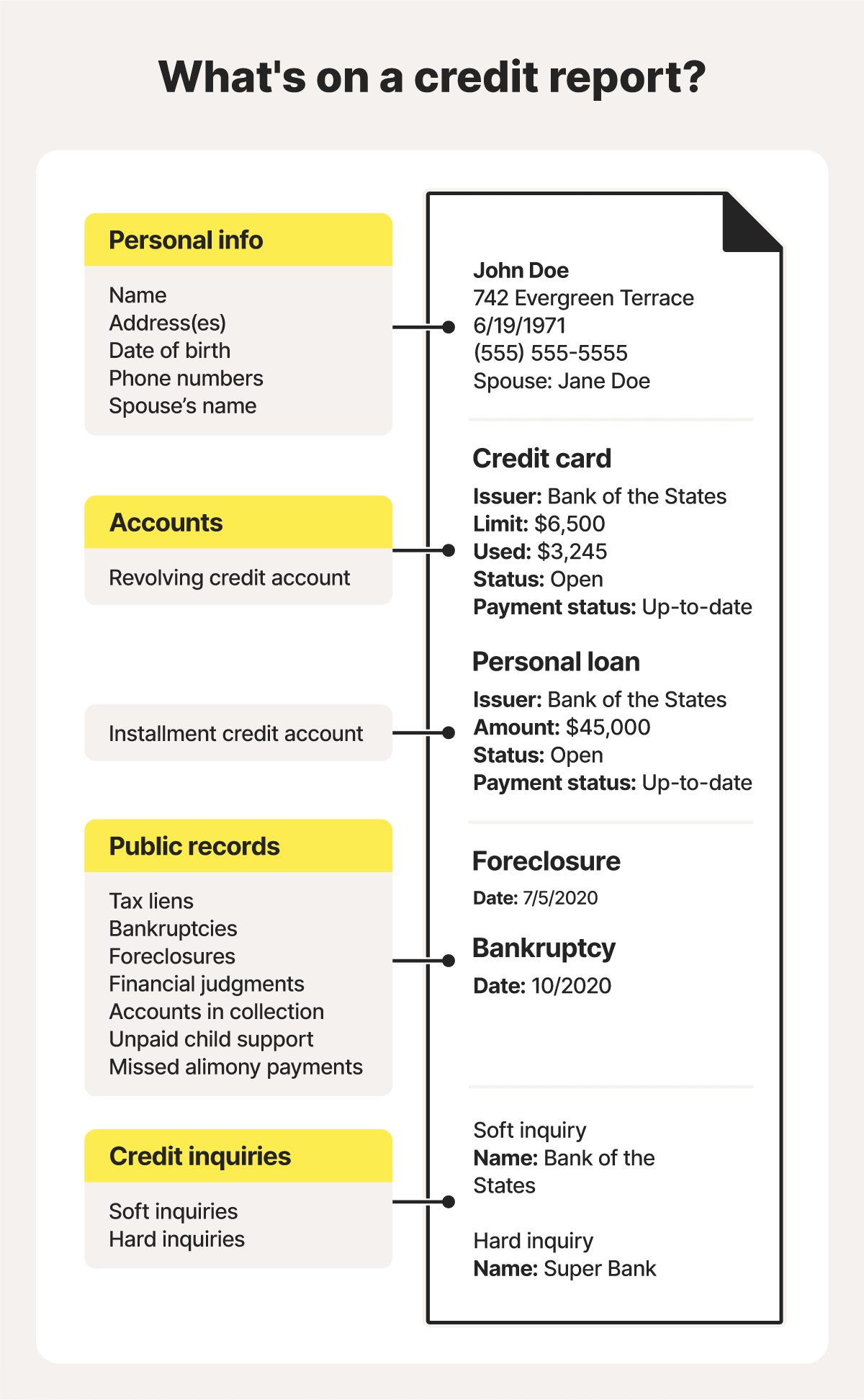
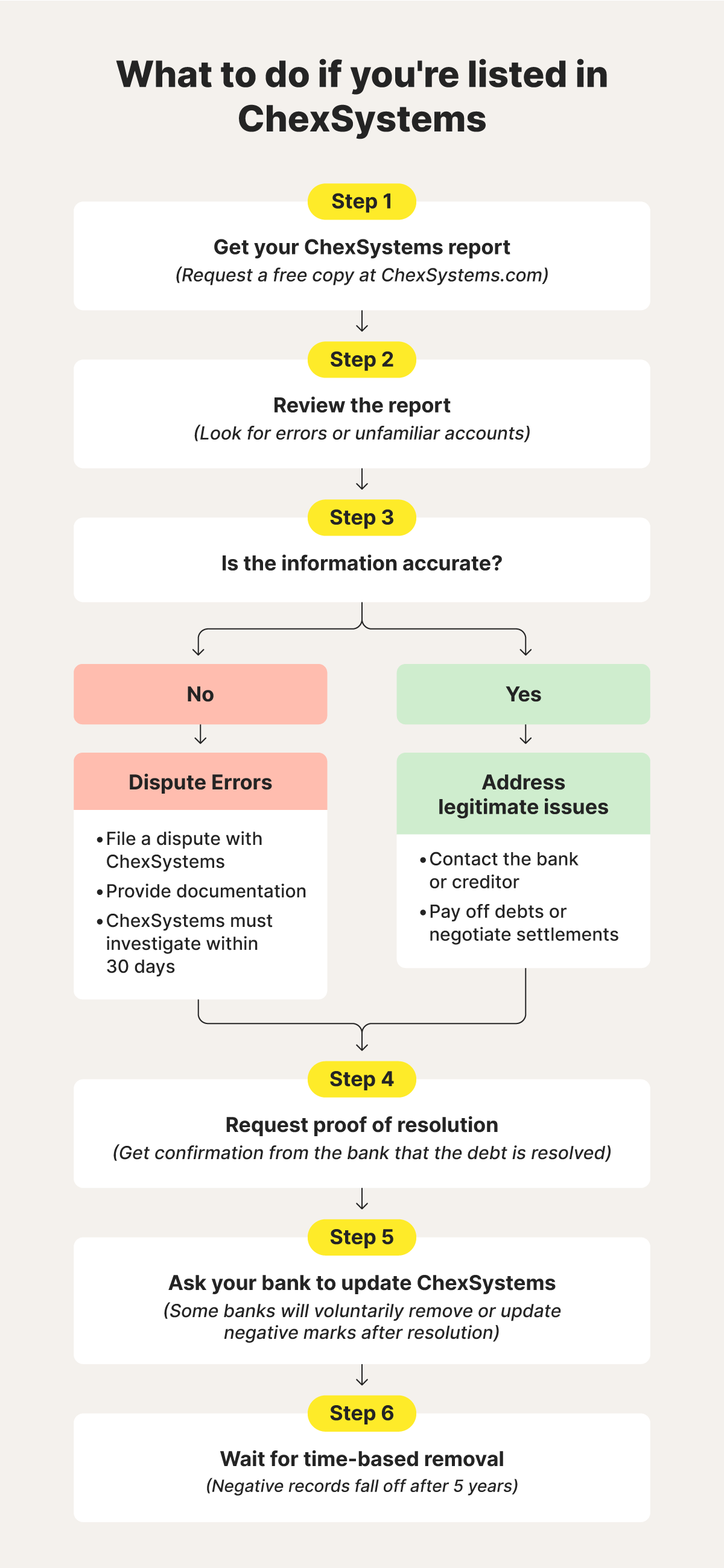
While bank accounts (checking and savings) do not typically appear on a standard credit report like credit cards or loans do, the “inquiry” section of your report can be revealing. When you open a new bank account, the institution often performs a “soft” or “hard” pull of your credit history or uses a specialized reporting agency like ChexSystems. By requesting a free annual credit report from the three major bureaus (Equifax, Experian, and TransUnion), or a consumer report from ChexSystems, you can see which banks have requested your information in the past, often signaling an attempt to open or maintain an account.
Leveraging State and National Unclaimed Property Databases
If a bank account remains inactive for a certain period—typically three to five years, depending on state law—the financial institution is legally required to turn the funds over to the state government. This process is known as escheatment. Once funds are escheated, they are held by the state treasury until the rightful owner claims them.
The Role of State Treasuries and NAUPA
Every state in the U.S. maintains an unclaimed property division. Because these databases are indexed by name and last known address, they are the primary resource for finding forgotten money. The National Association of Unclaimed Property Administrators (NAUPA) provides a centralized portal through Unclaimed.org that directs users to individual state databases. If you have lived in multiple states, it is essential to search the treasury records of every state where you have held a residence.
Utilizing MissingMoney.com
For a more streamlined search, MissingMoney.com is a multi-state database endorsed by NAUPA. It allows users to perform a nationwide search of participating state records simultaneously. When searching, it is advisable to use variations of your name, including middle initials or previous surnames (such as a maiden name), to ensure no records are missed. These databases do not just hold bank balances; they also contain uncashed payroll checks, insurance payouts, and utility deposits.
The Process of Reclaiming Escheated Funds
Finding your name in a state database is only the first step. To reclaim the funds, you must file a formal claim with the state’s treasury department. This typically involves providing proof of identity, such as a copy of your driver’s license or Social Security card, and sometimes proof of your connection to the previous address associated with the account. While the process can take several weeks to process, the state does not charge a fee for this service, and there is generally no time limit on when you can claim the money.
Searching Specialized Institutional Registries
Not all financial institutions operate under the same regulatory umbrella. If you suspect you have accounts with credit unions or failed banks, or if you are looking for specific types of accounts like retirement funds, you must look toward specialized federal agencies.
The FDIC and Failed Bank Records
During economic downturns, banks occasionally fail and are placed into receivership by the Federal Deposit Insurance Corporation (FDIC). When this happens, another bank usually acquires the accounts. However, if the FDIC cannot find a buyer, they pay the depositors directly. If you had an account at a bank that closed and you never received your funds, the FDIC maintains a “Failed Bank List” and an unclaimed funds database specifically for these scenarios. You can search their records to see if there are insured deposits waiting for you.
Credit Unions and the NCUA
Credit unions are not covered by the FDIC; instead, they are regulated by the National Credit Union Administration (NCUA). If you belonged to a credit union that was liquidated or merged, the NCUA’s “Unclaimed Shares” database is the appropriate tool for your search. Much like state treasuries, the NCUA holds these funds in trust until the member or their heirs come forward.
Pension and Retirement Account Locators
Sometimes, the “bank account” you are looking for is actually a forgotten 401(k) or a pension plan from a previous employer. These funds are often held in custodial bank accounts. The Pension Benefit Guaranty Corporation (PBGC) maintains a database for unclaimed pensions from private-sector defined benefit plans that have been terminated. For 401(k)s, the Department of Labor’s “Abandoned Plan Search” or the National Registry of Unclaimed Retirement Benefits can help link your Social Security number to forgotten retirement assets.
Utilizing Technology and Professional Services
As financial technology evolves, new tools have emerged that can help aggregate your financial life and identify disparate accounts. However, these tools should be used with an understanding of both their utility and their limitations.
Open Banking and Aggregator Apps
Financial management apps such as Rocket Money, Monarch Money, or Empower (formerly Personal Capital) use “open banking” protocols to link your various accounts into a single dashboard. While these apps can only find accounts that you manually link or that are associated with your primary login credentials, they are excellent for maintaining visibility over active accounts once they are found. If you have multiple accounts across different institutions, these tools prevent them from falling into dormancy in the future.
Direct Institutional Outreach
If you have a strong suspicion that you hold an account with a specific large-scale national bank (such as JPMorgan Chase, Bank of America, or Wells Fargo), the most direct route is to contact their specialized “Esynch” or “Dormant Account” department. By providing your Social Security number and verifying your identity at a local branch, an officer can search their internal national database for any active or inactive profiles. Note that banks often “purge” records of closed accounts with zero balances after seven years, so this method is best for accounts that still hold capital.
Organizing and Securing Your Financial Future
Finding lost bank accounts is a restorative process, but the ultimate goal is to establish a system that prevents future fragmentation of your wealth. Financial organization is a cornerstone of effective personal finance and estate planning.
Consolidation and Simplification
The more bank accounts you maintain, the higher the risk of one falling into dormancy. Once you have located your various accounts, consider consolidating them. Moving small balances into a single high-yield savings account or a primary checking account reduces the administrative burden of tracking multiple statements and lowers the risk of escheatment. Simplification not only makes your daily financial life easier but also ensures that your heirs can easily identify your assets in the future.
Maintaining a Digital Asset Map
In a professional financial strategy, a “Digital Asset Map” or a “Letter of Instruction” is an essential document. This is a secure, private list of every financial institution where you hold an account, including account types and approximate balances. This document should be updated annually and shared with a trusted executor or family member. By keeping this record, you ensure that no account—no matter how small—is ever truly “lost” again.

Monitoring for Inactivity Notices
Banks are required by law to send “due diligence” notices to the last known address of an account holder before escheating funds to the state. To ensure you receive these, it is vital to update your address with every financial institution whenever you move. Furthermore, making it a habit to log in to your online banking portals at least once every six months will reset the “inactivity” clock, keeping your accounts active and out of the hands of state treasuries.
By combining personal record audits, state database searches, and institutional inquiries, you can effectively map out your entire financial landscape. Reclaiming these forgotten accounts is not just about the monetary value; it is about taking full control of your financial identity and ensuring that your hard-earned assets remain exactly where they belong: in your possession.
aViewFromTheCave is a participant in the Amazon Services LLC Associates Program, an affiliate advertising program designed to provide a means for sites to earn advertising fees by advertising and linking to Amazon.com. Amazon, the Amazon logo, AmazonSupply, and the AmazonSupply logo are trademarks of Amazon.com, Inc. or its affiliates. As an Amazon Associate we earn affiliate commissions from qualifying purchases.