
Google is no longer just a search engine; it is a sprawling economic ecosystem that facilitates billions of dollars in commerce every year. For individuals and businesses looking to generate income, Google offers a diverse array of platforms, tools, and marketplaces. Whether you are a content creator, a software developer, a marketing professional, or someone looking for a side hustle, understanding how to navigate these opportunities is essential for financial success in the digital age. This guide explores the primary avenues for earning money through Google, focusing on sustainable strategies and professional implementation.
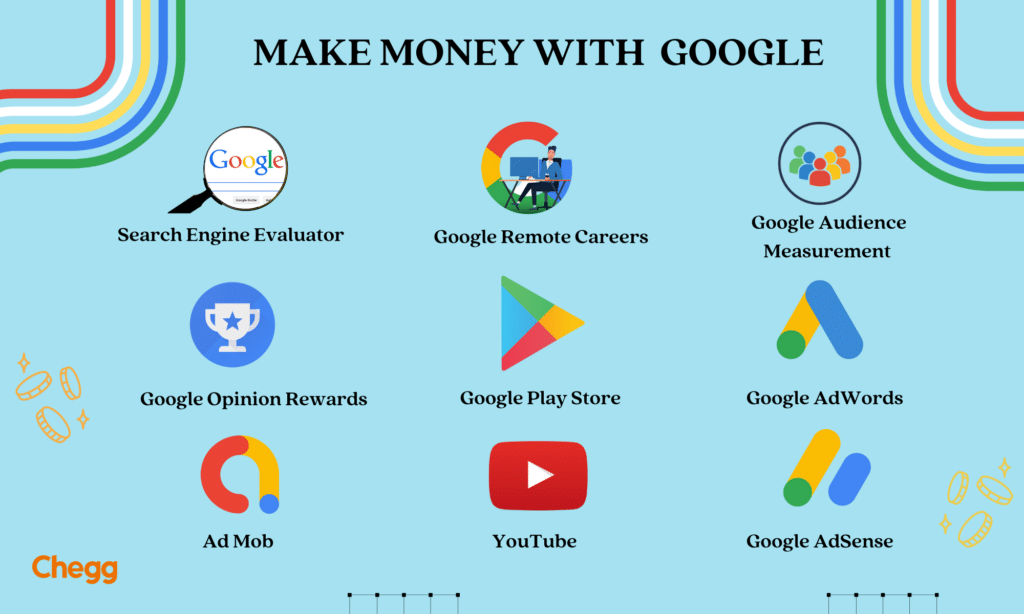
The Power of Content Monetization: AdSense and YouTube
The most well-known method of earning through Google is by monetizing original content. Google acts as the middleman between advertisers who want to reach an audience and creators who have built one.
Google AdSense for Blogs and Websites
Google AdSense remains one of the most accessible ways for website owners to generate passive income. The premise is simple: you provide the content and the space, and Google serves targeted advertisements to your visitors.
To maximize earnings from AdSense, one must focus on high-value niches. Advertisers pay different rates based on the industry; for example, finance, insurance, and technology niches typically command a higher Cost Per Click (CPC) than lifestyle or entertainment niches. Success in this area requires a commitment to Search Engine Optimization (SEO). By creating high-quality, long-form content that answers specific user queries, publishers can attract organic traffic from Google Search, which in turn fuels the AdSense engine. It is not merely about volume but about the intent of the traffic. High-intent visitors—those looking to make a purchase or solve a specific problem—are more valuable to advertisers.
The YouTube Partner Program
YouTube has evolved into a powerhouse for video creators. Through the YouTube Partner Program (YPP), creators can earn a share of the revenue generated from ads shown on their videos. However, the monetization structure on YouTube is multi-faceted.
Beyond standard pre-roll and mid-roll ads, creators can earn through “Channel Memberships,” where fans pay a monthly fee for exclusive perks, and “Super Chat” or “Super Stickers” during live streams. Furthermore, “YouTube Premium” revenue provides a share of subscription fees based on how much time members spend watching a particular creator’s content. To qualify, creators must meet specific thresholds—currently 1,000 subscribers and 4,000 valid public watch hours in the last 12 months—but once inside, the potential for scaling is significant. The key to financial longevity on YouTube is “watch time” and audience retention, which signals to the algorithm that the content is worth promoting.
Developing and Distributing via the Google Play Store
For those with technical skills or creative manuscripts, the Google Play Store offers a direct line to billions of Android users globally. This marketplace is a cornerstone of the mobile economy.
App Development and In-App Monetization
The Android operating system dominates the global market share, making the Google Play Store a lucrative venue for developers. Revenue generation here typically follows three models: paid apps, in-app purchases (IAP), and in-app advertising via Google AdMob.
AdMob is the mobile equivalent of AdSense, allowing developers to integrate ads directly into their applications. For many developers, a “freemium” model works best—offering the app for free to build a large user base while charging for premium features or virtual goods through Google Play’s billing system. Successful app monetization requires a deep understanding of user experience (UX); if ads are too intrusive, retention drops, and revenue follows. High-earning developers focus on “utility” or “retention-heavy” gaming, ensuring users return daily.
Google Play Books for Authors
Self-publishing has democratized the literary world, and Google Play Books is a vital pillar for authors. Unlike some competitors that require exclusivity, Google Play Books allows authors to reach an international audience without restricting where else the book can be sold.
Authors earn a percentage of each sale, and Google’s robust search capabilities help readers discover new titles through indexed previews. To earn effectively here, authors should focus on metadata optimization—ensuring the title, description, and keywords align with what readers are searching for in the Google ecosystem.
Professional Services: Becoming a Google Ecosystem Specialist

Many professionals earn substantial incomes not by using Google’s tools for themselves, but by managing them for others. As businesses migrate online, the demand for specialized Google knowledge has reached an all-time high.
Google Ads Management (PPC)
Businesses are willing to pay a premium for experts who can manage their Google Ads (formerly AdWords) campaigns. Pay-Per-Click (PPC) marketing is a high-stakes environment where a poorly managed budget can evaporate in hours. A skilled PPC specialist optimizes “Quality Scores,” conducts keyword research, and designs high-converting landing pages to ensure the client gets a positive Return on Ad Spend (ROAS).
Freelancers and agencies often charge a management fee (either a flat rate or a percentage of the total ad spend). Obtaining a Google Ads Certification is a vital step in establishing credibility in this field, as it demonstrates a verified level of proficiency with the platform’s complex bidding strategies and analytical tools.
SEO Consulting and Search Analytics
Search Engine Optimization is the art and science of making a website rank higher on Google Search. Because the first page of Google receives the vast majority of traffic, businesses are willing to invest heavily in SEO consultants.
This role involves technical audits, backlink strategy, and content optimization. Professionals in this space also utilize Google Analytics and Google Search Console to provide data-driven insights. By helping a business appear for lucrative search terms, an SEO consultant provides a direct impact on the client’s bottom line, allowing for high-ticket service contracts.
Google Workspace Referral and Implementation
Google Workspace (formerly G Suite) is the backbone of productivity for millions of companies. Google offers a Referral Program that pays a commission for every new user a consultant brings to the platform. Beyond simple referrals, IT professionals earn money by providing migration services—helping traditional companies move their legacy data, email, and workflows into the Google Cloud ecosystem.
Micro-Earning and Niche Opportunities
Not every method of earning from Google requires a business plan or a technical degree. There are several ways to generate smaller streams of income or specialized rewards through direct interaction with Google’s platforms.
Google Opinion Rewards
For those looking for a low-effort side hustle, Google Opinion Rewards is an official app that pays users for their thoughts. Users receive short surveys based on their recent shopping habits, location history, or opinions on brand logos. While this does not provide a full-time income, it provides “Google Play Credit” (or PayPal payments in some regions) that can be used to purchase apps, movies, or books, effectively offsetting digital living expenses.
The Google Play Points and Research Programs
Google occasionally runs research programs (such as the Google Screenwise Meter) where users are compensated for sharing data about their internet usage. Additionally, the Play Points program rewards frequent spenders in the Play Store with points that can be redeemed for store credit or in-game items, creating a form of “cash-back” for digital consumers.
Bug Bounty Programs
On the highly technical end of the spectrum, Google’s Vulnerability Reward Program (VRP) pays “ethical hackers” and security researchers to find and report bugs in their software. These payouts can range from a few hundred dollars to over $100,000 for critical vulnerabilities. This is a competitive but highly lucrative field for those with a deep understanding of cybersecurity and software architecture.
Long-Term Success: Navigating Policy and Quality Standards
To sustain an income from Google, one must adhere strictly to their ever-evolving policies. Google’s primary goal is to provide value to the end-user, whether that is through a search result, a video, or an app.
Compliance and Ethics
Whether you are using AdSense, YouTube, or Google Ads, “policy violations” are the quickest way to lose your income stream. This includes avoiding “black-hat” SEO tactics, ensuring copyright compliance on YouTube, and adhering to the “Prohibited Content” guidelines in advertising. Google’s automated systems are sophisticated; attempts to manipulate clicks or fabricate traffic usually result in permanent account bans.
Diversification within the Ecosystem
The most successful “Google earners” do not rely on a single feature. A blogger might use AdSense for display ads but also use Google’s “Search Console” to refine their SEO and “Google Trends” to identify new content topics. A developer might use AdMob for revenue but also use “Google Analytics for Firebase” to understand user behavior and reduce churn.
By treating Google as a partner rather than just a platform, individuals and businesses can build resilient revenue models. The digital economy is built on visibility, and because Google controls the gateways to information, learning to monetize that visibility is one of the most valuable financial skills of the 21st century. Whether through content, commerce, or consulting, the opportunities to earn are limited only by one’s ability to provide value within this vast digital framework.
aViewFromTheCave is a participant in the Amazon Services LLC Associates Program, an affiliate advertising program designed to provide a means for sites to earn advertising fees by advertising and linking to Amazon.com. Amazon, the Amazon logo, AmazonSupply, and the AmazonSupply logo are trademarks of Amazon.com, Inc. or its affiliates. As an Amazon Associate we earn affiliate commissions from qualifying purchases.