
Tax season can often feel like a formidable mountain to climb, a yearly ritual that many approach with a mix of dread and confusion. Yet, understanding and fulfilling your tax obligations is a fundamental aspect of financial responsibility, impacting everything from your annual refund to your long-term financial health. For many, the central question isn’t if they need to do their taxes, but rather how to approach this crucial task efficiently, accurately, and with minimal stress.
This comprehensive guide aims to demystify the process, offering a clear roadmap for individuals seeking to confidently navigate the world of tax preparation. Whether you’re a first-time filer, a seasoned taxpayer looking for new strategies, or someone navigating changes in their financial life, equipping yourself with knowledge and choosing the right method can transform tax season from a dreaded chore into a manageable financial task. We’ll explore the foundational requirements, various preparation methods, essential steps for a smooth filing experience, and even touch upon future planning to ensure you’re not just filing, but also optimizing your financial position.

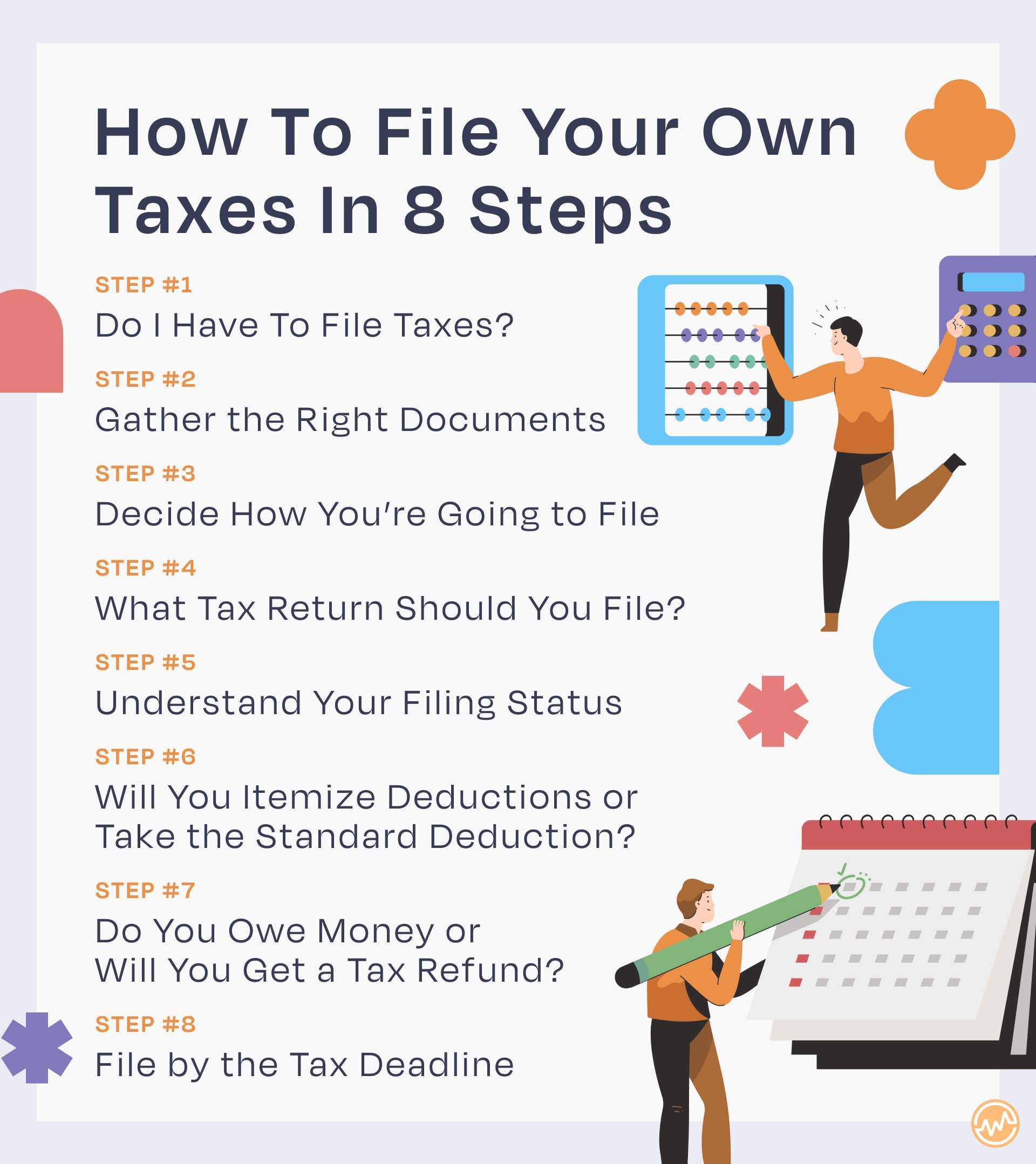
Understanding Your Tax Filing Obligations
Before you even begin gathering documents, it’s crucial to understand the foundational elements that dictate your tax responsibilities. This knowledge forms the bedrock of a successful tax filing experience, ensuring you meet all legal requirements and don’t miss out on potential benefits.
Who Needs to File?
The requirement to file a federal income tax return generally depends on your gross income, filing status, and age. While most working adults will need to file, there are specific thresholds set by the IRS that determine if you’re obligated. For instance, if your gross income exceeds a certain amount based on your filing status (single, married filing jointly, head of household, etc.), you must file. Even if your income is below the threshold, you might still want to file, especially if you had taxes withheld from your pay or qualify for refundable tax credits like the Earned Income Tax Credit (EITC) or the Child Tax Credit (CTC). It’s also mandatory if you had net earnings from self-employment of $400 or more, or if you received certain types of unearned income. Always check the current IRS guidelines for the specific tax year to confirm your filing requirement.
Key Documents You’ll Need
Successfully doing your taxes hinges on having all the necessary documentation organized and readily available. Missing a document can lead to delays, errors, or missed deductions.
- Income Statements: This is usually the largest category. For most employees, this means your Form W-2 (Wage and Tax Statement) from each employer. If you’re a freelancer, independent contractor, or receive certain types of income, you’ll likely receive Form 1099-NEC (Nonemployee Compensation) or Form 1099-MISC (Miscellaneous Information). Other 1099 forms might include 1099-INT (Interest Income), 1099-DIV (Dividend Income), 1099-R (Distributions from IRAs or pensions), and 1099-B (Proceeds from Broker and Barter Exchange Transactions).
- Proof of Deductions and Credits: This category is vast and depends on your individual circumstances. Common examples include:
- Health Insurance: Form 1095-A, B, or C.
- Student Loan Interest: Form 1098-E.
- Mortgage Interest: Form 1098.
- Charitable Contributions: Receipts or acknowledgment letters from organizations.
- Child Care Expenses: Provider’s name, address, and taxpayer identification number (TIN).
- Medical Expenses: Receipts and records of out-of-pocket costs.
- Retirement Contributions: Records of contributions to IRAs or other retirement accounts.
- Personal Information: Social Security numbers (SSNs) or Individual Taxpayer Identification Numbers (ITINs) for yourself, your spouse, and all dependents. Previous year’s tax return (useful for comparison and carrying over information).
Important Deadlines
Missing tax deadlines can result in penalties and interest. The primary federal income tax filing deadline for most individuals is typically April 15th (or the next business day if April 15th falls on a weekend or holiday). This is the deadline to file your return and pay any taxes you owe. If you cannot file by this date, you can request an extension using Form 4868, which typically grants you an additional six months to file (until October 15th). However, an extension to file is not an extension to pay. You must still estimate and pay any taxes you owe by the original April deadline to avoid penalties. Self-employed individuals or those with significant income not subject to withholding may also have quarterly estimated tax deadlines throughout the year.
Choosing the Right Method for Tax Preparation
Once you understand your obligations and have your documents in hand, the next critical step is deciding how you will prepare and file your return. The best method for you depends on the complexity of your financial situation, your comfort with financial software, and your budget.
Self-Preparation with Tax Software
For many taxpayers, especially those with straightforward finances, using tax preparation software is a popular and cost-effective solution. These programs guide you step-by-step through the filing process, ask relevant questions, and automatically perform calculations.
- Pros: Generally less expensive than professional preparers; offers flexibility to work at your own pace; provides a sense of control over your finances; many programs offer free filing options for simple returns. Popular options include TurboTax, H&R Block, TaxAct, and FreeTaxUSA.
- Cons: Requires a certain level of comfort with technology and financial terms; places the onus on the individual to ensure accuracy; may not be suitable for very complex tax situations (e.g., small business with multiple deductions, foreign income).
- Considerations: Look for software that matches your tax situation (e.g., if you have investments, ensure the software can handle them). Check for audit support or guarantees offered by the software provider.
Utilizing Professional Tax Preparers
For individuals with more complex financial situations, those who are self-employed, own businesses, or simply prefer professional assistance, hiring a tax preparer can be an invaluable investment.
- CPAs (Certified Public Accountants): These are licensed professionals with extensive accounting education and experience. They can provide comprehensive financial advice beyond just tax preparation, including tax planning, audit representation, and business consulting. Ideal for complex individual returns, small business owners, and those seeking year-round financial guidance.
- Enrolled Agents (EAs): EAs are federally authorized tax practitioners who specialize in taxation and have unlimited rights to represent taxpayers before the IRS. They focus exclusively on tax matters and can handle a wide range of tax situations, from individual returns to business and estate taxes.
- Other Tax Preparers: Many other professionals offer tax preparation services, often at a lower cost than CPAs or EAs. Always ensure any preparer you choose is reputable, has an IRS Preparer Tax Identification Number (PTIN), and understands your specific tax needs. Avoid preparers who make unrealistic promises or base their fees on the size of your refund.
- When to Choose a Professional: If you’ve had significant life changes (marriage, divorce, new baby, home purchase), started a business, inherited assets, or have international income, a professional can ensure accuracy and help you maximize legitimate deductions and credits.
Free Tax Help Options
Don’t have a complex tax situation and meet certain income requirements? You might qualify for free tax preparation services.
- IRS Free File Program: This program offers free online tax preparation and e-filing through various software providers for taxpayers whose adjusted gross income (AGI) falls below a certain threshold.
- Volunteer Income Tax Assistance (VITA): VITA offers free tax help to people who generally make $64,000 or less, persons with disabilities, and limited English-speaking taxpayers who need assistance in preparing their own tax returns.
- Tax Counseling for the Elderly (TCE): The TCE program offers free tax help for all taxpayers, particularly those who are 60 years of age and older, specializing in questions about pensions and retirement-related issues unique to seniors. Both VITA and TCE sites are staffed by IRS-certified volunteers.
Essential Steps for a Smooth Tax Filing Experience
Regardless of whether you choose to self-prepare or hire a professional, following a structured approach can significantly reduce stress and enhance accuracy.
Gather and Organize Your Documentation
This step cannot be overstressed. Proactive organization throughout the year makes tax season infinitely easier.
- Create a Dedicated System: Use a physical folder or a digital folder on your computer/cloud storage to save all relevant tax documents as they arrive.
- Categorize: Once you have everything, sort documents by type (income, deductions, credits) to streamline the input process.
- Digital vs. Physical: Consider scanning physical documents to create digital backups. This protects against loss and makes sharing with a professional easier. Cloud storage solutions can also provide secure access from anywhere.
Understand Your Deductions and Credits
This is where significant savings can be found. Many taxpayers miss out simply because they aren’t aware of what they qualify for.
- Deductions: These reduce your taxable income, meaning you pay tax on a smaller amount. Common deductions include contributions to traditional IRAs, student loan interest, health savings account (HSA) contributions, and certain itemized deductions (like state and local taxes, mortgage interest, and charitable contributions if they exceed the standard deduction).
- Credits: These directly reduce the amount of tax you owe, dollar for dollar. Refundable credits can even result in a refund greater than the tax you paid. Key credits include the Child Tax Credit, Earned Income Tax Credit, education credits (e.g., American Opportunity Tax Credit, Lifetime Learning Credit), and dependent care credit.
- Maximizing Savings: Take time to research current tax laws and consult with a professional if you’re unsure about your eligibility for specific deductions or credits. Keep meticulous records for all claims.
Review and Double-Check
Accuracy is paramount. Errors can lead to delays in refunds, IRS inquiries, or even penalties.
- Review All Entries: Whether using software or a professional, carefully review all entered information against your original documents. Pay close attention to Social Security numbers, income figures, and reported deductions.
- Check for Common Mistakes:
- Mathematical Errors: Software generally prevents this, but manual calculations are prone to them.
- Incorrect Filing Status: Choosing the wrong status can significantly impact your tax liability.
- Missing Income: Forgetting to report all income sources.
- Wrong Social Security Numbers: A common error for dependents.
- Unsigned Returns: A paper return must be signed.
- Use Software Checkers: Tax software typically includes diagnostic tools that flag potential errors or missing information. Utilize these thoroughly.
Filing Electronically vs. Mail
The IRS strongly encourages electronic filing (e-filing) for its numerous benefits.
- Benefits of E-filing:
- Faster Refunds: E-filed returns with direct deposit usually result in refunds much quicker than paper returns.
- Increased Accuracy: E-filing reduces errors as the software checks for common mistakes and prompts you for missing information.
- Proof of Receipt: You receive an immediate confirmation that the IRS has received your return.
- Convenience: File from anywhere with an internet connection.
- Mailing a Paper Return: If you choose to mail, ensure your return is signed and dated. Use the correct IRS mailing address for your region and consider using certified mail with a return receipt for proof of mailing.
Beyond Filing: What Happens Next?
Filing your tax return isn’t the absolute end of the process. There are important follow-up steps and considerations.
Receiving Your Refund or Paying Your Dues
- Refunds: If you are due a refund, the quickest way to receive it is via direct deposit into your bank account. You can track the status of your federal refund using the IRS’s “Where’s My Refund?” tool.
- Payments: If you owe taxes, you have several payment options, including direct debit from your bank account (if filing electronically), credit or debit card payment (often with a processing fee), or sending a check or money order via mail with Form 1040-V (Payment Voucher).
What if You Get Audited?
While the thought of an IRS audit can be daunting, only a small percentage of returns are actually audited. Most audits are correspondence audits, meaning they are handled through mail requests for additional information.
- Preparation is Key: The best defense against an audit is meticulous record-keeping. If you’ve properly documented all income, deductions, and credits, you’ll be well-prepared to respond.
- Professional Help: If you receive an audit notice, consider consulting the tax professional who prepared your return or another qualified CPA or EA. They can help you understand the request, gather the necessary documentation, and represent you before the IRS.
Record Keeping Post-Filing
Even after you’ve filed, your responsibility for tax documents isn’t over.
- How Long to Keep Documents: The IRS generally recommends keeping tax records for three years from the date you filed your original return or two years from the date you paid the tax, whichever is later. However, for certain situations, such as unreported income (where the IRS can assess tax for six years), or if you claim a loss from worthless securities or bad debt deduction (seven years), you might need to keep records longer. Keep records indefinitely for property you own and for retirement account contributions.
- Storage: Store copies of your filed returns and supporting documents in a secure, organized manner, either physically in a fireproof safe or digitally with secure backups.
Strategies for Future Tax Planning
Optimizing your taxes is not just an annual event; it’s a continuous process that can significantly impact your financial well-being. Proactive tax planning throughout the year can help minimize your tax liability and maximize your financial growth.
Adjusting Withholdings (W-4)
If you consistently receive a very large refund, it means you’re overpaying taxes throughout the year, essentially giving the government an interest-free loan. Conversely, owing a substantial amount could indicate under-withholding. Review your Form W-4 with your employer periodically, especially after significant life changes, to ensure your withholdings accurately reflect your tax situation. Using the IRS Tax Withholding Estimator can help you fine-tune this.
Contributing to Retirement Accounts
Contributions to traditional IRAs and 401(k)s are often tax-deductible, reducing your current taxable income while simultaneously building your retirement nest egg. Even Roth contributions, though not deductible, offer tax-free growth and withdrawals in retirement, which can be a valuable tax strategy. Maximize these contributions to take advantage of tax benefits and compound growth.
Understanding Estimated Taxes (Self-Employed)
If you are self-employed or have significant income not subject to withholding, you are typically required to pay estimated taxes quarterly. Failing to do so can result in penalties. Accurately estimating your income and expenses throughout the year is crucial to avoid underpayment.
Conclusion
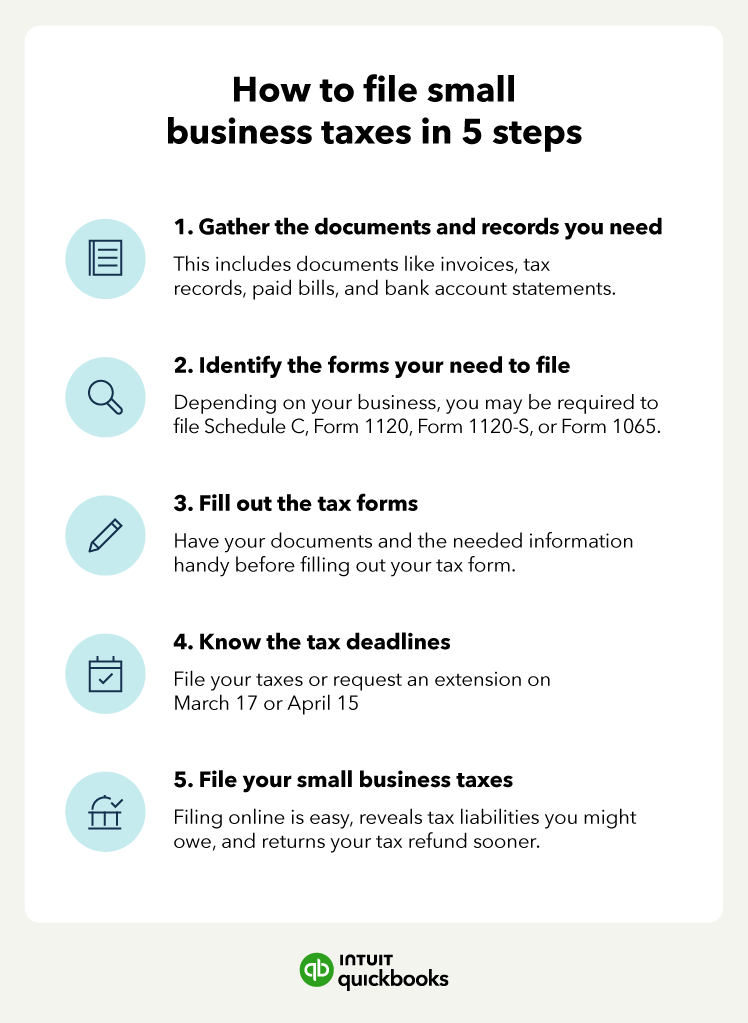
Doing your taxes, while seemingly complex, is an entirely manageable process when approached with knowledge, organization, and the right tools or professional support. By understanding your basic obligations, choosing the most suitable preparation method, meticulously organizing your documents, and taking advantage of eligible deductions and credits, you can transform tax season from a source of anxiety into an opportunity for financial clarity and optimization.
Remember, accuracy and proactive planning are your greatest allies. Whether you embrace the challenge of self-preparation with robust software or enlist the expertise of a qualified tax professional, prioritizing your annual tax obligations is a fundamental step toward sound personal finance and a more secure financial future. Start early, stay organized, and don’t hesitate to seek guidance when needed – your peace of mind and your wallet will thank you.
aViewFromTheCave is a participant in the Amazon Services LLC Associates Program, an affiliate advertising program designed to provide a means for sites to earn advertising fees by advertising and linking to Amazon.com. Amazon, the Amazon logo, AmazonSupply, and the AmazonSupply logo are trademarks of Amazon.com, Inc. or its affiliates. As an Amazon Associate we earn affiliate commissions from qualifying purchases.