
The transition from paper-based tax returns to digital filing has fundamentally altered the landscape of personal finance. For the modern taxpayer, filing online is no longer just a matter of convenience; it is a strategic financial move that ensures accuracy, speeds up the receipt of refunds, and provides a clearer picture of one’s overall economic health. Navigating the world of online taxes requires more than just an internet connection; it requires an understanding of the tools available, the documentation necessary to maximize returns, and the security protocols needed to protect sensitive financial data.

Evaluating the Landscape of Online Tax Preparation Software
The first step in filing your taxes online is selecting a platform that aligns with your specific financial complexity. The market for tax preparation software is diverse, ranging from high-end, feature-rich platforms to streamlined, low-cost alternatives. Choosing the right one can save you hundreds of dollars in preparation fees and potentially thousands in missed deductions.
The All-in-One Giants: TurboTax and H&R Block
For many, the names TurboTax and H&R Block are synonymous with online filing. These platforms are designed for the “user experience,” employing interview-style questionnaires that translate complex tax code into simple, everyday language. They are particularly effective for individuals with complex financial lives—those who own multiple rental properties, trade cryptocurrency, or have diverse investment portfolios.
The primary advantage of these premium services is their robustness. They offer extensive “guarantees” regarding accuracy and provide varying levels of audit support. From a financial perspective, however, these platforms come with a higher price tag. Users often find themselves “upsold” into more expensive tiers as they add different types of income or deductions. If your financial situation is straightforward, the cost of these premium services might outweigh the benefit, but for those with high-stakes financial profiles, the peace of mind is often worth the investment.
The Value-Driven Contenders: FreeTaxUSA and Cash App Taxes
In recent years, a new segment of the market has gained significant traction by offering high-level functionality for a fraction of the cost. FreeTaxUSA is a favorite among personal finance enthusiasts because it offers free federal filing for almost all tax situations, including self-employment and complex investments, charging only a small fee for state returns.
Similarly, Cash App Taxes (formerly Credit Karma Tax) has disrupted the industry by offering completely free federal and state filing. For the budget-conscious taxpayer, these tools represent the pinnacle of financial efficiency. They lack some of the polished “bells and whistles” of the premium giants, but the underlying tax engines are reliable. Using these tools allows you to keep more of your hard-earned money while still fulfilling your legal obligations to the IRS.
Understanding the IRS Free File and Direct File Initiatives
Before spending money on private software, every taxpayer should evaluate whether they qualify for government-sponsored or mandated free filing options. The IRS has made significant strides in making tax compliance more accessible and affordable for the average citizen.
Qualification Criteria for Free Federal Filing
The IRS Free File program is a public-private partnership between the IRS and several tax-prep software companies. For the current tax year, if your Adjusted Gross Income (AGI) falls below a certain threshold—typically around $79,000—you are eligible to use brand-name software to file your federal return for free.
This is a critical financial strategy for low-to-moderate income earners. By accessing these tools through the official IRS.gov website, you can bypass the marketing funnels of private companies that might otherwise charge you for “deluxe” versions. It is essential to start your journey at the IRS website to ensure you are placed in the truly free version of the software.
The Evolution of IRS Direct File
One of the most significant shifts in the tax landscape is the introduction of IRS Direct File. This is a government-run, direct-to-IRS filing system that aims to bypass third-party software altogether. While currently in a pilot phase and available only in certain states for specific tax situations, it represents the future of tax transparency. For the taxpayer, this means a reduction in “middleman” costs and a more direct line of communication with the revenue service. Staying informed about the expansion of Direct File is a key part of long-term financial planning.
Organizing Your Financial Data for a Seamless Experience
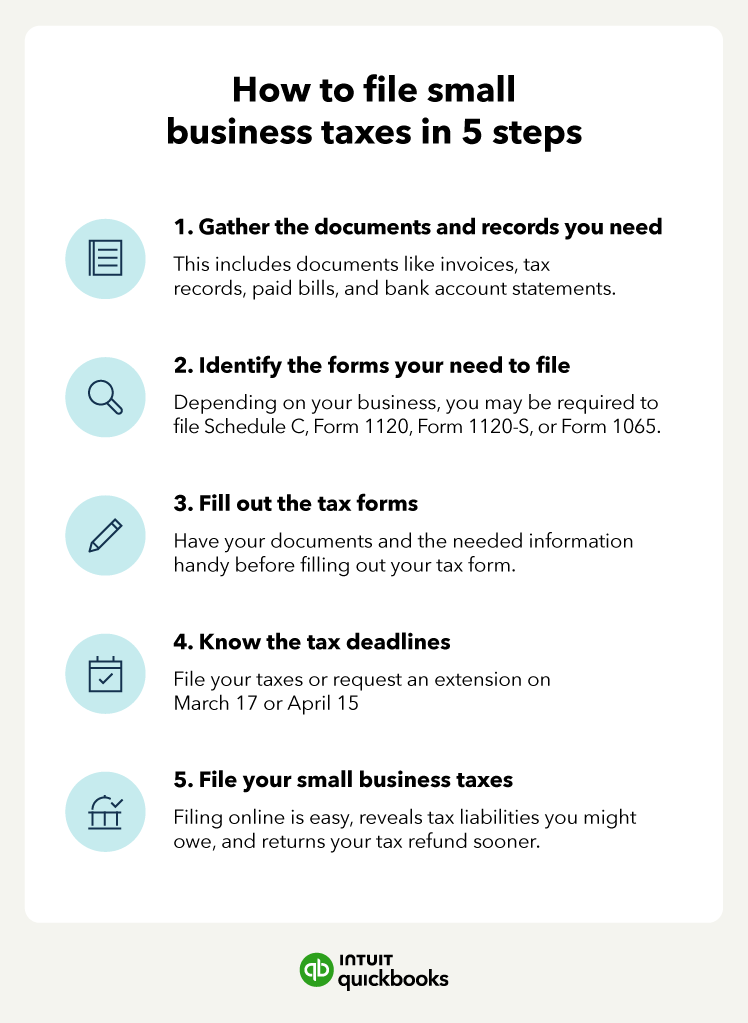
Filing online is only as effective as the data you input. Preparation is the cornerstone of effective personal finance management. Before logging into any portal, you must gather a comprehensive suite of financial documents that represent your economic activity over the past year.
Documenting Your Income Streams
In the digital age, income is often fragmented across multiple sources. Beyond the standard W-2 for full-time employees, you must account for:
-
1099-NEC and 1099-K: For freelancers, gig workers, and those with side hustles.
-
1099-INT and 1099-DIV: For interest and dividends earned from savings accounts and brokerage portfolios.
-
1099-B: For capital gains and losses from the sale of stocks or assets.
-
Schedule K-1: For those with interests in partnerships, S-corporations, or trusts.
Gathering these electronically is now easier than ever, as most financial institutions provide downloadable PDFs. Keeping a dedicated “Tax Folder” in a secure cloud drive throughout the year can turn a multi-day ordeal into a thirty-minute task.
Identifying Deductions and Credits to Lower Taxable Income
The goal of tax preparation is to minimize your legal liability. This is achieved through a deep understanding of deductions and credits.
-
Standard vs. Itemized Deductions: Most taxpayers find the standard deduction to be the most beneficial. However, if your mortgage interest, state and local taxes, and charitable contributions exceed the standard threshold, itemizing can result in significant savings.
-
Tax Credits: These are more valuable than deductions because they provide a dollar-for-dollar reduction in the tax you owe. Key credits to look for include the Earned Income Tax Credit (EITC), the Child Tax Credit, and education credits like the American Opportunity Tax Credit (AOTC). Online software is particularly good at “screening” for these credits based on your input, ensuring you don’t leave money on the table.
The Strategic Advantages of E-Filing and Direct Deposit
Filing online—commonly known as e-filing—is more than just a technological upgrade; it is a superior financial workflow. When you file a paper return, the risk of manual entry errors by the IRS increases, and the timeline for processing can stretch into months.
Accuracy and Instant Verification
Online software includes built-in error-checking algorithms. These systems flag missing signatures, inconsistent Social Security numbers, and mathematical errors before the return is ever sent. Once you hit “submit,” you typically receive an electronic acknowledgment from the IRS within 24 to 48 hours confirming that your return has been accepted for processing. This instant feedback loop is a vital component of modern financial management, providing certainty that your obligations have been met.
Accelerating Your Refund for Better Cash Flow
For many Americans, a tax refund is the single largest financial windfall of the year. It can be used to pay down high-interest debt, fund an emergency savings account, or invest in a retirement vehicle. E-filing, when combined with direct deposit, is the fastest way to receive these funds.
The IRS typically issues refunds in less than 21 days for e-filed returns. From a time-value-of-money perspective, getting those funds back into your account three to six weeks faster than a paper check allows you to put that capital to work immediately. Whether it is avoiding a month’s worth of interest on a credit card or capturing a market upswing, the speed of digital filing has real-world economic value.
Security Protocols and Long-Term Financial Management
When you do your taxes online, you are handling the most sensitive data in your financial life. Protecting this information is paramount to preventing identity theft and financial fraud.
Protecting Your Social Security Number and Financial Identity
Reputable tax software providers use high-level encryption to protect your data. However, the user is often the weakest link in the security chain. To safeguard your financial identity:
-
Use Multi-Factor Authentication (MFA): Always enable MFA on your tax accounts so that a password alone is not enough to gain access.
-
Avoid Public Wi-Fi: Never file your taxes over an unsecured public network. Use a private, password-protected home connection or a VPN.
-
Be Aware of Phishing: The IRS does not initiate contact via email, text, or social media to request personal or financial information. Any such “urgent” request is almost certainly a scam designed to steal your refund or your identity.

Using Tax Data for Future Financial Planning
The true power of online filing lies in the data it leaves behind. Most platforms allow you to export your return as a PDF and provide a year-over-year comparison of your finances. This data is an invaluable tool for budgeting and long-term planning.
By reviewing your effective tax rate and the sources of your income, you can make informed decisions for the coming year. For example, if you realize you owed a large amount at the end of the year, you may need to adjust your W-4 withholdings or increase your estimated quarterly payments. If you see that your investment income was taxed heavily, you might consult with a financial advisor about moving toward more tax-advantaged accounts like a Roth IRA or a 401(k).
In conclusion, doing your taxes online is a comprehensive financial exercise that empowers you to take control of your economic destiny. By selecting the right software, leveraging government resources, and maintaining meticulous records, you transform an annual chore into a strategic opportunity for financial growth and security.
aViewFromTheCave is a participant in the Amazon Services LLC Associates Program, an affiliate advertising program designed to provide a means for sites to earn advertising fees by advertising and linking to Amazon.com. Amazon, the Amazon logo, AmazonSupply, and the AmazonSupply logo are trademarks of Amazon.com, Inc. or its affiliates. As an Amazon Associate we earn affiliate commissions from qualifying purchases.