
In an increasingly digital financial landscape, cash still plays a vital role in daily transactions for millions of people. Whether it’s earnings from a side hustle, gifts, or simply leftover currency, knowing how to securely and efficiently deposit cash into your bank account is a fundamental aspect of personal finance. While the process may seem straightforward, understanding the various methods, their nuances, and the best practices involved can help you manage your money more effectively, avoid potential pitfalls, and ensure your funds are safely integrated into your financial ecosystem. This guide explores the diverse avenues available for cash deposits, providing insights to help you choose the method that best suits your needs.

Understanding the Importance of Cash Deposits
Before diving into the “how,” it’s crucial to appreciate the “why.” While digital payments and transfers are prevalent, cash remains a cornerstone for many individuals and small businesses. Safely integrating this physical currency into your bank account is not just about convenience; it’s a critical step in comprehensive financial management.
The Role of Cash in Modern Personal Finance
Despite the rise of cashless payment systems, cash continues to be used for a variety of reasons: for small, everyday purchases, for tipping service providers, for transactions where digital methods aren’t accepted, or simply as a preferred payment method for some individuals. Managing cash efficiently, including regular deposits, ensures it doesn’t just sit idle, but contributes to your overall financial health, becoming accessible for bills, savings, and investments.
Why Securely Depositing Cash Matters
Holding large sums of cash physically carries inherent risks, including loss, theft, or damage. A bank account, insured by federal agencies like the FDIC (in the U.S.) or similar bodies globally, offers a secure repository for your funds. Regularly depositing cash minimizes these risks, transforming vulnerable physical currency into a protected, traceable digital asset.
Preventing Financial Mismanagement and Loss
Keeping significant amounts of cash outside a banking system can lead to poor financial tracking. It’s harder to budget, save, or invest money that isn’t consolidated in an account. Regular deposits ensure all your income is accounted for, making it easier to monitor spending, track earnings, and plan for future financial goals, thereby preventing potential mismanagement or accidental loss of funds.
Traditional Methods for Cash Deposits
For decades, certain methods have been the backbone of cash deposits, offering reliability and accessibility. These remain popular choices for most bank account holders.
Using an ATM (Automated Teller Machine)
ATMs are perhaps the most common and convenient way to deposit cash, especially outside of traditional banking hours. Most modern ATMs equipped with deposit functionality allow you to insert cash directly into a slot, often without the need for an envelope.
-
Process: Insert your debit card, enter your PIN, select the “Deposit” option, choose “Cash Deposit,” and feed your banknotes into the designated slot. The machine counts the money, displays the amount for your confirmation, and typically provides a receipt.
-
Convenience: Available 24/7, offering flexibility for busy schedules. You can often use ATMs outside your bank’s network, though your bank may charge a fee for such transactions.
-
Limitations: While convenient, ATM deposits might have daily limits set by your bank. Also, funds from ATM deposits may not be immediately available, often subject to a hold period, particularly for larger sums or if you’re depositing at an ATM not owned by your bank. Always keep your receipt as proof of transaction.
Visiting a Bank Branch (Teller Service)
For those who prefer a human touch, need to deposit very large sums, or have specific concerns, visiting a bank branch and interacting with a teller is a reliable option.
-
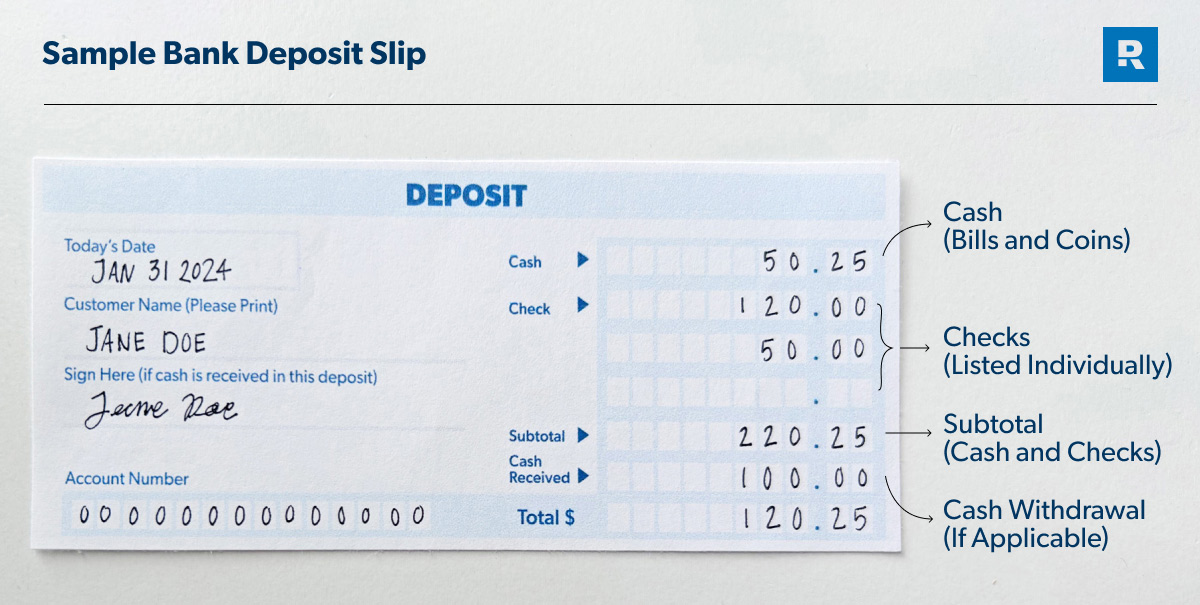
Process: Present your cash, your bank account number (or debit card), and often a deposit slip (though tellers can usually generate one for you). The teller counts the money, processes the deposit, and provides you with an immediate receipt.
-
Benefits: Tellers can answer questions, confirm immediate availability of funds (if applicable), and handle complex transactions that ATMs cannot. It’s often the preferred method for very large cash deposits or deposits into specialized accounts.
-
Considerations: Bank branches operate during specific business hours, which may be inconvenient. Be prepared for potential wait times, especially during peak hours.
Night Drop Safes
Many bank branches offer a “night drop” service, primarily catering to businesses but also accessible to individuals in certain situations. These are secure slots, typically located outside the bank, where deposits can be made after hours.
-
Process: Place your cash (along with a deposit slip and account information) into a special, tamper-evident bag provided by the bank, and then drop the bag into the secure chute. The deposit will be processed the next business day.
-
Use Case: Ideal for businesses or individuals who accumulate cash outside of banking hours and need a secure place to store it until the bank reopens.
-
Security: While secure, deposits are not processed immediately, and there’s a delay until bank staff retrieve and process them. Always ensure the bag is properly sealed and information is accurate.
Alternative and Modern Deposit Solutions
Beyond the traditional methods, the financial industry has evolved to offer more flexible and sometimes innovative ways to get cash into your bank account, particularly for those without easy access to a physical bank branch or ATM.
Partner Retailers and Cash Deposit Networks
In response to the shrinking number of bank branches and the rise of digital-only banks, many financial institutions have partnered with major retailers to offer cash deposit services.
-
How it Works: Services like Green Dot, Netspend, or specific bank partnerships allow you to deposit cash at participating retailers (e.g., Walmart, CVS, Walgreens, 7-Eleven). You typically purchase a “MoneyPak” or use a specific barcode/app from your bank, pay the retailer the cash amount you want to deposit (plus a small service fee), and the funds are then electronically transferred to your bank account.
-
Convenience: Widely available locations, often with extended hours compared to banks. This is particularly useful for individuals with online-only bank accounts or those living in “bank deserts.”
-
Fees and Limits: These services usually come with a transaction fee (e.g., $4.95) and have daily or monthly deposit limits. Always check the specific terms and conditions of your bank and the partner retailer. Funds may also not be immediately available.
Money Orders and Prepaid Debit Cards (Converting Cash)
While not direct cash deposits, these methods serve as effective conduits for converting physical cash into a form that can then be deposited into a bank account.
-
Money Orders: You can purchase a money order with cash at post offices, convenience stores, or grocery stores. The money order is essentially a pre-paid check. You can then deposit this money order into your bank account, either via mobile deposit (if your bank offers it for money orders), ATM, or teller.
-
Pros: Secure way to transmit funds; proof of purchase.
-
Cons: Involves an extra step and a small fee for purchase.
-
-
Reloadable Prepaid Debit Cards: Many prepaid debit cards allow you to load cash onto them at various retail locations. Once loaded, the funds are on the card. Some prepaid cards offer the ability to transfer funds directly to an external bank account, or you might be able to use the card to pay bills or make purchases, effectively managing your cash through the card.
-
Pros: Can be a bridge for the unbanked or underbanked to manage cash digitally.
-
Cons: Often associated with various fees (loading fees, monthly maintenance fees, transfer fees).
-
Best Practices and Considerations for Cash Deposits
Depositing cash isn’t just about picking a method; it also involves smart financial habits and an awareness of regulatory requirements. Adhering to best practices ensures security and compliance.
Keeping Records and Receipts
Regardless of the method used, always obtain and keep a receipt for your cash deposit. This receipt serves as your official proof of transaction, detailing the amount, date, time, and location of the deposit. In the rare event of a discrepancy or error, this record is invaluable for resolving issues with your bank. Store these receipts securely, at least until you’ve confirmed the funds have been accurately posted to your account.
Understanding Deposit Limits and Fees
Banks and third-party deposit services often impose daily, weekly, or monthly limits on cash deposits. These limits can vary significantly based on the method, your account type, and your banking history. Similarly, while most direct bank deposits (ATM or teller) are free, third-party services (like retail network deposits or money orders) typically charge a small fee per transaction. Always be aware of these limits and fees to avoid surprises and plan your deposits accordingly.
Security Tips for Handling Cash
When you’re carrying cash to deposit, personal security should be a priority.
-
Be Discreet: Avoid openly displaying large sums of cash.
-
Travel Safely: Choose well-lit, populated routes and consider depositing during daylight hours.
-
Deposit Promptly: Don’t hold onto large amounts of cash longer than necessary. Deposit it as soon as feasible.
-
Verify Identity: If depositing at a bank branch, be wary of anyone attempting to distract you or ask for personal information.
Reporting Large Cash Transactions
In many countries, including the United States, financial institutions are required to report large cash transactions to government authorities as part of anti-money laundering (AML) and counter-terrorism financing (CTF) efforts. In the U.S., this is governed by the Bank Secrecy Act (BSA) and requires banks to file a Currency Transaction Report (CTR) for single cash deposits exceeding $10,000, or for multiple deposits by the same individual/entity that total over $10,000 within a 24-hour period.
-
Purpose: This reporting is not an accusation of wrongdoing but a regulatory measure to detect and prevent illicit financial activities.
-
Structuring: Attempting to avoid these reporting requirements by breaking down large cash deposits into multiple smaller ones (e.g., making several deposits just under $10,000) is known as “structuring” and is illegal.
-
Transparency: If you have legitimate reasons for large cash deposits, simply be transparent and prepared to provide any requested information to your bank.
Beyond the Deposit: Managing Your Account Effectively
Once your cash is safely deposited, the next step is to integrate it into your broader financial management strategy. A deposit is just the first step in leveraging your bank account for financial growth and stability.
Monitoring Account Activity
After any deposit, especially cash, regularly check your bank statements or online banking portal to ensure the funds have been accurately credited to your account. This proactive monitoring helps catch any errors promptly and ensures your financial records are always up-to-date.
Leveraging Online Banking Tools
Modern bank accounts come with a suite of online and mobile banking tools. Utilize these to track your balances, categorize spending, set up automatic transfers to savings, or pay bills. Your deposited cash, once digitized, becomes fully actionable through these convenient platforms, making financial management easier and more transparent.
Budgeting and Financial Planning with Deposited Funds
With your cash securely in your bank account, you can now allocate it effectively within your budget. Assign funds to specific spending categories, savings goals, or investment accounts. A clear understanding of your available funds facilitates better financial decision-making, helping you work towards short-term needs and long-term aspirations.
Conclusion
Depositing cash into your bank account is a fundamental financial action with multiple accessible pathways. From the traditional reliability of ATMs and bank tellers to the expanded convenience of retail partners and the strategic use of money orders, options abound. By understanding these methods, practicing good financial habits like keeping receipts and monitoring limits, and being aware of regulatory requirements, you can ensure your cash is always handled securely and efficiently. Ultimately, moving your physical currency into a secure bank account empowers you to manage your finances with greater confidence, leading to improved financial health and peace of mind.
aViewFromTheCave is a participant in the Amazon Services LLC Associates Program, an affiliate advertising program designed to provide a means for sites to earn advertising fees by advertising and linking to Amazon.com. Amazon, the Amazon logo, AmazonSupply, and the AmazonSupply logo are trademarks of Amazon.com, Inc. or its affiliates. As an Amazon Associate we earn affiliate commissions from qualifying purchases.