
The digital payment landscape has undergone a radical transformation over the last two decades, moving from a niche convenience to a fundamental utility of the modern internet. At the heart of this evolution is PayPal, a platform that revolutionized the way software handles financial transactions between individuals and businesses. Establishing a PayPal account is more than just a prerequisite for online shopping; it is an entry point into a sophisticated fintech ecosystem designed for security, cross-border interoperability, and digital commerce. For users looking to navigate this process, understanding the technical requirements and the structural layout of the platform is essential for a seamless setup.
Understanding the PayPal Infrastructure and Account Architectures
Before initiating the registration process, it is vital to understand the technological framework of the platform and determine which account structure suits your specific technical needs. PayPal operates on a multi-tiered architecture that separates users into distinct categories based on their intended interaction with the software’s API and transaction processing capabilities.
Personal vs. Business Accounts: Selecting the Right Architecture
The primary decision in the setup process is choosing between a Personal and a Business account. A Personal account is designed for the standard user—someone primarily focused on peer-to-peer (P2P) transfers, online purchasing, and receiving small-scale payments. From a technical standpoint, the Personal account interface is streamlined for mobile and web responsiveness, prioritizing ease of use and quick access to transaction histories.
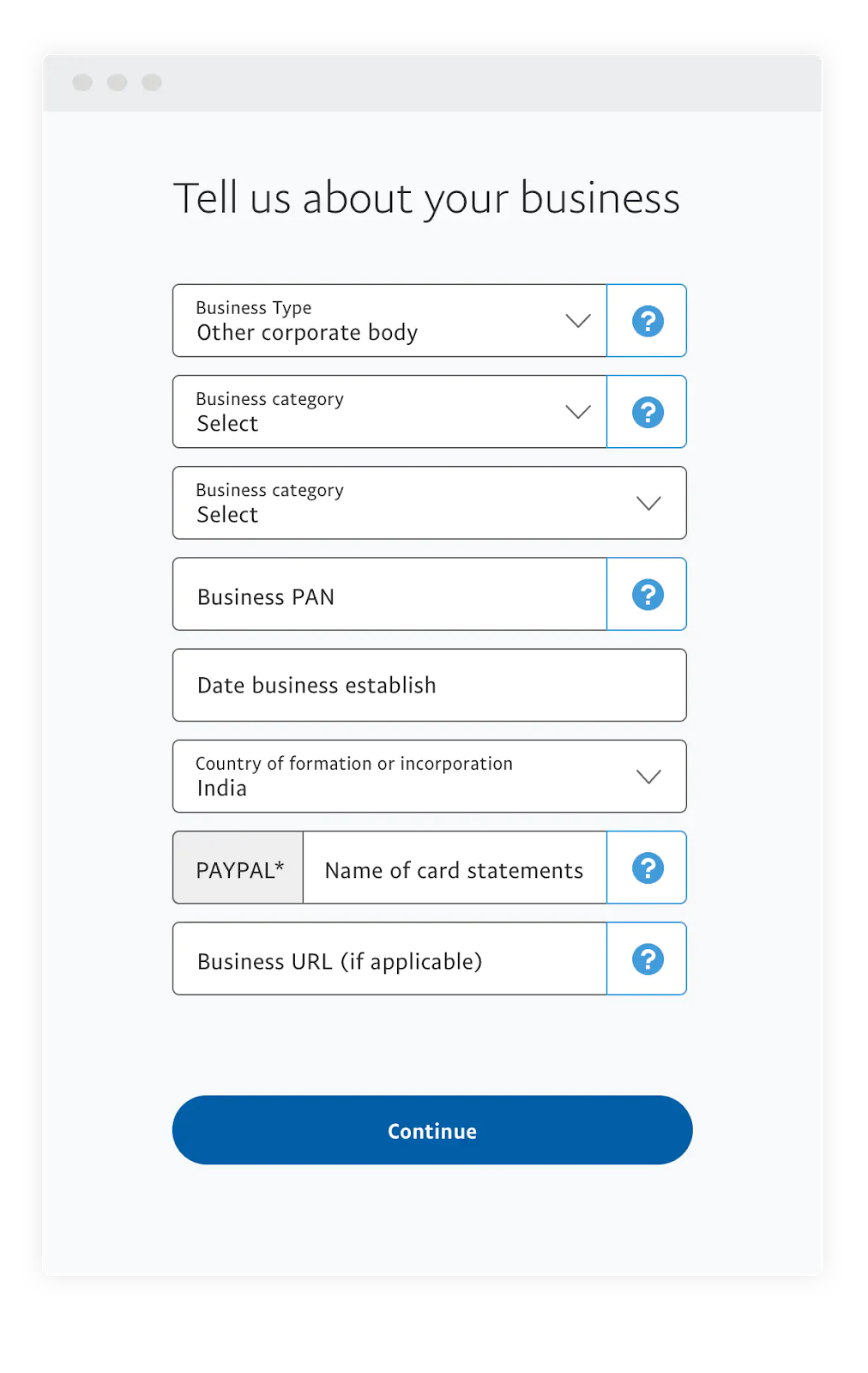
In contrast, a Business account is a robust toolset built for merchants and developers. It allows for the integration of PayPal’s payment gateway into third-party websites via REST APIs. Business accounts support multi-user access, allowing a primary administrator to assign specific permissions to employees without sharing master login credentials. This account type also enables the acceptance of credit cards from customers who may not have a PayPal account, utilizing PayPal as a backend payment processor.
System Requirements and Browser Compatibility
To ensure a secure registration environment, users must access the platform through updated hardware and software. PayPal utilizes advanced 128-bit encryption and Transport Layer Security (TLS) protocols. Consequently, the account creation process should be performed on a browser that supports the latest security patches, such as the most recent versions of Google Chrome, Mozilla Firefox, Microsoft Edge, or Apple Safari.
Furthermore, ensure that your operating system (OS) is currently supported by the developer. Legacy systems that no longer receive security updates are vulnerable to keyloggers and man-in-the-middle (MITM) attacks, which could compromise the sensitive data provided during the registration phase.
Step-by-Step Configuration and Platform Setup
The creation of a PayPal account is a systematic procedure that involves data entry, identity verification, and the establishment of secure communication channels. Following these steps ensures that the account is correctly indexed within PayPal’s global database.
Initial Registration and Email Verification
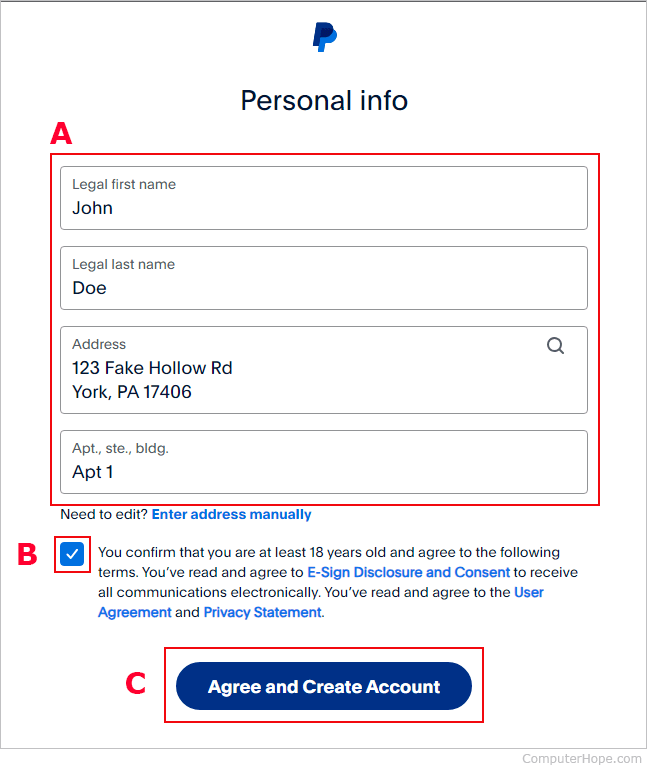
The process begins at the official PayPal portal. Upon clicking the “Sign Up” button, you are prompted to select your account type. After making this selection, the software requires a valid mobile phone number. This is a critical security step; PayPal uses SMS-based one-time passwords (OTP) to verify that the user is a human entity and to establish a primary factor for future two-factor authentication (2FA).
Once the phone number is verified, you must provide your legal name, a primary email address, and a strong password. From a digital security perspective, the password should be a complex string of alphanumeric characters and symbols, ideally managed through a dedicated password manager to prevent credential stuffing attacks. Following this, PayPal will send a verification link to your provided email address. Clicking this link confirms the handshake between your email server and PayPal’s mail servers, validating your primary communication channel.
Securing Your Digital Identity: MFA and Encryption
After the basic profile is created, the next technical priority is hardening the account’s security. Beyond the initial password, PayPal offers multi-factor authentication (MFA). It is highly recommended to enable this feature within the “Security” tab of the user settings. By linking an authenticator app (which generates time-based one-time passwords, or TOTP) or opting for SMS codes, you add a secondary layer of protection that remains effective even if your primary password is leaked.
PayPal’s internal security algorithms also begin profiling the device signature at this stage. This includes recording the IP address, browser fingerprint, and device ID. This data is used to detect “unusual login” patterns in the future, providing an automated defense mechanism against unauthorized access from foreign locations or unrecognized hardware.
Connecting Financial APIs: Linking Banks and Cards
An empty PayPal account acts as a digital shell until it is linked to a source of funding. This is achieved by connecting your bank account or credit/debit card to the PayPal wallet. When you enter your banking details, PayPal utilizes an encrypted bridge to communicate with your financial institution.

For bank account verification, PayPal often employs a “micro-deposit” system. The software initiates two small transfers (typically under $1.00) to your bank account. Once these appear in your statement—usually within 24 to 48 hours—you return to the PayPal interface to input the exact amounts. This proves that you have authorized access to the external financial software, completing the link between the two systems.
Navigating the Interface and Advanced Digital Features
Once the account is verified and funded, users must familiarize themselves with the User Interface (UI) and the various digital tools available for managing transactions and data.
The Dashboard Layout and User Experience (UX)
The PayPal dashboard is designed with a focus on data visualization and accessibility. The primary landing page provides a real-time summary of the account balance, recent activity, and quick-action buttons for sending or requesting funds. For users with a technical inclination, the “Activity” tab offers detailed transaction logs that can be filtered by date, status, or currency type. These logs are essential for auditing and can be exported as CSV or PDF files for integration into accounting software like QuickBooks or Xero.
Mobile App Integration and Synchronization
For users on the go, the PayPal mobile application provides a condensed version of the web platform, optimized for iOS and Android environments. The app utilizes biometric authentication—such as FaceID or fingerprint scanning—to provide a secure yet frictionless login experience. The mobile software is synchronized in real-time with the web database; any transaction initiated on a desktop will immediately reflect in the mobile app’s push notifications and activity feed.
The app also introduces localized features like QR code payments. This utilizes the device’s camera to scan a merchant’s unique encrypted code, facilitating a touchless transaction that transmits encrypted payment tokens rather than raw card data, significantly reducing the risk of skimming.
Utilizing PayPal for Merchant Services and Online Checkout
If you have opted for a Business account, you gain access to the “App Center,” where you can manage integrations with e-commerce platforms like Shopify, WooCommerce, or Magento. The technical beauty of PayPal for merchants lies in its “Smart Payment Buttons.” By embedding a small snippet of JavaScript into a website’s code, a developer can allow customers to pay via PayPal, Venmo, or credit card without the merchant ever having to touch or store sensitive financial data. This offloads the burden of PCI-DSS compliance to PayPal’s secure infrastructure.
Security Protocols and Troubleshooting Common Technical Hurdles
Despite the high level of automation in the sign-up process, users may encounter technical roadblocks or security challenges that require manual intervention or specific technical knowledge.
Protecting Your Account from Phishing and Cyber Threats
As a major financial hub, PayPal is a frequent target for phishing campaigns. Users must be technically vigilant against fraudulent emails that mimic PayPal’s UI to steal login credentials. A key technical tip is to always inspect the “From” header in the email metadata and verify that the URL in the browser’s address bar is https://www.paypal.com. The presence of the padlock icon indicates an active SSL/TLS connection, ensuring that data transmitted between your device and the server is encrypted.
Resolving Connection Errors and Verification Delays
Sometimes, users may experience “Session Timed Out” errors or “Internal Server Errors” during the setup phase. These are often caused by local browser issues rather than server-side failures. To resolve these, one should clear the browser’s cache and cookies or attempt the process in an “Incognito” or “Private” window. This ensures that old data or conflicting extensions (like aggressive ad-blockers) do not interfere with the site’s JavaScript execution.
If identity verification is flagged for manual review, it may be due to a discrepancy between the data provided and public records. In such cases, PayPal’s software will request a high-resolution scan of a government-issued ID. From a technical standpoint, ensure the upload is in a supported format (JPEG or PNG) and that the file size does not exceed the platform’s upload limit.
Managing Privacy Settings and Data Permissions
Finally, it is worth exploring the “Data & Privacy” settings. Here, you can control how much of your information is visible to others in the PayPal network and manage third-party permissions. If you have linked your PayPal account to various apps or websites, this section allows you to audit and revoke those API permissions, ensuring that only trusted software has access to your payment methods.
By approaching PayPal account creation with a technical mindset, you ensure that your digital wallet is not only functional but also fortified against the myriad of threats present in the modern digital landscape. The platform’s blend of user-friendly UI and complex backend security makes it a premier choice for navigating the future of global finance.
aViewFromTheCave is a participant in the Amazon Services LLC Associates Program, an affiliate advertising program designed to provide a means for sites to earn advertising fees by advertising and linking to Amazon.com. Amazon, the Amazon logo, AmazonSupply, and the AmazonSupply logo are trademarks of Amazon.com, Inc. or its affiliates. As an Amazon Associate we earn affiliate commissions from qualifying purchases.